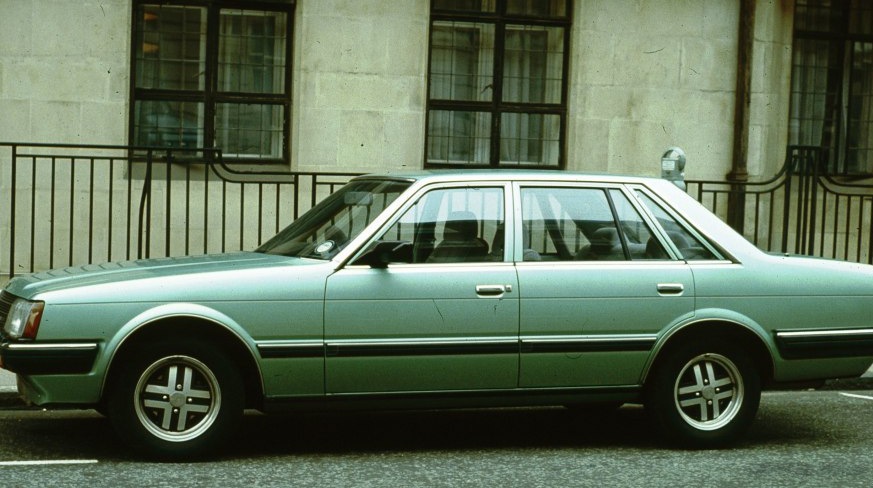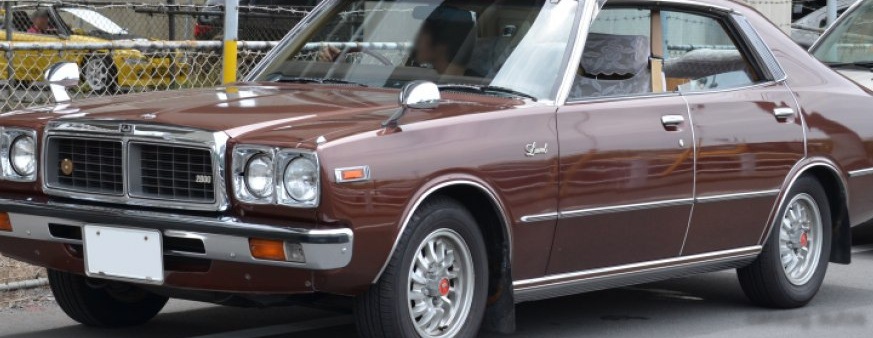
The Nissan Laurel HLC230, produced between 1977 and 1983, represented a significant evolution in Nissan’s mid-size sedan offerings. Positioned as a more upscale and comfortable alternative to the Datsun Bluebird (sold as the Nissan Bluebird in some markets), the Laurel aimed for a buyer seeking a blend of practicality, refinement, and a touch of luxury. The HLC230 generation, specifically the 2.4-liter (113 hp) variant, occupied a middle ground within the Laurel lineup, offering a balance between performance and economy. It was a key model for Nissan during a period of increasing competition in the Japanese domestic market (JDM) and represented a step towards establishing Nissan as a premium brand.
Technical Specifications
| Brand | Nissan |
| Model | Laurel |
| Generation | Laurel (HLC230) |
| Type (Engine) | 2.4 (113 Hp) |
| Start of Production | 1977 |
| End of Production | 1983 |
| Powertrain Architecture | Internal Combustion Engine |
| Body Type | Sedan |
| Fuel Type | Petrol (Gasoline) |
| Power | 113 Hp |
| Engine Aspiration | Naturally Aspirated |
Powertrain & Engine Architecture
The heart of the HLC230 2.4 was the L24E engine, a 2.4-liter inline-six cylinder gasoline engine. This engine was a mainstay of Nissan’s lineup during the 1970s and early 1980s, known for its relative smoothness and durability. The L24E featured a single overhead camshaft (SOHC) valvetrain, operating two valves per cylinder. Fuel delivery was managed by a Hitachi carburetor, a common setup for the era. While not particularly advanced by modern standards, the carburetor provided reliable fuel atomization and contributed to the engine’s relatively simple maintenance requirements. The engine produced 113 horsepower at approximately 5,200 rpm and 138 lb-ft of torque at 3,200 rpm. The transmission paired with this engine was typically a three-speed automatic, although a four-speed manual transmission was also available. The automatic transmission was designed for smooth, comfortable shifts, prioritizing ease of driving over outright performance. The L24 engine block was constructed from cast iron, contributing to its robustness, while the cylinder head was made of aluminum alloy to reduce weight.
Driving Characteristics
The Laurel 2.4 with the automatic transmission offered a comfortable and relaxed driving experience. Acceleration was adequate for everyday driving, but it wasn’t a particularly sporty vehicle. The three-speed automatic transmission, while smooth, had relatively wide gear ratios, which meant the engine often operated at higher rpm during highway cruising. This could result in noticeable engine noise and slightly reduced fuel economy. Compared to the available manual transmission, the automatic version sacrificed some responsiveness and driver engagement. The Laurel’s suspension, consisting of independent front suspension with MacPherson struts and a solid rear axle with leaf springs, provided a comfortable ride, absorbing bumps and imperfections in the road reasonably well. However, the rear leaf springs could sometimes result in a slightly bouncy ride, especially when carrying a full load. Steering was power-assisted, making maneuvering in tight spaces relatively easy, but it lacked the precision and feedback found in more modern steering systems.
Equipment & Trim Levels
The HLC230 2.4 typically came equipped with a reasonable level of standard features for its time. These included power steering, a radio (often AM/FM), and cloth upholstery. Higher trim levels, such as the Super Deluxe, added features like air conditioning, power windows, and upgraded interior trim. The interior design was generally conservative and functional, with a focus on providing a comfortable and spacious cabin. The dashboard featured a woodgrain finish, and the seats were designed for long-distance comfort. Optional extras included a sunroof, upgraded sound systems, and metallic paint finishes. The Laurel aimed to provide a more luxurious experience than its Bluebird sibling, and this was reflected in the available options and trim levels.
Chassis & Braking
The Laurel HLC230 utilized a body-on-frame construction, which was common for sedans of that era. This construction method provided a robust and durable chassis, but it also contributed to the vehicle’s relatively heavy weight. The front suspension featured MacPherson struts, coil springs, and an anti-roll bar, while the rear suspension employed a solid axle with leaf springs. Braking was initially accomplished with drum brakes on all four wheels, but later models were upgraded with front disc brakes, providing improved stopping power. The braking system was hydraulically assisted, but it lacked the advanced features found in modern braking systems, such as anti-lock braking (ABS). The steering system was a recirculating ball type, providing power assistance for easier maneuverability.
Market Reception & Comparison
The Nissan Laurel HLC230 2.4 was generally well-received in the Japanese market. It was praised for its comfortable ride, spacious interior, and relatively refined driving experience. Critics noted that the 2.4-liter engine provided adequate power for most driving situations, but it wasn’t particularly exciting. Compared to other models in the Laurel lineup, such as the 2.0-liter versions, the 2.4 offered a noticeable increase in performance and refinement. However, it was also more expensive to purchase and operate. Compared to competitors like the Toyota Corona and Mazda Luce, the Laurel offered a similar level of comfort and features, but it was often perceived as being slightly more upscale. Fuel economy was typical for a vehicle of its size and era, averaging around 18-22 mpg in real-world driving conditions. Reliability was generally good, although maintenance costs could be higher due to the complexity of the inline-six engine.
Legacy
The Nissan Laurel HLC230, particularly the 2.4-liter variant, holds a nostalgic place in the hearts of many JDM enthusiasts. The L24 engine is known for its durability and relative simplicity, making it a popular choice for engine swaps and restorations. While not as highly sought after as some other classic Japanese cars, the Laurel HLC230 remains a relatively affordable and enjoyable classic car. In the used car market today, well-maintained examples of the HLC230 2.4 can fetch reasonable prices, depending on their condition and originality. The car’s robust construction and relatively simple mechanicals make it a relatively easy vehicle to maintain and repair. The Laurel HLC230 represents a significant chapter in Nissan’s history, showcasing the company’s commitment to building comfortable, reliable, and stylish sedans.