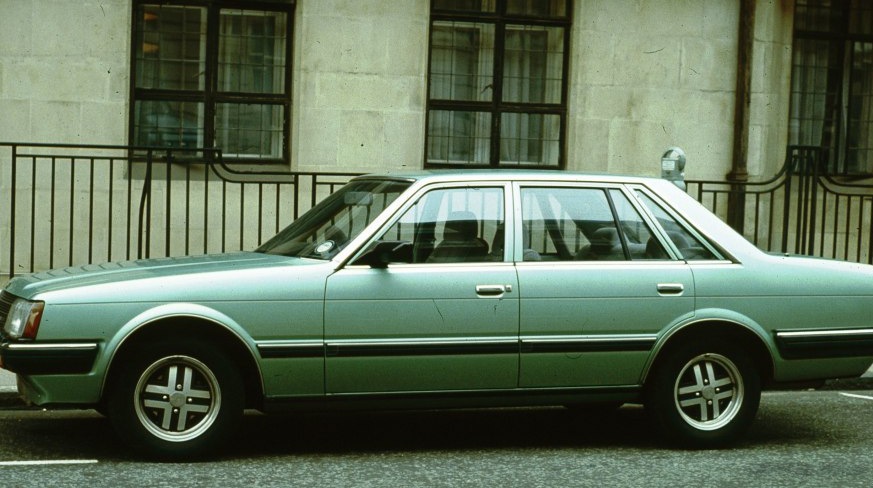
The Nissan Laurel JC31, manufactured between 1981 and 1984, marked a notable step forward in Nissan’s mid-size sedan offerings. Positioned as a more refined and comfortable alternative to the Datsun Bluebird (marketed as the Nissan Bluebird in certain regions), the JC31 Laurel aimed to attract a segment of the Japanese domestic market (JDM) desiring a combination of practicality, sophistication, and a degree of luxury. The 2.0-liter, 97 horsepower variant, while not the performance leader of the range, proved popular with buyers prioritizing fuel economy and a smooth driving experience. It served as the entry-level engine option for the JC31, providing a balance between cost and usability within the broader Laurel lineup.
Technical Specifications
| Brand | Nissan |
| Model | Laurel |
| Generation | Laurel (JC31) |
| Type (Engine) | 2.0 (97 Hp) |
| Start of Production | 1981 |
| End of Production | 1984 |
| Powertrain Architecture | Internal Combustion Engine |
| Body Type | Sedan |
| Fuel Type | Petrol (Gasoline) |
| Engine Power | 97 Hp |
| Engine Aspiration | Naturally Aspirated |
Powertrain & Engine Architecture
The 2.0-liter engine powering this version of the JC31 Laurel is the Z20, a four-cylinder, naturally aspirated engine. It features a relatively straightforward design, with a cast iron block and an aluminum cylinder head. The Z20 employs a single overhead camshaft (SOHC) valvetrain, operating two valves per cylinder. Fuel delivery is handled by a carburetor, a common feature for vehicles of this era, rather than fuel injection. While less precise than modern fuel injection systems, this carburetor setup contributed to the engine’s simplicity and ease of maintenance. The engine produces 97 horsepower at approximately 5,200 rpm and 128 lb-ft of torque at 3,200 rpm. The transmission typically paired with this engine is a three-speed automatic, designed for smooth and comfortable shifts rather than sporty performance. This automatic transmission was a key attraction for buyers seeking a relaxed driving experience, especially in urban settings.
Driving Characteristics
The 1981-1984 Nissan Laurel 2.0, equipped with the three-speed automatic transmission, delivers a driving experience centered on comfort and ease of use. Acceleration is moderate, with 0-60 mph times estimated around 12-14 seconds. The three-speed automatic transmission has relatively wide gear ratios, prioritizing fuel efficiency and smooth cruising over quick acceleration. Compared to the more powerful 2.4-liter and 2.8-liter engine options available in the JC31 Laurel, this 2.0-liter variant feels noticeably less responsive. However, the automatic transmission provides a seamless driving experience, particularly in city traffic. The suspension, tuned for comfort, effectively absorbs bumps and road imperfections, contributing to a relaxed ride quality. The steering is light and easy to use, simplifying maneuvering in tight spaces. While not a performance-oriented car by modern standards, the Laurel 2.0 offered a comfortable and reliable mode of transportation for its intended audience.
Equipment & Trim Levels
The 2.0-liter Laurel generally represented the base trim level within the JC31 range. Standard equipment typically included cloth upholstery, a basic AM/FM radio, and manual windows. Air conditioning was often an optional extra, as were power windows and a more sophisticated audio system. Interior appointments were functional and durable, reflecting the car’s positioning as a practical family sedan. The dashboard layout is straightforward, with clearly labeled controls. Higher trim levels of the JC31 Laurel, equipped with the larger engines, offered more luxurious features such as velour upholstery, woodgrain trim, and upgraded sound systems. The 2.0-liter model, however, focused on providing essential features at an affordable price point.
Chassis & Braking
The JC31 Laurel utilizes a traditional body-on-frame construction, common for sedans of this era. The suspension consists of independent front suspension with MacPherson struts and a solid rear axle with leaf springs. This setup prioritizes ride comfort and durability over sporty handling. Braking on the 2.0-liter model typically features drum brakes on all four wheels, which was standard for this class of vehicle at the time. Power steering was often included, making the car easier to maneuver at low speeds. While the braking performance is adequate for normal driving conditions, it lacks the stopping power of more modern braking systems. The chassis is robust and well-built, contributing to the Laurel’s reputation for reliability.
Market Reception & Comparison
The Nissan Laurel JC31 2.0 was well-received in the Japanese market as a comfortable, reliable, and affordable mid-size sedan. Critics praised its spacious interior, smooth ride, and fuel efficiency. However, the 97 horsepower engine was often criticized for being underpowered, particularly when compared to the larger engine options available in the Laurel lineup. Compared to competitors such as the Toyota Corona and Mazda Luce, the Laurel offered a similar level of comfort and refinement. The Laurel’s styling, characterized by its boxy shape and prominent chrome trim, was also considered appealing by many buyers. Fuel economy for the 2.0-liter Laurel was respectable for the time, averaging around 25-30 mpg in mixed driving conditions. Reliability was a strong point, with the Z20 engine proving to be durable and long-lasting.
Legacy
The Nissan Laurel JC31 2.0, while not the most desirable variant of the JC31 generation, remains a popular choice among classic car enthusiasts in Japan. Its simplicity, reliability, and affordability make it an attractive option for those seeking a well-preserved example of 1980s Japanese automotive engineering. The Z20 engine is known for its durability, and parts availability remains relatively good in Japan. In the used car market today, these Laurels are often found in well-maintained condition, having been carefully preserved by their original owners. While not typically exported in large numbers to the United States or Europe, examples are occasionally imported by enthusiasts. The JC31 Laurel 2.0 represents a significant chapter in Nissan’s history, demonstrating the company’s commitment to building comfortable, reliable, and affordable vehicles for the Japanese market.