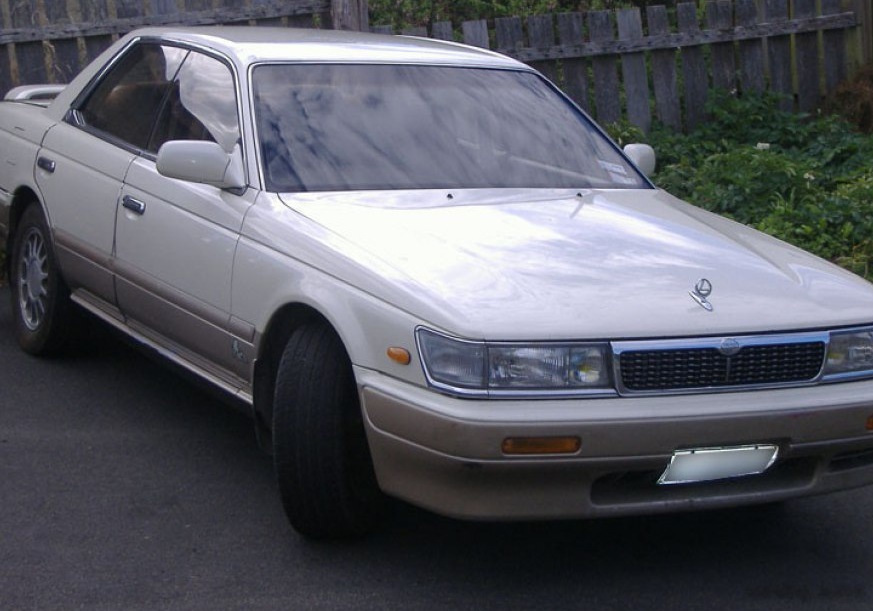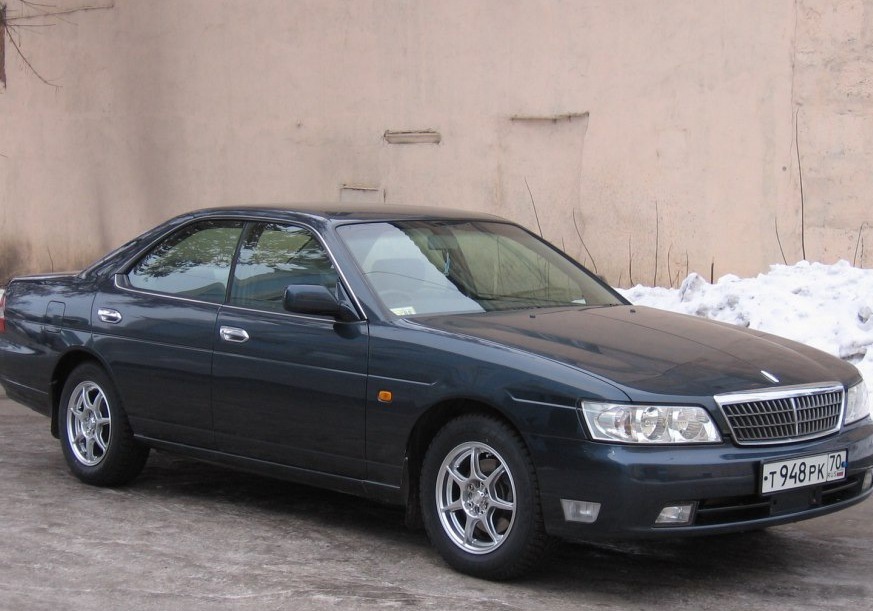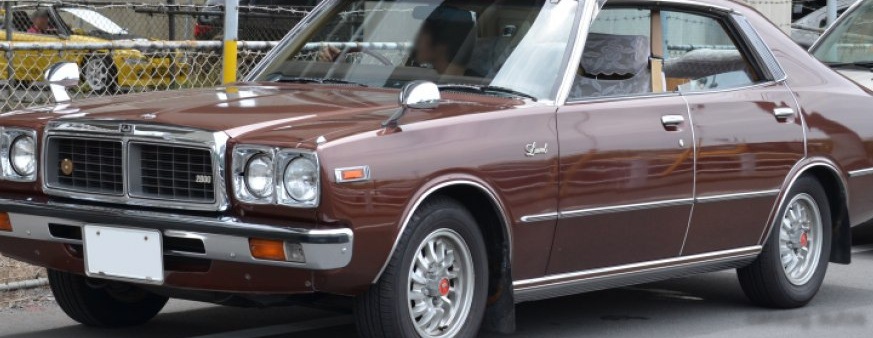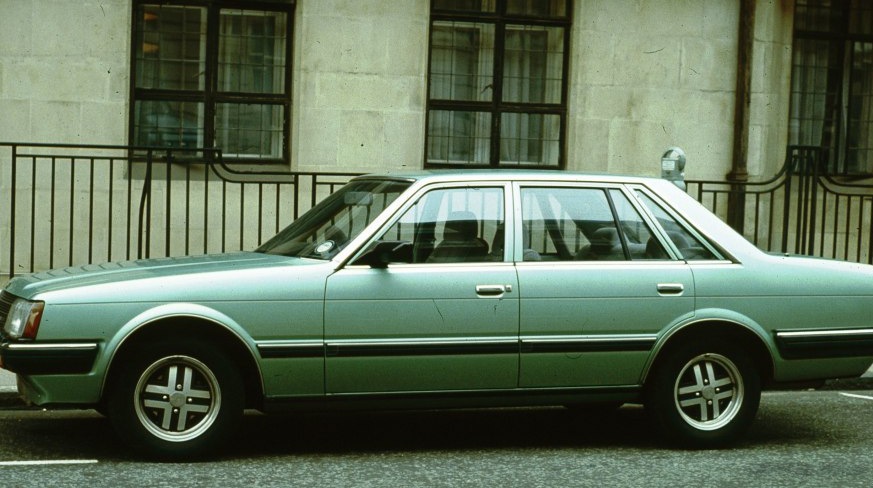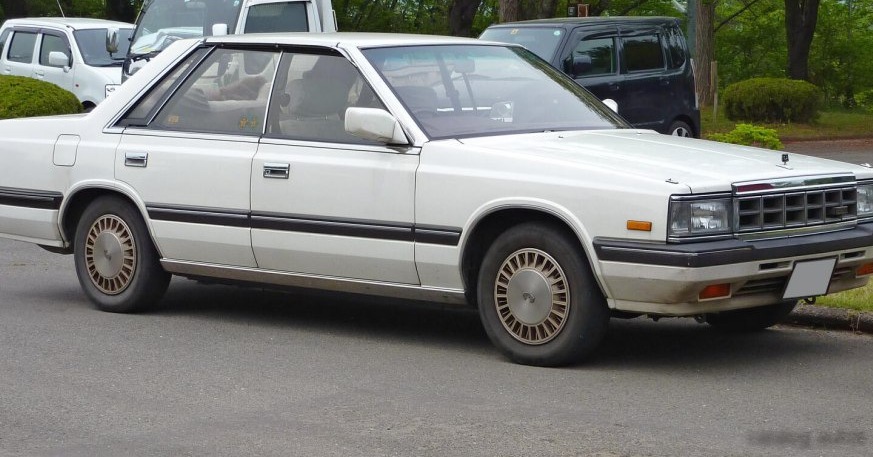
The Nissan Laurel JC32, produced between 1985 and 1987, represented a continuation of Nissan’s long-running Laurel lineage, a vehicle historically favored for its comfort and understated elegance within the Japanese domestic market (JDM). The JC32 generation, while offered with a range of engines, included a 2.4-liter variant paired with a four-speed automatic transmission. This configuration occupied a middle ground in the Laurel lineup, offering a balance between performance and convenience, aimed at buyers prioritizing a smooth driving experience over outright sportiness. It was positioned above the smaller-displacement engines and below the more powerful, often turbocharged, options.
Technical Specifications
| Brand | Nissan |
| Model | Laurel |
| Generation | Laurel (JC32) |
| Type (Engine) | 2.4 (128 Hp) Automatic |
| Start of production | 1985 |
| End of production | 1987 |
| Powertrain Architecture | Internal Combustion engine |
| Body type | Sedan |
| Seats | 5 |
| Doors | 4 |
| Fuel consumption (urban) | 14.9 l/100 km (15.8 US mpg / 19 UK mpg) |
| Fuel consumption (extra urban) | 7.9 l/100 km (29.8 US mpg / 35.8 UK mpg) |
| Fuel Type | Petrol (Gasoline) |
| Maximum speed | 180 km/h (111.85 mph) |
| Weight-to-power ratio | 9.9 kg/Hp |
| Weight-to-torque ratio | 7.1 kg/Nm |
| Power | 128 Hp @ 5600 rpm |
| Power per litre | 53.5 Hp/l |
| Torque | 180 Nm @ 4400 rpm (132.76 lb.-ft. @ 4400 rpm) |
| Engine layout | Front, Longitudinal |
| Engine Model/Code | L24 |
| Engine displacement | 2393 cm3 (146.03 cu. in.) |
| Number of cylinders | 6 |
| Engine configuration | Inline |
| Cylinder Bore | 83 mm (3.27 in.) |
| Piston Stroke | 73.7 mm (2.9 in.) |
| Compression ratio | 8.9:1 |
| Number of valves per cylinder | 2 |
| Fuel injection system | Multi-port manifold injection |
| Engine aspiration | Naturally aspirated |
| Valvetrain | SOHC |
| Engine oil capacity | 4.4 l (4.65 US qt | 3.87 UK qt) |
| Coolant capacity | 9.7 l (10.25 US qt | 8.53 UK qt) |
| Kerb Weight | 1270 kg (2799.87 lbs.) |
| Max. weight | 1805 kg (3979.34 lbs.) |
| Max load | 535 kg (1179.47 lbs.) |
| Trunk (boot) space | 397 l (14.02 cu. ft.) |
| Fuel tank capacity | 65 l (17.17 US gal | 14.3 UK gal) |
| Length | 4650 mm (183.07 in.) |
| Width | 1690 mm (66.54 in.) |
| Height | 1425 mm (56.1 in.) |
| Wheelbase | 2670 mm (105.12 in.) |
| Front track | 1410 mm (55.51 in.) |
| Rear track | 1390 mm (54.72 in.) |
| Minimum turning circle | 11 m (36.09 ft.) |
| Drivetrain | Rear wheel drive |
| Number of gears | 4 |
| Gearbox type | Automatic transmission |
| Front suspension | Independent, McPherson with coil spring and anti-roll bar |
| Rear suspension | Trailing arm |
| Front brakes | Ventilated discs |
| Rear brakes | Drum |
| Steering type | Steering rack and pinion |
| Power steering | Hydraulic |
| Tires size | 185/70 R14 |
| Wheel rims size | 5.5J x 14 |
Powertrain & Engine Architecture
The heart of this Laurel variant was the Nissan L24 engine, a 2.4-liter (2393 cc) inline-six cylinder powerplant. This engine, a staple of Nissan’s mid-size offerings for many years, featured a single overhead camshaft (SOHC) valvetrain with two valves per cylinder. The L24 utilized multi-port fuel injection, a relatively modern feature for the mid-1980s, contributing to improved fuel efficiency and smoother operation compared to carbureted engines. The engine produced 128 horsepower at 5600 rpm and 180 Nm (132.76 lb-ft) of torque at 4400 rpm. The four-speed automatic transmission was a common unit for the time, prioritizing comfort and ease of use over aggressive shifting. It was designed to deliver smooth transitions between gears, complementing the engine’s characteristics.
Driving Characteristics
The 2.4-liter automatic Laurel offered a comfortable and relaxed driving experience. While not a performance-oriented vehicle, the engine provided adequate power for everyday driving and highway cruising. The automatic transmission, while smooth, did result in some power loss compared to the available manual transmission options. Acceleration was respectable, but not brisk, and the focus was on providing a refined and quiet ride. The gear ratios were tuned for fuel economy and comfortable cruising, rather than quick acceleration. Compared to the more powerful, often turbocharged, versions of the Laurel, this variant felt noticeably less responsive, but it offered a more accessible and user-friendly experience for drivers less concerned with outright performance.
Equipment & Trim Levels
The 2.4-liter automatic Laurel typically came equipped with a reasonable level of standard features for its time. These included power steering, a basic audio system, cloth upholstery, and manual air conditioning. Higher trim levels offered options such as power windows, power locks, upgraded audio systems, and more luxurious interior appointments. The interior design was functional and comfortable, with a focus on providing a pleasant driving environment. The dashboard layout was straightforward and easy to use, typical of Japanese automotive design of the era.
Chassis & Braking
The JC32 Laurel utilized a traditional rear-wheel-drive layout. The front suspension employed an independent McPherson strut design with coil springs and an anti-roll bar, while the rear suspension featured a trailing arm setup. This configuration provided a comfortable ride and predictable handling. Braking duties were handled by ventilated discs at the front and drum brakes at the rear. While adequate for normal driving conditions, the braking system lacked the stopping power of more modern systems. The chassis was designed to prioritize comfort and stability over sporty handling.
Market Reception & Comparison
The 2.4-liter automatic Laurel was generally well-received as a comfortable and reliable family sedan. Critics praised its smooth ride, spacious interior, and relatively fuel-efficient engine. However, some noted that its performance was somewhat lacking compared to other vehicles in its class, particularly those with manual transmissions or more powerful engines. Compared to the turbocharged versions of the Laurel, the 2.4-liter automatic offered significantly lower performance but also lower running costs and potentially greater long-term reliability. Fuel economy was considered average for the time, falling in line with other mid-size sedans.
Legacy
The Nissan Laurel JC32 2.4 Automatic, while not the most sought-after variant, remains a popular choice among JDM enthusiasts and collectors. The L24 engine is known for its durability and relative simplicity, making it a relatively easy engine to maintain. Today, well-maintained examples are becoming increasingly rare, and their value is steadily increasing. The combination of a comfortable ride, reliable engine, and classic JDM styling has ensured its continued appeal to those seeking a nostalgic and distinctive driving experience. The automatic transmission, while not favored by performance enthusiasts, contributes to the car’s ease of use and makes it a more accessible classic for a wider range of drivers.