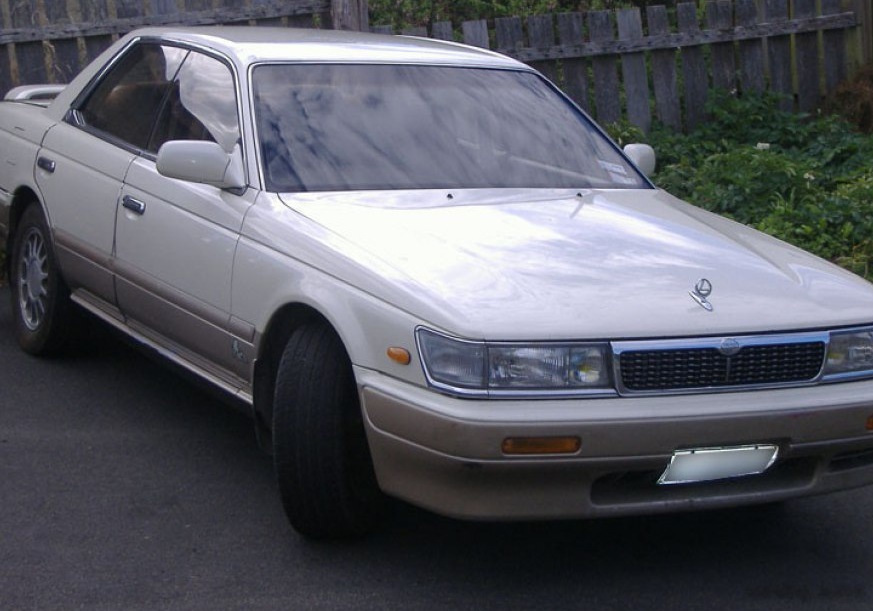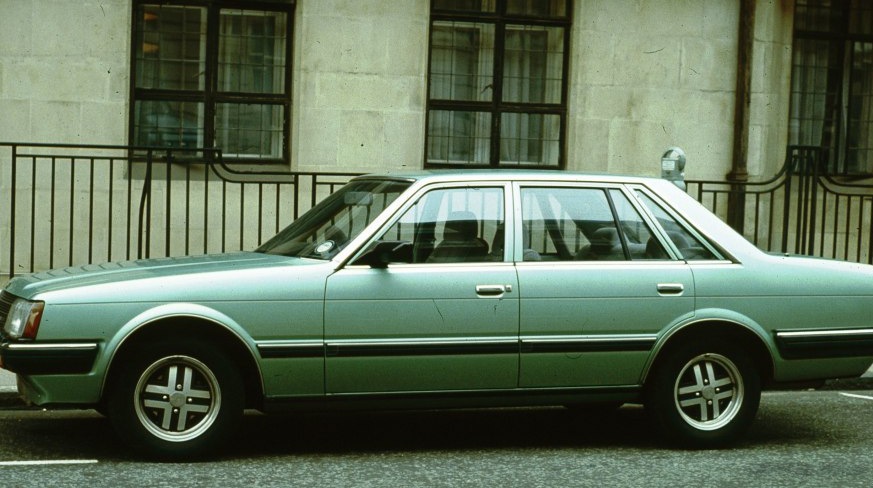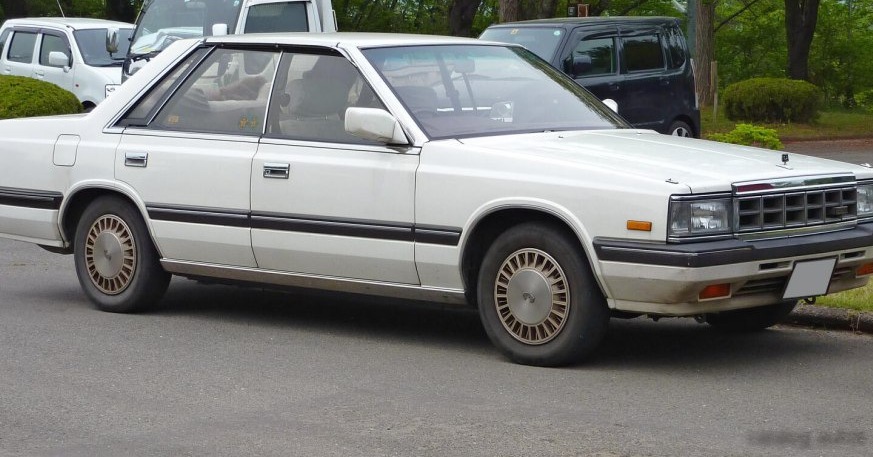
The Nissan Laurel JC32 2.8 D, produced between 1985 and 1987, represents a somewhat unusual offering within the broader JC32 Laurel generation. While the Laurel was traditionally a popular choice in the Japanese domestic market (JDM) as a comfortable and stylish mid-size sedan, the 2.8-liter diesel variant with an automatic transmission was a niche model, primarily aimed at buyers prioritizing fuel economy and durability over outright performance. It occupied the lower end of the JC32 lineup, positioned below the gasoline-powered models, particularly the 2.0 and 2.8-liter inline-six engines. This variant was not officially exported to the United States.
Technical Specifications
| Brand | Nissan |
| Model | Laurel |
| Generation | Laurel (JC32) |
| Type (Engine) | 2.8 D (84 Hp) Automatic |
| Start of production | 1985 |
| End of production | 1987 |
| Powertrain Architecture | Internal Combustion engine |
| Body type | Sedan |
| Seats | 5 |
| Doors | 4 |
| Fuel consumption (urban) | 9 l/100 km (26.1 US mpg) |
| Fuel consumption (extra urban) | 5.8 l/100 km (40.6 US mpg) |
| Fuel Type | Diesel |
| Maximum speed | 160 km/h (99.42 mph) |
| Weight-to-power ratio | 16 kg/Hp |
| Weight-to-torque ratio | 8.4 kg/Nm |
| Power | 84 Hp @ 4400 rpm |
| Power per litre | 30.1 Hp/l |
| Torque | 159 Nm @ 2400 rpm (117.27 lb.-ft. @ 2400 rpm) |
| Engine layout | Front, Longitudinal |
| Engine Model/Code | LD28 |
| Engine displacement | 2793 cm3 (170.44 cu. in.) |
| Number of cylinders | 6 |
| Engine configuration | Inline |
| Cylinder Bore | 84.5 mm (3.33 in.) |
| Piston Stroke | 83 mm (3.27 in.) |
| Compression ratio | 22:1 |
| Number of valves per cylinder | 2 |
| Fuel injection system | Precombustion chamber injection |
| Engine aspiration | Naturally aspirated |
| Valvetrain | SOHC |
| Engine oil capacity | 5.7 l (6.02 US qt | 5.02 UK qt) |
| Coolant capacity | 10.2 l (10.78 US qt | 8.97 UK qt) |
| Kerb Weight | 1340 kg (2954.19 lbs.) |
| Trunk (boot) space | 397 l (14.02 cu. ft.) |
| Fuel tank capacity | 65 l (17.17 US gal | 14.3 UK gal) |
| Max. roof load | 100 kg (220.46 lbs.) |
| Permitted trailer load (braked) | 1200 kg (2645.55 lbs.) |
| Permitted trailer load (unbraked) | 600 kg (1322.77 lbs.) |
| Permitted towbar download | 75 kg (165.35 lbs.) |
| Length | 4650 mm (183.07 in.) |
| Width | 1690 mm (66.54 in.) |
| Height | 1425 mm (56.1 in.) |
| Wheelbase | 2670 mm (105.12 in.) |
| Front track | 1410 mm (55.51 in.) |
| Rear track | 1390 mm (54.72 in.) |
| Minimum turning circle | 11 m (36.09 ft.) |
| Drivetrain | Rear wheel drive |
| Number of gears | 4 |
| Gearbox type | Automatic transmission |
| Front suspension | Independent, McPherson with coil spring and anti-roll bar |
| Rear suspension | Trailing arm |
| Front brakes | Ventilated discs |
| Rear brakes | Drum |
| Steering type | Steering rack and pinion |
| Power steering | Hydraulic |
| Tires size | 185/70 R14 |
| Wheel rims size | 5.5J x 14 |
Powertrain & Engine Architecture
The heart of the JC32 2.8 D is the Nissan LD28 diesel engine, a 2.8-liter inline-six cylinder unit. This engine utilizes precombustion chamber injection, a system common in older diesel designs. This system involves a small precombustion chamber connected to the main cylinder, where fuel is initially injected and ignited, then transferred to the main chamber for complete combustion. The LD28 features a single overhead camshaft (SOHC) valvetrain, operating two valves per cylinder. The engine produces 84 horsepower at 4400 rpm and 159 Nm (117.27 lb-ft) of torque at 2400 rpm. The automatic transmission is a four-speed unit, designed to provide smooth, if not particularly rapid, acceleration. The LD28 was known for its robustness and relatively simple mechanical design, contributing to its longevity.
Driving Characteristics
The 2.8 D automatic Laurel offered a distinctly different driving experience compared to its gasoline-powered siblings. The diesel engine’s torque peak at 2400 rpm meant that usable power was available from relatively low engine speeds, making it suitable for relaxed cruising and everyday driving. However, the 84 horsepower output was modest, resulting in leisurely acceleration. The four-speed automatic transmission, while providing convenience, further limited performance. Gear ratios were optimized for fuel efficiency rather than spirited driving. Compared to the more powerful 2.0 or 2.8-liter gasoline engines, the diesel felt significantly slower, especially when overtaking or climbing hills. The focus was on economy and dependability, not speed.
Equipment & Trim Levels
The 2.8 D automatic trim level typically represented a mid-range offering within the JC32 Laurel lineup. Standard features generally included power steering, cloth upholstery, and a basic audio system. Air conditioning was often an optional extra. The interior design was functional and comfortable, reflecting the Laurel’s reputation as a practical family sedan. Higher trim levels, available with gasoline engines, offered features like electric windows, central locking, and upgraded audio systems. The diesel variant prioritized value and practicality over luxury appointments.
Chassis & Braking
The JC32 Laurel utilized a traditional body-on-frame construction. The front suspension featured an independent McPherson strut setup with coil springs and an anti-roll bar, while the rear suspension employed a trailing arm design. Braking was accomplished via ventilated discs on the front wheels and drum brakes on the rear. This configuration was typical for vehicles in this class and weight category during the mid-1980s. The suspension provided a comfortable ride, but handling was not particularly sporty. The rear drum brakes, while adequate for normal driving, lacked the stopping power of disc brakes, especially under hard braking.
Market Reception & Comparison
The Nissan Laurel 2.8 D automatic received mixed reviews. Critics acknowledged its fuel efficiency and durability but often criticized its lack of performance. Compared to the gasoline-powered Laurels, the diesel variant was seen as a more utilitarian option. Fuel economy was a significant advantage, particularly in a period of fluctuating oil prices. However, the diesel engine was noticeably louder and produced more vibrations than its gasoline counterparts. In terms of reliability, the LD28 engine proved to be exceptionally durable, but maintenance costs could be higher due to the complexity of the diesel fuel injection system.
Legacy
The Nissan Laurel JC32 2.8 D, while not a high-performance model, holds a unique place in the Laurel’s history. Its robust diesel engine and automatic transmission combination offered a practical and economical transportation solution. Today, these vehicles are relatively rare, particularly in good condition. The LD28 engine is still regarded as a reliable powerplant, and well-maintained examples can provide years of service. In the used car market, the 2.8 D commands a modest price, appealing to buyers seeking a classic Japanese sedan with a focus on fuel efficiency and dependability. Its simplicity and durability make it a popular choice for restoration projects and classic car enthusiasts.