
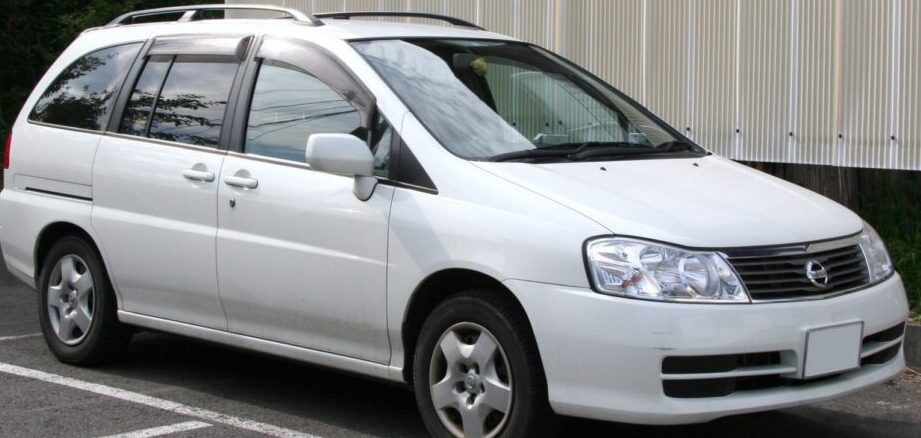
The Nissan Liberty (designated M12) 2.0 i 16V GT4, produced between 1998 and 2002, represented a performance-oriented variant of Nissan’s compact minivan offering. This model, boasting a turbocharged 2.0-liter engine producing 230 horsepower, occupied a unique position within the Liberty lineup, aimed at buyers seeking a blend of practicality and spirited driving. It was primarily marketed in Japan and Australia, where the demand for versatile, yet engaging, family vehicles was significant.
Technical Specifications
| Brand | Nissan |
| Model | Liberty |
| Generation | Liberty (M12) |
| Type (Engine) | 2.0 i 16V GT4 (230 Hp) |
| Start of production | 1998 |
| End of production | September, 2002 |
| Powertrain Architecture | Internal Combustion engine |
| Body type | Minivan |
| Seats | 7 |
| Doors | 5 |
| Fuel consumption (urban) | 12.2 l/100 km (19.3 US mpg, 23.2 UK mpg, 8.2 km/l) |
| Fuel consumption (extra urban) | 6.62 l/100 km (35.5 US mpg, 42.7 UK mpg, 15.1 km/l) |
| Fuel Type | Petrol (Gasoline) |
| Weight-to-power ratio | 7.1 kg/Hp, 141.1 Hp/tonne |
| Weight-to-torque ratio | 5.9 kg/Nm, 168.7 Nm/tonne |
| Power | 230 Hp @ 6000 rpm |
| Power per litre | 115.1 Hp/l |
| Torque | 275 Nm @ 3600 rpm (202.83 lb.-ft. @ 3600 rpm) |
| Engine layout | Front, Transverse |
| Engine displacement | 1998 cm3 (121.93 cu. in.) |
| Number of cylinders | 4 |
| Engine configuration | Inline |
| Cylinder Bore | 86 mm (3.39 in.) |
| Piston Stroke | 86 mm (3.39 in.) |
| Compression ratio | 8.5:1 |
| Number of valves per cylinder | 4 |
| Fuel injection system | Multi-port manifold injection |
| Engine aspiration | Turbocharger |
| Kerb Weight | 1630 kg (3593.53 lbs.) |
| Max. weight | 2015 kg (4442.31 lbs.) |
| Max load | 385 kg (848.78 lbs.) |
| Fuel tank capacity | 60 l (15.85 US gal | 13.2 UK gal) |
| Length | 4575 mm (180.12 in.) |
| Width | 1695 mm (66.73 in.) |
| Height | 1630 mm (64.17 in.) |
| Wheelbase | 2690 mm (105.91 in.) |
| Front track | 1470 mm (57.87 in.) |
| Rear track | 1470 mm (57.87 in.) |
| Drive wheel | All wheel drive (4×4) |
| Number of gears and type of gearbox | 4 gears, automatic transmission |
| Front suspension | Coil spring |
| Rear suspension | Coil spring |
| Front brakes | Ventilated discs |
| Rear brakes | Drum |
| Assisting systems | ABS (Anti-lock braking system) |
| Power steering | Hydraulic Steering |
| Tires size | 195/65 R15 |
Positioning and Market Role
The Liberty, in its home market of Japan, was positioned as a more stylish and driver-focused alternative to the more utilitarian Toyota Estima (Previa) and Honda Odyssey. The M12 series, launched in 1998, represented a significant step up in design and refinement compared to its predecessor. The 2.0 i 16V GT4 trim was the performance flagship of the range. It sat above the naturally aspirated 2.0-liter models and the diesel variants, offering a substantial power increase thanks to its turbocharger. This variant targeted buyers who needed the space and practicality of a minivan but weren’t willing to compromise on driving enjoyment. In Australia, where it was also sold, it filled a similar niche, appealing to families who enjoyed outdoor activities and occasionally needed all-wheel drive capability.
Engine and Transmission
The heart of the GT4 was its 1998cc inline-four cylinder engine, equipped with a turbocharger and multi-point fuel injection. This configuration allowed it to produce 230 horsepower at 6000 rpm and 275 Nm (202.83 lb-ft) of torque at 3600 rpm. This output was considerable for a vehicle of this class at the time. The engine’s turbocharging provided a noticeable boost in acceleration, making the Liberty GT4 surprisingly quick for a minivan. Power was delivered to all four wheels through a four-speed automatic transmission. While not as sophisticated as some of the newer automatic transmissions available today, it provided smooth and reliable shifting. The all-wheel-drive system enhanced traction, particularly in inclement weather or on loose surfaces.
Comparison with Other Variants
The Liberty range offered a variety of engine and transmission options. The base models typically featured a naturally aspirated 2.0-liter engine producing around 130-140 horsepower. These were geared towards fuel economy and affordability. A 2.4-liter engine was also available, offering a compromise between power and efficiency. Diesel variants, primarily the 2.0-liter TDI, were popular in markets where diesel fuel was cheaper and more readily available. These offered excellent fuel economy but lacked the outright performance of the GT4.
Compared to these other variants, the GT4 stood out for its significantly higher power output and more engaging driving experience. However, this came at a cost. The GT4 was more expensive to purchase and maintain. The turbocharger added complexity to the engine, potentially increasing the risk of mechanical issues. Fuel consumption was also higher compared to the naturally aspirated and diesel models. Maintenance on the GT4 required a more skilled technician familiar with turbocharged engines. The target audience for the GT4 was therefore more discerning, prioritizing performance and driving pleasure over absolute economy and simplicity.
Suspension and Brakes
The Liberty GT4 featured a coil spring suspension system at both the front and rear. While not particularly sophisticated, it provided a comfortable ride and adequate handling. The ventilated disc brakes at the front and drum brakes at the rear offered sufficient stopping power for most driving situations. An anti-lock braking system (ABS) was standard, enhancing safety by preventing wheel lockup during hard braking. The hydraulic power steering provided light and easy steering, making the Liberty easy to maneuver in urban environments.
Legacy and Impact
The Nissan Liberty M12, particularly the 2.0 i 16V GT4 variant, remains a relatively uncommon vehicle today. While it didn’t achieve the same sales success as some of its competitors, it represents an interesting and somewhat unique offering from Nissan. It demonstrated a willingness to inject a degree of performance and driver engagement into a traditionally practical vehicle segment. The GT4’s turbocharged engine and all-wheel-drive system provided a compelling combination of power, traction, and versatility. It remains a sought-after model among enthusiasts who appreciate its distinctive character and relatively rare status.
