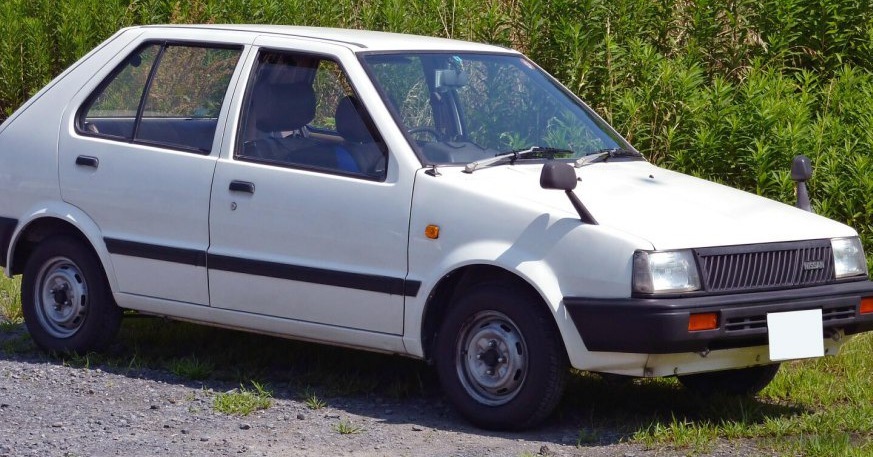
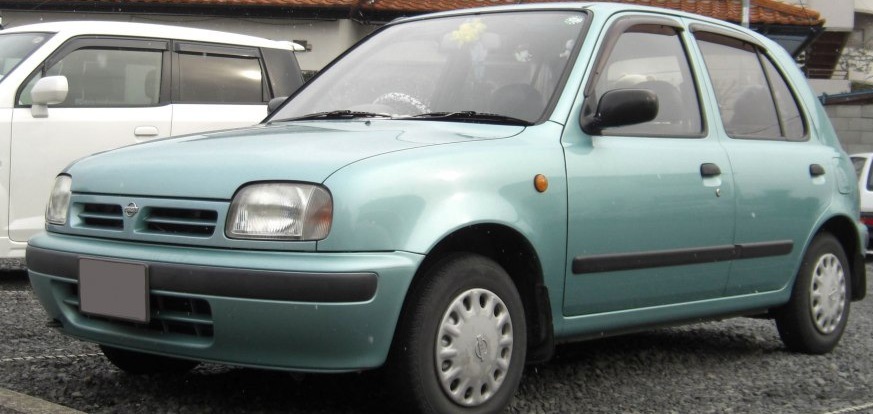
The Nissan March C+C (K12), marketed in some regions as the Nissan Micra Convertible, was a unique offering in the early 2000s – a subcompact convertible. Produced between 2005 and 2010, it represented Nissan’s attempt to capitalize on the growing demand for affordable, fun-to-drive small cars, particularly in the European market. The “C+C” designation stood for “Compact Coupe,” reflecting Nissan’s positioning of the vehicle as a stylish and accessible convertible. This particular variant, the 1.4-liter 16-valve engine producing 88 horsepower, was a key part of the lineup, aimed at buyers seeking a balance between fuel efficiency and reasonable performance. It sat in the mid-range of the K12 offerings, offering more power than the base 1.2L engine but remaining more affordable than potential future, higher-performance trims.
Technical Specifications
| Brand | Nissan |
| Model | March |
| Generation | March C+C (K12) |
| Type (Engine) | 1.4 16V (88 Hp) |
| Start of production | 2005 |
| End of production | 2010 |
| Powertrain Architecture | Internal Combustion engine |
| Body type | Cabriolet |
| Seats | 4 |
| Doors | 2 |
| Fuel consumption (urban) | 8.2 l/100 km (28.7 US mpg) |
| Fuel consumption (extra urban) | 5.6 l/100 km (42 US mpg) |
| Fuel Type | Petrol (Gasoline) |
| Acceleration 0 – 100 km/h | 12.8 sec |
| Acceleration 0 – 62 mph | 12.8 sec |
| Acceleration 0 – 60 mph | 12.2 sec |
| Maximum speed | 176 km/h (109.36 mph) |
| Weight-to-power ratio | 12.9 kg/Hp |
| Weight-to-torque ratio | 8.9 kg/Nm |
| Power | 88 Hp @ 5600 rpm |
| Torque | 128 Nm @ 3200 rpm (94.41 lb.-ft. @ 3200 rpm) |
| Engine layout | Front, Transverse |
| Engine Model/Code | CR14DE |
| Engine displacement | 1386 cm3 (84.58 cu. in.) |
| Number of cylinders | 4 |
| Engine configuration | Inline |
| Cylinder Bore | 73 mm (2.87 in.) |
| Piston Stroke | 82.8 mm (3.26 in.) |
| Compression ratio | 9.9:1 |
| Number of valves per cylinder | 4 |
| Fuel injection system | Multi-port manifold injection |
| Engine aspiration | Naturally aspirated engine |
| Valvetrain | DOHC |
| Kerb Weight | 1135 kg (2502.25 lbs.) |
| Max. weight | 1540 kg (3395.12 lbs.) |
| Max load | 405 kg (892.87 lbs.) |
| Trunk (boot) space – minimum | 255 l (9.01 cu. ft.) |
| Trunk (boot) space – maximum | 457 l (16.14 cu. ft.) |
| Fuel tank capacity | 46 l (12.15 US gal | 10.12 UK gal) |
| Length | 3808 mm (149.92 in.) |
| Width | 1668 mm (65.67 in.) |
| Height | 1441 mm (56.73 in.) |
| Wheelbase | 2432 mm (95.75 in.) |
| Front track | 1460 mm (57.48 in.) |
| Rear (Back) track | 1448 mm (57.01 in.) |
| Drivetrain Architecture | Front wheel drive |
| Number of gears | 5 |
| Gearbox type | Manual transmission |
| Front suspension | Independent coil spring |
| Rear suspension | Independent coil spring |
| Front brakes | Disc |
| Rear brakes | Drum |
| Assisting systems | ABS (Anti-lock braking system) |
| Tires size | 175/60R15 |
Powertrain & Engine Architecture
The heart of this March C+C variant is the CR14DE engine, a 1.4-liter inline-four cylinder gasoline engine. This engine, part of Nissan’s ‘HR’ engine family, featured a double overhead camshaft (DOHC) valvetrain and multi-point fuel injection. The CR14DE was known for its relatively smooth operation and decent fuel economy, though it wasn’t a powerhouse. The 88 horsepower output at 5600 rpm and 94.41 lb-ft of torque at 3200 rpm were adequate for the car’s light weight, but didn’t provide particularly brisk acceleration. The engine’s design prioritized reliability and low emissions, making it a suitable choice for the European market where emissions regulations were becoming increasingly stringent. The five-speed manual transmission was the standard offering, providing a reasonably direct connection between the engine and the front wheels. The transmission’s gear ratios were tuned for fuel efficiency and everyday drivability rather than outright performance.
Driving Characteristics
The 1.4-liter March C+C with a manual transmission offered a surprisingly enjoyable driving experience, especially considering its subcompact size and focus on affordability. While not quick, the car felt nimble and responsive in city driving. The relatively light weight (around 2500 lbs) helped to offset the modest power output. Acceleration from 0-60 mph took around 12.2 seconds, which was competitive for its class at the time. On the highway, the car felt stable enough, but overtaking required careful planning. The five-speed gearbox allowed drivers to keep the engine in its optimal power band, but the lack of a sixth gear meant that engine speeds could be relatively high at cruising speeds. Compared to the base 1.2L engine, the 1.4L offered a noticeable improvement in performance, making it a more suitable choice for drivers who frequently drove on highways or with a full load of passengers.
Equipment & Trim Levels
The 1.4-liter March C+C typically came with a reasonable level of standard equipment. This included power steering, central locking, electric front windows, and an audio system. Safety features such as ABS (Anti-lock Braking System) were also standard. Interior upholstery was typically cloth, with a relatively simple but functional dashboard layout. Optional extras included air conditioning, alloy wheels, and a more advanced audio system. The convertible top was manually operated, which helped to keep the price down. Higher trim levels offered additional features such as leather upholstery and a wind deflector for improved open-top driving comfort.
Chassis & Braking
The March C+C utilized a relatively simple chassis design, with independent coil spring suspension at all four wheels. This provided a comfortable ride quality, although it wasn’t particularly sporty. The front brakes were discs, while the rear brakes were drums – a cost-saving measure common in this segment. The ABS system helped to improve braking performance and stability, especially on slippery surfaces. The car’s relatively narrow tires (175/60R15) contributed to its fuel efficiency but limited its grip in cornering. A stabilizer bar was fitted to the front suspension to reduce body roll.
Market Reception & Comparison
The Nissan March C+C was generally well-received by critics, who praised its affordability, stylish design, and enjoyable driving experience. However, some reviewers criticized its relatively small trunk space (especially with the top down) and its lack of refinement compared to more expensive convertibles. Compared to other small convertibles on the market, such as the Fiat Punto Cabriolet and the Renault Wind, the March C+C offered a competitive price point and a good balance of features. Its fuel economy was also a strong selling point, particularly in Europe where gasoline prices were high. Reliability was generally good, although some owners reported minor issues with the convertible top mechanism.
Legacy
The Nissan March C+C, particularly the 1.4-liter variant, has developed a modest following among enthusiasts. The CR14DE engine is known for its reliability, and the car’s simple construction makes it relatively easy to maintain. In the used car market, the March C+C represents an affordable and fun way to experience open-top motoring. While not a performance car, it offers a charming and practical alternative to more expensive convertibles. The car’s unique styling and relatively rare status have also contributed to its appeal among collectors. Parts availability is generally good, although some specific trim pieces may be difficult to find.