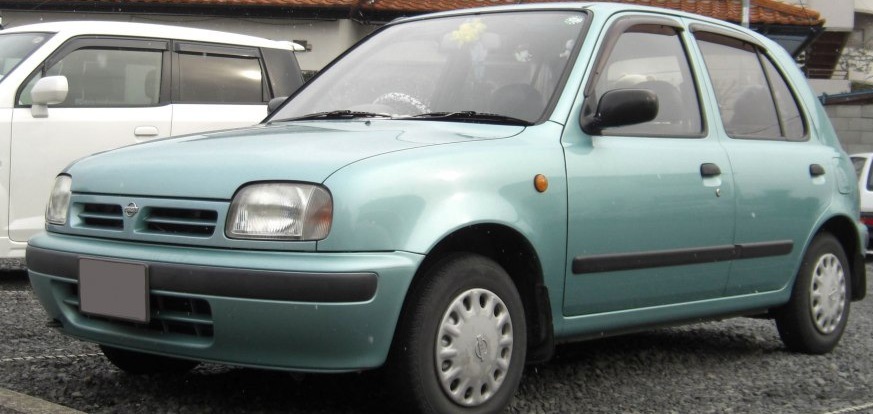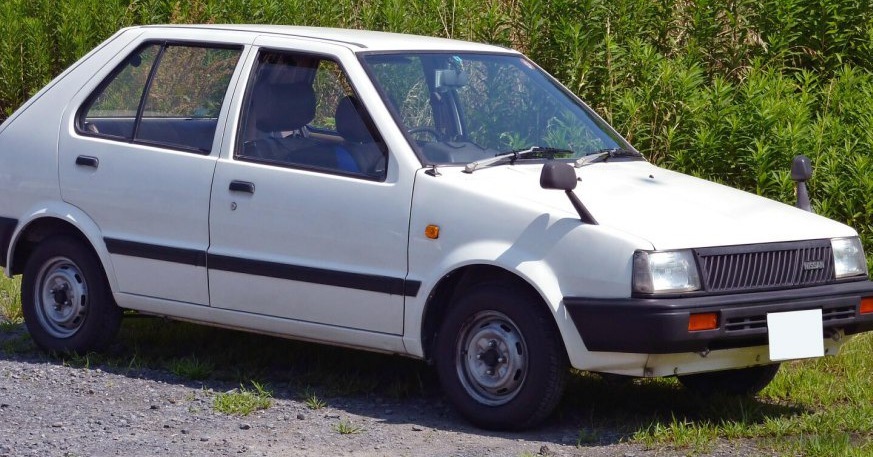
The Nissan March, known as the Micra in many international markets, represented Nissan’s entry into the burgeoning supermini segment in the early 1980s. The K10 series, produced from 1982 to 1989, was a front-wheel-drive hatchback designed to be an economical and practical city car. The 1.0-liter, 54 horsepower variant was a cornerstone of the K10 lineup, particularly in Europe and Japan, offering a balance of affordability and usability. This model aimed to compete with established players like the Fiat Panda, Renault 5, and Ford Fiesta, offering a modern alternative with Nissan’s reputation for reliability. The K10 March was significant as Nissan’s first front-wheel-drive car designed entirely in-house, marking a shift in their engineering approach.
Technical Specifications
| Brand | Nissan |
| Model | March (K10) |
| Generation | March (K10) |
| Type (Engine) | 1.0 (54 Hp) |
| Start of Production | 1982 |
| End of Production | 1989 |
| Powertrain Architecture | Internal Combustion Engine |
| Body Type | Hatchback |
| Fuel Type | Petrol (Gasoline) |
| Power | 54 Hp |
| Engine Aspiration | Naturally Aspirated |
| Engine Displacement | 988 cc |
| Transmission | 4-speed Manual or 3-speed Automatic |
| Weight | 740 – 780 kg (depending on trim) |
| Top Speed | Approximately 93 mph (150 km/h) |
| Fuel Economy (Combined) | 45-50 mpg (depending on transmission and driving conditions) |
Powertrain & Engine Architecture
The heart of the K10 March 1.0 was the E10A engine, a 988cc inline-three cylinder, naturally aspirated gasoline engine. This engine utilized a single overhead camshaft (SOHC) and two valves per cylinder. Fuel delivery was managed by a carburetor, a common feature for vehicles of this era, prioritizing simplicity and cost-effectiveness over the more advanced fuel injection systems. The engine’s relatively small displacement and simple design contributed to its fuel efficiency, a key selling point for the March. The 54 horsepower output was achieved at 6000 rpm, with a torque figure of around 62 lb-ft at 3600 rpm. Nissan offered both a four-speed manual transmission and a three-speed automatic transmission with this engine. The automatic, while providing convenience, was known to slightly diminish fuel economy and acceleration compared to the manual version. The engine block was cast iron, providing durability, while the cylinder head was aluminum, helping to reduce overall weight.
Driving Characteristics
The 1.0-liter March was never intended to be a performance car. Its driving experience was characterized by its light steering, nimble handling, and adequate, if not exhilarating, acceleration. The four-speed manual transmission allowed drivers to make the most of the engine’s limited power, while the three-speed automatic provided smooth, albeit slower, gear changes. In real-world conditions, the March 1.0 felt most comfortable in urban environments, where its small size and easy maneuverability were significant advantages. Highway driving required more planning, as overtaking maneuvers needed careful consideration. Compared to later, more powerful versions of the March (such as those with 1.2 or 1.3-liter engines), the 1.0 felt noticeably slower, particularly when fully loaded with passengers or cargo. The gear ratios in the manual transmission were relatively short, helping to keep the engine in its power band, while the automatic’s ratios were spaced further apart, resulting in a less responsive feel.
Equipment & Trim Levels
The K10 March 1.0 was typically offered in fairly basic trim levels, reflecting its position as an entry-level vehicle. Standard equipment generally included cloth upholstery, a basic instrument cluster, and manually operated windows and door locks. Higher trim levels, often denoted by names like “LX” or “GL,” added features such as a rear window wiper, a more comfortable driver’s seat, and upgraded interior trim. Optional extras included a sunroof, central locking, and a radio/cassette player. Interior space was surprisingly good for a car of its size, with a relatively spacious cabin and a practical hatchback design that allowed for easy loading of luggage or groceries. The dashboard layout was functional and straightforward, prioritizing ease of use over aesthetic appeal.
Chassis & Braking
The K10 March featured a MacPherson strut front suspension and a torsion beam rear suspension. This setup provided a comfortable ride quality, particularly on smooth roads, while also maintaining reasonable handling characteristics. The front brakes were disc brakes, providing adequate stopping power, while the rear brakes were typically drum brakes, a cost-saving measure common in this class of vehicle. Steering was rack and pinion, contributing to the car’s light and responsive feel. Stabilizer bars were not standard on all models, and their presence could noticeably improve handling stability. The relatively lightweight construction of the K10 March helped to minimize braking distances and enhance overall agility.
Market Reception & Comparison
The Nissan March 1.0 was generally well-received by critics and consumers alike. It was praised for its fuel efficiency, reliability, and practicality. However, some reviewers noted its lack of power and relatively basic interior. Compared to other superminis of the time, the March 1.0 offered a competitive package, particularly in terms of fuel economy and overall running costs. The Fiat Panda was often seen as a more utilitarian alternative, while the Renault 5 offered a slightly more sporty driving experience. The Ford Fiesta, a popular choice in Europe, was generally considered to be more refined but also more expensive. The automatic transmission version of the March 1.0, while convenient, was often criticized for its sluggish performance and lower fuel economy compared to the manual version.
Legacy
The K10 Nissan March proved to be a reliable and durable vehicle, with many examples still on the road today. The E10A engine is known for its longevity and relatively simple maintenance requirements. While not a particularly collectible car, the K10 March holds a nostalgic appeal for many drivers who remember it as a practical and affordable city car. In the used car market, these vehicles are typically inexpensive to purchase and maintain, making them a popular choice for first-time drivers or those seeking a basic and economical mode of transportation. The K10 March laid the foundation for subsequent generations of the Micra/March, establishing Nissan as a key player in the supermini segment. Its success demonstrated the demand for small, fuel-efficient, and reliable cars, a trend that continues to shape the automotive industry today.