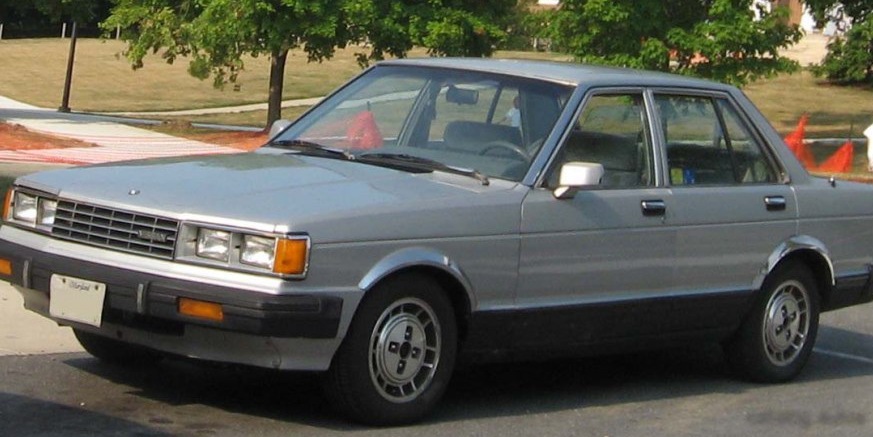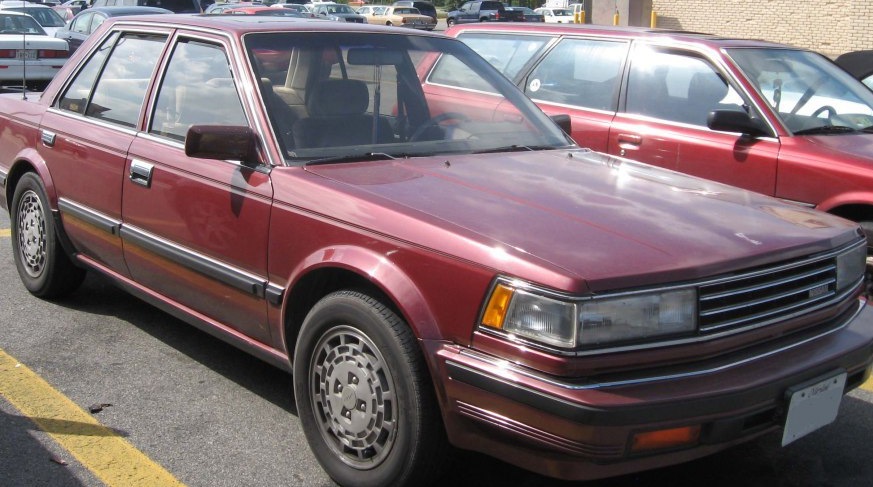
The Nissan Maxima II (PU11), produced between 1984 and 1988, represented a significant step forward for Nissan in the mid-size sedan segment. Building upon the success of the original Maxima (Datsun 810), the PU11 offered a more modern design, improved performance, and a greater emphasis on luxury features. This generation was crucial in establishing the Maxima’s reputation as a sporty and refined family car, particularly in the North American market where it was heavily marketed. The 3.0 V6 variant, producing 157 horsepower, occupied a prominent position in the lineup, offering a balance of power and efficiency that appealed to a broad range of buyers. It was positioned as the premium engine option, sitting above the smaller four-cylinder offerings.
Technical Specifications
| Brand | Nissan |
| Model | Maxima |
| Generation | Maxima II (PU11) |
| Type (Engine) | 3.0 V6 (157 Hp) |
| Start of production | 1984 |
| End of production | 1988 |
| Powertrain Architecture | Internal Combustion engine |
| Body type | Sedan |
| Seats | 5 |
| Doors | 4 |
| Fuel Type | Petrol (Gasoline) |
| Weight-to-power ratio | 9 kg/Hp, 111 Hp/tonne |
| Weight-to-torque ratio | 5.7 kg/Nm, 175.3 Nm/tonne |
| Power | 157 Hp @ 5200 rpm |
| Power per litre | 53 Hp/l |
| Torque | 248 Nm @ 3200 rpm (182.92 lb.-ft. @ 3200 rpm) |
| Engine layout | Front, Longitudinal |
| Engine displacement | 2960 cm3 (180.63 cu. in.) |
| Number of cylinders | 6 |
| Engine configuration | V-engine |
| Cylinder Bore | 87 mm (3.43 in.) |
| Piston Stroke | 83 mm (3.27 in.) |
| Compression ratio | 9:1 |
| Number of valves per cylinder | 2 |
| Fuel injection system | Multi-port manifold injection |
| Engine aspiration | Naturally aspirated engine |
| Valvetrain | SOHC |
| Kerb Weight | 1415 kg (3119.54 lbs.) |
| Fuel tank capacity | 60 l (15.85 US gal | 13.2 UK gal) |
| Length | 4610 mm (181.5 in.) |
| Width | 1689 mm (66.5 in.) |
| Height | 1389 mm (54.69 in.) |
| Wheelbase | 2550 mm (100.39 in.) |
| Front track | 1461 mm (57.52 in.) |
| Rear (Back) track | 1461 mm (57.52 in.) |
| Ride height (ground clearance) | 155 mm (6.1 in.) |
| Drag coefficient (Cd) | 0.39 |
| Drivetrain Architecture | The Internal combustion engine (ICE) drives the front wheels of the vehicle. |
| Drive wheel | Front wheel drive |
| Number of gears and type of gearbox | 5 gears, manual transmission |
| Front brakes | Ventilated discs |
| Rear brakes | Disc |
| Tires size | 195/60 R15 |
| Wheel rims size | 15 |
Powertrain & Engine Architecture
The heart of the Maxima II 3.0 V6 was the VG30E engine, a 2.96-liter (180.63 cubic inch) naturally aspirated V6. This engine featured a single overhead camshaft (SOHC) valvetrain with two valves per cylinder. The VG30E utilized multi-port fuel injection, a relatively advanced system for its time, contributing to improved fuel efficiency and smoother power delivery. The engine’s 9:1 compression ratio was a compromise between performance and the fuel quality available in the target markets. The longitudinal engine layout, coupled with front-wheel drive, was a key characteristic of the PU11 platform. The five-speed manual transmission was the standard offering, providing drivers with direct control over the engine’s power. The engine was known for its relatively smooth operation and decent power output for its displacement.
Driving Characteristics
The 157 horsepower and 182.92 lb-ft of torque provided by the VG30E engine gave the Maxima II a respectable level of performance for the mid-size sedan class in the 1980s. While not a sports car, the Maxima II offered brisk acceleration and comfortable highway cruising. The five-speed manual transmission allowed drivers to fully exploit the engine’s powerband, while the gear ratios were tuned for a balance of acceleration and fuel economy. Compared to the four-cylinder Maxima variants, the V6 offered significantly more power and torque, resulting in a more confident driving experience, especially when fully loaded or tackling inclines. The front-wheel drive configuration provided good traction in most conditions, although torque steer could be noticeable under hard acceleration.
Equipment & Trim Levels
The 3.0 V6 Maxima II typically came well-equipped, reflecting its position as the premium trim level. Standard features often included power steering, power brakes, cloth upholstery, and an AM/FM stereo. Optional extras could include air conditioning, a sunroof, upgraded sound systems, and power windows and locks. Interior appointments were generally comfortable and functional, with a focus on providing a pleasant driving environment. The dashboard layout was straightforward and easy to use, with clearly marked gauges and controls. The exterior styling was relatively conservative for the era, but the Maxima II featured a sleek and aerodynamic profile.
Chassis & Braking
The Maxima II utilized a MacPherson strut front suspension and a semi-independent torsion beam rear suspension. This setup provided a good balance of ride comfort and handling. The front suspension featured a stabilizer bar to reduce body roll during cornering. Braking duties were handled by ventilated discs at the front and solid discs at the rear, providing adequate stopping power for the vehicle’s weight and performance. The 195/60 R15 tires offered a reasonable level of grip in various conditions. The chassis was designed to provide a stable and predictable driving experience, prioritizing comfort and refinement over outright sportiness.
Market Reception & Comparison
The Nissan Maxima II 3.0 V6 was generally well-received by automotive critics and consumers alike. It was praised for its smooth engine, comfortable ride, and spacious interior. Compared to its competitors, such as the Honda Accord and Toyota Camry, the Maxima II offered a more distinctive styling and a more powerful engine option. However, some critics noted that the Maxima II’s handling was not as sharp as some of its rivals. Fuel economy was considered average for the class. The V6 variant was often seen as a more desirable option than the four-cylinder models, offering a significant performance upgrade for a relatively modest price increase.
Legacy
The Nissan Maxima II (PU11) played a crucial role in establishing the Maxima as a popular and respected mid-size sedan. The VG30E engine proved to be a reliable and durable powerplant, with many examples still on the road today. While not known for being particularly complex, regular maintenance is key to keeping these engines running smoothly. The PU11 generation is now considered a classic car, and well-maintained examples are sought after by enthusiasts. The Maxima II’s blend of comfort, performance, and reliability helped to solidify Nissan’s position in the North American automotive market and paved the way for future generations of the Maxima.