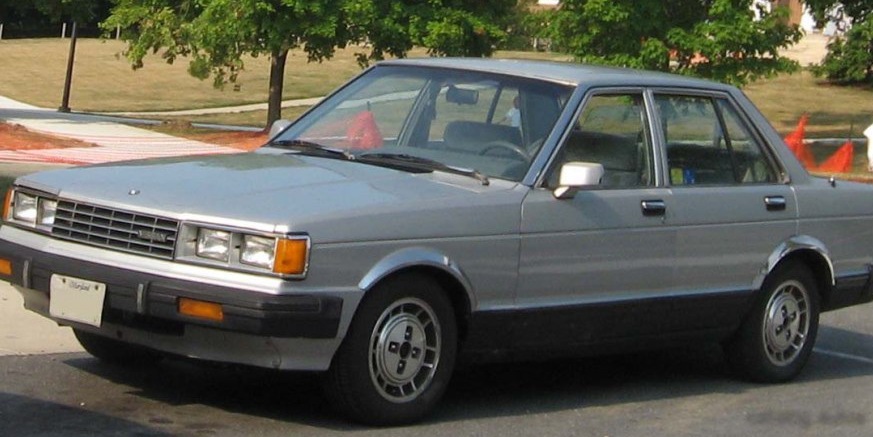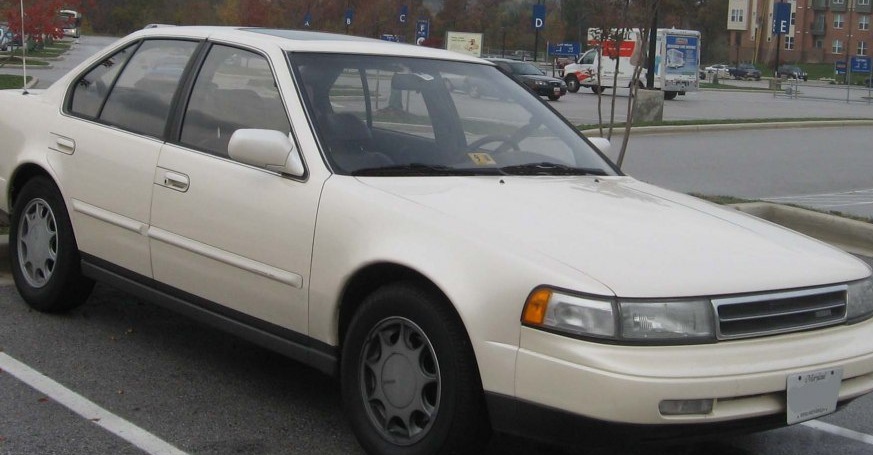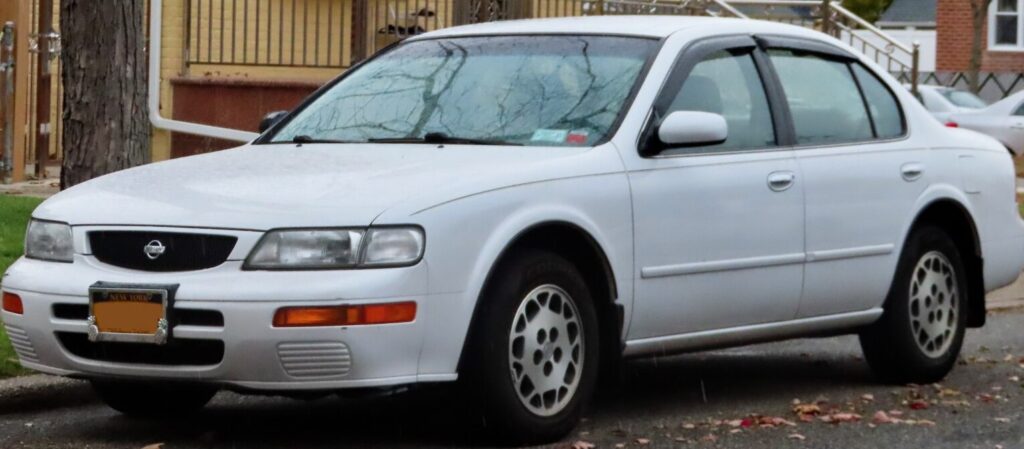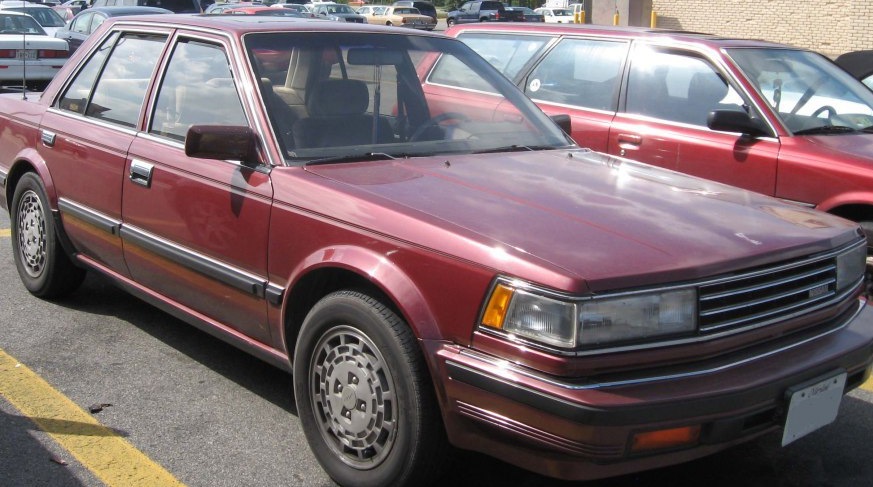
The Nissan Maxima II (PU11), produced between 1984 and 1988, represented a significant step forward for Nissan in the mid-size sedan segment. Building upon the success of the original Maxima (Datsun 810), the PU11 aimed to offer a more refined and technologically advanced package, particularly for the North American market where it was a key model in Nissan’s lineup. The 3.0-liter V6 engine paired with an automatic transmission was a mid-range offering within the PU11 series, positioned between the base 2.4-liter four-cylinder and the later, more performance-oriented turbocharged variants. This configuration sought to balance performance with comfort and convenience, appealing to buyers prioritizing a smooth driving experience.
Technical Specifications
| Brand | Nissan |
| Model | Maxima |
| Generation | Maxima II (PU11) |
| Type (Engine) | 3.0 V6 (157 Hp) Automatic |
| Start of production | 1984 |
| End of production | 1988 |
| Powertrain Architecture | Internal Combustion engine |
| Body type | Sedan |
| Seats | 5 |
| Doors | 4 |
| Fuel Type | Petrol (Gasoline) |
| Weight-to-power ratio | 9 kg/Hp, 111 Hp/tonne |
| Weight-to-torque ratio | 5.7 kg/Nm, 175.3 Nm/tonne |
| Power | 157 Hp @ 5200 rpm |
| Power per litre | 53 Hp/l |
| Torque | 248 Nm @ 3200 rpm, 182.92 lb.-ft. @ 3200 rpm |
| Engine layout | Front, Longitudinal |
| Engine displacement | 2960 cm3, 180.63 cu. in. |
| Number of cylinders | 6 |
| Engine configuration | V-engine |
| Cylinder Bore | 87 mm, 3.43 in. |
| Piston Stroke | 83 mm, 3.27 in. |
| Compression ratio | 9:1 |
| Number of valves per cylinder | 2 |
| Fuel injection system | Multi-port manifold injection |
| Engine aspiration | Naturally aspirated engine |
| Valvetrain | SOHC |
| Kerb Weight | 1415 kg, 3119.54 lbs |
| Fuel tank capacity | 60 l, 15.85 US gal | 13.2 UK gal |
| Length | 4610 mm, 181.5 in |
| Width | 1689 mm, 66.5 in |
| Height | 1389 mm, 54.69 in |
| Wheelbase | 2550 mm, 100.39 in |
| Front track | 1461 mm, 57.52 in |
| Rear (Back) track | 1461 mm, 57.52 in |
| Ride height (ground clearance) | 155 mm, 6.1 in |
| Drag coefficient (Cd) | 0.39 |
| Drivetrain Architecture | The Internal combustion engine (ICE) drives the front wheels of the vehicle. |
| Drive wheel | Front wheel drive |
| Number of gears and type of gearbox | 4 gears, automatic transmission |
| Front brakes | Ventilated discs |
| Rear brakes | Disc |
| Tires size | 195/60 R15 |
| Wheel rims size | 15 |
Powertrain & Engine Architecture
The heart of this Maxima variant is the VG30E 3.0-liter V6 engine. This engine, a member of Nissan’s venerable VG series, featured a 90-degree V-angle, contributing to its smooth operation. The VG30E utilized a single overhead camshaft (SOHC) design for each cylinder bank, operating two valves per cylinder. Fuel delivery was managed by a multi-port fuel injection system, improving efficiency and throttle response compared to earlier carbureted designs. The engine produced 157 horsepower at 5200 rpm and 248 Nm (182.92 lb-ft) of torque at 3200 rpm. This power was delivered to the front wheels through a four-speed automatic transmission. The transmission, while providing convenience, was a conventional hydraulic automatic, lacking the electronic controls found in some contemporary transmissions.
Driving Characteristics
The 3.0-liter V6 with the automatic transmission offered a comfortable and refined driving experience. Acceleration was adequate for everyday driving, but noticeably slower than the manual transmission versions or the later turbocharged models. The automatic transmission’s gear ratios were geared towards fuel economy and smooth cruising rather than outright performance. While the engine had sufficient torque for passing maneuvers, the automatic transmission sometimes hesitated, requiring a deliberate kickdown. Compared to the manual transmission, the automatic version felt less engaging and responsive. The front-wheel-drive configuration provided predictable handling, but lacked the balance of a rear-wheel-drive setup.
Equipment & Trim Levels
The 3.0 V6 Automatic Maxima II typically came equipped with a reasonable level of standard features for its time. These included power steering, power brakes, air conditioning, and a basic AM/FM stereo. Interior upholstery was typically cloth, with options for upgraded velour or leather available. The dashboard featured a straightforward layout with analog gauges for speed, tachometer, fuel level, and coolant temperature. Optional extras included a sunroof, upgraded sound system, and cruise control. The trim level sat in the middle of the Maxima range, offering more features than the base four-cylinder model but lacking the sporty enhancements of the turbocharged versions.
Chassis & Braking
The PU11 Maxima utilized a front independent suspension with MacPherson struts and a multi-link rear suspension. This setup provided a comfortable ride, absorbing bumps and irregularities in the road surface effectively. The front brakes were ventilated discs, offering good stopping power, while the rear brakes were solid discs. The 195/60 R15 tires provided adequate grip for most driving conditions. Stabilizer bars were fitted to both the front and rear suspension, helping to reduce body roll during cornering. The chassis was relatively lightweight for its size, contributing to its nimble handling characteristics.
Market Reception & Comparison
The 3.0 V6 Automatic Maxima II was generally well-received by automotive critics. It was praised for its smooth engine, comfortable ride, and spacious interior. However, some critics noted that the automatic transmission detracted from the engine’s performance potential. Compared to the four-cylinder Maxima, the V6 offered a significant improvement in power and refinement. Compared to the turbocharged models, it lacked the same level of excitement but offered better fuel economy and lower maintenance costs. Fuel economy was respectable for the time, averaging around 18-22 mpg in mixed driving. Reliability was generally good, although the automatic transmission could be prone to issues if not properly maintained.
Legacy
The Nissan Maxima II 3.0 V6 Automatic holds a respectable place in the history of the Maxima line. While not the most sought-after variant today, it represents a well-rounded and reliable option for those seeking a comfortable and practical mid-size sedan from the 1980s. The VG30E engine is known for its durability and relatively simple maintenance requirements. In the used car market, these Maximas are often found in reasonable condition, making them an affordable entry point into classic Japanese motoring. Parts availability is generally good, although some specific trim pieces may be difficult to find. The PU11 Maxima, particularly the 3.0 V6 Automatic, remains a testament to Nissan’s commitment to building quality and reliable vehicles.