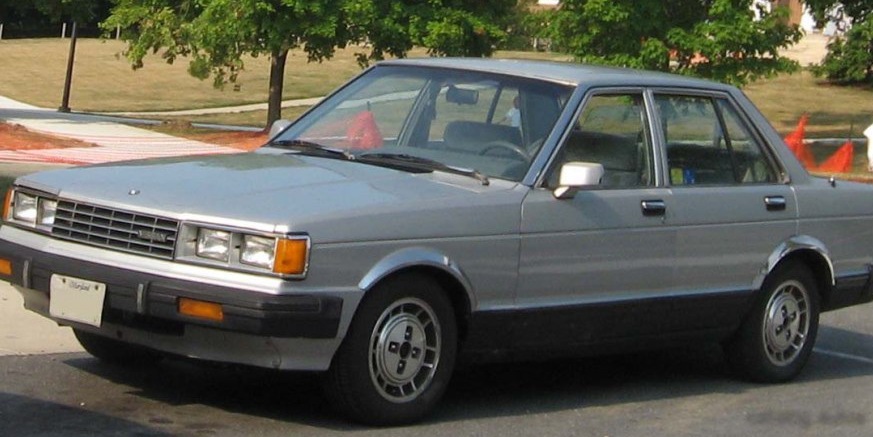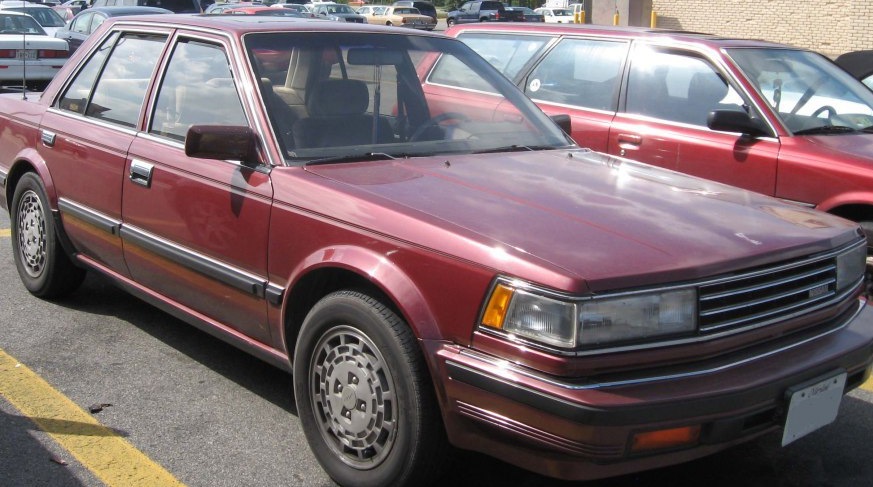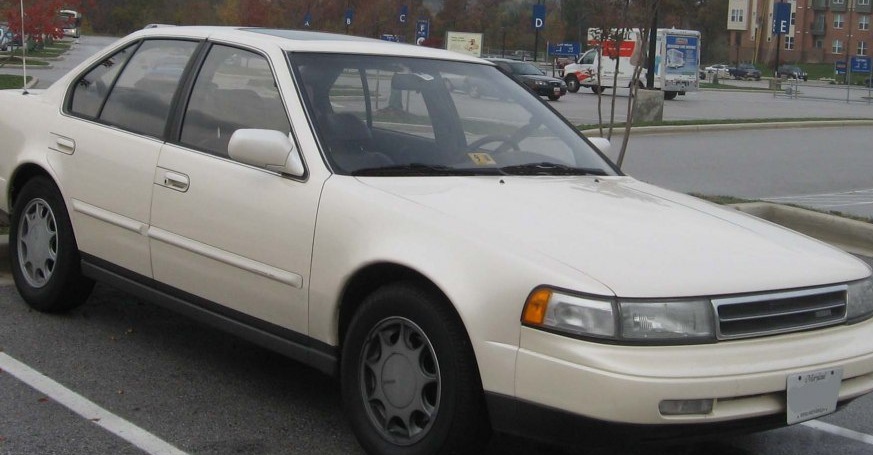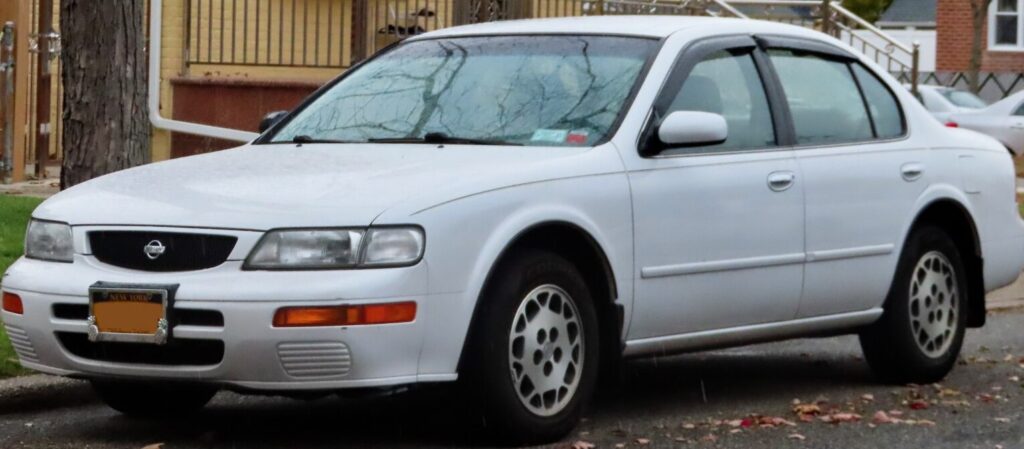
The Nissan Maxima QX IV (A32), specifically the 3.0-liter variant producing 193 horsepower, represented a significant evolution for Nissan’s flagship sedan. Produced from 1995 to 2000, this generation Maxima aimed to blend sporty handling with refined comfort, targeting a growing segment of American buyers seeking an alternative to European luxury brands. The A32 Maxima was a key model for Nissan in the North American market, building on the success of previous generations and establishing a reputation for reliability and value. This particular 3.0L engine configuration occupied a mid-to-upper position in the A32 lineup, offering a substantial performance upgrade over the base 2.0L models while remaining more accessible than potential future performance trims.
Technical Specifications
| Brand | Nissan |
| Model | Maxima |
| Generation | Maxima QX IV (A32) |
| Type (Engine) | 3.0 (193 Hp) |
| Start of production | 1995 |
| End of production | 2000 |
| Powertrain Architecture | Internal Combustion engine |
| Body type | Sedan |
| Seats | 5 |
| Doors | 4 |
| Fuel consumption (urban) | 12.1 l/100 km (19.4 US mpg) |
| Fuel consumption (extra urban) | 7.4 l/100 km (31.8 US mpg) |
| Fuel consumption (combined) | 9.4 l/100 km (25 US mpg) |
| Fuel Type | Petrol (Gasoline) |
| Acceleration 0 – 100 km/h | 8.3 sec |
| Acceleration 0 – 62 mph | 8.3 sec |
| Acceleration 0 – 60 mph | 7.9 sec |
| Maximum speed | 230 km/h (142.92 mph) |
| Weight-to-power ratio | 7.6 kg/Hp |
| Weight-to-torque ratio | 5.8 kg/Nm |
| Power | 193 Hp @ 6400 rpm |
| Torque | 255 Nm @ 4000 rpm (188.08 lb.-ft. @ 4000 rpm) |
| Engine layout | Front, Transverse |
| Engine displacement | 2988 cm3 (182.34 cu. in.) |
| Number of cylinders | 6 |
| Engine configuration | V-engine |
| Cylinder Bore | 93 mm (3.66 in.) |
| Piston Stroke | 73.3 mm (2.89 in.) |
| Compression ratio | 10:1 |
| Number of valves per cylinder | 4 |
| Fuel injection system | Multi-port manifold injection |
| Engine aspiration | Naturally aspirated engine |
| Valvetrain | DOHC |
| Kerb Weight | 1468 kg (3236.39 lbs.) |
| Max. weight | 2005 kg (4420.27 lbs.) |
| Max load | 537 kg (1183.88 lbs.) |
| Trunk (boot) space | 440 l (15.54 cu. ft.) |
| Fuel tank capacity | 70 l (18.49 US gal) |
| Length | 4770 mm (187.8 in.) |
| Width | 1770 mm (69.69 in.) |
| Height | 1415 mm (55.71 in.) |
| Wheelbase | 2700 mm (106.3 in.) |
| Front track | 1520 mm (59.84 in.) |
| Rear track | 1500 mm (59.06 in.) |
| Drivetrain Architecture | Front wheel drive |
| Number of gears | 5 |
| Gearbox type | Manual transmission |
| Front suspension | Independent type McPherson |
| Rear suspension | Coil spring |
| Front brakes | Ventilated discs |
| Rear brakes | Disc |
| Assisting systems | ABS (Anti-lock braking system) |
| Steering type | Steering rack and pinion |
| Power steering | Hydraulic Steering |
| Tires size | 205/65 R15 |
Powertrain & Engine Architecture
The heart of the 1995-2000 Maxima 3.0 was the VG30E engine, a 3.0-liter, naturally aspirated V6. This engine utilized a 60-degree V-angle, contributing to a smoother power delivery and reduced vibrations. The VG30E featured multi-port fuel injection, a double overhead camshaft (DOHC) valvetrain, and four valves per cylinder. This configuration allowed for efficient combustion and a respectable power output for its time. The engine’s 193 horsepower and 255 lb-ft of torque were considered competitive within its class. The A32 Maxima was primarily offered with a 5-speed manual transmission, but a 4-speed automatic transmission was also available, and this is the configuration we are focusing on. The automatic transmission was designed for smooth shifts and ease of use, appealing to a broader range of drivers.
Driving Characteristics
The 3.0L Maxima with the automatic transmission offered a comfortable and capable driving experience. While not as overtly sporty as the manual transmission version, the automatic provided smooth acceleration and effortless cruising. The automatic’s gear ratios were tuned for a balance between fuel efficiency and responsiveness. Acceleration from 0-60 mph was achieved in approximately 7.9 seconds, which was respectable for a front-wheel-drive sedan of that era. The automatic transmission did slightly diminish the overall performance feel compared to the manual, but it made the Maxima more accessible and user-friendly for daily driving. The front-wheel-drive layout provided good traction in most conditions, although torque steer could be noticeable under hard acceleration.
Equipment & Trim Levels
The 3.0-liter Maxima typically came well-equipped, positioning it as a premium offering within the Maxima range. Standard features generally included air conditioning, power windows and locks, a CD player, and cruise control. Higher trim levels added features such as leather upholstery, a sunroof, upgraded audio systems (often Bose), and alloy wheels. Interior materials were generally of good quality, and the cabin offered a comfortable and spacious environment for both driver and passengers. Optional extras included a navigation system (a relatively new feature at the time) and heated seats.
Chassis & Braking
The A32 Maxima utilized an independent McPherson strut suspension in the front and a coil spring suspension in the rear. This setup provided a good balance between ride comfort and handling. The suspension was tuned to prioritize comfort, but it still offered reasonably controlled body roll during cornering. Braking duties were handled by ventilated discs in the front and solid discs in the rear. Anti-lock brakes (ABS) were standard, enhancing safety and control during emergency braking situations. The steering was rack-and-pinion with hydraulic power assist, providing precise and responsive steering feel.
Market Reception & Comparison
The A32 Maxima 3.0 was generally well-received by automotive critics. It was praised for its comfortable ride, spacious interior, and strong engine performance. However, some critics noted that the styling was somewhat conservative compared to some of its competitors. Compared to other trims in the Maxima lineup, the 3.0L automatic offered a significant performance upgrade over the base 2.0L models, but it was slightly less engaging to drive than the 5-speed manual version. Fuel economy was reasonable for a V6 sedan of its size, averaging around 25 mpg in combined driving. Reliability was generally good, although some owners reported minor issues with the automatic transmission over the long term.
Legacy
The Nissan Maxima A32 3.0L remains a popular choice among enthusiasts and used car buyers. The VG30E engine is known for its durability and relatively simple maintenance requirements. While finding well-maintained examples can be challenging, these Maximas offer a compelling combination of comfort, performance, and value. The A32 generation solidified the Maxima’s reputation as a reliable and well-rounded sedan, and it continues to be appreciated for its classic styling and enjoyable driving experience. Parts availability is generally good, and the Maxima benefits from a strong aftermarket support network. Today, these cars represent a piece of automotive history, offering a glimpse into a time when sedans prioritized both comfort and performance.