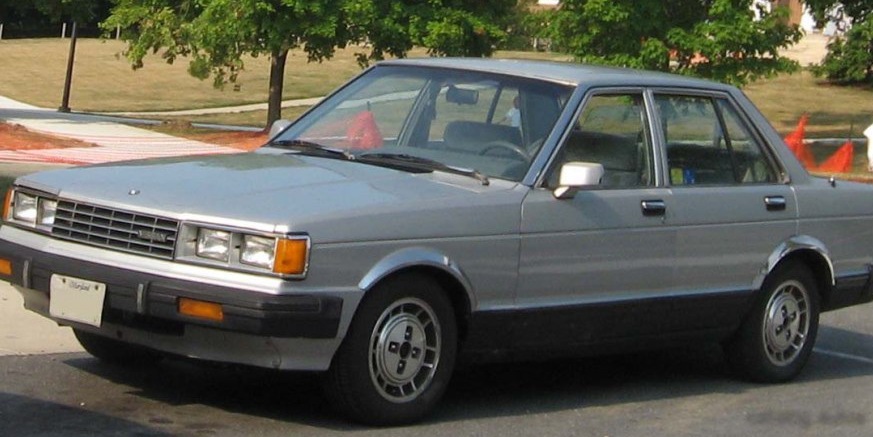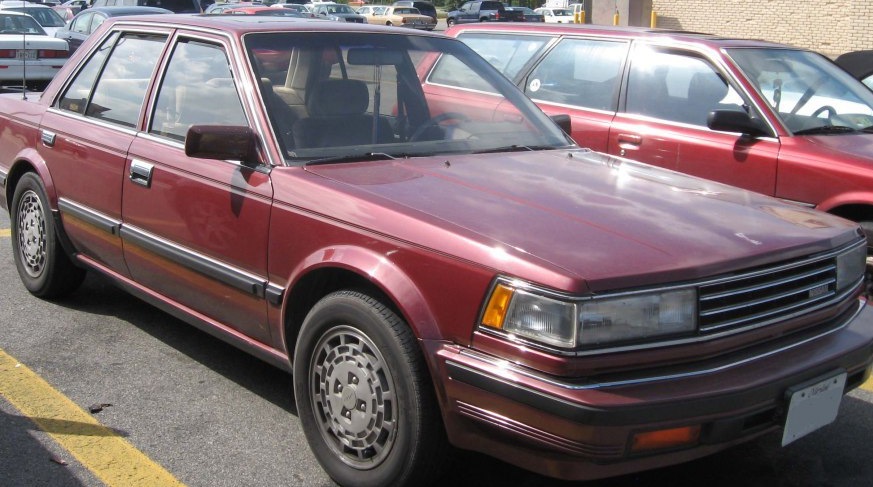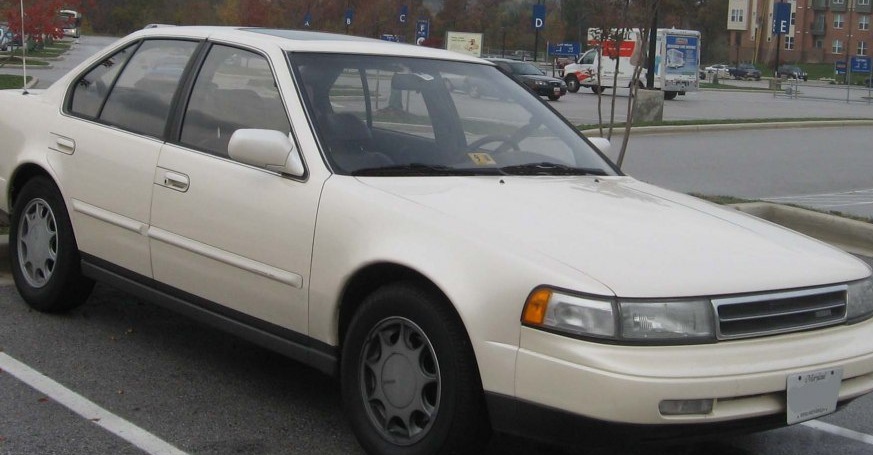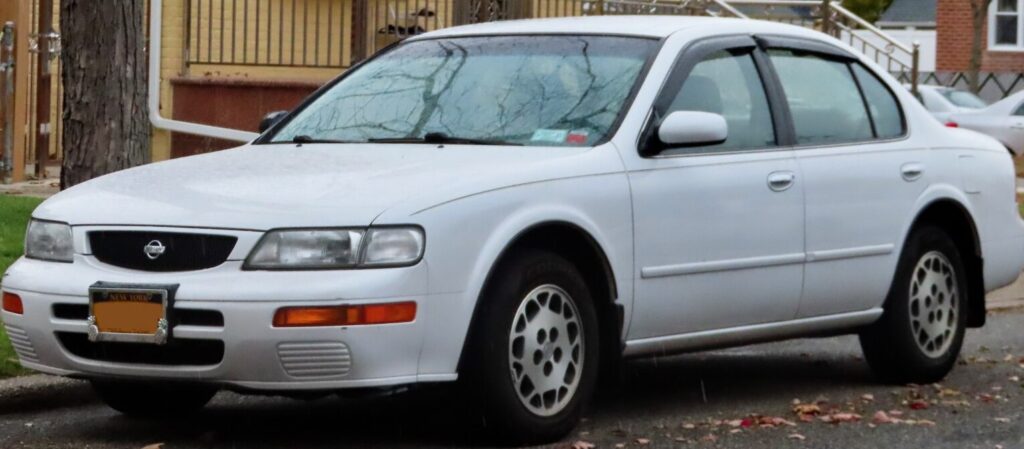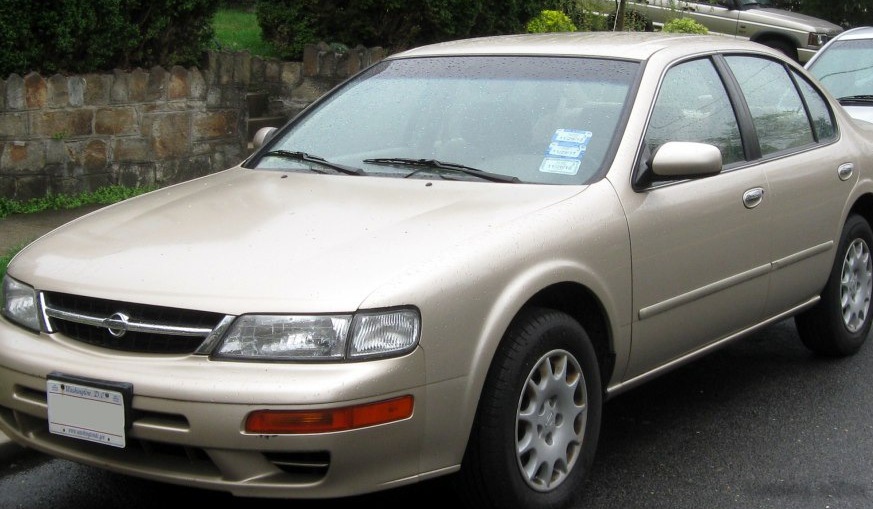
The Nissan Maxima QX IV, specifically the 2.0-liter (140 hp) automatic variant produced from 1997 to 2000, represented a key offering in Nissan’s mid-size sedan lineup. This iteration, part of the A32 chassis series which received a facelift in 1997, was primarily aimed at the European and Asian markets, offering a balance of comfort, practicality, and reasonable performance. In the United States, the Maxima was already well-established as a sporty and reliable sedan, and this 2.0L version provided a more economical entry point into the range, though it wasn’t widely available in North America. It occupied a position below the more powerful 3.0-liter V6 models, targeting buyers prioritizing fuel efficiency and a smoother driving experience over outright speed.
Technical Specifications
| Brand | Nissan |
| Model | Maxima |
| Generation | Maxima QX IV (A32, facelift 1997) |
| Type (Engine) | 2.0 (140 Hp) Automatic |
| Start of production | 1997 |
| End of production | 2000 |
| Powertrain Architecture | Internal Combustion engine |
| Body type | Sedan |
| Seats | 5 |
| Doors | 4 |
| Fuel consumption (urban) | 12.1 l/100 km (19.4 US mpg) |
| Fuel consumption (extra urban) | 7.2 l/100 km (32.7 US mpg) |
| Fuel consumption (combined) | 9.2 l/100 km (25.6 US mpg) |
| Fuel Type | Petrol (Gasoline) |
| Acceleration 0 – 100 km/h | 11.3 sec |
| Acceleration 0 – 62 mph | 11.3 sec |
| Acceleration 0 – 60 mph | 10.7 sec |
| Maximum speed | 201 km/h (124.9 mph) |
| Weight-to-power ratio | 10.3 kg/Hp |
| Weight-to-torque ratio | 8.1 kg/Nm |
| Power | 140 Hp @ 6400 rpm |
| Torque | 177 Nm @ 4400 rpm (130.55 lb.-ft. @ 4400 rpm) |
| Engine layout | Front, Transverse |
| Engine displacement | 1995 cm3 (121.74 cu. in.) |
| Number of cylinders | 6 |
| Engine configuration | V-engine |
| Cylinder Bore | 76 mm (2.99 in.) |
| Piston Stroke | 73.3 mm (2.89 in.) |
| Compression ratio | 9.5:1 |
| Number of valves per cylinder | 4 |
| Fuel injection system | Multi-port manifold injection |
| Engine aspiration | Naturally aspirated engine |
| Valvetrain | DOHC |
| Kerb Weight | 1440 kg (3174.66 lbs.) |
| Trunk (boot) space | 440 l (15.54 cu. ft.) |
| Fuel tank capacity | 70 l (18.49 US gal | 15.4 UK gal) |
| Length | 4800 mm (188.98 in.) |
| Width | 1770 mm (69.69 in.) |
| Height | 1450 mm (57.09 in.) |
| Wheelbase | 2700 mm (106.3 in.) |
| Front track | 1520 mm (59.84 in.) |
| Rear track | 1500 mm (59.06 in.) |
| Drivetrain Architecture | Front wheel drive |
| Number of gears | 4 |
| Gearbox type | Automatic transmission |
| Front suspension | Wishbone |
| Rear suspension | Spring Strut |
| Front brakes | Ventilated discs |
| Rear brakes | Disc |
| Assisting systems | ABS (Anti-lock braking system) |
| Steering type | Steering rack and pinion |
| Power steering | Hydraulic Steering |
| Tires size | 195/65 R15 |
| Wheel rims size | 15 |
Powertrain & Engine Architecture
The heart of this Maxima variant was the 1.995-liter (2.0L) inline-six cylinder engine, designated as the SR20DE. This engine, a member of Nissan’s SR series, was known for its relatively smooth operation and decent reliability. It featured a double overhead camshaft (DOHC) valvetrain with four valves per cylinder, and a multi-port fuel injection system. The 9.5:1 compression ratio contributed to its 140 horsepower output at 6400 rpm and 177 Nm (130.55 lb-ft) of torque at 4400 rpm. The engine was transversely mounted in the front of the vehicle. The automatic transmission was a four-speed unit, designed to provide comfortable and convenient shifting. While not particularly sporty, it was well-suited to the engine’s characteristics and the intended market for this trim level.
Driving Characteristics
The 2.0-liter automatic Maxima offered a comfortable and refined driving experience. Acceleration was adequate for everyday driving, with a 0-60 mph time of around 10.7 seconds. However, it was noticeably slower than the V6-powered models. The automatic transmission, while smooth, lacked the responsiveness of a manual gearbox, and the gear ratios were optimized for fuel economy rather than performance. The engine felt somewhat strained when pushed hard, and lacked the punch of the larger displacement V6. The focus was on providing a relaxed and easy-to-drive experience, making it well-suited for commuting and long journeys.
Equipment & Trim Levels
The 2.0-liter automatic Maxima typically came with a reasonable level of standard equipment. This included power windows, power locks, air conditioning, and an AM/FM radio. Higher trim levels, often denoted by additional badging, could add features such as alloy wheels, a sunroof, upgraded upholstery, and a more sophisticated audio system. Interior upholstery was typically cloth, though leather options were available. The dashboard layout was functional and straightforward, with easy-to-read gauges and well-placed controls. Optional extras often included a CD player and cruise control.
Chassis & Braking
The Maxima QX IV featured an independent front suspension with wishbone configuration, providing a comfortable ride and decent handling. The rear suspension utilized a spring strut setup. Braking duties were handled by ventilated discs at the front and solid discs at the rear. Anti-lock Braking System (ABS) was standard, enhancing safety. The steering was rack and pinion with hydraulic power assistance, offering a reasonable level of feel and responsiveness. The 195/65 R15 tires provided adequate grip for everyday driving conditions.
Market Reception & Comparison
The 2.0-liter automatic Maxima was generally well-received as a practical and affordable option within the Maxima range. Critics praised its comfortable ride, spacious interior, and reasonable fuel economy. However, it was often criticized for its lack of performance compared to the V6 models. Compared to the 3.0-liter V6, the 2.0L offered significantly lower running costs, but at the expense of driving excitement. The 2.0L was also often seen as a more sensible choice for buyers prioritizing reliability and long-term ownership costs. Fuel economy figures of around 25.6 US mpg combined were competitive for its class.
Legacy
The SR20DE engine, in its various iterations, proved to be a durable and reliable powerplant. The 2.0-liter automatic Maxima, while not the most sought-after version, has maintained a reasonable reputation for dependability. In the used car market, these models are often found with relatively high mileage but still running well, provided they have been properly maintained. Parts availability is generally good, and the relatively simple engine design makes it relatively easy to repair. While not a performance icon, the 2.0L automatic Maxima represents a solid and dependable mid-size sedan from a well-respected manufacturer.