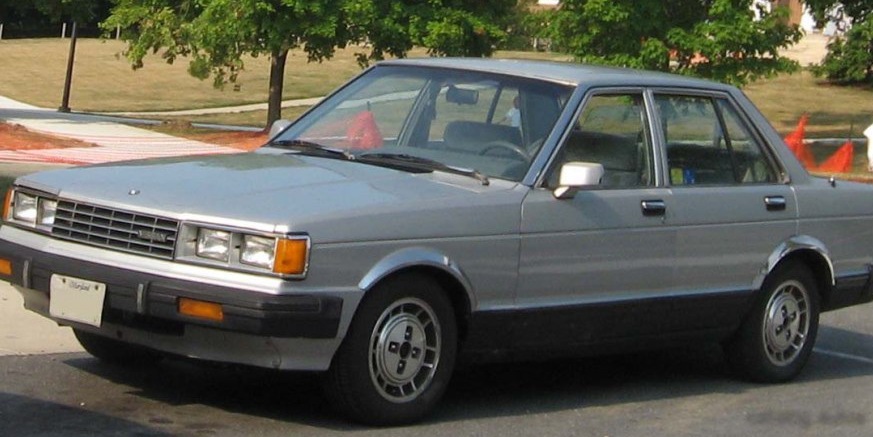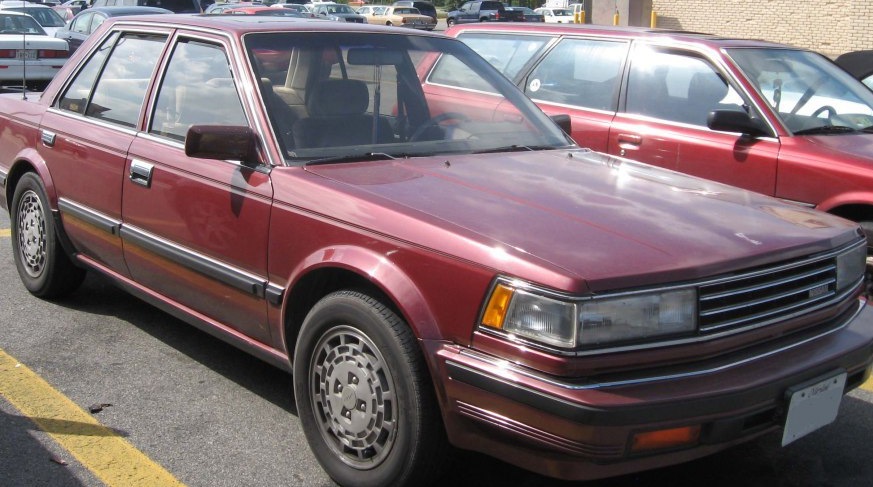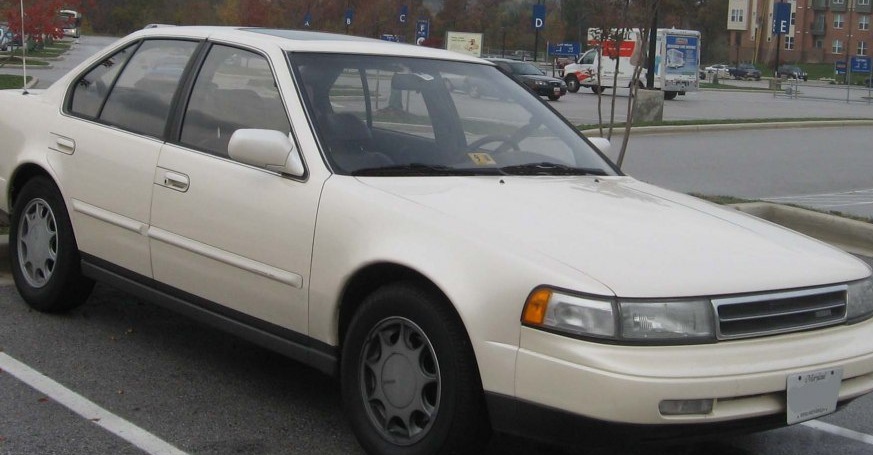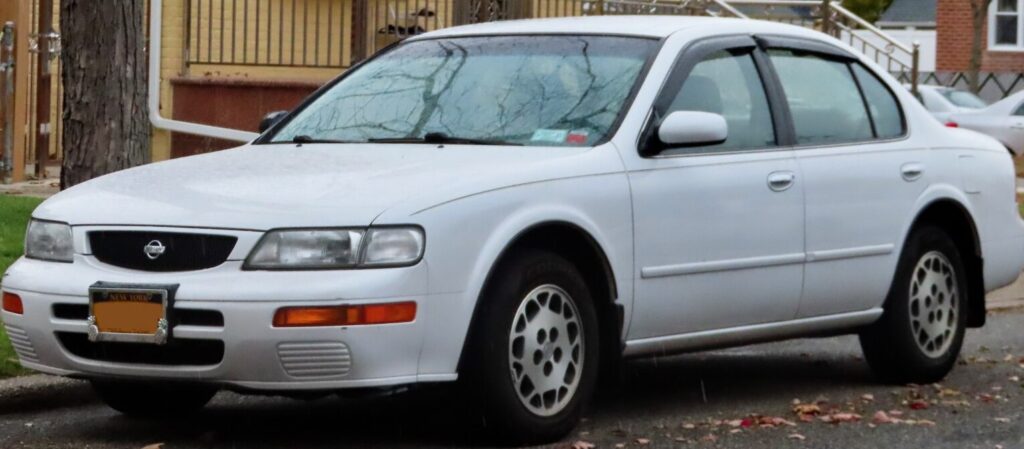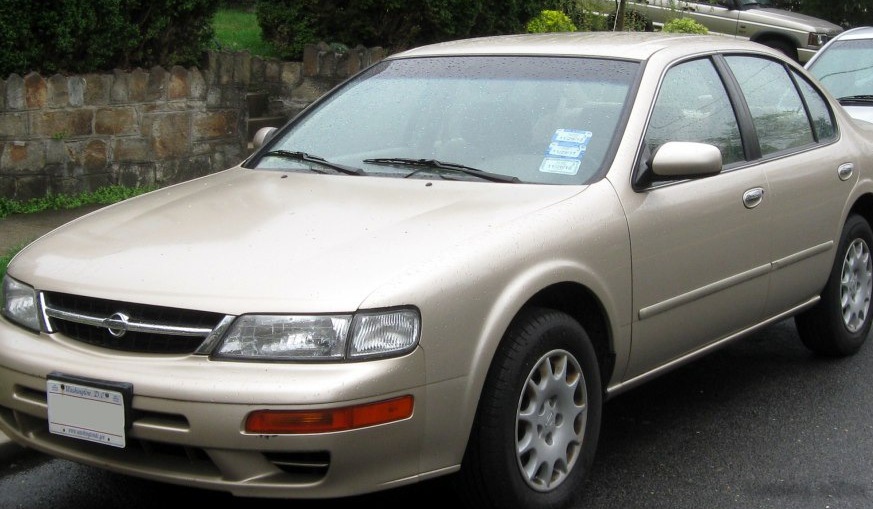
The Nissan Maxima QX IV, specifically the facelifted version produced from 1997 to 2000, represented a significant evolution of Nissan’s flagship sedan. Positioned as a near-luxury import, the A32 Maxima aimed to deliver a blend of performance, comfort, and value in the highly competitive American market. This generation, and particularly the 2.5-liter V6 24V variant paired with a four-speed automatic transmission, served as a popular choice for buyers seeking a refined and reliable family sedan with a touch of sporting character. It built upon the success of the previous A31 Maxima, further solidifying Nissan’s presence in the mid-size segment.
Technical Specifications
| Brand | Nissan |
| Model | Maxima |
| Generation | Maxima QX IV (A32, facelift 1997) |
| Type (Engine) | 2.5 V6 24V (190 Hp) |
| Start of production | 1997 |
| End of production | 2000 |
| Powertrain Architecture | Internal Combustion engine |
| Body type | Sedan |
| Seats | 5 |
| Doors | 4 |
| Fuel consumption (urban) | 14 l/100 km (16.8 US mpg, 20.2 UK mpg, 7.1 km/l) |
| Fuel consumption (extra urban) | 8 l/100 km (29.4 US mpg, 35.3 UK mpg, 12.5 km/l) |
| Fuel consumption (combined) | 9.4 l/100 km (25 US mpg, 30.1 UK mpg, 10.6 km/l) |
| Fuel Type | Petrol (Gasoline) |
| Acceleration 0 – 100 km/h | 11.3 sec |
| Acceleration 0 – 62 mph | 11.3 sec |
| Acceleration 0 – 60 mph | 10.7 sec |
| Maximum speed | 210 km/h (130.49 mph) |
| Weight-to-power ratio | 7.6 kg/Hp, 131 Hp/tonne |
| Weight-to-torque ratio | 6.2 kg/Nm, 162.1 Nm/tonne |
| Power | 190 Hp @ 6400 rpm |
| Power per litre | 76.1 Hp/l |
| Torque | 235 Nm @ 4000 rpm (173.33 lb.-ft. @ 4000 rpm) |
| Engine layout | Front, Transverse |
| Engine displacement | 2496 cm3 (152.32 cu. in.) |
| Number of cylinders | 6 |
| Engine configuration | V-engine |
| Cylinder Bore | 85 mm (3.35 in.) |
| Piston Stroke | 73.3 mm (2.89 in.) |
| Compression ratio | 10:1 |
| Number of valves per cylinder | 4 |
| Fuel injection system | Multi-port manifold injection |
| Engine aspiration | Naturally aspirated engine |
| Valvetrain | DOHC |
| Kerb Weight | 1450 kg (3196.7 lbs.) |
| Trunk (boot) space – minimum | 440 l (15.54 cu. ft.) |
| Fuel tank capacity | 70 l (18.49 US gal | 15.4 UK gal) |
| Length | 4800 mm (188.98 in.) |
| Width | 1770 mm (69.69 in.) |
| Height | 1450 mm (57.09 in.) |
| Wheelbase | 2700 mm (106.3 in.) |
| Front track | 1520 mm (59.84 in.) |
| Rear (Back) track | 1500 mm (59.06 in.) |
| Drivetrain Architecture | The Internal combustion engine (ICE) drives the front wheels of the vehicle. |
| Drive wheel | Front wheel drive |
| Number of gears and type of gearbox | 4 gears, automatic transmission |
| Front suspension | Wishbone |
| Rear suspension | Spring Strut |
| Front brakes | Ventilated discs |
| Rear brakes | Disc |
| Assisting systems | ABS (Anti-lock braking system) |
| Steering type | Steering rack and pinion |
| Power steering | Hydraulic Steering |
| Tires size | 195/65 R15 |
Powertrain & Engine Architecture
The heart of the 1997-2000 Maxima QX IV was the VG30DE, a 3.0-liter (2995 cc) V6 engine. This engine, while sharing a lineage with earlier VG-series engines, featured several refinements for improved performance and emissions. The 2.5L version produced 190 horsepower at 6400 rpm and 235 Nm (173 lb-ft) of torque at 4000 rpm. It utilized a multi-port fuel injection system and a double overhead camshaft (DOHC) valvetrain with four valves per cylinder. The engine’s design prioritized smooth power delivery and reliability over outright peak performance. The four-speed automatic transmission, while not offering the most modern gear ratios, was known for its durability and relatively smooth shifts. It was a conventional torque converter automatic, designed to provide comfortable cruising and adequate acceleration for everyday driving.
Driving Characteristics
The 2.5L V6 automatic Maxima offered a comfortable and refined driving experience. Acceleration from a standstill to 60 mph took around 10.7 seconds, which was respectable for the era but noticeably slower than the manual transmission or higher-output variants. The automatic transmission’s gear ratios were tuned for fuel efficiency and smooth operation, resulting in a less aggressive feel compared to the five-speed manual. However, the engine’s ample torque provided sufficient power for passing maneuvers and highway cruising. The suspension, tuned for comfort, absorbed bumps well, but the car wasn’t particularly sporty in handling. Steering was light and precise, making it easy to maneuver in urban environments.
Equipment & Trim Levels
The 1997-2000 Maxima QX IV came reasonably well-equipped, even in its base form. Standard features typically included air conditioning, power windows and locks, a CD player, and an anti-lock braking system (ABS). Higher trim levels, such as the GXE, added features like a sunroof, upgraded audio systems, leather upholstery, and alloy wheels. The automatic transmission was often paired with a woodgrain interior trim, enhancing the car’s perceived luxury. Optional extras included a Bose audio system, traction control, and heated seats.
Chassis & Braking
The Maxima QX IV utilized a front-engine, front-wheel-drive layout. The front suspension featured independent wishbones, while the rear suspension employed a spring strut design. Brakes were ventilated discs at the front and solid discs at the rear, providing adequate stopping power for the car’s weight and performance. The steering system was a rack-and-pinion setup with hydraulic power assistance. The chassis was designed to prioritize ride comfort and noise isolation, contributing to a refined driving experience.
Market Reception & Comparison
The 1997-2000 Nissan Maxima QX IV with the 2.5L V6 automatic was generally well-received by automotive critics. It was praised for its comfortable ride, spacious interior, and reliable powertrain. However, some reviewers noted that the automatic transmission felt somewhat dated compared to newer designs, and the car lacked the sporty handling of some of its competitors. Compared to the five-speed manual version, the automatic offered less engaging driving dynamics but greater convenience. Fuel economy was average for the class, with combined figures around 25 mpg. The Maxima competed with other mid-size sedans such as the Honda Accord, Toyota Camry, and Ford Taurus.
Legacy
The VG30DE engine, and the A32 Maxima as a whole, developed a reputation for long-term reliability. With proper maintenance, these engines could easily exceed 200,000 miles. The four-speed automatic transmission, while not the most technologically advanced, proved to be durable and relatively trouble-free. Today, the 1997-2000 Maxima QX IV represents an affordable and reliable option in the used car market. While not a performance icon, it remains a popular choice for buyers seeking a comfortable, spacious, and dependable family sedan. Parts availability is generally good, and the car’s relatively simple design makes it relatively easy to maintain and repair.