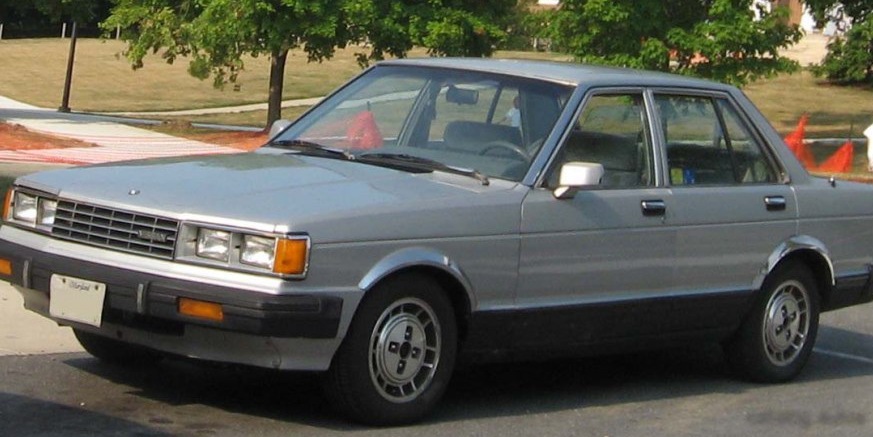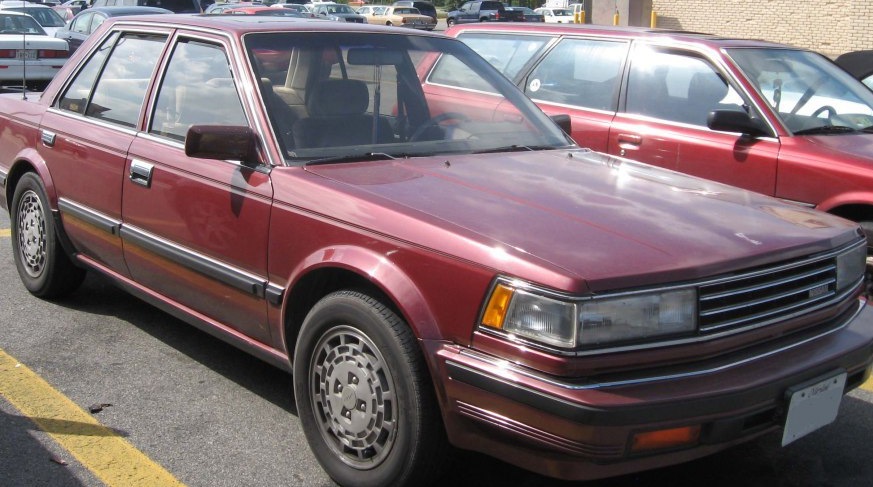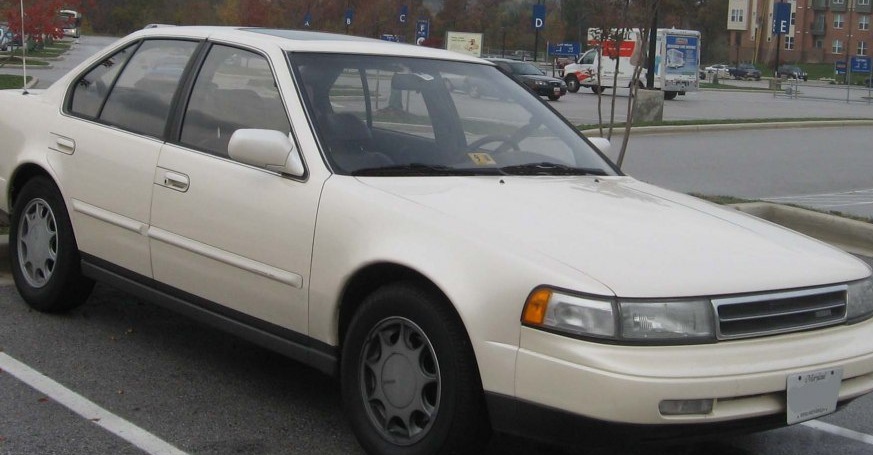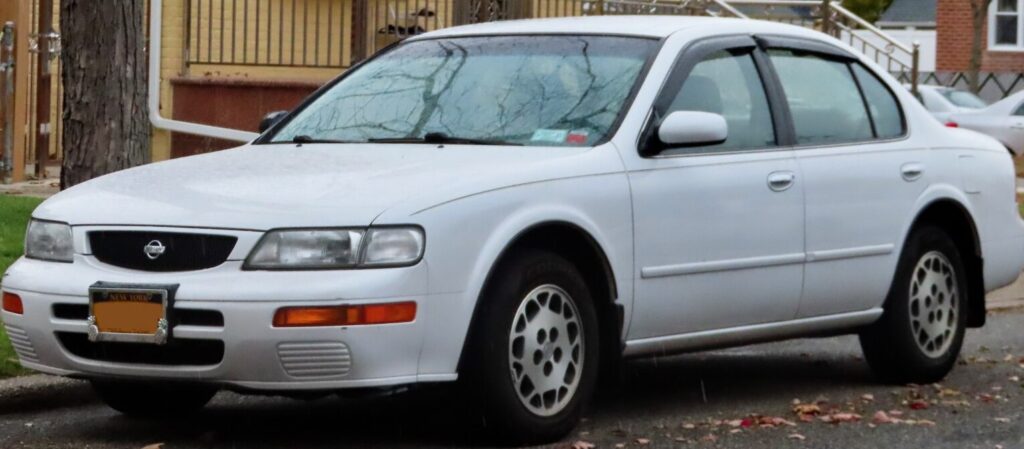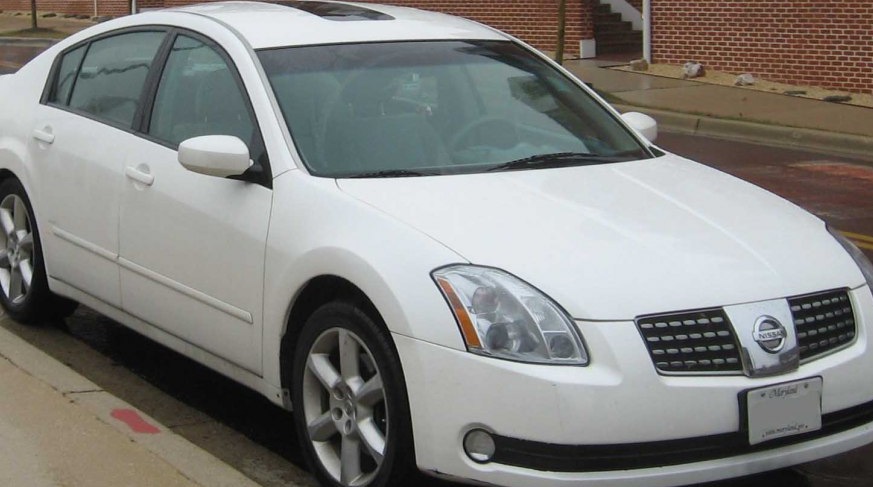
The Nissan Maxima QX VI (A34), specifically the 3.5i V6 24V variant producing 268 horsepower, was a key model in Nissan’s lineup from 2004 to 2008. Representing the sixth generation of the Maxima, the A34 chassis aimed to recapture the sporty and sophisticated image the Maxima had cultivated over previous generations. This particular engine and transmission combination occupied a sweet spot in the range, offering a significant performance upgrade over the base models while remaining more accessible than the potential for future performance trims. It was primarily marketed towards buyers in North America, where the Maxima had established a strong following as a comfortable and relatively sporty four-door sedan.
Technical Specifications
| Brand | Nissan |
| Model | Maxima |
| Generation | Maxima QX VI (A34) |
| Type (Engine) | 3.5 i V6 24V (268 Hp) |
| Start of production | 2004 |
| End of production | May, 2008 |
| Powertrain Architecture | Internal Combustion engine |
| Body type | Sedan |
| Seats | 5 |
| Doors | 4 |
| Fuel consumption (urban) | 11.8 l/100 km (19.9 US mpg) |
| Fuel consumption (extra urban) | 8.4 l/100 km (28 US mpg) |
| Fuel Type | Petrol (Gasoline) |
| Weight-to-power ratio | 6 kg/Hp |
| Weight-to-torque ratio | 4.7 kg/Nm |
| Power | 268 Hp @ 6000 rpm |
| Power per litre | 76.6 Hp/l |
| Torque | 345 Nm @ 4800 rpm (254.46 lb.-ft. @ 4800 rpm) |
| Engine layout | Front, Transverse |
| Engine Model/Code | VQ35DE |
| Engine displacement | 3498 cm3 (213.46 cu. in.) |
| Number of cylinders | 6 |
| Engine configuration | V-engine |
| Cylinder Bore | 95.5 mm (3.76 in.) |
| Piston Stroke | 81.4 mm (3.2 in.) |
| Compression ratio | 10.3:1 |
| Number of valves per cylinder | 4 |
| Fuel injection system | Multi-port manifold injection |
| Engine aspiration | Naturally aspirated engine |
| Valvetrain | DOHC |
| Engine oil capacity | 4.2 l (4.44 US qt | 3.7 UK qt) |
| Coolant capacity | 8.5 l (8.98 US qt | 7.48 UK qt) |
| Kerb Weight | 1610 kg (3549.44 lbs.) |
| Max. weight | 2062 kg (4545.93 lbs.) |
| Max load | 452 kg (996.49 lbs.) |
| Fuel tank capacity | 76 l (20.08 US gal | 16.72 UK gal) |
| Drivetrain Architecture | Front wheel drive |
| Number of gears and type of gearbox | 6 gears, manual transmission |
| Front suspension | Wishbone |
| Rear suspension | Spring Strut |
| Front brakes | Ventilated discs |
| Rear brakes | Disc |
| Assisting systems | ABS (Anti-lock braking system) |
| Steering type | Steering rack and pinion |
| Power steering | Hydraulic Steering |
| Tires size | 225/55 R17 |
Powertrain & Engine Architecture
The heart of the 2004-2008 Maxima 3.5i was the VQ35DE engine, a 3.5-liter naturally aspirated V6. This engine was a cornerstone of Nissan’s powertrain strategy, appearing in numerous models across their lineup. The VQ35DE featured a 60-degree V-angle, aluminum block and cylinder heads, and dual overhead camshafts (DOHC) with four valves per cylinder. The multi-port fuel injection system delivered fuel directly into each intake port, optimizing combustion. The engine’s 10.3:1 compression ratio contributed to its respectable power output. The six-speed manual transmission offered a more engaging driving experience compared to the available Continuously Variable Transmission (CVT). The manual gearbox was chosen by enthusiasts for its direct feel and ability to fully exploit the engine’s powerband.
Driving Characteristics
The 268-horsepower VQ35DE, paired with the six-speed manual transmission, provided a noticeably more spirited driving experience than the base Maxima models. Acceleration was brisk, with the car capable of reaching 60 mph in around 6.5 seconds. The engine delivered a smooth and linear power delivery, making it easy to modulate throttle response. The six-speed manual allowed drivers to keep the engine in its optimal power range, enhancing responsiveness. While not a dedicated sports sedan, the Maxima 3.5i offered a satisfying blend of comfort and performance. Compared to the CVT-equipped models, the manual version felt more connected and engaging, appealing to drivers who enjoyed a more involved driving experience.
Equipment & Trim Levels
The 3.5i trim level generally included features such as alloy wheels, a premium sound system, automatic climate control, power-adjustable seats, and keyless entry. Leather upholstery was often standard, along with woodgrain interior trim. Optional extras included a sunroof, navigation system, and upgraded audio options. The Maxima aimed for a near-luxury experience, offering a well-equipped interior and a comfortable ride. The 3.5i trim represented a step up from the base models, providing a more refined and feature-rich package.
Chassis & Braking
The A34 Maxima utilized a front-engine, front-wheel-drive layout. The suspension consisted of an independent wishbone setup at the front and a multi-link strut arrangement at the rear, providing a comfortable ride while maintaining reasonable handling characteristics. The braking system featured ventilated discs at the front and solid discs at the rear, equipped with an Anti-lock Braking System (ABS) as standard. The steering was a rack-and-pinion system with hydraulic power assistance, offering a responsive and precise feel. The 225/55 R17 tires provided adequate grip for everyday driving.
Market Reception & Comparison
The 2004-2008 Nissan Maxima 3.5i was generally well-received by automotive critics. It was praised for its powerful engine, comfortable ride, and spacious interior. However, some reviewers noted that the handling wasn’t as sharp as some of its competitors, such as the Honda Accord or Toyota Camry. Fuel economy was considered average for its class. Compared to the base Maxima models, the 3.5i offered a significant performance advantage, but at a higher price point. The manual transmission version was particularly favored by enthusiasts who appreciated its engaging driving experience.
Legacy
The VQ35DE engine has proven to be remarkably durable and reliable over the years. Properly maintained examples of the 2004-2008 Maxima 3.5i continue to provide dependable transportation. While not as sought-after as some other performance cars of the era, the Maxima 3.5i holds a respectable position in the used car market. Its combination of power, comfort, and reliability makes it an attractive option for buyers seeking a well-rounded sedan. Common maintenance items include regular oil changes, timing chain inspection (though generally robust), and monitoring of coolant levels. The A34 Maxima represents a solid example of Nissan’s commitment to building comfortable, reliable, and reasonably sporty sedans.