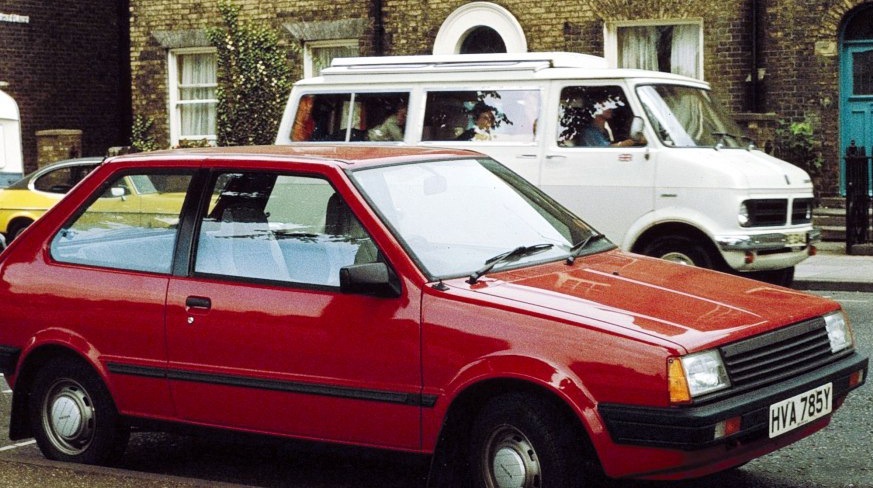
The Nissan Micra K10, manufactured between 1982 and 1989, marked a pivotal moment for Nissan in the European supermini market. This generation, designated K10, transitioned the Micra to a front-wheel-drive hatchback, positioning it to compete directly with popular models like the Fiat Uno, Renault 5, and Ford Fiesta. The 1.0-liter, 50 horsepower variant served as the entry-level offering, prioritizing affordability and fuel efficiency. It played a significant role in establishing the Micra’s reputation for dependability and practicality, becoming a common sight on European roads throughout the 1980s. The K10 represented a departure from the rear-wheel-drive Micras that preceded it, embracing a more modern and efficient design.
Technical Specifications
| Brand | Nissan |
| Model | Micra |
| Generation | Micra (K10) |
| Type (Engine) | 1.0 (50 Hp) |
| Start of production | 1982 |
| End of production | 1989 |
| Powertrain Architecture | Internal Combustion engine |
| Body type | Hatchback |
| Fuel Type | Petrol (Gasoline) |
| Power | 50 Hp |
| Engine aspiration | Naturally aspirated engine |
| Engine oil capacity | 2.7 l / 2.85 US qt / 2.38 UK qt |
| Coolant capacity | 3.5 l / 3.7 US qt / 3.08 UK qt |
Powertrain & Engine Architecture
The K10 1.0 was powered by the Nissan E10 engine, a 988cc, naturally aspirated, inline-four cylinder petrol engine. While modest in its output, the E10 was renowned for its durability and straightforward design. It featured a single overhead camshaft (SOHC) operating two valves per cylinder. Fuel delivery was handled by a carburetor, a common feature for vehicles of this era and price range. The carburetor system, while less precise than fuel injection, contributed to the engine’s ease of maintenance and lower cost. The E10 produced 50 horsepower at 6000 rpm and approximately 57 lb-ft of torque at 3600 rpm. A four-speed manual transmission was the standard offering, but a three-speed automatic transmission, manufactured by Jatco, was also available, though less frequently chosen. This automatic provided smooth, if not particularly spirited, gear changes. The engine block was constructed from cast iron for robustness, while the cylinder head was aluminum to reduce weight.
Driving Characteristics
The 1.0-liter Micra K10 wasn’t built for high performance. Acceleration was deliberate, with an estimated 0-60 mph time of 16-18 seconds. Its strengths lay in its usability within urban environments and its fuel economy. The engine offered reasonable responsiveness at lower speeds, making it well-suited for city driving. The four-speed manual transmission allowed drivers to maximize the available power, while the three-speed automatic, while convenient, further diminished acceleration. Gear ratios were optimized for fuel efficiency rather than speed. The steering was light and precise, simplifying maneuvering in tight spaces. The suspension, though basic, provided a comfortable ride on most road surfaces. Compared to the slightly more powerful 1.2-liter version, the 1.0 felt noticeably slower, especially when carrying a full load or ascending hills. The automatic transmission variant experienced even more pronounced performance limitations.
Equipment & Trim Levels
The K10 1.0 was typically offered in a basic trim level, reflecting its position as the entry point to the Micra lineup. Standard features generally included cloth upholstery, a simple instrument cluster, and manually operated windows and door locks. Heating and ventilation were standard, but air conditioning was rarely included on this base model. Optional extras included a radio, upgraded interior trim, and, occasionally, power steering. The interior design was functional and space-efficient, prioritizing practicality over luxury. Dashboard materials were typically durable plastics. Later models received minor cosmetic updates, such as revised dashboard graphics and seat fabrics.
Chassis & Braking
The K10 Micra utilized a MacPherson strut front suspension and a torsion beam rear suspension. This configuration provided a good balance between ride comfort and handling. The front brakes were disc brakes, while the rear brakes were typically drum brakes, a cost-saving measure for the base model. Steering was rack and pinion, offering precise control. The chassis was relatively lightweight, contributing to the car’s fuel efficiency. Stabilizer bars were not typically fitted to the base 1.0-liter model, emphasizing comfort over sporty handling. Wheel size was typically 13 inches, with steel wheels and hubcaps as standard.
Market Reception & Comparison
The Nissan Micra K10 1.0 was generally well-received by automotive critics as a practical and affordable supermini. Its fuel economy was a major selling point, particularly in Europe where gasoline prices were relatively high. Reliability was also praised, with the E10 engine proving to be remarkably durable. However, its performance was often criticized as being underpowered, especially when compared to competitors like the Fiat Uno 1.0 Fire. The 1.2-liter Micra offered a noticeable performance improvement, but at a higher price. The automatic transmission version was often viewed as a compromise, sacrificing performance for convenience. Compared to the more expensive and better-equipped models within the Micra range, the 1.0 offered a compelling value proposition for budget-conscious buyers.
Legacy
The Nissan Micra K10 1.0 remains a popular choice among classic car enthusiasts and those seeking an affordable and reliable vehicle. The E10 engine is known for its longevity, and parts availability is generally good. While rust can be a concern with older examples, well-maintained K10s can still provide years of dependable service. The K10 established the Micra as a significant contender in the European supermini market, setting the stage for subsequent generations. Today, the K10 1.0 is often regarded as a charming and nostalgic reminder of the 1980s, appreciated for its simplicity, affordability, and enduring reliability. The automatic transmission versions, while less common, are sought after by collectors looking for a unique and original example of this iconic supermini.