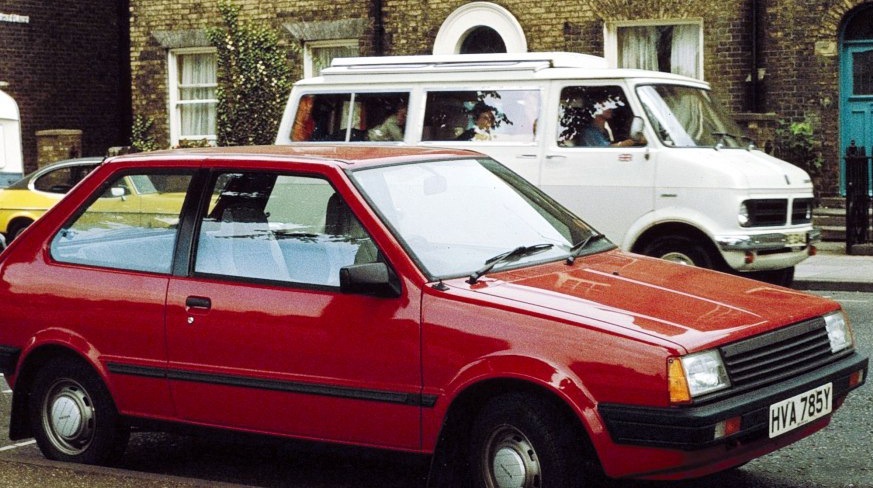
The Nissan Micra K10, produced between 1986 and 1992, represented a significant step forward for Nissan’s small car offerings in the European market. Positioned as an affordable and practical supermini, the K10 aimed to compete with established rivals like the Fiat Uno, Peugeot 205, and Ford Fiesta. Within the K10 range, the 1.2-liter 60 horsepower variant occupied the entry-level position, offering a balance of economy and usability. This model was particularly popular with first-time car buyers, city dwellers, and those seeking a reliable and inexpensive mode of transportation. It served as the foundation for the K10 lineup, with more powerful and better-equipped versions available for buyers seeking a more premium experience.
Technical Specifications
| Brand | Nissan |
| Model | Micra |
| Generation | Micra (K10) |
| Type (Engine) | 1.2 (60 Hp) |
| Start of production | 1986 |
| End of production | 1992 |
| Powertrain Architecture | Internal Combustion engine |
| Body type | Hatchback |
| Seats | 5 |
| Doors | 3 |
| Fuel Type | Petrol (Gasoline) |
| Maximum speed | 160 km/h (99.42 mph) |
| Weight-to-power ratio | 12.5 kg/Hp, 80 Hp/tonne |
| Power | 60 Hp |
| Engine Model/Code | MA12 |
| Fuel injection system | Carburettor |
| Engine aspiration | Naturally aspirated engine |
| Engine oil capacity | 2.8 l (2.96 US qt | 2.46 UK qt) |
| Coolant | 4.3 l (4.54 US qt | 3.78 UK qt) |
| Kerb Weight | 750 kg (1653.47 lbs) |
| Drivetrain Architecture | The Internal combustion engine (ICE) drives the front wheels of the vehicle. |
| Drive wheel | Front wheel drive |
| Number of gears and type of gearbox | 5 gears, manual transmission |
Powertrain & Engine Architecture
The heart of the K10 1.2 was the MA12 engine, a 1.2-liter (1188cc) inline-four cylinder petrol engine. This engine utilized a relatively simple, yet robust, design. Crucially, it employed a carburetor for fuel delivery, a common feature for vehicles of this era and price point. The carburetor system, while less precise than fuel injection, contributed to the engine’s simplicity and ease of maintenance. The engine featured a single overhead camshaft (SOHC) valvetrain, operating two valves per cylinder. This configuration was a standard setup for engines of this displacement and intended use. The MA12 produced 60 horsepower at approximately 5600 rpm and 79 lb-ft of torque at 3600 rpm. The engine was mated to a five-speed manual transmission, which was the only transmission option available for this specific variant. The transmission was designed for durability and ease of use, prioritizing smooth shifts over sporty performance.
Driving Characteristics
The 1.2-liter Micra K10 offered modest, but adequate, performance for urban driving and shorter journeys. Acceleration was not its strong suit; 0-60 mph took around 14-15 seconds. However, the light weight of the vehicle (approximately 750 kg or 1653 lbs) helped to mitigate the lack of outright power. The five-speed gearbox allowed drivers to keep the engine in its optimal power band, although frequent downshifts were often necessary when overtaking or climbing hills. Compared to the later 1.4 and 1.6-liter versions of the K10, the 1.2 felt noticeably slower, but it also offered superior fuel economy. The steering was light and precise, making it easy to maneuver in tight city streets. The suspension, while basic, provided a reasonably comfortable ride, absorbing bumps and imperfections in the road surface without excessive harshness. The overall driving experience was characterized by its simplicity and ease of use, making it an ideal car for novice drivers.
Equipment & Trim Levels
The K10 1.2 was typically offered in a fairly basic trim level, reflecting its position as the entry point to the Micra range. Standard equipment generally included cloth upholstery, a basic dashboard with analog gauges, and manually operated windows and door locks. A simple two-speaker AM/FM radio was often included, although it was sometimes offered as an optional extra. Safety features were limited by the standards of the time, typically consisting of seatbelts and a steering column-mounted hazard warning switch. Optional extras could include a sunroof, upgraded interior trim, and central locking. The interior design was functional and utilitarian, prioritizing practicality over luxury. The dashboard layout was straightforward and easy to understand, with all essential controls within easy reach of the driver.
Chassis & Braking
The K10 utilized a front-wheel-drive layout with a MacPherson strut suspension at the front and a torsion beam suspension at the rear. This suspension setup was a common configuration for small, front-wheel-drive cars of the era, offering a good balance of ride comfort and handling. Braking was typically accomplished with disc brakes at the front and drum brakes at the rear. The braking system was adequate for the vehicle’s weight and performance, but it lacked the stopping power of more modern braking systems. The steering was a rack-and-pinion system, providing precise and responsive steering feel. The chassis was relatively lightweight, contributing to the car’s nimble handling characteristics.
Market Reception & Comparison
The Nissan Micra K10 1.2 was generally well-received by critics and consumers alike. It was praised for its affordability, reliability, and fuel economy. However, its modest performance was often cited as a drawback. Compared to the more powerful 1.4 and 1.6-liter versions of the K10, the 1.2 offered significantly less performance, but it also consumed less fuel. The 1.4-liter version, while more expensive, provided a noticeable improvement in acceleration and overall driving experience. The 1.2’s main appeal lay in its low running costs and ease of maintenance, making it an attractive option for budget-conscious buyers. Fuel economy was a strong point, typically achieving around 45-50 mpg in mixed driving conditions.
Legacy
The Nissan Micra K10 1.2 has proven to be a remarkably durable and reliable vehicle. Many examples are still on the road today, a testament to the quality of its engineering and construction. The MA12 engine is known for its longevity and relatively simple maintenance requirements. Parts availability remains reasonably good, although some components may be becoming increasingly difficult to find. In the used car market, the K10 1.2 is often sought after by enthusiasts and collectors who appreciate its simplicity, affordability, and retro charm. It represents a significant piece of automotive history, embodying the spirit of the 1980s supermini. While not a performance icon, the K10 1.2 remains a fondly remembered and surprisingly capable small car.