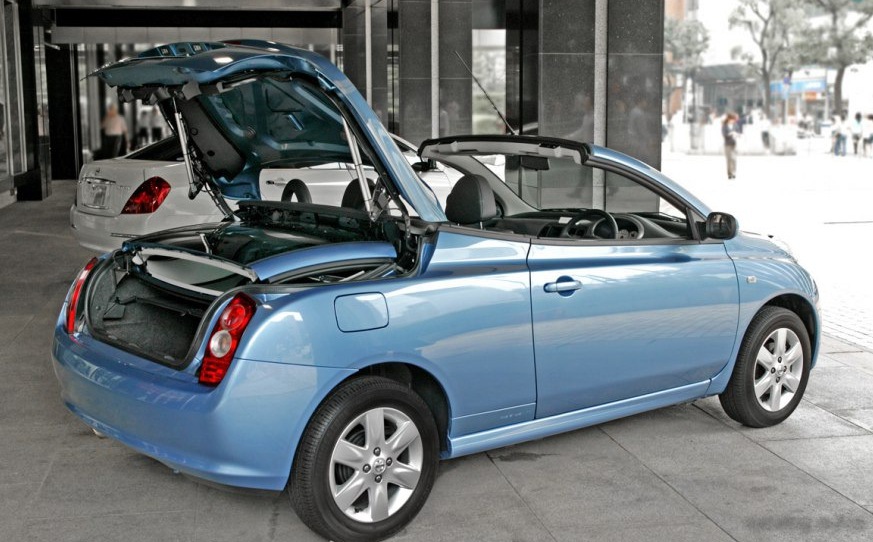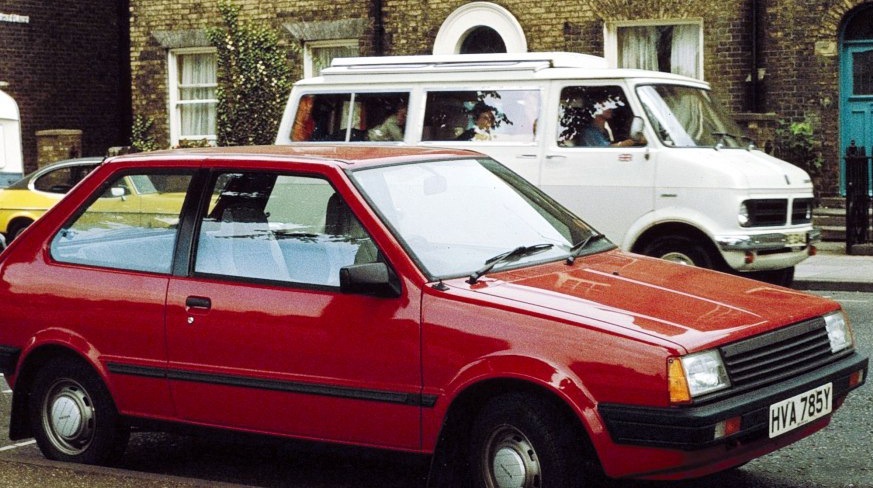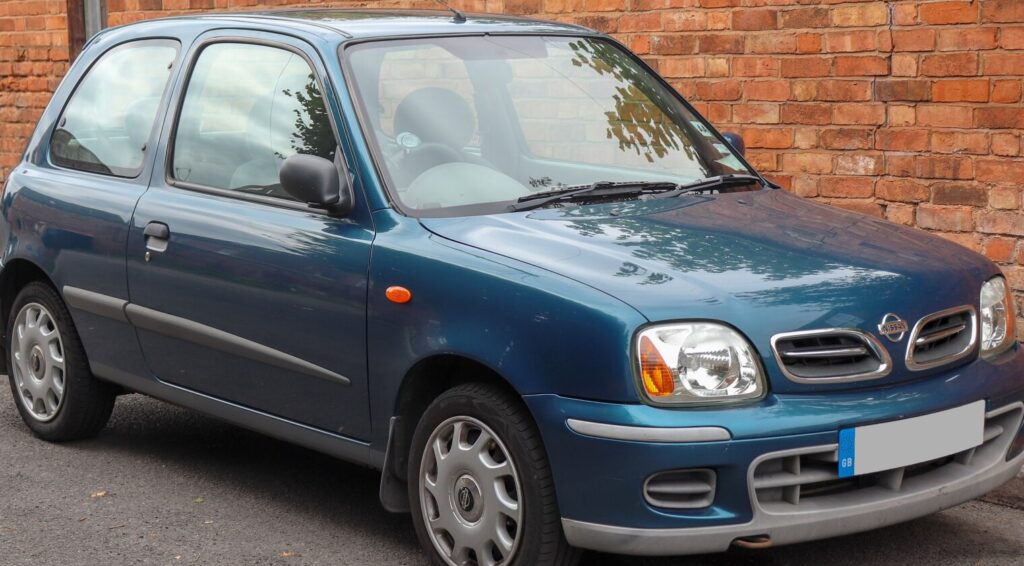
The Nissan Micra K11, produced from 1992 to 2000, represented a significant step forward for Nissan’s supermini offering. This generation Micra, also known as the K11 chassis code, was designed to appeal to a broader European audience than its predecessors, emphasizing practicality, affordability, and a relatively modern design. The 1.0i 16V variant, producing 54 horsepower, served as the entry point into the K11 range, offering a balance between economy and usability. It was available in both 3-door and 5-door body styles, catering to different lifestyle needs. The K11 platform was a clean-sheet design, moving away from the more utilitarian approach of earlier Micras and embracing a more rounded, contemporary aesthetic.
Technical Specifications
| Brand | Nissan |
| Model | Micra |
| Generation | Micra (K11) |
| Type (Engine) | 1.0i 16V (54 Hp) |
| Start of production | 1992 |
| End of production | 2000 |
| Powertrain Architecture | Internal Combustion engine |
| Body type | Hatchback |
| Seats | 5 |
| Doors | 3/5 |
| Fuel consumption (urban) | 7.1 l/100 km (33.1 US mpg, 39.8 UK mpg, 14.1 km/l) |
| Fuel consumption (extra urban) | 5.2 l/100 km (45.2 US mpg, 54.3 UK mpg, 19.2 km/l) |
| Fuel consumption (combined) | 6.1 l/100 km (38.6 US mpg, 46.3 UK mpg, 16.4 km/l) |
| Fuel Type | Petrol (Gasoline) |
| Acceleration 0 – 100 km/h | 16.4 sec |
| Acceleration 0 – 62 mph | 16.4 sec |
| Acceleration 0 – 60 mph | 15.6 sec |
| Maximum speed | 150 km/h (93.21 mph) |
| Weight-to-power ratio | 14.4 kg/Hp |
| Weight-to-torque ratio | 9.8 kg/Nm |
| Power | 54 Hp @ 6000 rpm |
| Power per litre | 54.1 Hp/l |
| Torque | 79 Nm @ 4000 rpm (58.27 lb.-ft. @ 4000 rpm) |
| Engine layout | Front, Transverse |
| Engine Model/Code | CG10DE |
| Engine displacement | 998 cm3 (60.9 cu. in.) |
| Number of cylinders | 4 |
| Engine configuration | Inline |
| Cylinder Bore | 71 mm (2.8 in.) |
| Piston Stroke | 63 mm (2.48 in.) |
| Compression ratio | 9.5:1 |
| Number of valves per cylinder | 4 |
| Fuel injection system | Multi-port manifold injection |
| Engine aspiration | Naturally aspirated |
| Valvetrain | DOHC |
| Engine oil capacity | 3.1 l (3.28 US qt, 2.73 UK qt) |
| Coolant capacity | 4 l (4.23 US qt, 3.52 UK qt) |
| Kerb Weight | 775 kg (1708.58 lbs.) |
| Max. weight | 1290 kg (2843.96 lbs.) |
| Max load | 515 kg (1135.38 lbs.) |
| Trunk (boot) space – minimum | 206 l (7.27 cu. ft.) |
| Trunk (boot) space – maximum | 960 l (33.9 cu. ft.) |
| Fuel tank capacity | 42 l (11.1 US gal, 9.24 UK gal) |
| Length | 3695 mm (145.47 in.) |
| Width | 1585 mm (62.4 in.) |
| Height | 1430 mm (56.3 in.) |
| Wheelbase | 2360 mm (92.91 in.) |
| Front track | 1360 mm (53.54 in.) |
| Rear track | 1325 mm (52.17 in.) |
| Drivetrain Architecture | Front wheel drive |
| Number of gears | 5 |
| Gearbox type | Manual transmission |
| Front suspension | Wishbone |
| Rear suspension | Spring Strut |
| Front brakes | Disc |
| Rear brakes | Drum |
| Assisting systems | ABS (Anti-lock braking system) |
| Steering type | Steering rack and pinion |
| Tires size | 155/70 R13 |
Powertrain & Engine Architecture
The heart of the K11 1.0i 16V is the CG10DE engine, a 998cc inline-four cylinder powerplant. This engine featured a double overhead camshaft (DOHC) valvetrain operating four valves per cylinder, contributing to its relatively efficient breathing for its displacement. The CG10DE utilized multi-point fuel injection, a significant upgrade from the carburetor systems found in older small-displacement engines. This system, combined with the 9.5:1 compression ratio, helped to extract a respectable 54 horsepower and 58.27 lb-ft of torque. The engine was transversely mounted, driving the front wheels. The standard transmission was a five-speed manual, although a four-speed automatic was also offered, albeit at a slight performance penalty. The automatic transmission was a conventional torque converter type, prioritizing smoothness over outright acceleration.
Driving Characteristics
The 1.0i 16V Micra was never intended to be a performance car. Its focus was on providing economical and practical transportation. Acceleration was modest, taking around 16.4 seconds to reach 60 mph. However, the engine was surprisingly willing and rev-happy, making it enjoyable to drive around town. The five-speed manual transmission allowed drivers to keep the engine in its sweet spot, maximizing efficiency and responsiveness. The automatic transmission, while offering convenience, noticeably dulled the car’s performance. Gear ratios were geared towards fuel economy, with a relatively tall final drive. Handling was light and nimble, making it easy to maneuver in urban environments. The suspension, while basic, provided a comfortable ride on most road surfaces.
Equipment & Trim Levels
The 1.0i 16V typically served as the base model in the K11 range. Standard equipment included power steering, central locking, and a basic stereo system. Interior upholstery was typically cloth, with a simple, functional dashboard layout. Optional extras included air conditioning, electric windows, and alloy wheels. Higher trim levels, such as the LX and S, added more features, such as upgraded interior trim, a sunroof, and more sophisticated audio systems. The 3-door model was often seen as the more sporty option, appealing to younger buyers, while the 5-door offered greater practicality for families.
Chassis & Braking
The K11 Micra utilized a front-wheel-drive layout with independent front suspension using a wishbone configuration. The rear suspension employed a simple spring strut setup. Braking was typically disc brakes on the front wheels and drum brakes on the rear, adequate for the car’s weight and performance. Anti-lock Braking System (ABS) was available as an option, enhancing safety. The steering was a rack and pinion system, providing precise and responsive control. The relatively lightweight construction of the K11 contributed to its nimble handling characteristics.
Market Reception & Comparison
The K11 Micra was generally well-received by critics for its practicality, affordability, and modern design. The 1.0i 16V engine was praised for its fuel efficiency, but some reviewers found its performance to be somewhat lacking, especially when paired with the automatic transmission. Compared to other superminis of the time, such as the Ford Fiesta and Peugeot 205, the Micra offered a good balance of features and value. The 1.3L and 1.4L variants offered more performance, but at a higher price point. The 1.9 diesel offered superior fuel economy, but with significantly reduced performance.
Legacy
The Nissan Micra K11 proved to be a reliable and durable vehicle, with many examples still on the road today. The CG10DE engine is known for its longevity, provided it is properly maintained. The K11’s simple construction and readily available parts make it relatively easy and inexpensive to repair. In the used car market, the K11 1.0i 16V remains a popular choice for first-time drivers and those seeking an economical and reliable city car. While not a performance icon, the K11 Micra represents a significant milestone in Nissan’s history, establishing the Micra as a competitive player in the European supermini segment.