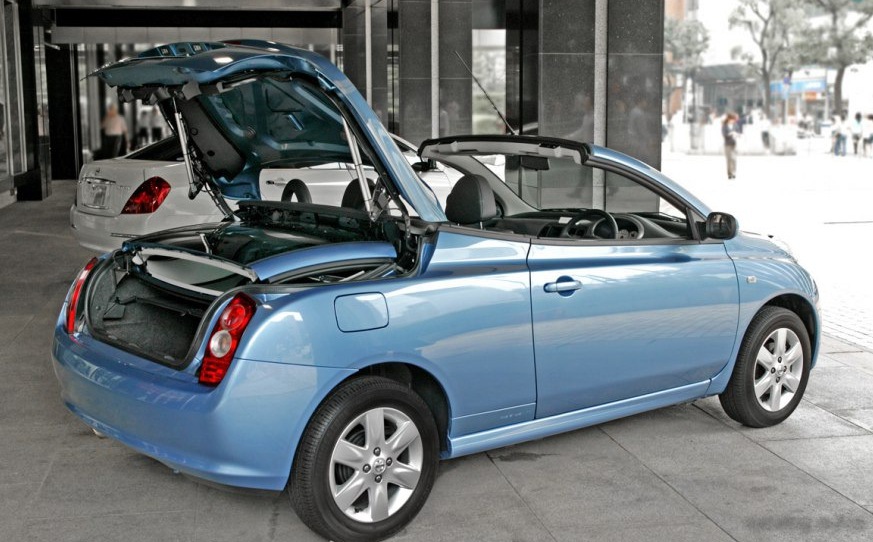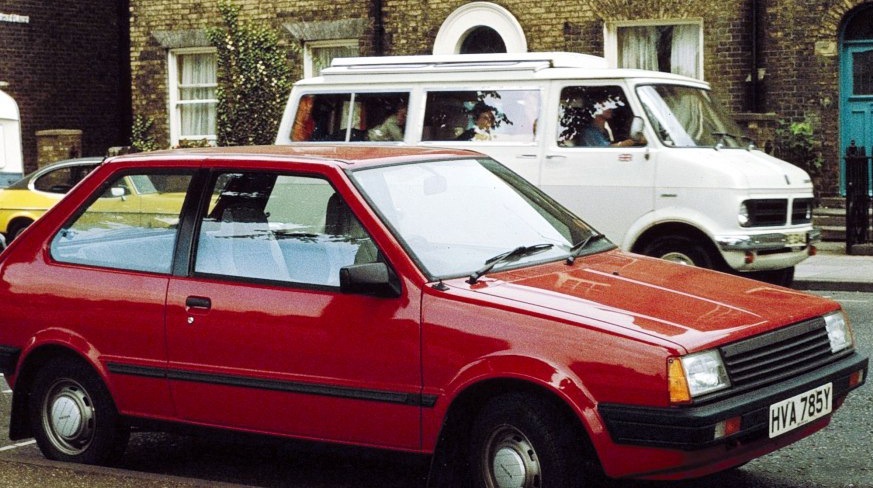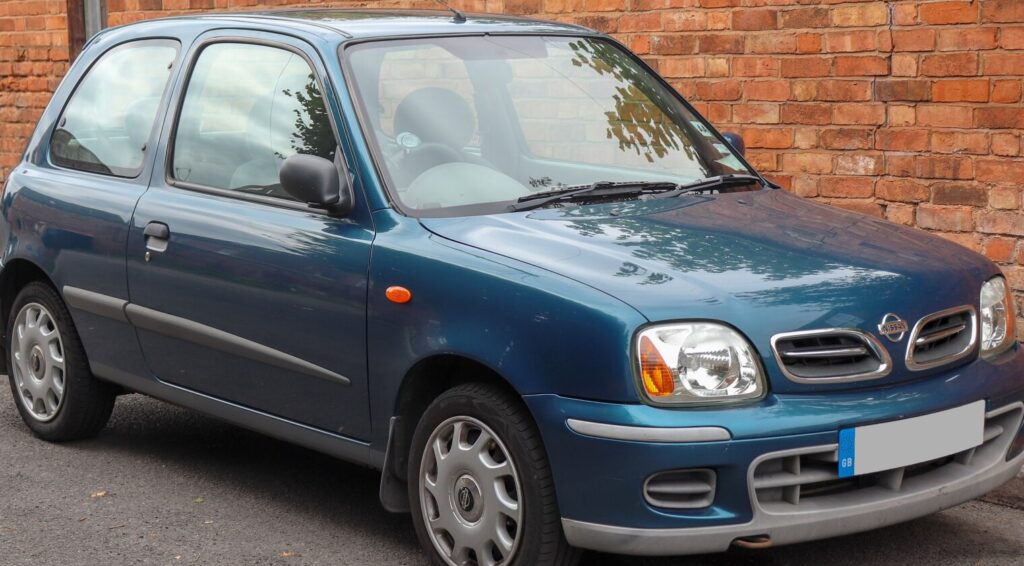
The Nissan Micra K11, produced from 1992 to 2000, represented a significant step forward for Nissan’s supermini offering. The 1.3i 16V variant, delivering 75 horsepower, was a mainstay of the K11 lineup, particularly in European and Asian markets. Positioned as a mid-range option, it offered a balance between affordability, fuel efficiency, and acceptable performance for urban and suburban driving. This model played a crucial role in establishing the K11 as a popular choice in the competitive small car segment, known for its practicality and relatively spacious interior for its size.
Technical Specifications
| Brand | Nissan |
| Model | Micra |
| Generation | Micra (K11) |
| Type (Engine) | 1.3i 16V (75 Hp) |
| Start of production | 1992 |
| End of production | 2000 |
| Powertrain Architecture | Internal Combustion engine |
| Body type | Hatchback |
| Seats | 5 |
| Doors | 3/5 |
| Fuel consumption (urban) | 6.6 l/100 km (35.6 US mpg, 42.8 UK mpg, 15.2 km/l) |
| Fuel consumption (extra urban) | 4.9 l/100 km (48 US mpg, 57.6 UK mpg, 20.4 km/l) |
| Fuel consumption (combined) | 5.8 l/100 km (40.6 US mpg, 48.7 UK mpg, 17.2 km/l) |
| Fuel Type | Petrol (Gasoline) |
| Acceleration 0 – 100 km/h | 12 sec |
| Acceleration 0 – 62 mph | 12 sec |
| Acceleration 0 – 60 mph | 11.4 sec |
| Maximum speed | 170 km/h (105.63 mph) |
| Weight-to-power ratio | 11 kg/Hp, 90.9 Hp/tonne |
| Weight-to-torque ratio | 8 kg/Nm, 124.8 Nm/tonne |
| Power | 75 Hp @ 6000 rpm |
| Power per litre | 58.8 Hp/l |
| Torque | 103 Nm @ 4000 rpm (75.97 lb.-ft. @ 4000 rpm) |
| Engine layout | Front, Transverse |
| Engine Model/Code | CG13DE |
| Engine displacement | 1275 cm3 (77.81 cu. in.) |
| Number of cylinders | 4 |
| Engine configuration | Inline |
| Cylinder Bore | 71 mm (2.8 in.) |
| Piston Stroke | 80.5 mm (3.17 in.) |
| Compression ratio | 9.5:1 |
| Number of valves per cylinder | 4 |
| Fuel injection system | Multi-port manifold injection |
| Engine aspiration | Naturally aspirated engine |
| Valvetrain | DOHC |
| Engine oil capacity | 3 l (3.17 US qt | 2.64 UK qt) |
| Coolant capacity | 4 l (4.23 US qt | 3.52 UK qt) |
| Kerb Weight | 825 kg (1818.81 lbs.) |
| Max. weight | 1300 kg (2866.01 lbs.) |
| Max load | 475 kg (1047.2 lbs.) |
| Trunk (boot) space – minimum | 206 l (7.27 cu. ft.) |
| Trunk (boot) space – maximum | 960 l (33.9 cu. ft.) |
| Fuel tank capacity | 42 l (11.1 US gal | 9.24 UK gal) |
| Length | 3695 mm (145.47 in.) |
| Width | 1585 mm (62.4 in.) |
| Height | 1430 mm (56.3 in.) |
| Wheelbase | 2360 mm (92.91 in.) |
| Front track | 1360 mm (53.54 in.) |
| Rear (Back) track | 1325 mm (52.17 in.) |
| Drivetrain Architecture | Front wheel drive |
| Number of gears and type of gearbox | 5 gears, manual transmission |
| Front suspension | Wishbone |
| Rear suspension | Spring Strut |
| Front brakes | Disc |
| Rear brakes | Drum |
| Assisting systems | ABS (Anti-lock braking system) |
| Steering type | Steering rack and pinion |
| Power steering | Hydraulic Steering |
| Tires size | 165/60R13 |
INTRODUCTION
The Nissan Micra K11, launched in 1992, was a pivotal model for Nissan, representing a move towards more modern and efficient supermini design. The 1.3i 16V variant, available with either 3 or 5 doors, was a popular choice, particularly in Europe and Asia, where smaller, fuel-efficient cars were highly valued. This engine and trim level sat comfortably in the middle of the K11 range, offering a step up from the base 1.0-liter engine while remaining more affordable than the higher-spec 1.4 and 1.6-liter options. The K11 platform (shared with the Renault Clio) was lauded for its clever packaging and surprisingly spacious interior given its diminutive exterior dimensions.
Powertrain & Engine Architecture
The heart of the 1.3i 16V Micra is the CG13DE engine, a 1.3-liter inline-four cylinder gasoline engine. This engine featured a double overhead camshaft (DOHC) valvetrain operating 16 valves, contributing to its relatively high output for its displacement. It utilized a multi-port fuel injection system, providing precise fuel delivery for improved efficiency and responsiveness. The engine’s 9.5:1 compression ratio was a standard figure for the time, balancing performance and fuel economy. The 1.3i 16V was typically paired with a five-speed manual transmission, although a four-speed automatic transmission was also available, albeit less common. The automatic transmission, while offering convenience, did impact acceleration and fuel economy compared to the manual version. The engine’s transverse mounting and front-wheel-drive configuration were typical for cars in this class.
Driving Characteristics
The 1.3i 16V Micra offered a reasonably refined driving experience for a supermini of its era. With 75 horsepower, acceleration was adequate for city driving and short highway trips, taking around 12 seconds to reach 62 mph. The engine felt lively enough at higher RPMs, but lacked significant low-end torque. The five-speed manual transmission allowed drivers to keep the engine in its optimal power band, while the four-speed automatic, though smooth, resulted in noticeable gear changes and a slight reduction in responsiveness. The steering was light and precise, making it easy to maneuver in tight urban environments. The suspension, while tuned for comfort, provided acceptable handling characteristics, although it wasn’t particularly sporty. Compared to the base 1.0-liter model, the 1.3i 16V offered a noticeable improvement in performance, making it a more suitable choice for drivers who frequently encountered hills or carried passengers.
Equipment & Trim Levels
The 1.3i 16V Micra typically came equipped with a reasonable level of standard features. These included power steering, central locking, and an adjustable steering column. Interior upholstery was typically cloth, with a relatively simple but functional dashboard layout. Optional extras included air conditioning, electric windows, and a radio/cassette player. Higher trim levels, such as the ‘S’ or ‘SE’ variants, added features like alloy wheels, upgraded interior trim, and a sunroof. The K11 Micra prioritized practicality over luxury, but offered a comfortable and well-equipped interior for its price point.
Chassis & Braking
The K11 Micra utilized a front independent suspension with wishbones and a rear semi-independent torsion beam suspension. This setup provided a good balance between ride comfort and handling. Braking was typically accomplished with front disc brakes and rear drum brakes, with ABS (Anti-lock Braking System) available as an option, and becoming increasingly common in later models. The relatively lightweight nature of the K11 – around 825 kg (1818 lbs) – contributed to its nimble handling and reasonable stopping power. The steering employed a rack and pinion system, providing precise and responsive steering feel.
Market Reception & Comparison
The Nissan Micra K11 1.3i 16V was generally well-received by automotive critics. It was praised for its fuel efficiency, spacious interior, and relatively affordable price. Compared to its rivals, such as the Ford Fiesta and Peugeot 205, the Micra offered a compelling package of practicality and value. The 1.3i 16V offered a noticeable performance advantage over the base 1.0-liter model, while remaining more economical than the larger 1.4 and 1.6-liter engines. However, some critics noted that the automatic transmission could feel sluggish, and the interior, while functional, lacked the sophistication of some competitors. Fuel economy figures of around 40.6 US mpg combined were considered excellent for the time.
Legacy
The Nissan Micra K11 1.3i 16V has proven to be a relatively reliable and durable vehicle. The CG13DE engine is known for its longevity, provided it receives regular maintenance. Today, the K11 is gaining popularity among classic car enthusiasts and those seeking an affordable and economical runabout. Parts availability is generally good, although some components may be becoming increasingly difficult to find. The K11’s simple mechanical design makes it relatively easy to maintain and repair, appealing to DIY mechanics. While not a performance icon, the 1.3i 16V Micra represents a significant chapter in Nissan’s history, and remains a testament to the enduring appeal of a well-engineered and practical supermini.