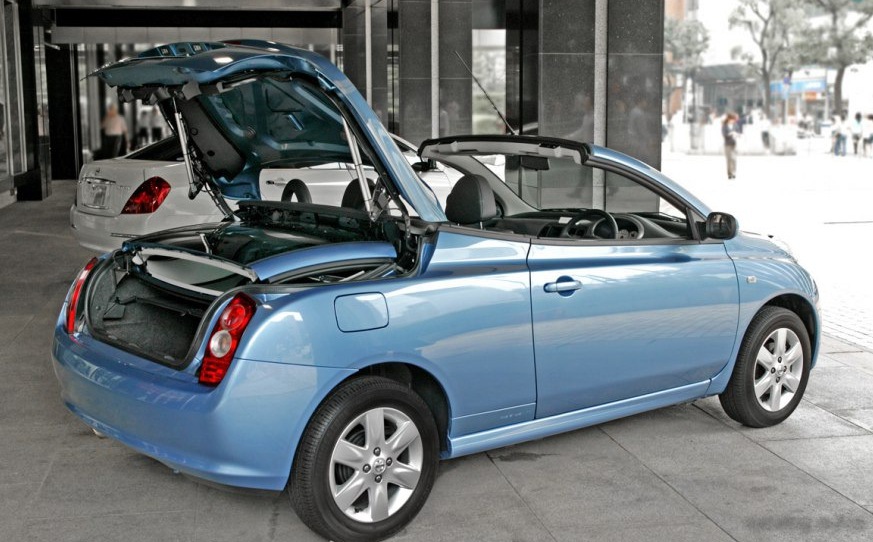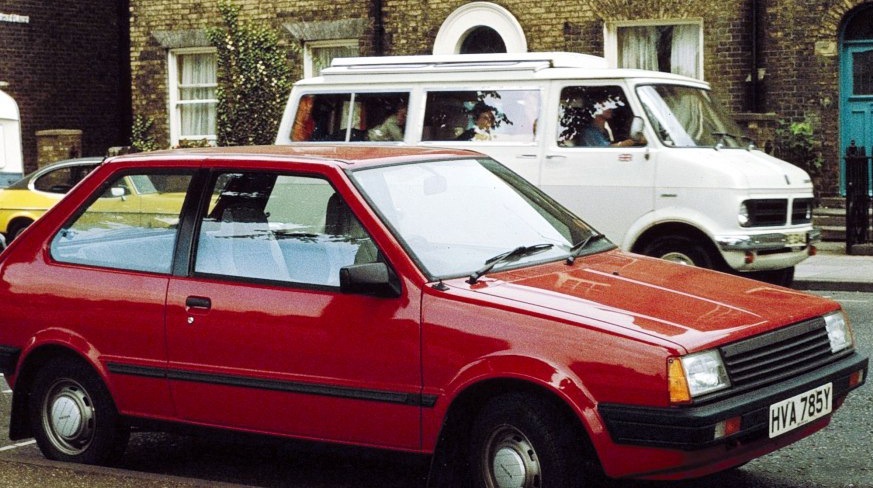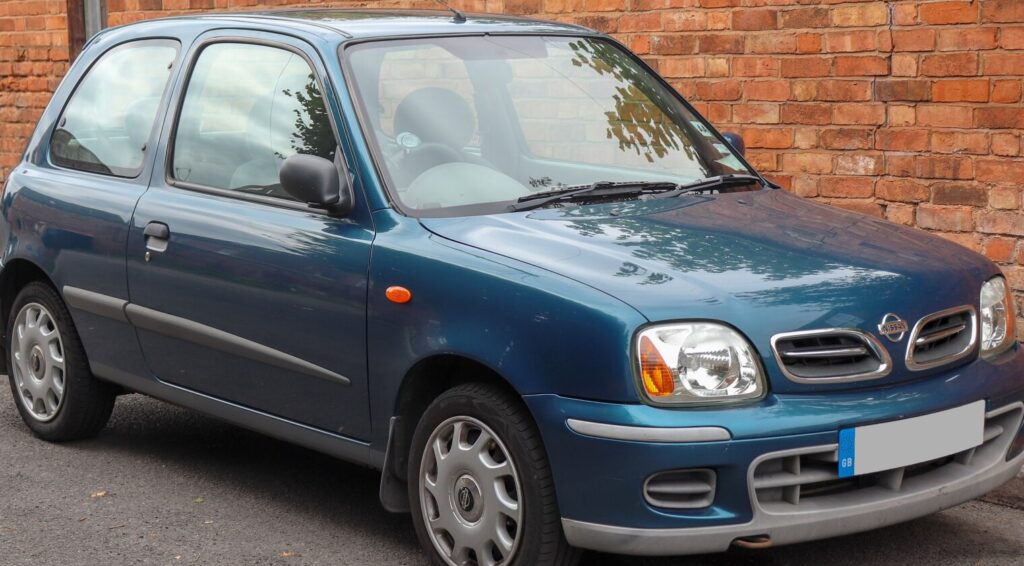
The Nissan Micra K11 1.5 D, produced between 1998 and 2002, represented an economy-focused variant within the second generation (K11) Micra lineup. Positioned as the entry-level diesel option, it catered to buyers prioritizing fuel efficiency and low running costs over outright performance. The K11 Micra, launched in 1992, was a significant model for Nissan in Europe, offering a compact and affordable package. This particular diesel version aimed to broaden the Micra’s appeal in markets where diesel fuel was favored, particularly in Europe. It was available in both 3-door and 5-door body styles.
Technical Specifications
| Brand | Nissan |
| Model | Micra |
| Generation | Micra (K11) |
| Type (Engine) | 1.5 D (57 Hp) |
| Start of production | 1998 |
| End of production | 2002 |
| Powertrain Architecture | Internal Combustion engine |
| Body type | Hatchback |
| Seats | 5 |
| Doors | 3/5 |
| Fuel consumption (urban) | 6.4 l/100 km (36.8 US mpg, 44.1 UK mpg, 15.6 km/l) |
| Fuel consumption (extra urban) | 4.2 l/100 km (56 US mpg, 67.3 UK mpg, 23.8 km/l) |
| Fuel Type | Diesel |
| Acceleration 0 – 100 km/h | 18 sec |
| Acceleration 0 – 62 mph | 18 sec |
| Acceleration 0 – 60 mph | 17.1 sec |
| Maximum speed | 146 km/h (90.72 mph) |
| Weight-to-power ratio | 15.8 kg/Hp |
| Weight-to-torque ratio | 9.5 kg/Nm |
| Power | 57 Hp @ 5000 rpm |
| Power per litre | 37.3 Hp/l |
| Torque | 95 Nm @ 2250 rpm (70.07 lb.-ft. @ 2250 rpm) |
| Engine layout | Front, Transverse |
| Engine Model/Code | VJX |
| Engine displacement | 1527 cm3 (93.18 cu. in.) |
| Number of cylinders | 4 |
| Engine configuration | Inline |
| Cylinder Bore | 77 mm (3.03 in.) |
| Piston Stroke | 82 mm (3.23 in.) |
| Compression ratio | 23:1 |
| Number of valves per cylinder | 2 |
| Fuel injection system | Precombustion chamber injection |
| Engine aspiration | Naturally aspirated |
| Valvetrain | OHC |
| Engine oil capacity | 4.4 l (4.65 US qt | 3.87 UK qt) |
| Coolant capacity | 6.25 l (6.6 US qt | 5.5 UK qt) |
| Kerb Weight | 900 kg (1984.16 lbs.) |
| Max. weight | 1390 kg (3064.43 lbs.) |
| Max load | 490 kg (1080.27 lbs.) |
| Trunk (boot) space – minimum | 206 l (7.27 cu. ft.) |
| Trunk (boot) space – maximum | 960 l (33.9 cu. ft.) |
| Fuel tank capacity | 42 l (11.1 US gal | 9.24 UK gal) |
| Length | 3695 mm (145.47 in.) |
| Width | 1585 mm (62.4 in.) |
| Height | 1430 mm (56.3 in.) |
| Wheelbase | 2360 mm (92.91 in.) |
| Front track | 1360 mm (53.54 in.) |
| Rear track | 1325 mm (52.17 in.) |
| Drivetrain | Front wheel drive |
| Number of gears | 5 |
| Gearbox type | Manual transmission |
| Front suspension | Wishbone |
| Rear suspension | Spring Strut |
| Front brakes | Disc |
| Rear brakes | Drum |
| Assisting systems | ABS (Anti-lock braking system) |
| Steering type | Steering rack and pinion |
| Power steering | Hydraulic |
| Tires size | 165/60R13 |
Powertrain & Engine Architecture
The heart of the K11 1.5 D was the VJX engine, a 1.5-liter inline-four diesel. This engine utilized precombustion chamber injection, a common diesel technology of the era. Unlike direct injection systems, precombustion chambers housed a glow plug and a small auxiliary combustion chamber, improving cold-starting performance and combustion efficiency. The engine produced 57 horsepower at 5000 rpm and 95 Nm (70 lb-ft) of torque at 2250 rpm. The engine featured an overhead camshaft (OHC) valvetrain with two valves per cylinder. The engine was transversely mounted, driving the front wheels. The five-speed manual transmission was the only gearbox option available with this engine, prioritizing fuel economy over sporty driving.
Driving Characteristics
The 1.5 D Micra was not designed for speed. Acceleration was leisurely, taking around 18 seconds to reach 60 mph. The focus was on maximizing fuel economy and providing a comfortable, if unexciting, driving experience. The gear ratios were optimized for efficiency, with taller gearing in higher gears to reduce engine speed at cruising speeds. Compared to the 1.6-liter gasoline versions of the K11, the 1.5 D offered significantly less power but superior fuel economy. The manual transmission allowed for reasonable control, but the engine lacked the responsiveness of its petrol counterparts. The relatively light weight of the K11 helped mitigate the lack of power to some extent.
Equipment & Trim Levels
The 1.5 D Micra typically came with a basic level of equipment. Standard features generally included power steering, central locking, and an AM/FM radio. Interior upholstery was typically cloth, and the dashboard was constructed from durable plastics. Optional extras included air conditioning, electric windows, and alloy wheels. Trim levels were relatively simple, with the 1.5 D often representing the base trim. The interior was functional and practical, prioritizing space efficiency over luxury.
Chassis & Braking
The K11 Micra utilized a simple yet effective chassis design. Front suspension consisted of wishbones, while the rear employed a spring strut setup. Brakes were disc on the front wheels and drum brakes on the rear, a common configuration for economy cars of this era. Anti-lock Braking System (ABS) was often included as standard equipment, enhancing safety. The relatively narrow tires (165/60R13) contributed to fuel efficiency but limited grip. The suspension was tuned for comfort, providing a reasonably smooth ride on typical road surfaces.
Market Reception & Comparison
The 1.5 D Micra was well-received in markets where diesel cars were popular, particularly in Europe. Critics praised its fuel economy and low running costs, making it an attractive option for budget-conscious buyers. However, the engine’s lack of power was often noted. Compared to the 1.3 and 1.6-liter petrol versions, the 1.5 D offered significantly lower performance but superior fuel efficiency. The 1.5 D was often seen as a practical and sensible choice, ideal for city driving and commuting. Its reliability was also a positive point, contributing to its popularity.
Legacy
The Nissan Micra K11 1.5 D has proven to be a relatively reliable and durable vehicle. The VJX diesel engine, while not particularly powerful, is known for its longevity when properly maintained. Today, these cars are increasingly sought after by enthusiasts and collectors, particularly those looking for a classic and affordable city car. Parts availability can be a challenge, but the Micra’s simple design makes it relatively easy to repair. The K11 1.5 D remains a testament to Nissan’s ability to produce a practical, economical, and reliable small car.