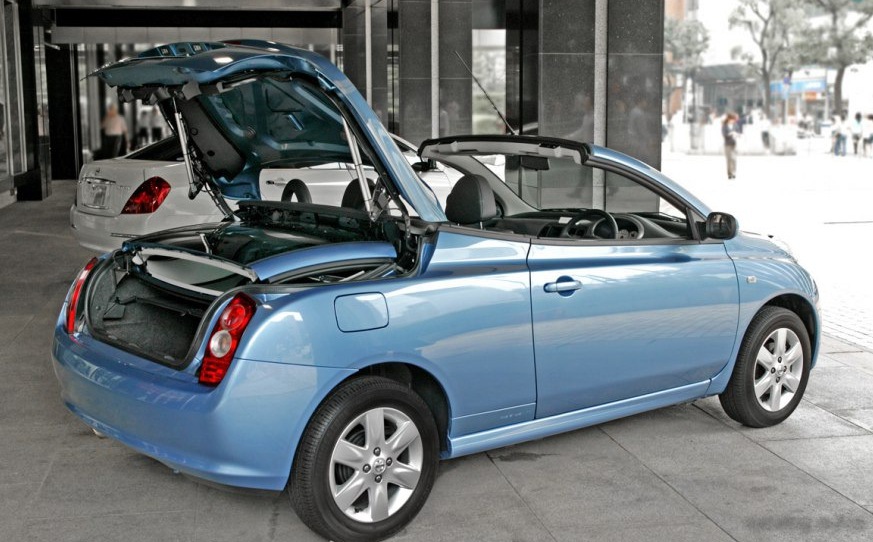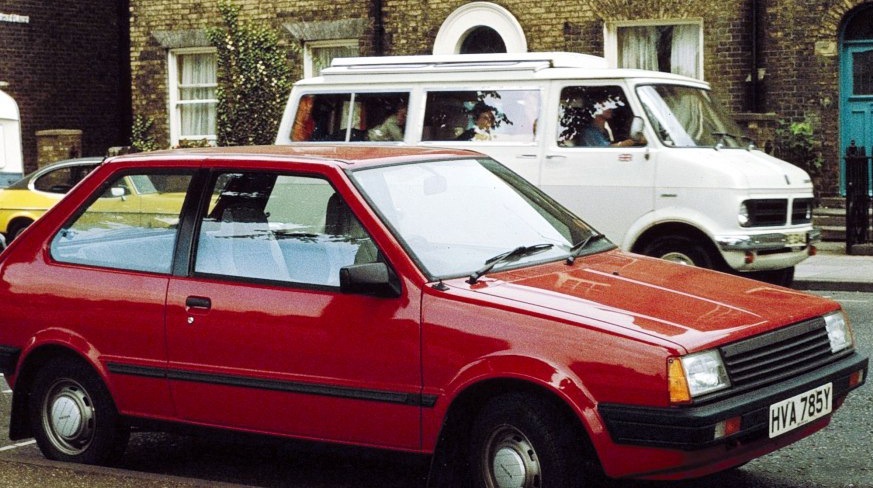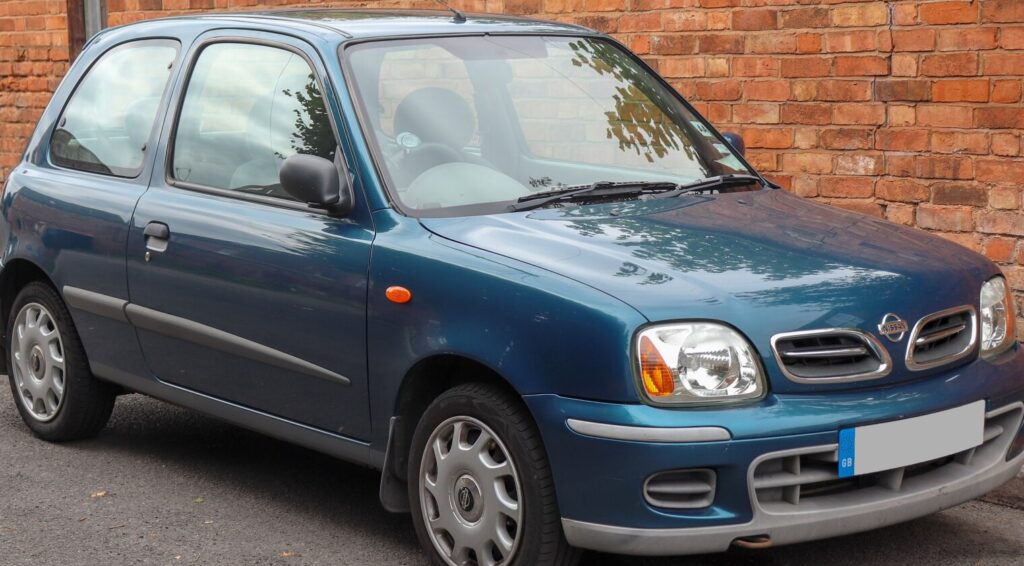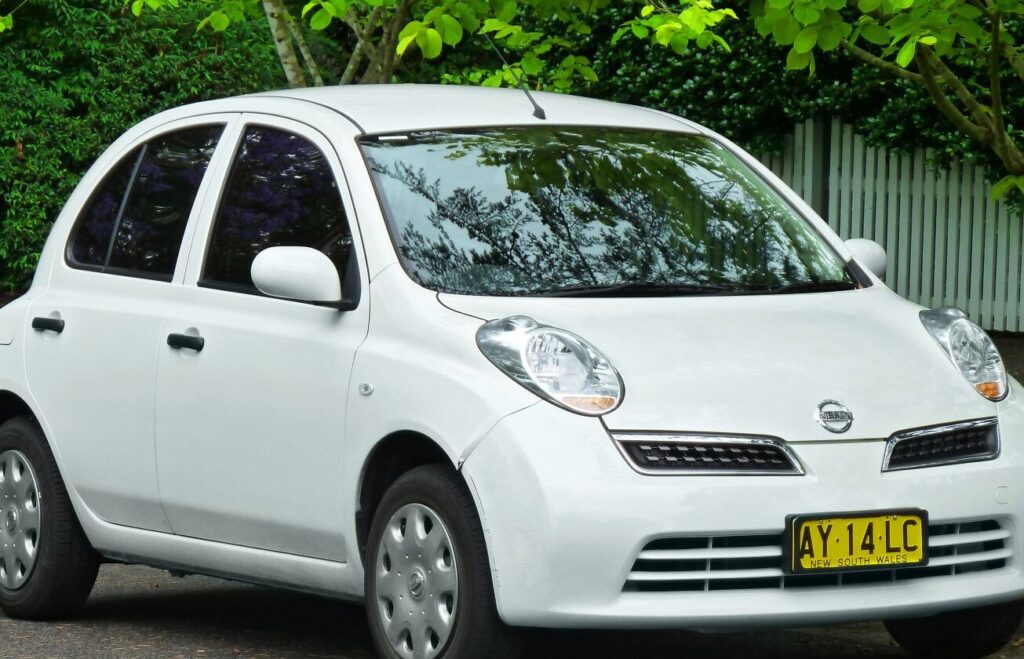
The Nissan Micra K12, produced from 2003 to 2010, represented a significant departure from its predecessors, embracing a more contemporary and rounded design. Within the K12 generation, the 1.5 Di variant, powered by the K9K 722 engine and producing 82 horsepower, occupied a specific niche in the European market. Introduced primarily to cater to drivers seeking fuel efficiency and lower running costs, this model was available with both 3 and 5-door body styles and served as a practical and economical choice within the supermini segment. Production of this specific engine configuration ran from 2003 to 2005, before being superseded by later iterations of the K9K engine.
Technical Specifications
| Brand | Nissan |
| Model | Micra |
| Generation | Micra (K12) |
| Type (Engine) | 1.5 Di (82 Hp) |
| Start of production | 2003 |
| End of production | 2005 |
| Powertrain Architecture | Internal Combustion engine |
| Body type | Hatchback |
| Seats | 5 |
| Doors | 3/5 |
| Fuel consumption (urban) | 5.5 l/100 km (42.8 US mpg, 51.4 UK mpg, 18.2 km/l) |
| Fuel consumption (extra urban) | 4 l/100 km (58.8 US mpg, 70.6 UK mpg, 25 km/l) |
| Fuel consumption (combined) | 4.5 l/100 km (52.3 US mpg, 62.8 UK mpg, 22.2 km/l) |
| Fuel Type | Diesel |
| Maximum speed | 170 km/h (105.63 mph) |
| Weight-to-power ratio | 12.5 kg/Hp, 80 Hp/tonne |
| Weight-to-torque ratio | 5.5 kg/Nm, 180.5 Nm/tonne |
| Power | 82 Hp @ 4000 rpm |
| Power per litre | 56.2 Hp/l |
| Torque | 185 Nm @ 1750 rpm (136.45 lb.-ft. @ 1750 rpm) |
| Engine layout | Front, Transverse |
| Engine Model/Code | K9K 722 |
| Engine displacement | 1460 cm3 (89.09 cu. in.) |
| Number of cylinders | 4 |
| Engine configuration | Inline |
| Cylinder Bore | 76 mm (2.99 in.) |
| Piston Stroke | 80.5 mm (3.17 in.) |
| Compression ratio | 18.8:1 |
| Number of valves per cylinder | 2 |
| Fuel injection system | Diesel Commonrail |
| Engine aspiration | Turbocharger, Intercooler |
| Valvetrain | OHC |
| Engine oil capacity | 4.55 l (4.81 US qt | 4 UK qt) |
| Coolant | 6.5 l (6.87 US qt | 5.72 UK qt) |
| Kerb Weight | 1025 kg (2259.74 lbs.) |
| Max. weight | 1510 kg (3328.98 lbs.) |
| Max load | 485 kg (1069.24 lbs.) |
| Trunk (boot) space – minimum | 371 l (13.1 cu. ft.) |
| Trunk (boot) space – maximum | 584 l (20.62 cu. ft.) |
| Fuel tank capacity | 46 l (12.15 US gal | 10.12 UK gal) |
| Length | 3715 mm (146.26 in.) |
| Width | 1660 mm (65.35 in.) |
| Height | 1525 mm (60.04 in.) |
| Wheelbase | 2430 mm (95.67 in.) |
| Front track | 1470 mm (57.87 in.) |
| Rear (Back) track | 1445 mm (56.89 in.) |
| Minimum turning circle | 8.8 m (28.87 ft.) |
| Drivetrain Architecture | Front wheel drive |
| Number of gears | 5 |
| Gearbox type | Manual transmission |
| Front suspension | Spring Strut |
| Rear suspension | Torsion |
| Front brakes | Ventilated discs |
| Rear brakes | Disc |
| Assisting systems | ABS (Anti-lock braking system) |
| Steering type | Steering rack and pinion |
| Tires size | 175/60 R15 |
| Wheel rims size | 5.5J x 15 |
INTRODUCTION
The Nissan Micra K12 1.5 Di, launched in 2003, was a key component of Nissan’s strategy to offer a competitive and fuel-efficient supermini in the European market. Positioned as an entry-level diesel option, it aimed to attract buyers prioritizing economy over outright performance. The K12 platform, a complete redesign from the previous generation, offered improved interior space, enhanced safety features, and a more refined driving experience. This variant, with its 1.5-liter turbocharged diesel engine, was particularly popular in countries with higher diesel fuel taxes and incentives.
Powertrain & Engine Architecture
At the heart of the Micra 1.5 Di lies the K9K 722 engine, a 1.5-liter inline-four cylinder diesel. This engine is a product of the Renault-Nissan Alliance and is known for its robust design and fuel efficiency. The K9K 722 utilizes a common rail direct injection system, delivering fuel directly into the combustion chamber at extremely high pressure. This technology, coupled with a turbocharger and intercooler, allows for a good balance of power and economy. The engine features an overhead camshaft (OHC) valvetrain with two valves per cylinder. The 5-speed manual transmission was the only gearbox option available with this engine, prioritizing fuel efficiency over rapid acceleration. The engine’s relatively simple design contributed to its reliability, although the diesel particulate filter (DPF) – a standard feature on later iterations of the K9K – could be a potential maintenance concern.
Driving Characteristics
The 1.5 Di Micra wasn’t designed for spirited driving. With 82 horsepower and 185 Nm (136 lb-ft) of torque, acceleration was adequate for urban and suburban driving, but overtaking on highways required careful planning. The engine’s peak torque was available from a low 1750 rpm, providing reasonable responsiveness at lower speeds. The 5-speed manual gearbox was well-matched to the engine’s characteristics, with gear ratios optimized for fuel economy. Compared to the more powerful 1.6-liter petrol variants, the 1.5 Di offered significantly better fuel economy but lacked the same level of performance. The manual transmission provided a more engaging driving experience than the automatic options available on other Micra trims.
Equipment & Trim Levels
The 1.5 Di trim level typically represented the entry point into the diesel Micra range. Standard equipment generally included power steering, central locking, electric front windows, and an adjustable steering column. Interior upholstery was typically cloth, and the dashboard featured a functional, if somewhat basic, design. Optional extras included air conditioning, alloy wheels, and a CD player. Higher trim levels, such as the Visia and Acenta, added features like remote central locking, electric rear windows, and a more comprehensive audio system. The focus of the 1.5 Di trim was on providing essential features at an affordable price point.
Chassis & Braking
The Micra K12 utilized a front-wheel-drive layout with a MacPherson strut suspension at the front and a torsion beam suspension at the rear. This setup provided a comfortable ride quality, although it wasn’t particularly sporty. The front brakes were ventilated discs, offering good stopping power, while the rear brakes were solid discs. ABS (Anti-lock Braking System) was standard, enhancing safety. The relatively lightweight construction of the Micra – around 1025 kg (2259 lbs) – contributed to its nimble handling. Stabilizer bars were fitted to both the front and rear axles to reduce body roll during cornering.
Market Reception & Comparison
The Nissan Micra 1.5 Di was generally well-received by critics for its fuel efficiency and low running costs. It was often praised as a practical and economical choice for urban commuters. However, some reviewers noted its lack of outright performance and its somewhat basic interior. Compared to other superminis of the time, such as the Ford Fiesta and the Volkswagen Polo, the Micra 1.5 Di offered a competitive fuel economy figure but lacked the same level of refinement and driving dynamics. The 1.6-liter petrol Micra offered more power but at the expense of fuel economy, making the 1.5 Di a popular choice for those prioritizing efficiency.
Legacy
The K9K engine, in its various iterations, proved to be a durable and reliable powerplant. The 1.5 Di version of the Micra K12 remains a relatively common sight on used car markets today. While the diesel particulate filter (DPF) can be a potential issue on later models, the engine itself is generally considered to be robust. The Micra K12 1.5 Di represents a practical and economical choice for buyers seeking a reliable and fuel-efficient supermini. Its enduring popularity is a testament to its simple design, robust construction, and low running costs.