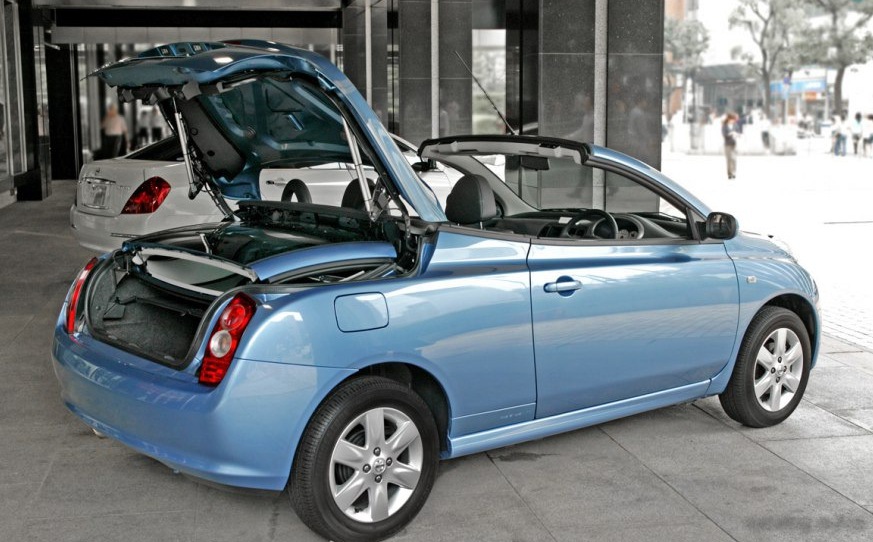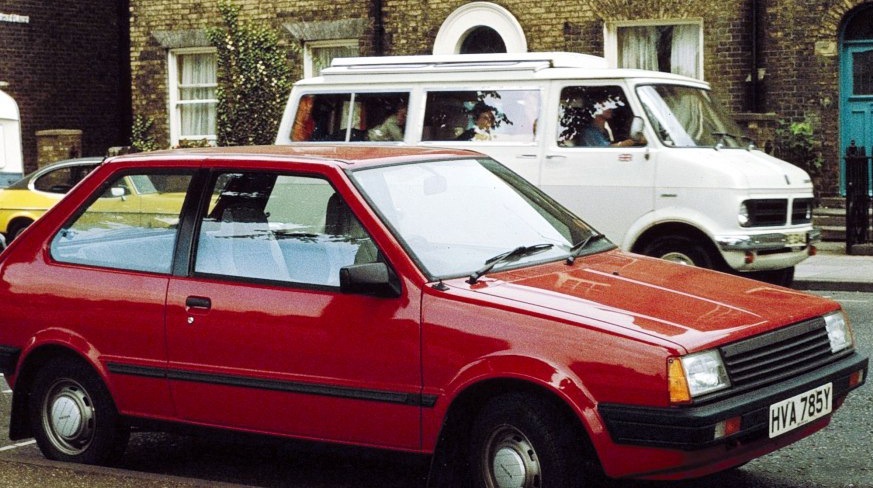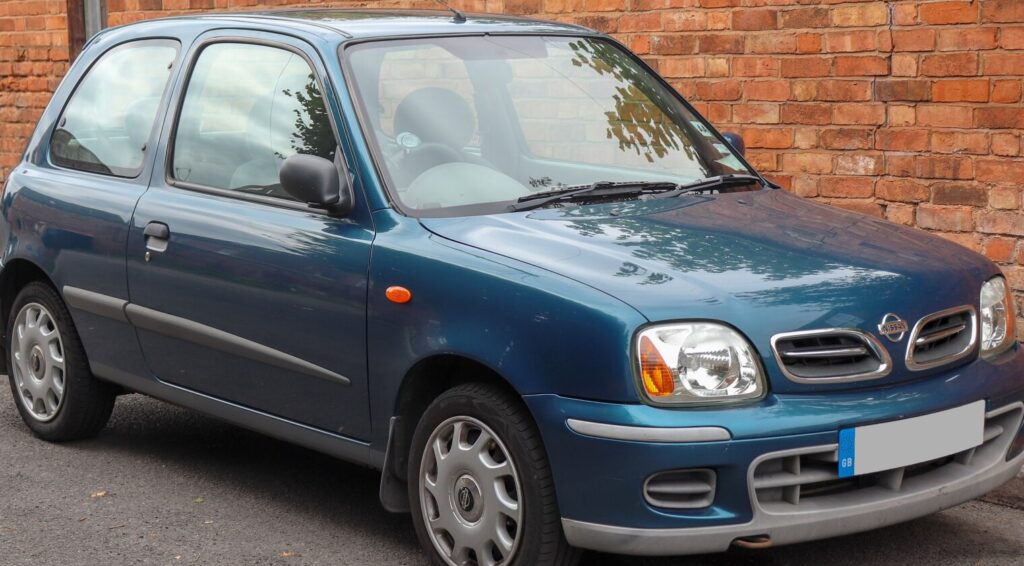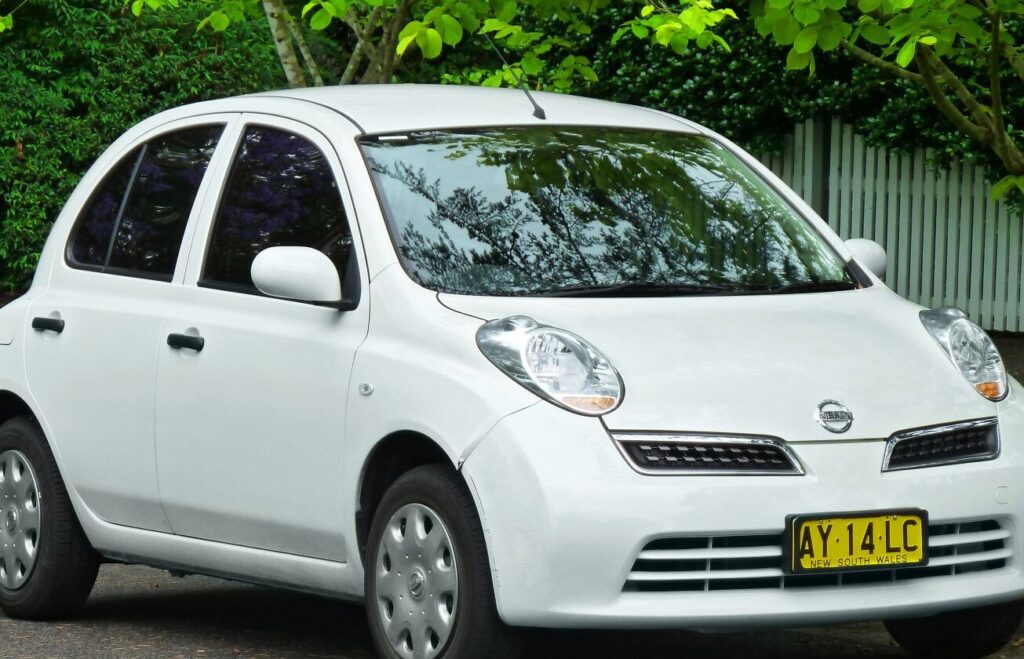
The Nissan Micra K12 160 SR, produced between 2005 and 2010, represented a significant step up in performance and features for Nissan’s supermini in the European market. Positioned as a mid-range trim level, the 160 SR offered a more engaging driving experience than the base models, appealing to buyers seeking a blend of practicality and spirited performance. It was a key variant within the K12 series, which aimed to modernize the Micra’s image and broaden its appeal beyond its traditionally conservative customer base. The K12 generation, sold in both three and five-door configurations, was a departure from its predecessor, offering increased interior space and a more refined driving experience.
Technical Specifications
| Brand | Nissan |
| Model | Micra |
| Generation | Micra (K12) |
| Type | 160 SR (110 Hp) |
| Start of production | 2005 |
| End of production | 2010 |
| Powertrain Architecture | Internal Combustion engine |
| Body type | Hatchback |
| Seats | 5 |
| Doors | 3/5 |
| Fuel consumption (urban) | 8.7 l/100 km (27 US mpg, 32.5 UK mpg, 11.5 km/l) |
| Fuel consumption (extra urban) | 5.4 l/100 km (43.6 US mpg, 52.3 UK mpg, 18.5 km/l) |
| Fuel Type | Petrol (Gasoline) |
| Acceleration 0 – 100 km/h | 9.8 sec |
| Acceleration 0 – 62 mph | 9.8 sec |
| Acceleration 0 – 60 mph | 9.3 sec |
| Maximum speed | 183 km/h (113.71 mph) |
| Weight-to-power ratio | 9.3 kg/Hp, 107.4 Hp/tonne |
| Weight-to-torque ratio | 6.7 kg/Nm, 149.4 Nm/tonne |
| Power | 110 Hp @ 6000 rpm |
| Power per litre | 68.8 Hp/l |
| Torque | 153 Nm (112.85 lb.-ft.) |
| Engine layout | Front, Transverse |
| Engine Model/Code | HR16DE |
| Engine displacement | 1598 cm3 (97.52 cu. in.) |
| Number of cylinders | 4 |
| Engine configuration | Inline |
| Cylinder Bore | 78 mm (3.07 in.) |
| Piston Stroke | 83.6 mm (3.29 in.) |
| Compression ratio | 10.7:1 |
| Number of valves per cylinder | 4 |
| Fuel injection system | Multi-port manifold injection |
| Engine aspiration | Naturally aspirated engine |
| Engine oil capacity | 4.5 l (4.76 US qt, 3.96 UK qt) |
| Coolant capacity | 5.3 l (5.6 US qt, 4.66 UK qt) |
| Kerb Weight | 1024 kg (2257.53 lbs.) |
| Max. weight | 1490 kg (3284.89 lbs.) |
| Max load | 466 kg (1027.35 lbs.) |
| Trunk (boot) space – minimum | 251 l (8.86 cu. ft.) |
| Trunk (boot) space – maximum | 982 l (34.68 cu. ft.) |
| Fuel tank capacity | 46 l (12.15 US gal, 10.12 UK gal) |
| Length | 3719 mm (146.42 in.) |
| Width | 1660 mm (65.35 in.) |
| Height | 1540 mm (60.63 in.) |
| Wheelbase | 2430 mm (95.67 in.) |
| Front track | 1450 mm (57.09 in.) |
| Rear track | 1438 mm (56.61 in.) |
| Drivetrain Architecture | Front wheel drive |
| Number of gears | 5 |
| Gearbox type | Manual transmission |
| Front suspension | Independent coil spring |
| Rear suspension | Independent coil spring |
| Front brakes | Disc |
| Rear brakes | Drum |
| Assisting systems | ABS (Anti-lock braking system) |
| Tires size | 185/50R16 |
INTRODUCTION
The Nissan Micra K12 160 SR, launched in 2005, was a key component of Nissan’s efforts to revitalize the Micra nameplate. Building upon the foundation of the K12 platform – shared with the Renault Clio II – the 160 SR offered a more powerful engine option than the standard 1.4-liter variants. This model aimed to attract a broader demographic, including younger drivers and those seeking a more enjoyable driving experience in the supermini segment. Available in both three and five-door body styles, the 160 SR was positioned as a mid-range offering, bridging the gap between the entry-level models and the more expensive, fully-equipped trims.
Powertrain & Engine Architecture
At the heart of the 160 SR lies the HR16DE 1.6-liter inline-four cylinder engine. This engine, part of Nissan’s HR series, featured multi-point fuel injection and a dual overhead camshaft (DOHC) valvetrain with four valves per cylinder. The HR16DE was known for its relatively smooth operation and decent power output for its displacement. The engine produced 110 horsepower at 6000 rpm and 153 Nm (113 lb-ft) of torque. The 160 SR was exclusively offered with a five-speed manual transmission, providing drivers with direct control over the engine’s power. This transmission was chosen to complement the engine’s performance characteristics, offering a balance between responsiveness and fuel efficiency. The engine’s transverse mounting and front-wheel-drive configuration were standard for this class of vehicle.
Driving Characteristics
The 160 SR offered a noticeable improvement in performance compared to the lower-powered Micra variants. The 1.6-liter engine provided brisk acceleration, with a 0-60 mph time of around 9.3 seconds and a top speed of 113.71 mph. While not a sports car, the 160 SR felt lively and responsive in everyday driving situations. The five-speed manual transmission allowed drivers to keep the engine in its optimal power band, maximizing acceleration and providing a more engaging driving experience. The gear ratios were well-suited to both urban and highway driving, offering sufficient torque for overtaking maneuvers and comfortable cruising speeds. Compared to the 1.4-liter models, the 160 SR felt significantly more capable, particularly when fully loaded or tackling hilly terrain.
Equipment & Trim Levels
The 160 SR trim level included a number of standard features designed to enhance comfort and convenience. These typically included air conditioning, electric front windows, a CD player with radio, and central locking. Interior upholstery was usually a cloth material, with a relatively simple but functional dashboard layout. Optional extras available for the 160 SR included alloy wheels, a sunroof, and upgraded audio systems. The 160 SR’s interior was generally well-built and durable, although it lacked the premium feel of some of its competitors. The focus was on providing a practical and comfortable environment for both driver and passengers.
Chassis & Braking
The Micra K12 160 SR utilized an independent coil spring suspension system for both the front and rear wheels. This setup provided a good balance between ride comfort and handling. The front suspension featured MacPherson struts, while the rear employed a torsion beam arrangement. Braking duties were handled by front disc brakes and rear drum brakes, equipped with an Anti-lock Braking System (ABS) as standard. The braking system was adequate for the vehicle’s performance capabilities, providing sufficient stopping power in most driving conditions. The 160 SR’s relatively lightweight construction contributed to its nimble handling characteristics.
Market Reception & Comparison
The Nissan Micra K12 160 SR was generally well-received by automotive critics. It was praised for its improved performance, comfortable ride, and practical interior. However, some reviewers noted that the interior design was somewhat dated compared to some of its rivals. Compared to other superminis in its class, such as the Ford Fiesta and the Renault Clio, the 160 SR offered a competitive level of performance and equipment at a reasonable price point. Fuel economy was also a strong point, with the 1.6-liter engine returning respectable figures in both urban and extra-urban driving cycles. The 160 SR’s reliability was generally considered to be good, although regular maintenance was essential to ensure long-term durability.
Legacy
The Nissan Micra K12 160 SR remains a popular choice in the used car market, particularly for buyers seeking an affordable and reliable supermini. The HR16DE engine is known for its durability and relatively low maintenance costs. While not a particularly exciting car, the 160 SR offers a practical and enjoyable driving experience. Its combination of decent performance, good fuel economy, and reasonable running costs makes it a sensible choice for first-time car buyers or those seeking a dependable city car. Today, well-maintained examples of the 160 SR can still be found in good condition, offering a testament to the K12 platform’s overall robustness.