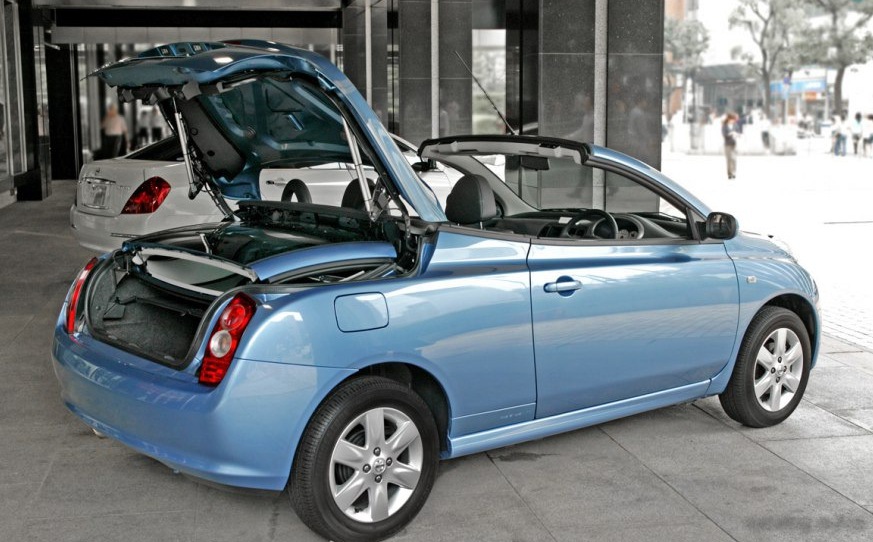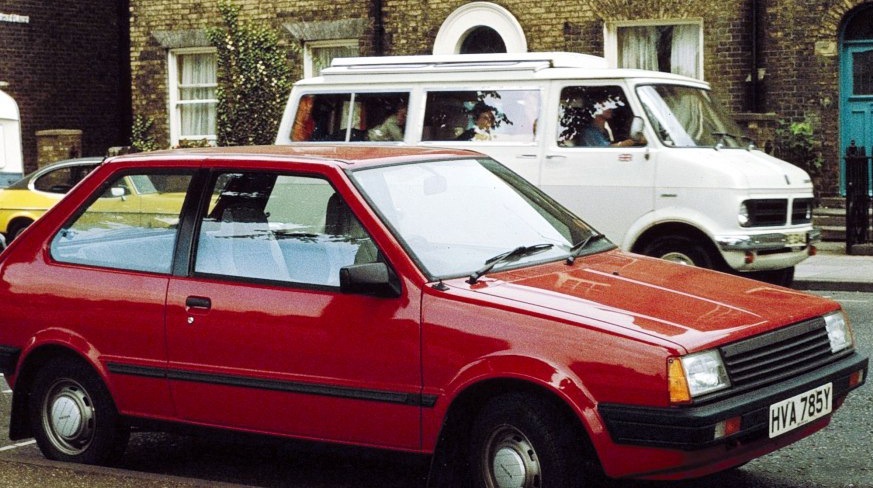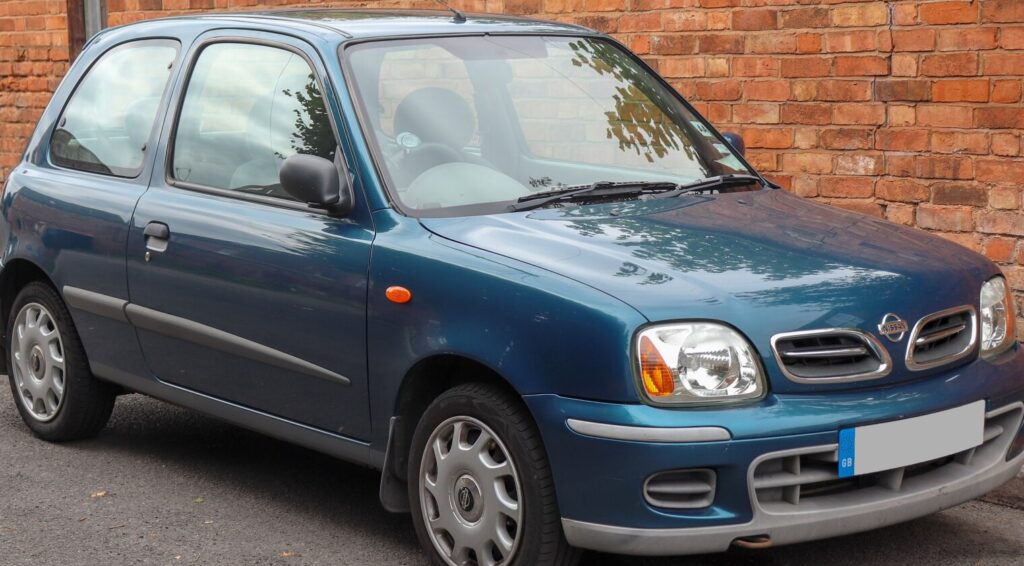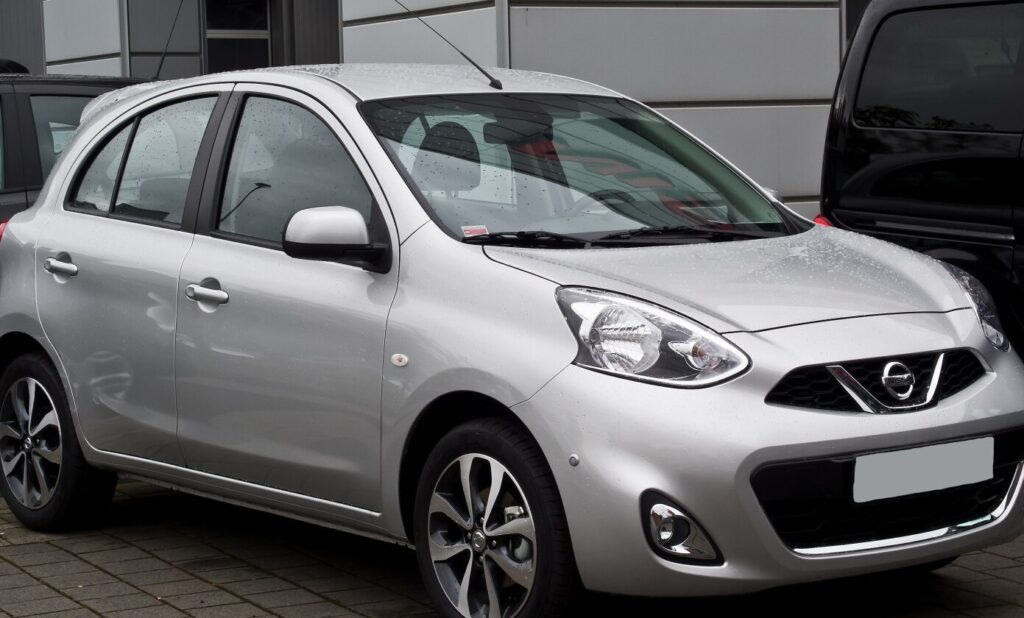
The Nissan Micra K13, specifically the facelifted model produced from 2013 to 2017, represented Nissan’s fourth generation of the popular supermini. Within the K13 range, the 1.2-liter 80 horsepower variant equipped with a Continuously Variable Transmission (CVT) occupied the entry-level position in many European markets. Designed as an affordable and fuel-efficient city car, this version aimed to provide a comfortable and easy driving experience, prioritizing economy over outright performance. The K13 generation was a significant departure from its predecessors, adopting a more modern and rounded design, and was primarily aimed at the European market, with limited sales in other regions.
Technical Specifications
| Brand | Nissan |
| Model | Micra |
| Generation | Micra (K13, facelift 2013) |
| Type (Engine) | 1.2 (80 Hp) CVT |
| Start of production | 2013 |
| End of production | 2017 |
| Powertrain Architecture | Internal Combustion engine |
| Body type | Hatchback |
| Seats | 5 |
| Doors | 5 |
| Fuel consumption (urban) | 6.7 l/100 km (35.1 US mpg, 42.2 UK mpg, 14.9 km/l) |
| Fuel consumption (extra urban) | 4.6 l/100 km (51.1 US mpg, 61.4 UK mpg, 21.7 km/l) |
| Fuel consumption (combined) | 5.4 l/100 km (43.6 US mpg, 52.3 UK mpg, 18.5 km/l) |
| CO2 emissions | 125 g/km |
| Fuel Type | Petrol (Gasoline) |
| Acceleration 0 – 100 km/h | 14.5 sec |
| Acceleration 0 – 62 mph | 14.5 sec |
| Acceleration 0 – 60 mph | 13.8 sec |
| Maximum speed | 161 km/h (100.04 mph) |
| Emission standard | Euro 5 |
| Weight-to-power ratio | 13.2 kg/Hp, 75.8 Hp/tonne |
| Weight-to-torque ratio | 9.6 kg/Nm, 104.3 Nm/tonne |
| Power | 80 Hp |
| Power per litre | 66.8 Hp/l |
| Torque | 110 Nm @ 4000 rpm (81.13 lb.-ft. @ 4000 rpm) |
| Engine layout | Front, Transverse |
| Engine Model/Code | HR12DE |
| Engine displacement | 1198 cm3 (73.11 cu. in.) |
| Number of cylinders | 3 |
| Engine configuration | Inline |
| Fuel injection system | Multi-port manifold injection |
| Engine aspiration | Naturally aspirated engine |
| Engine oil capacity | 3.4 l (3.59 US qt, 2.99 UK qt) |
| Coolant capacity | 5.6 l (5.92 US qt, 4.93 UK qt) |
| Kerb Weight | 1055 kg (2325.88 lbs.) |
| Max. weight | 1425 kg (3141.59 lbs.) |
| Max load | 370 kg (815.71 lbs.) |
| Length | 3825 mm (150.59 in.) |
| Width | 1670 mm (65.75 in.) |
| Height | 1525 mm (60.04 in.) |
| Wheelbase | 2450 mm (96.46 in.) |
| Front track | 1470 mm (57.87 in.) |
| Rear track | 1475 mm (58.07 in.) |
| Drivetrain | Front wheel drive |
| Steering type | Steering rack and pinion |
| Power steering | Electric Steering |
| Tires size | 175/60 R15 |
| Wheel rims size | 15 |
Powertrain & Engine Architecture
The heart of this Micra variant is the HR12DE, a 1.2-liter inline three-cylinder petrol engine. This engine is characterized by its compact size and lightweight construction, contributing to the car’s overall efficiency. The HR12DE utilizes multi-point fuel injection and a single overhead camshaft (SOHC) valvetrain with three valves per cylinder (two intake, one exhaust). This configuration helps to optimize gas flow and improve combustion efficiency. Paired with the engine is a Continuously Variable Transmission (CVT), which, unlike traditional automatic transmissions with fixed gear ratios, provides a seamless and stepless gear change. Nissan’s CVT, known as Xtronic CVT, uses a belt and pulley system to deliver power, prioritizing fuel economy and smooth acceleration over sporty responsiveness.
Driving Characteristics
The 1.2L 80 hp CVT Micra delivers a decidedly unhurried driving experience. Acceleration from 0-60 mph takes around 13.8 seconds, and top speed is limited to 100 mph. The CVT contributes to a smooth, linear power delivery, but it can also feel somewhat detached and lacking in engine braking. The transmission is programmed to prioritize fuel efficiency, meaning it often holds lower ‘gear’ ratios for longer, resulting in a noticeable ‘rubber band’ effect during acceleration. Compared to the manual transmission versions of the same engine, the CVT sacrifices some responsiveness for ease of use. Higher-output versions of the K13 Micra, such as those with the 1.5-liter engine, offered significantly more performance, but at the cost of increased fuel consumption.
Equipment & Trim Levels
The 1.2L 80 hp CVT Micra typically came equipped with a basic but functional level of standard features. These generally included air conditioning, power steering, electric front windows, a basic audio system with USB connectivity, and ABS brakes. Safety features such as driver and passenger airbags were also standard. Interior upholstery was typically cloth, and the dashboard featured a simple, functional design. Optional extras included alloy wheels, a more advanced audio system, and parking sensors. Trim levels varied slightly depending on the market, but this variant generally represented the entry point to the K13 Micra range.
Chassis & Braking
The K13 Micra utilizes a front-wheel-drive platform with a MacPherson strut suspension at the front and a torsion beam suspension at the rear. This setup provides a comfortable ride quality, particularly on smooth roads. The braking system consists of disc brakes at the front and drum brakes at the rear, which were adequate for the car’s weight and performance. Electric power steering provides light and easy steering, making it ideal for navigating tight city streets. Stabilizer bars were fitted to both the front and rear axles to reduce body roll during cornering, though the car’s overall handling was geared more towards comfort than sporty dynamics.
Market Reception & Comparison
The 1.2L CVT Micra was generally well-received as an affordable and economical city car. Critics praised its fuel efficiency and ease of driving, but noted its lack of performance and somewhat unrefined driving experience. Compared to other superminis in its class, such as the Ford Fiesta or Volkswagen Polo, the Micra offered a more budget-friendly option, but lacked the same level of sophistication and driving engagement. The CVT transmission was a point of contention for some reviewers, who found it to be less responsive than a traditional automatic or manual gearbox. However, its fuel economy advantage was undeniable.
Legacy
The HR12DE engine, while not known for its performance, proved to be a relatively reliable unit. The CVT transmission, when properly maintained, also offered good longevity. In the used car market, the 1.2L CVT Micra remains an affordable and practical option for those seeking a low-cost, fuel-efficient city car. However, potential buyers should be aware of the CVT’s maintenance requirements, including regular fluid changes. The K13 Micra, in general, established Nissan as a competitive player in the European supermini segment, and paved the way for subsequent generations of the Micra.