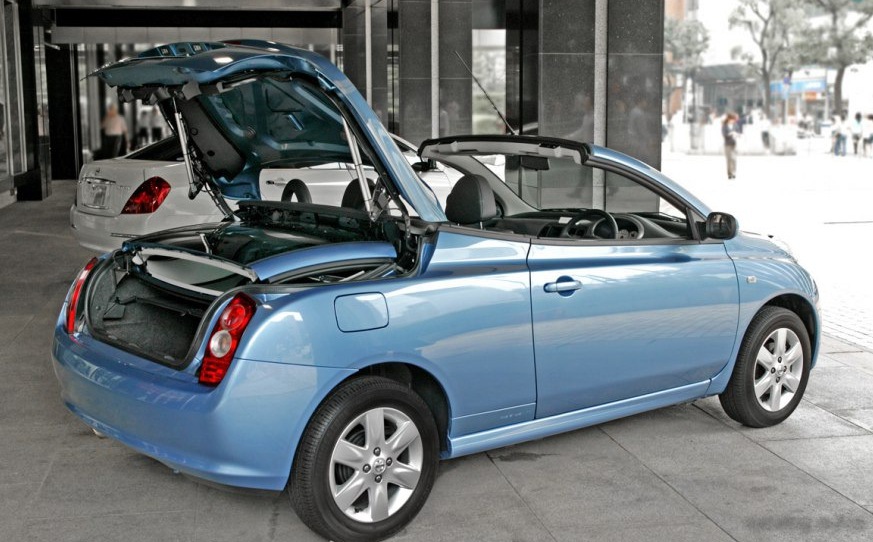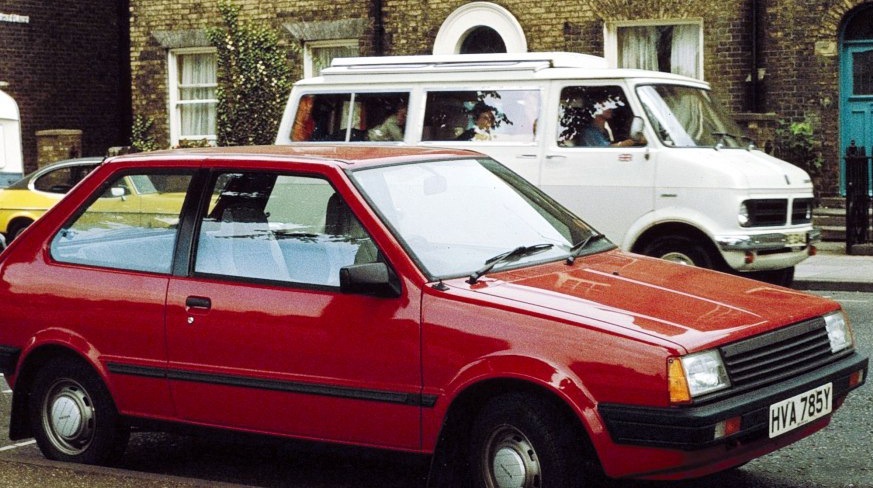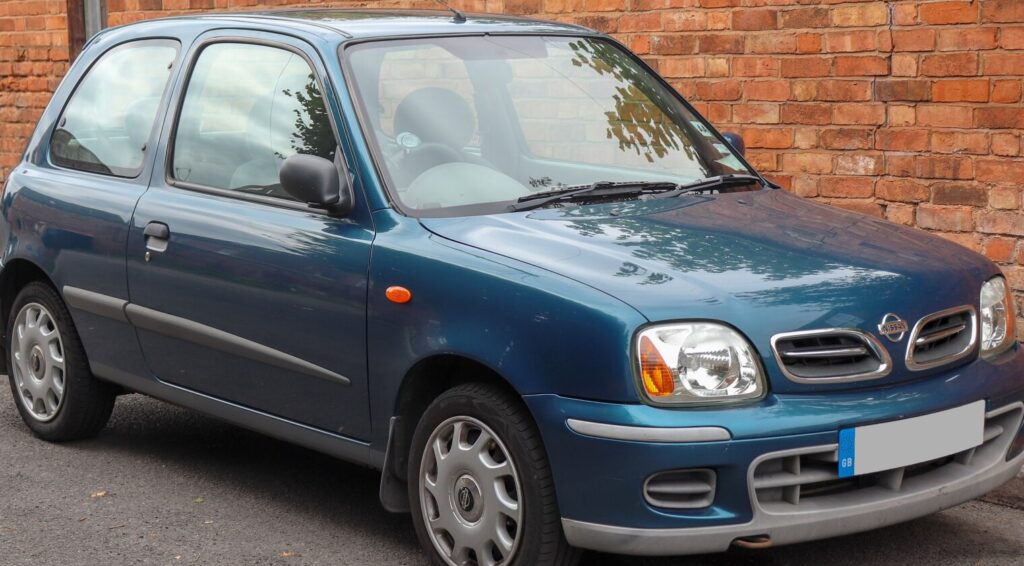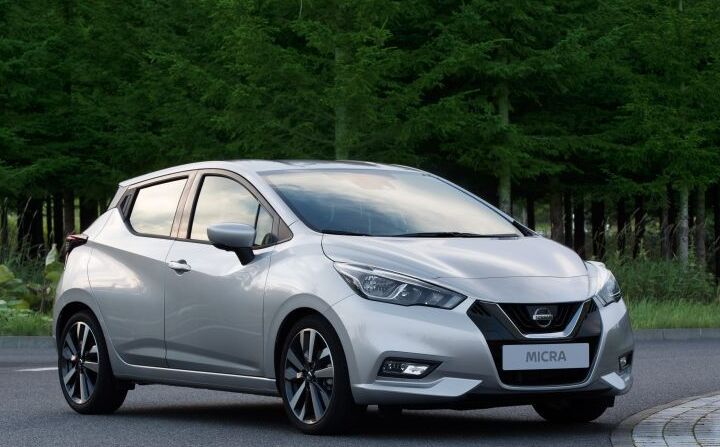
The Nissan Micra K14, produced from 2017 to 2018, represented a significant shift for Nissan’s supermini, aiming to broaden its appeal beyond its traditional European base. The 1.0-liter (73 horsepower) variant, equipped with a five-speed manual transmission, served as the entry point into the K14 lineup. This model was primarily targeted at buyers seeking an affordable, fuel-efficient city car, particularly in markets where smaller displacement engines were favored. It occupied the lowest rung of the K14 ladder, below the 1.5-liter options, and was designed to offer a balance between cost and usability.
Technical Specifications
| Brand | Nissan |
| Model | Micra |
| Generation | Micra (K14) |
| Type (Engine) | 1.0 (73 Hp) |
| Start of production | March, 2017 |
| End of production | August, 2018 |
| Powertrain Architecture | Internal Combustion engine |
| Body type | Hatchback |
| Seats | 5 |
| Doors | 5 |
| Fuel consumption (urban) | 5.8-6.6 l/100 km (40.6 – 35.6 US mpg, 48.7 – 42.8 UK mpg, 17.2 – 15.2 km/l) |
| Fuel consumption (extra urban) | 3.8-4.0 l/100 km (61.9 – 58.8 US mpg, 74.3 – 70.6 UK mpg, 26.3 – 25 km/l) |
| Fuel consumption (combined) | 4.6-4.9 l/100 km (51.1 – 48 US mpg, 61.4 – 57.6 UK mpg, 21.7 – 20.4 km/l) |
| CO2 emissions | 107-115 g/km |
| Fuel Type | Petrol (Gasoline) |
| Acceleration 0 – 100 km/h | 15.1 sec |
| Acceleration 0 – 62 mph | 15.1 sec |
| Acceleration 0 – 60 mph | 14.3 sec |
| Maximum speed | 161 km/h (100.04 mph) |
| Emission standard | Euro 6b |
| Power | 73 Hp @ 6300 rpm |
| Power per litre | 73.1 Hp/l |
| Torque | 95 Nm @ 3500 rpm (70.07 lb.-ft. @ 3500 rpm) |
| Engine layout | Front, Transverse |
| Engine Model/Code | BR10DE |
| Engine displacement | 998 cm3 (60.9 cu. in.) |
| Number of cylinders | 3 |
| Engine configuration | Inline |
| Cylinder Bore | 71 mm (2.8 in.) |
| Piston Stroke | 84 mm (3.31 in.) |
| Compression ratio | 10.5:1 |
| Number of valves per cylinder | 4 |
| Fuel injection system | Multi-port manifold injection |
| Engine aspiration | Naturally aspirated engine |
| Valvetrain | DOHC |
| Engine oil capacity | 3.1 l (3.28 US qt | 2.73 UK qt) |
| Coolant | 5.8 l (6.13 US qt | 5.1 UK qt) |
| Max. weight | 1490 kg (3284.89 lbs.) |
| Trunk (boot) space – minimum | 300 l (10.59 cu. ft.) |
| Trunk (boot) space – maximum | 1004 l (35.46 cu. ft.) |
| Fuel tank capacity | 41 l (10.83 US gal | 9.02 UK gal) |
| Permitted trailer load with brakes (12%) | 900 kg (1984.16 lbs.) |
| Permitted trailer load without brakes | 510 kg (1124.36 lbs.) |
| Length | 3999 mm (157.44 in.) |
| Width | 1743 mm (68.62 in.) |
| Width including mirrors | 1935 mm (76.18 in.) |
| Height | 1455 mm (57.28 in.) |
| Wheelbase | 2525 mm (99.41 in.) |
| Front track | 1510 mm (59.45 in.) |
| Rear (Back) track | 1520 mm (59.84 in.) |
| Minimum turning circle (turning diameter) | 10.3 m (33.79 ft.) |
| Drivetrain Architecture | The Internal combustion engine (ICE) drives the front wheels of the vehicle. |
| Drive wheel | Front wheel drive |
| Number of gears and type of gearbox | 5 gears, manual transmission |
| Front suspension | Independent type McPherson |
| Rear suspension | Semi-independent, coil spring |
| Front brakes | Ventilated discs |
| Rear brakes | Drum |
| Assisting systems | ABS (Anti-lock braking system) |
| Steering type | Steering rack and pinion |
| Power steering | Electric Steering |
| Tires size | 185/65 R15; 195/55 R16; 205/45 R17 |
| Wheel rims size | 6J x 15; 6J x 16; 6.5J x 17 |
INTRODUCTION
The K14 Nissan Micra, launched in March 2017, represented the fifth generation of Nissan’s popular supermini. Designed with a greater emphasis on European tastes than its predecessors, the K14 aimed to offer a more sophisticated driving experience and a more modern interior. The 1.0-liter 73 horsepower engine, paired with a five-speed manual transmission, was positioned as the entry-level option, appealing to buyers prioritizing fuel economy and affordability. Production of this specific configuration ran until August 2018, before being superseded by later iterations of the K14 range.
Powertrain & Engine Architecture
The heart of this Micra variant is the Nissan BR10DE, a 998cc three-cylinder petrol engine. This engine utilizes multi-point fuel injection and a double overhead camshaft (DOHC) valvetrain, contributing to its relatively efficient operation. The BR10DE is a naturally aspirated engine, meaning it doesn’t employ turbocharging or supercharging. The five-speed manual transmission is a standard unit, chosen for its simplicity and cost-effectiveness. Gear ratios are geared towards maximizing fuel efficiency rather than outright performance. The engine’s relatively small displacement and three-cylinder configuration result in a distinctive engine note, often described as characterful but not particularly refined.
Driving Characteristics
The 1.0-liter Micra K14 delivers modest performance. Acceleration is leisurely, taking approximately 15.1 seconds to reach 62 mph (100 km/h). In real-world driving, the engine feels best suited to urban environments and slower-speed roads. The five-speed gearbox requires frequent shifting to maintain momentum, especially when overtaking or climbing hills. Compared to the 1.5-liter versions, the 1.0-liter feels noticeably underpowered, but it offers a lighter steering feel and slightly better fuel economy. The gear ratios are spaced to prioritize fuel efficiency, meaning the engine can feel strained at higher speeds.
Equipment & Trim Levels
The base-level 1.0-liter Micra K14 typically came equipped with basic features such as air conditioning, power steering, electric front windows, and a basic audio system with USB connectivity. Safety features included ABS (Anti-lock Braking System) and multiple airbags. Interior upholstery was typically cloth, with a functional but not luxurious design. Optional extras included alloy wheels, a touchscreen infotainment system with navigation, and parking sensors. Higher trim levels added features like automatic headlights, rain-sensing wipers, and cruise control, but these were not standard on the base 1.0-liter model.
Chassis & Braking
The K14 Micra utilizes a McPherson strut front suspension and a semi-independent coil spring rear suspension. This setup provides a comfortable ride quality, particularly on smooth roads. The front brakes are ventilated discs, offering adequate stopping power, while the rear brakes are drums, a cost-saving measure common in this segment. The steering is electrically assisted, providing a light and easy driving experience. Stabilizer bars are present, but are relatively thin, reflecting the car’s focus on comfort rather than sporty handling.
Market Reception & Comparison
Critics generally praised the K14 Micra for its improved styling and interior quality compared to previous generations. However, the 1.0-liter engine received mixed reviews. While its fuel economy was lauded, its lack of power was a common complaint. Compared to rivals like the Volkswagen Polo or Ford Fiesta, the 1.0-liter Micra felt less refined and offered less engaging driving dynamics. However, it often undercut these competitors on price. The 1.5-liter variants offered a significant performance upgrade, but at a higher cost. The 1.0-liter appealed to buyers prioritizing affordability and low running costs above all else.
Legacy
The 1.0-liter K14 Micra has proven to be a relatively reliable vehicle, with the BR10DE engine generally considered durable. Common issues are typically minor, such as sensor failures or wear-and-tear on suspension components. On the used car market, these models represent an affordable entry point into supermini ownership. Their fuel efficiency and low maintenance costs continue to make them attractive to budget-conscious buyers. While not a performance standout, the 1.0-liter K14 Micra remains a practical and economical choice for city driving.