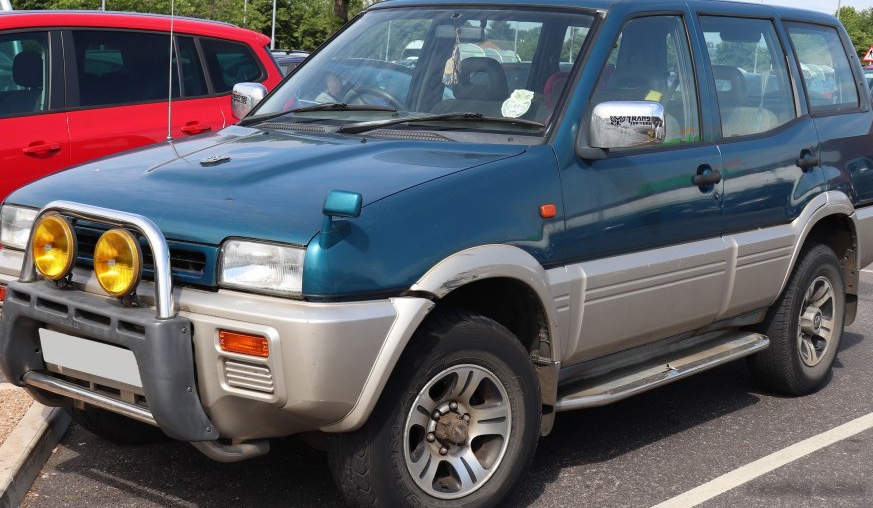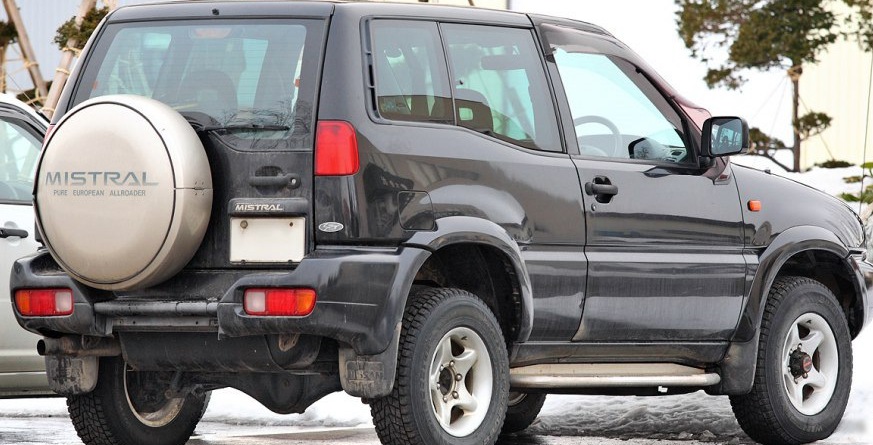
The Nissan Mistral, designated the R20 series, was a compact SUV produced between 1995 and 1999. Positioned as a more affordable and utilitarian alternative to the larger Nissan Patrol, the Mistral was primarily aimed at the European market, where demand for smaller, capable off-road vehicles was growing. It was essentially a rebadged and slightly modified Mitsubishi Pajero Short Wheelbase, a result of the close partnership between Nissan and Mitsubishi at the time. The 2.7 TDi variant, producing 125 horsepower, represented a mid-range offering within the Mistral lineup, balancing fuel efficiency with reasonable performance for its intended purpose. This model aimed to provide a practical and robust vehicle for both on and off-road use.
Technical Specifications
| Brand | Nissan |
| Model | Mistral |
| Generation | Mistral (R20) 3D |
| Type (Engine) | 2.7 TDi (125 Hp) |
| Start of production | 1995 |
| End of production | 1999 |
| Powertrain Architecture | Internal Combustion engine |
| Body type | SUV |
| Seats | 5 |
| Doors | 3 |
| Fuel Type | Diesel |
| Weight-to-power ratio | 13.8 kg/Hp, 72.3 Hp/tonne |
| Weight-to-torque ratio | 6.2 kg/Nm, 160.7 Nm/tonne |
| Power | 125 Hp @ 3600 rpm |
| Power per litre | 46.9 Hp/l |
| Torque | 278 Nm @ 2000 rpm (205.04 lb.-ft. @ 2000 rpm) |
| Engine layout | Front, Longitudinal |
| Engine displacement | 2663 cm3 (162.51 cu. in.) |
| Number of cylinders | 4 |
| Engine configuration | Inline |
| Cylinder Bore | 96 mm (3.78 in.) |
| Piston Stroke | 92 mm (3.62 in.) |
| Compression ratio | 21.9:1 |
| Number of valves per cylinder | 2 |
| Fuel injection system | Precombustion chamber injection |
| Engine aspiration | Turbocharger |
| Kerb Weight | 1730 kg (3814 lbs.) |
| Max. weight | 2300 kg (5070.63 lbs.) |
| Max load | 570 kg (1256.63 lbs.) |
| Trunk (boot) space – minimum | 335 l (11.83 cu. ft.) |
| Trunk (boot) space – maximum | 1650 l (58.27 cu. ft.) |
| Fuel tank capacity | 72 l (19.02 US gal | 15.84 UK gal) |
| Length | 4105 mm (161.61 in.) |
| Width | 1735 mm (68.31 in.) |
| Height | 1805 mm (71.06 in.) |
| Wheelbase | 2450 mm (96.46 in.) |
| Front track | 1455 mm (57.28 in.) |
| Rear (Back) track | 1430 mm (56.3 in.) |
| Drive wheel | All wheel drive (4×4) |
| Number of gears and type of gearbox | 5 gears, manual transmission |
| Front suspension | Double wishbone |
| Rear suspension | Coil spring |
| Front brakes | Ventilated discs |
| Rear brakes | Drum |
| Assisting systems | ABS (Anti-lock braking system) |
| Power steering | Hydraulic Steering |
| Tires size | 235/75 R15 S |
Powertrain & Engine Architecture
The heart of the Mistral 2.7 TDi was a 2.7-liter inline-four cylinder diesel engine. This engine, while based on Mitsubishi designs, was adapted by Nissan for use in the Mistral. It utilized a precombustion chamber injection system, a common technology for diesel engines of the era, which improved combustion efficiency and reduced noise compared to direct injection systems. The engine was turbocharged, boosting power output to 125 horsepower at 3600 rpm and 278 Nm (205 lb-ft) of torque at 2000 rpm. The engine’s longitudinal mounting allowed for a more traditional four-wheel-drive layout. The five-speed manual transmission was the only gearbox option available with this engine, providing a balance between fuel economy and usability. The transmission was chosen for its durability and ability to handle the engine’s torque output in various driving conditions.
Driving Characteristics
The 2.7 TDi Mistral offered a practical driving experience, prioritizing usability over outright performance. While not a particularly fast vehicle, the engine’s torque output provided adequate power for everyday driving and off-road excursions. The five-speed manual transmission allowed drivers to maintain optimal engine speed for different terrains and driving situations. Compared to potential gasoline-powered alternatives, the diesel engine delivered significantly better fuel economy. However, it lacked the refinement and responsiveness of more modern diesel engines. The 4×4 system, selectable via a lever, provided enhanced traction on slippery surfaces, making it a capable vehicle for navigating challenging conditions. The gear ratios were tuned for low-end torque, making it suitable for climbing steep inclines and traversing rough terrain.
Equipment & Trim Levels
The Mistral 2.7 TDi typically came with a relatively basic level of equipment, reflecting its positioning as a utilitarian SUV. Standard features generally included power steering, ABS brakes, and a basic audio system. Interior upholstery was typically cloth, and the dashboard featured a functional, no-frills design. Optional extras could include air conditioning, power windows, and upgraded audio systems. The trim level for the 2.7 TDi was generally considered a mid-range offering, sitting above the base models but below any potential luxury-oriented trims. The focus was on providing a durable and practical vehicle rather than lavish comfort or advanced features.
Chassis & Braking
The Mistral’s chassis was a body-on-frame construction, providing robustness and off-road capability. The front suspension utilized a double wishbone setup, while the rear suspension employed coil springs. This configuration offered a reasonable balance between ride comfort and off-road performance. Braking duties were handled by ventilated discs at the front and drum brakes at the rear. While adequate for the vehicle’s weight and intended use, the braking system wasn’t particularly sophisticated. The tires, typically 235/75 R15, were chosen for their durability and all-terrain capabilities.
Market Reception & Comparison
The Nissan Mistral 2.7 TDi was generally well-received in the European market as a practical and affordable SUV. Critics praised its off-road capability, fuel efficiency, and robust construction. However, some criticized its relatively basic interior and lack of refinement compared to more modern competitors. Compared to the gasoline-powered Mistral variants, the 2.7 TDi offered significantly better fuel economy but less overall power. Against rivals like the Suzuki Vitara and the early Land Rover Freelander, the Mistral offered a compelling combination of value and capability. Its reliability was generally considered good, although maintenance costs could be higher due to the diesel engine and 4×4 system.
Legacy
The Nissan Mistral, while not a long-lived model, established a foothold for Nissan in the compact SUV segment in Europe. The 2.7 TDi engine, while not known for being particularly high-tech, proved to be reasonably durable and reliable. Today, the Mistral 2.7 TDi is a relatively rare vehicle, sought after by enthusiasts and those looking for a classic, capable off-road vehicle. Parts availability can be a challenge, but the robust construction of the vehicle means that well-maintained examples can still provide years of reliable service. The Mistral represents a transitional period in SUV design, bridging the gap between traditional, rugged off-road vehicles and the more comfortable and refined crossovers that would dominate the market in later years.