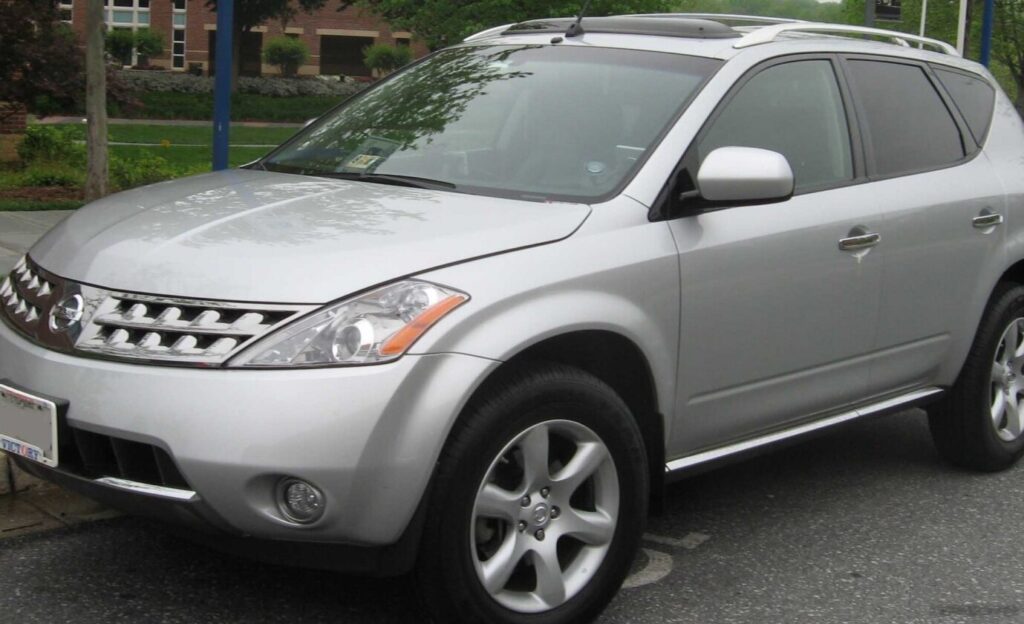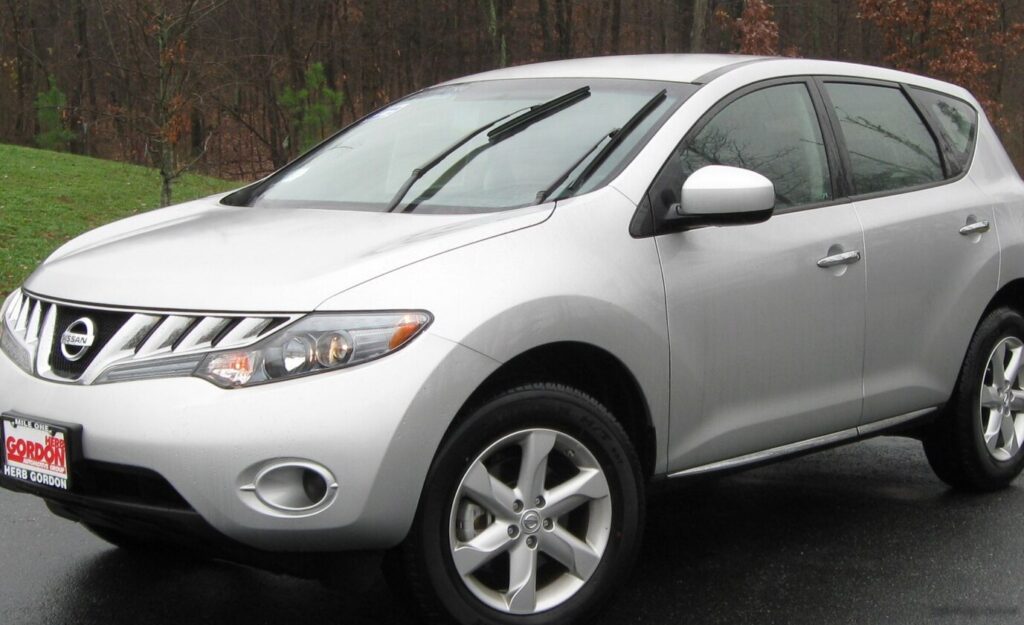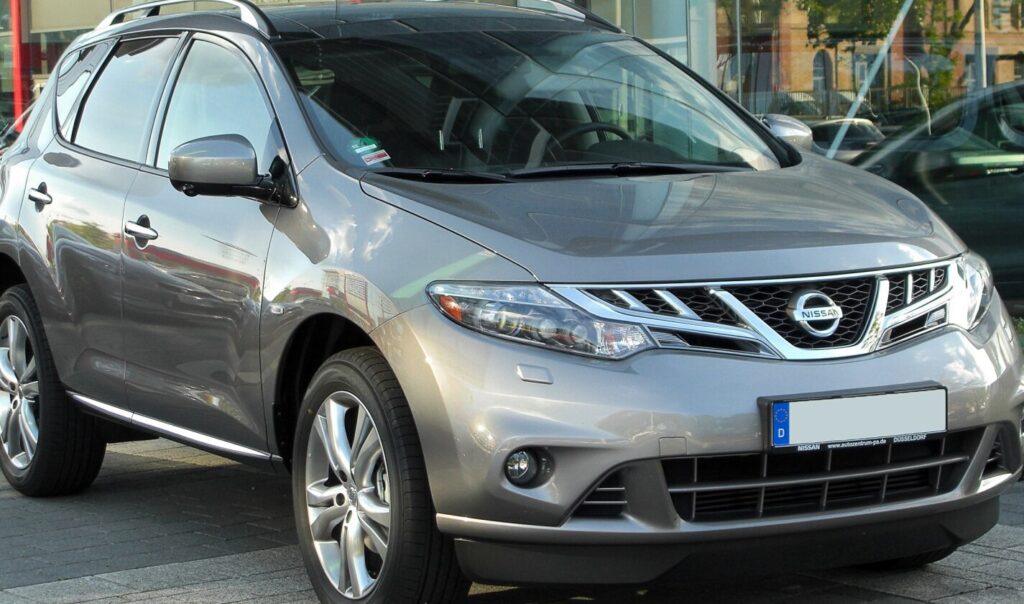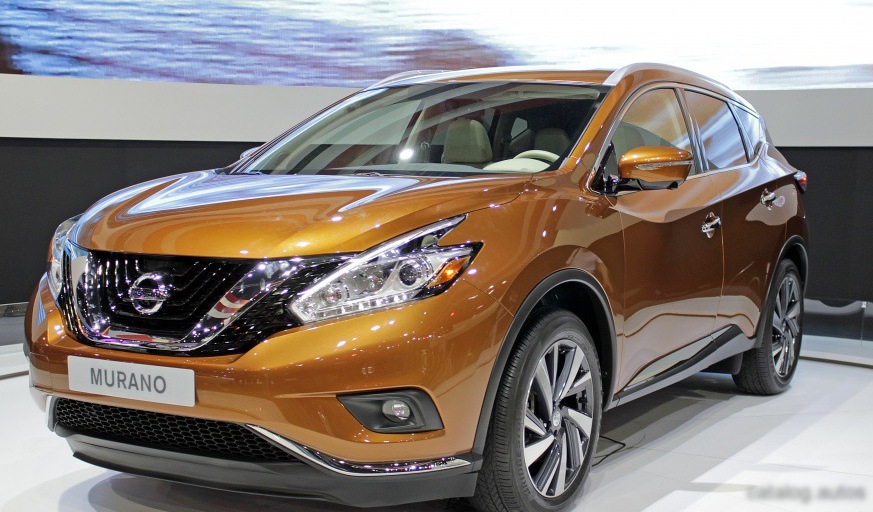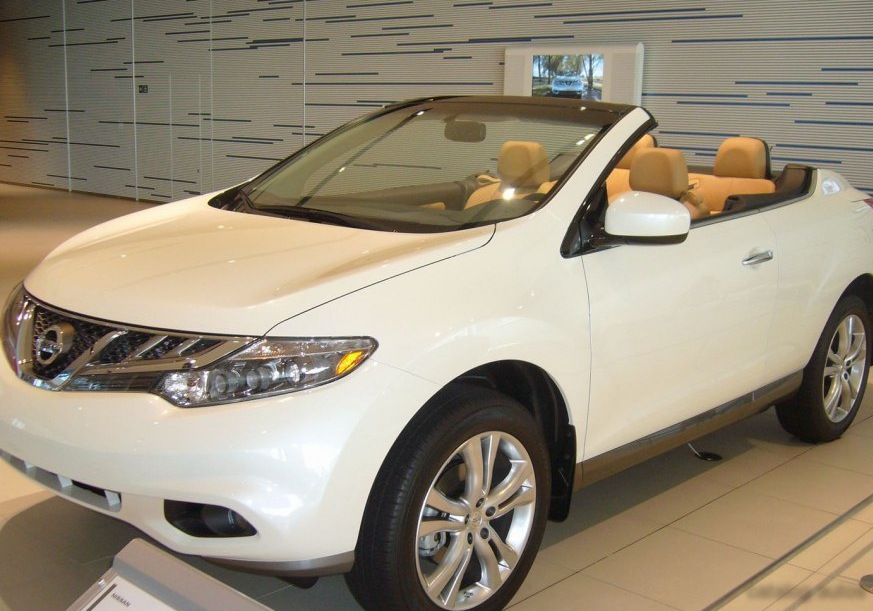
The Nissan Murano CrossCabriolet, specifically the second generation (Z51) facelift model produced from 2010 to 2014, represents a unique and somewhat controversial offering in the mid-size SUV segment. Distinguished by its fully retractable hardtop, the CrossCabriolet aimed to blend the practicality of an SUV with the open-air experience of a convertible. This particular variant, equipped with the 3.5-liter V6 engine producing 265 horsepower and paired with a Continuously Variable Transmission (CVT) and all-wheel drive, occupied a premium position within the CrossCabriolet lineup, offering a balance of performance and all-weather capability. It was primarily marketed towards North American consumers seeking a distinctive and luxurious vehicle.
Technical Specifications
| Brand | Nissan |
| Model | Murano |
| Generation | Murano CrossCabriolet II (Z51, facelift 2010) |
| Type (Engine) | 3.5 V6 (265 Hp) 4WD CVT |
| Start of production | 2010 |
| End of production | 2014 |
| Powertrain Architecture | Internal Combustion engine |
| Body type | Cabriolet, SUV |
| Seats | 4 |
| Doors | 2 |
| Fuel consumption (urban) | 13.8 l/100 km (17 US mpg, 20.5 UK mpg) |
| Fuel consumption (extra urban) | 10.6 l/100 km (22.2 US mpg, 26.6 UK mpg) |
| Fuel Type | Petrol (Gasoline) |
| Weight-to-power ratio | 7.6 kg/Hp, 131.6 Hp/tonne |
| Weight-to-torque ratio | 6 kg/Nm, 166.9 Nm/tonne |
| Power | 265 Hp @ 6000 rpm |
| Power per litre | 75.8 Hp/l |
| Torque | 336 Nm @ 4400 rpm (247.82 lb.-ft. @ 4400 rpm) |
| Maximum engine speed | 6600 rpm |
| Engine layout | Front, Transverse |
| Engine Model/Code | VQ35DE |
| Engine displacement | 3498 cm3 (213.46 cu. in.) |
| Number of cylinders | 6 |
| Engine configuration | V-engine |
| Cylinder Bore | 95.5 mm (3.76 in.) |
| Piston Stroke | 81.4 mm (3.2 in.) |
| Compression ratio | 10.3:1 |
| Number of valves per cylinder | 4 |
| Fuel injection system | Multi-port manifold injection |
| Engine aspiration | Naturally aspirated engine |
| Valvetrain | DOHC |
| Engine oil capacity | 4.6 l (4.86 US qt | 4.05 UK qt) |
| Coolant capacity | 9.4 l (9.93 US qt | 8.27 UK qt) |
| Kerb Weight | 2013 kg (4437.91 lbs.) |
| Max. weight | 2390 kg (5269.05 lbs.) |
| Max load | 377 kg (831.14 lbs.) |
| Fuel tank capacity | 82 l (21.66 US gal | 18.04 UK gal) |
| Length | 4829 mm (190.12 in.) |
| Width | 1892 mm (74.49 in.) |
| Height | 1681 mm (66.18 in.) |
| Wheelbase | 2824 mm (111.18 in.) |
| Front track | 1610 mm (63.39 in.) |
| Rear track | 1610 mm (63.39 in.) |
| Ride height (ground clearance) | 183 mm (7.2 in.) |
| Drag coefficient (Cd) | 0.39 |
| Approach angle | 28.8° |
| Departure angle | 25.5° |
| Ramp-over angle | 15.6° |
| Drive wheel | All wheel drive (4×4) |
| Number of gears and type of gearbox | automatic transmission CVT |
| Front suspension | Independent coil spring |
| Rear suspension | Independent multi-link suspension |
| Front brakes | Ventilated discs, 320 mm |
| Rear brakes | Ventilated discs, 307 mm |
| Assisting systems | ABS (Anti-lock braking system) |
| Steering type | Steering rack and pinion |
| Tires size | 235/55 R20 |
| Wheel rims size | 7.5J x 20 |
Powertrain & Engine Architecture
The heart of the 2010-2014 Nissan Murano CrossCabriolet 3.5 V6 4WD CVT is the VQ35DE 3.5-liter V6 engine. This engine, a member of Nissan’s highly regarded VQ family, is known for its smooth operation and relatively high output. The VQ35DE features a 60-degree V-angle, dual overhead camshafts (DOHC), and four valves per cylinder. It utilizes multi-port fuel injection and a variable valve timing system (CVTCS) to optimize performance and efficiency across the rev range. The engine produces 265 horsepower at 6000 rpm and 247 lb-ft of torque at 4400 rpm. The transmission is a Continuously Variable Transmission (CVT), which provides seamless gear changes and contributes to improved fuel economy. The all-wheel-drive system is an electronically controlled system that automatically distributes torque between the front and rear axles based on road conditions, enhancing traction and stability.
Driving Characteristics
The combination of the 3.5L V6 and the CVT in the CrossCabriolet delivers adequate, though not particularly sporty, performance. Acceleration is reasonably brisk, but the CVT lacks the immediate response of a traditional automatic transmission. The CVT is programmed to mimic stepped gears under hard acceleration, but it still feels different than a conventional automatic. The all-wheel-drive system provides confident handling in various weather conditions. Compared to the base front-wheel-drive model, the 4WD version offers improved grip and stability. However, the added weight of the AWD system and the convertible top mechanism does slightly impact handling agility compared to a standard Murano SUV. The CVT’s gear ratios are optimized for fuel efficiency, which can sometimes result in the engine feeling strained during uphill climbs or when carrying a full load.
Equipment & Trim Levels
The Murano CrossCabriolet 3.5 V6 4WD CVT typically came well-equipped, reflecting its premium positioning. Standard features included leather upholstery, heated front seats, a power-adjustable driver’s seat, automatic climate control, a Bose audio system, and a navigation system. Optional extras included premium paint colors, woodgrain interior trim, and advanced safety features like blind-spot monitoring and lane departure warning. The interior design was generally upscale, with a focus on comfort and convenience. The dashboard layout was similar to that of the standard Murano SUV, but with unique trim accents to differentiate the CrossCabriolet.
Chassis & Braking
The CrossCabriolet’s chassis is based on the standard Murano SUV platform, but with significant reinforcement to compensate for the lack of a fixed roof. The suspension consists of independent coil springs in the front and an independent multi-link suspension in the rear. The braking system features ventilated discs on all four wheels, providing adequate stopping power. Anti-lock brakes (ABS) were standard. The steering is a rack-and-pinion system with power assist. Due to the added weight of the convertible top mechanism and the structural reinforcements, the CrossCabriolet’s suspension was tuned to provide a comfortable ride, rather than sporty handling.
Market Reception & Comparison
The Nissan Murano CrossCabriolet was met with mixed reviews from automotive critics. While many praised its unique styling and luxurious features, others questioned its practicality and the compromises made to create a convertible SUV. Fuel economy was a common criticism, with the 3.5L V6 and CVT returning relatively low MPG figures compared to other vehicles in its class. Compared to other Murano trims, the CrossCabriolet was significantly more expensive and offered less cargo space due to the retractable hardtop mechanism. Reliability was generally good, consistent with Nissan’s reputation, but the complex convertible top mechanism could potentially require maintenance over time.
Legacy
The Nissan Murano CrossCabriolet was discontinued after the 2014 model year, likely due to slow sales and limited market demand. On the used car market, the CrossCabriolet remains a relatively rare and distinctive vehicle. The VQ35DE engine is known for its durability and longevity, and with proper maintenance, it can provide many years of reliable service. However, potential buyers should be aware of the potential maintenance costs associated with the convertible top mechanism and the CVT transmission. The CrossCabriolet represents a bold and unconventional attempt to combine the practicality of an SUV with the open-air enjoyment of a convertible, and it remains a unique chapter in Nissan’s history.