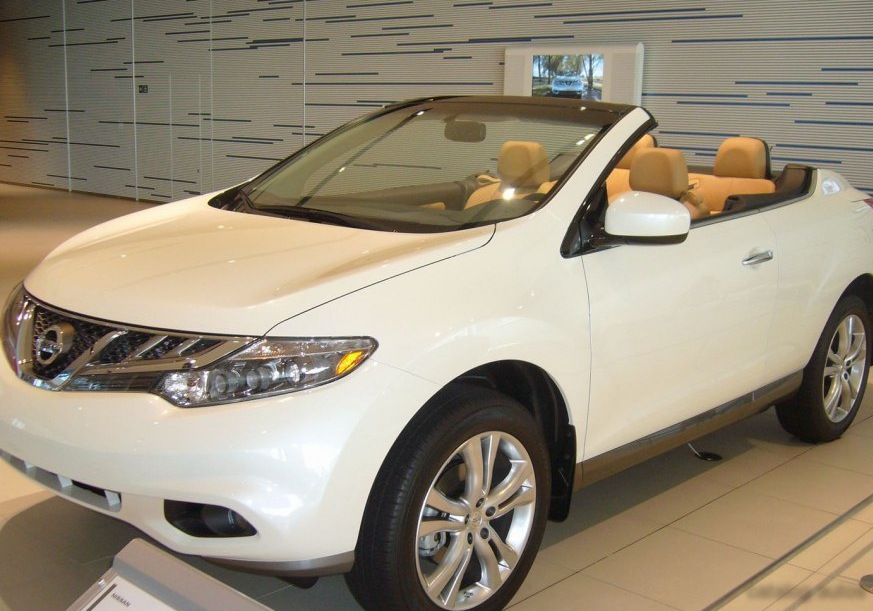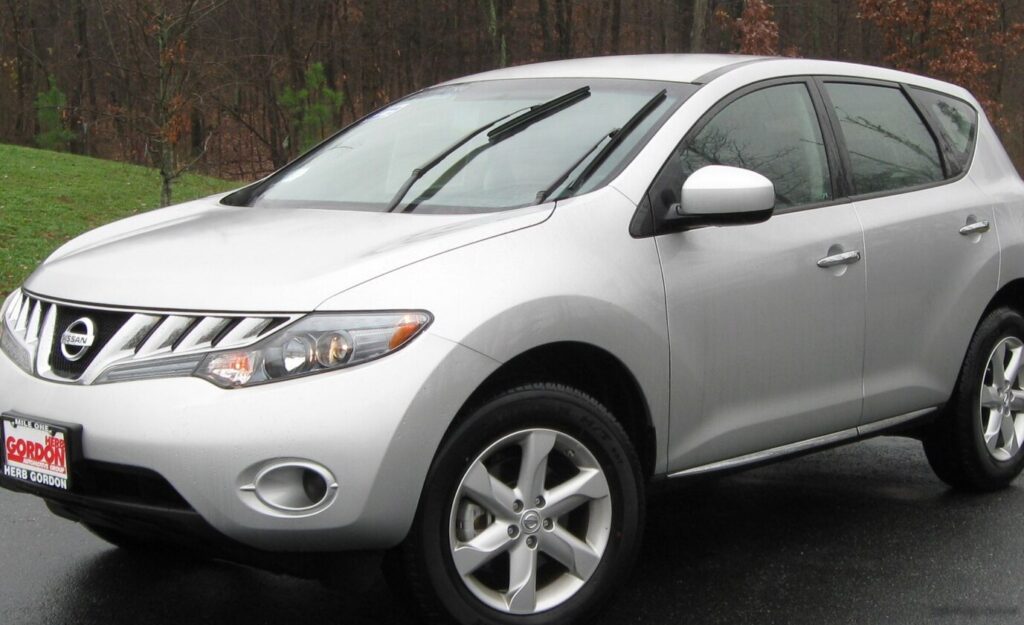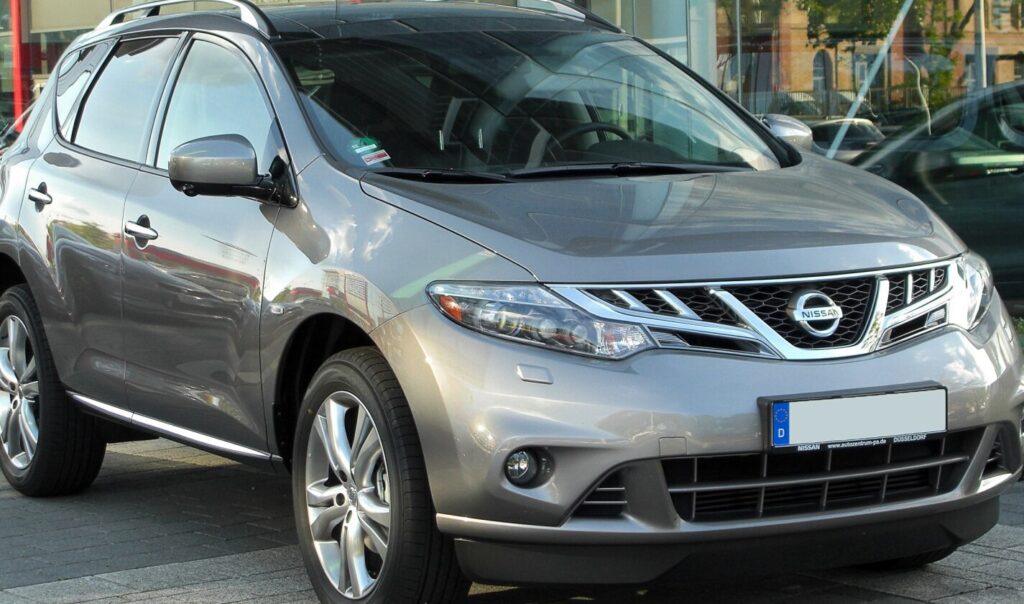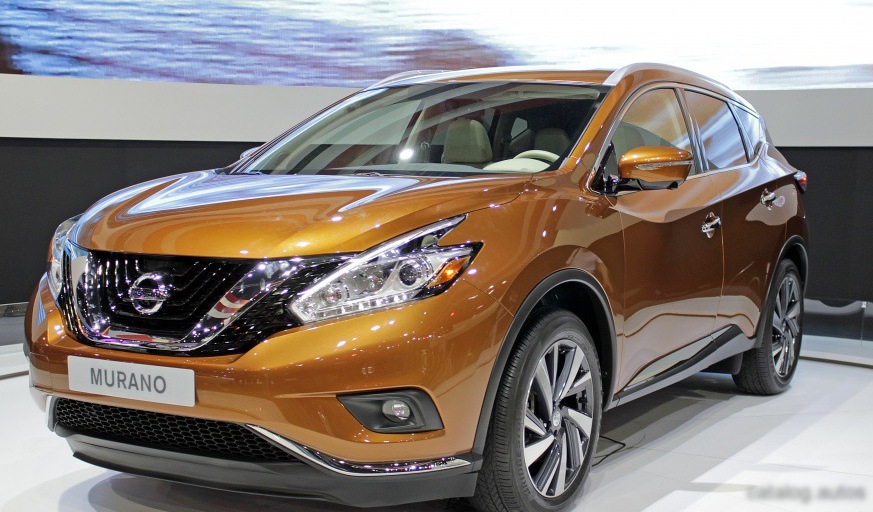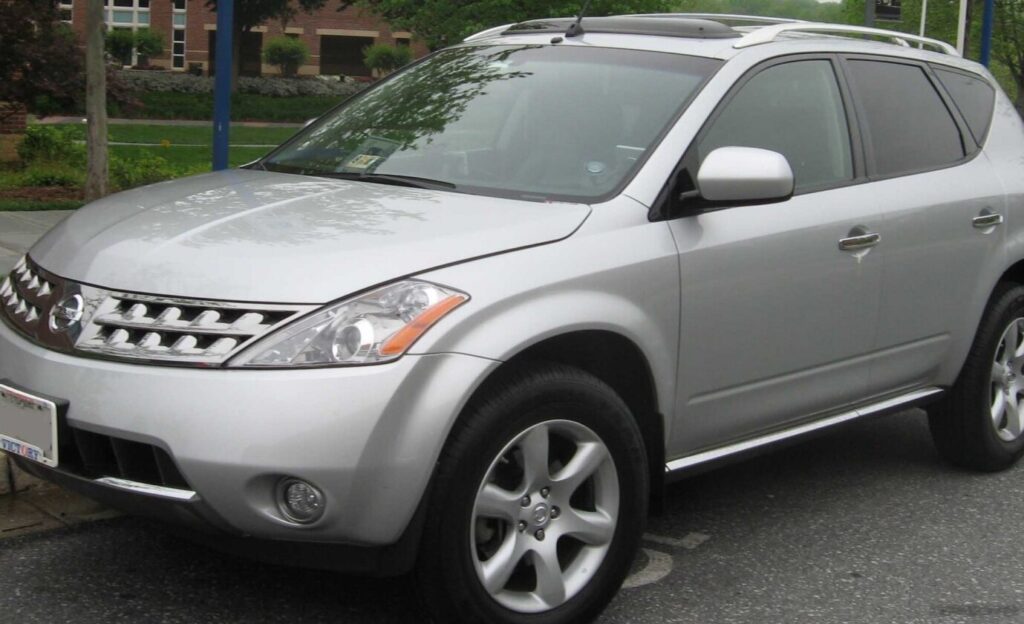
The Nissan Murano, launched in 2002 as a 2003 model year vehicle, represented Nissan’s entry into the burgeoning mid-size crossover SUV segment. The first generation, designated the Z50 chassis code, aimed to offer a more refined and comfortable alternative to traditional truck-based SUVs. Produced from 2002 through 2007, the Murano quickly gained popularity for its car-like handling, spacious interior, and distinctive styling. Among the engine options available, the 3.5-liter V6 paired with a four-wheel-drive system and automatic transmission became a popular configuration, offering a balance of performance and capability. This variant positioned itself as a mid-range offering, appealing to buyers seeking a well-equipped and capable SUV without the expense of the top-tier trims.
Technical Specifications
| Brand | Nissan |
| Model | Murano |
| Generation | Murano I (Z50) |
| Type (Engine) | 3.5 i V6 (248 Hp) 4WD |
| Start of production | 2002 |
| End of production | 2007 |
| Powertrain Architecture | Internal Combustion engine |
| Body type | SUV |
| Seats | 5 |
| Doors | 5 |
| Fuel consumption (urban) | 17.2 l/100 km (13.7 US mpg) |
| Fuel consumption (extra urban) | 9.5 l/100 km (24.8 US mpg) |
| Fuel consumption (combined) | 12.3 l/100 km (19.1 US mpg) |
| Fuel Type | Petrol (Gasoline) |
| Acceleration 0 – 100 km/h | 8.5 sec |
| Acceleration 0 – 62 mph | 8.5 sec |
| Acceleration 0 – 60 mph | 8.1 sec |
| Weight-to-power ratio | 7.4 kg/Hp |
| Weight-to-torque ratio | 5.5 kg/Nm |
| Power | 248 Hp @ 5800 rpm |
| Torque | 333 Nm @ 4400 rpm (245.61 lb.-ft. @ 4400 rpm) |
| Engine layout | Front, Transverse |
| Engine Model/Code | VQ35DE |
| Engine displacement | 3498 cm3 (213.46 cu. in.) |
| Number of cylinders | 6 |
| Engine configuration | V-engine |
| Cylinder Bore | 95.5 mm (3.76 in.) |
| Piston Stroke | 81.4 mm (3.2 in.) |
| Compression ratio | 10.3:1 |
| Number of valves per cylinder | 4 |
| Fuel injection system | Multi-port manifold injection |
| Engine aspiration | Naturally aspirated engine |
| Valvetrain | DOHC |
| Engine oil capacity | 4 l (4.23 US qt | 3.52 UK qt) |
| Coolant capacity | 9.2 l (9.72 US qt | 8.09 UK qt) |
| Kerb Weight | 1845 kg (4067.53 lbs.) |
| Max. weight | 2295 kg (5059.61 lbs.) |
| Max load | 450 kg (992.08 lbs.) |
| Trunk (boot) space – minimum | 923 l (32.6 cu. ft.) |
| Trunk (boot) space – maximum | 2005 l (70.81 cu. ft.) |
| Fuel tank capacity | 82 l (21.66 US gal | 18.04 UK gal) |
| Length | 4765 mm (187.6 in.) |
| Width | 1880 mm (74.02 in.) |
| Height | 1690 mm (66.54 in.) |
| Wheelbase | 2825 mm (111.22 in.) |
| Front track | 1630 mm (64.17 in.) |
| Rear track | 1625 mm (63.98 in.) |
| Drive wheel | All wheel drive (4×4) |
| Front suspension | Spring Strut |
| Rear suspension | Transverse stabilizer |
| Front brakes | Ventilated discs |
| Rear brakes | Ventilated discs |
| Assisting systems | ABS (Anti-lock braking system) |
| Power steering | Hydraulic Steering |
| Tires size | 235/65 R18 |
| Wheel rims size | 18 |
Powertrain & Engine Architecture
The heart of this Murano variant is the VQ35DE 3.5-liter V6 engine. This engine, a member of Nissan’s highly regarded VQ family, is known for its smooth operation, reliability, and respectable power output. The VQ35DE features a 60-degree V-angle, aluminum alloy block and cylinder heads, and dual overhead camshafts (DOHC) with four valves per cylinder. Fuel delivery is handled by a multi-port fuel injection system, providing precise fuel metering for optimal combustion. The engine produces 248 horsepower at 5800 rpm and 245.61 lb-ft of torque at 4400 rpm. The engine is transversely mounted in the front of the vehicle. Paired with the VQ35DE is a four-speed automatic transmission, which was the standard transmission for this configuration. While not as sophisticated as some of the newer automatic transmissions available today, it provided smooth and adequate shifting for everyday driving. The four-wheel-drive system is primarily front-wheel drive, engaging the rear wheels as needed to maintain traction.
Driving Characteristics
The 3.5-liter V6 and four-speed automatic combination in the Murano offered a comfortable and capable driving experience. Acceleration from 0-60 mph took approximately 8.1 seconds, which was competitive for the segment at the time. The automatic transmission, while not offering manual shift control, provided smooth gear changes and adequate response for most driving situations. Compared to the base 2.5-liter four-cylinder engine, the V6 provided significantly more power and torque, resulting in noticeably quicker acceleration and more confident passing maneuvers. While the V6 wasn’t a sports car engine, it delivered sufficient power for merging onto highways and navigating hilly terrain. The four-wheel-drive system enhanced stability and traction, particularly in inclement weather conditions. The gear ratios were tuned for a balance of fuel efficiency and performance, prioritizing comfortable cruising over outright acceleration.
Equipment & Trim Levels
The 3.5 i V6 4WD Murano typically came standard with features such as air conditioning, power windows and locks, a CD player, and alloy wheels. Higher trim levels, such as the SL, added features like leather upholstery, a power-adjustable driver’s seat, a sunroof, and a premium audio system. Optional extras included a navigation system, heated front seats, and a rear entertainment system. Interior upholstery was typically cloth on the base models, with leather becoming available on higher trims. The dashboard layout was straightforward and functional, with easy-to-read gauges and logically placed controls.
Chassis & Braking
The Murano Z50 utilized a fully independent suspension system, featuring a MacPherson strut setup in the front and a multi-link suspension in the rear. This suspension design contributed to the vehicle’s comfortable ride quality and car-like handling. The 4WD system added to the stability. Braking duties were handled by ventilated disc brakes on all four wheels, providing ample stopping power. An anti-lock braking system (ABS) was standard, enhancing safety and control during emergency braking situations. Hydraulic power steering provided responsive and precise steering feel. The stabilizer bars helped to reduce body roll during cornering.
Market Reception & Comparison
The Nissan Murano was generally well-received by automotive critics, who praised its stylish design, spacious interior, and comfortable ride. The 3.5-liter V6 engine was lauded for its smooth power delivery and refinement. However, some critics noted that the four-speed automatic transmission felt somewhat dated compared to the five- or six-speed automatics offered by some competitors. Fuel economy was average for the segment, with combined fuel consumption around 19.1 US mpg. Compared to other mid-size SUVs, such as the Honda Pilot and Toyota Highlander, the Murano offered a more distinctive and stylish design, but potentially less cargo space. The Murano’s focus was more on comfort and style than on rugged off-road capability.
Legacy
The Nissan Murano Z50 established Nissan as a serious contender in the mid-size crossover SUV market. The VQ35DE engine proved to be remarkably reliable, with many examples exceeding 200,000 miles with proper maintenance. The four-speed automatic transmission, while not the most advanced, also proved to be durable. Today, the first-generation Murano remains a relatively affordable and practical used car option. Common maintenance items include routine fluid changes, spark plug replacement, and occasional sensor replacements. The Murano’s comfortable ride, spacious interior, and available four-wheel drive continue to make it an appealing choice for buyers seeking a reliable and versatile SUV.