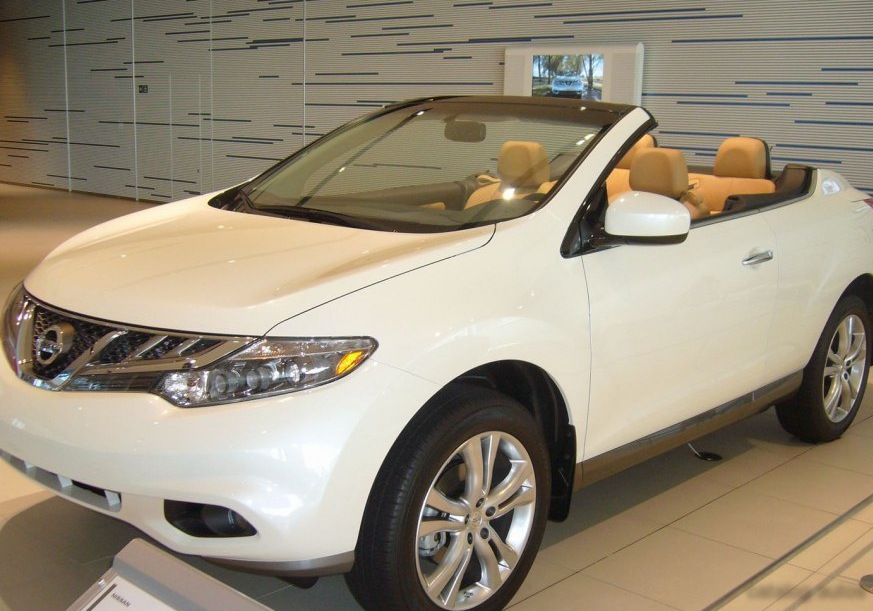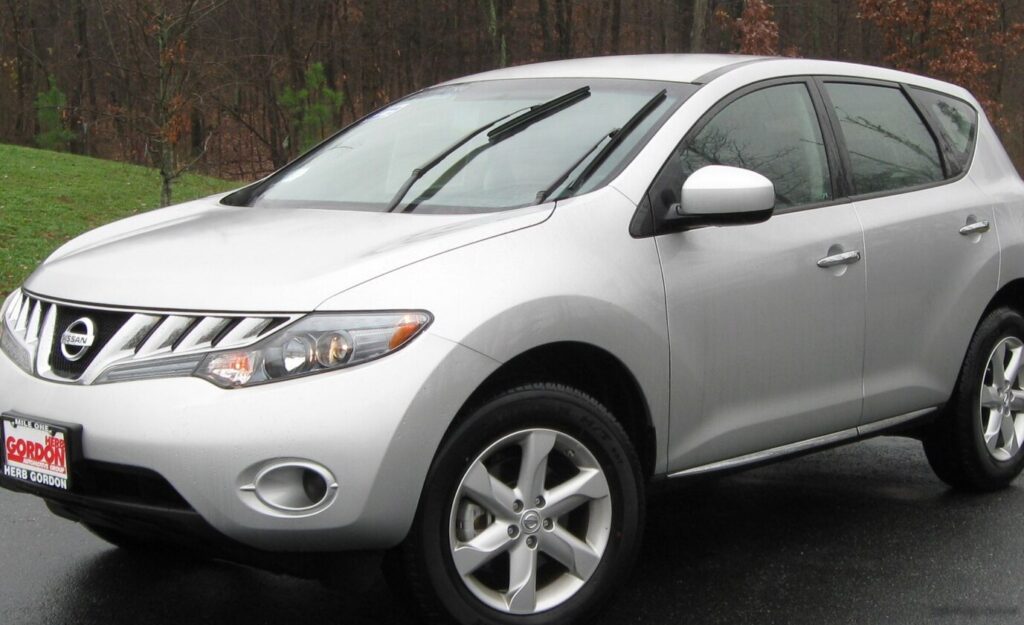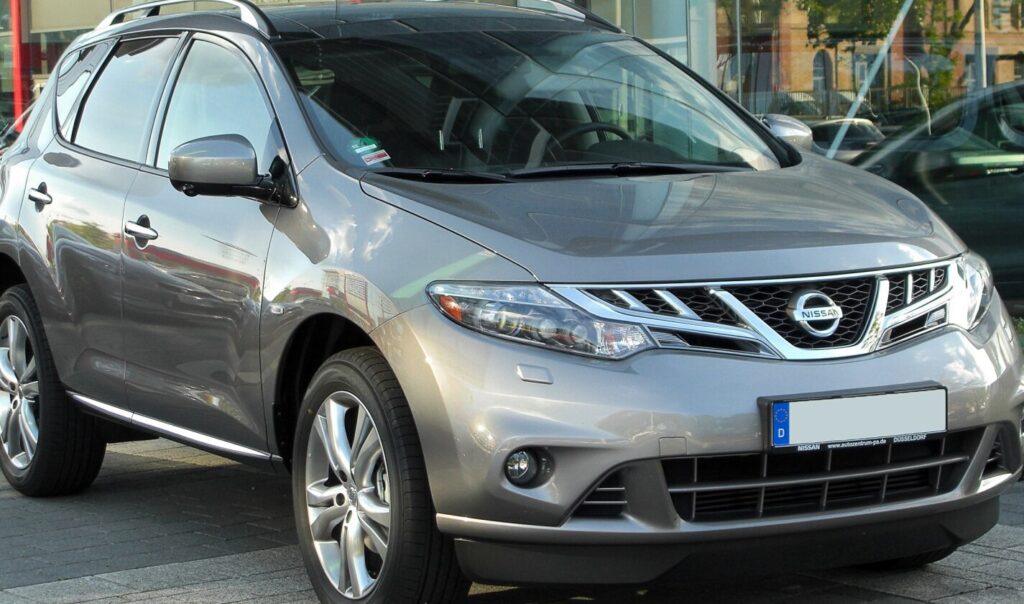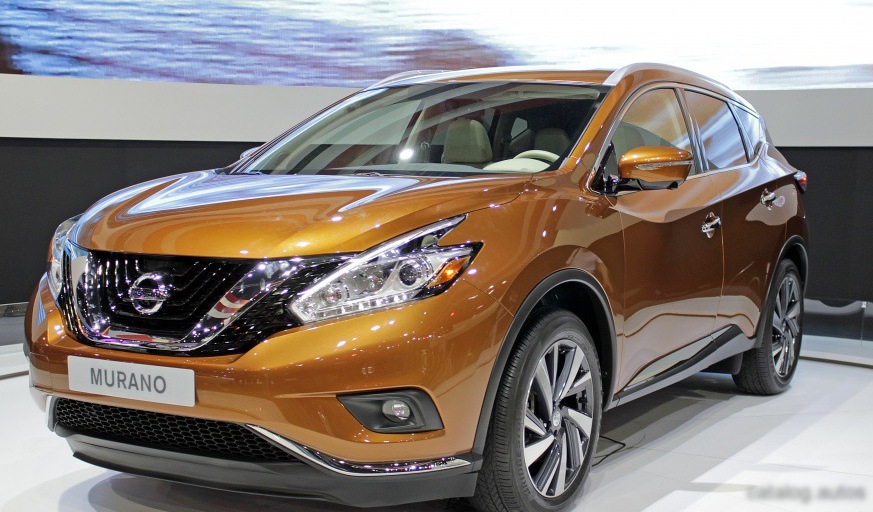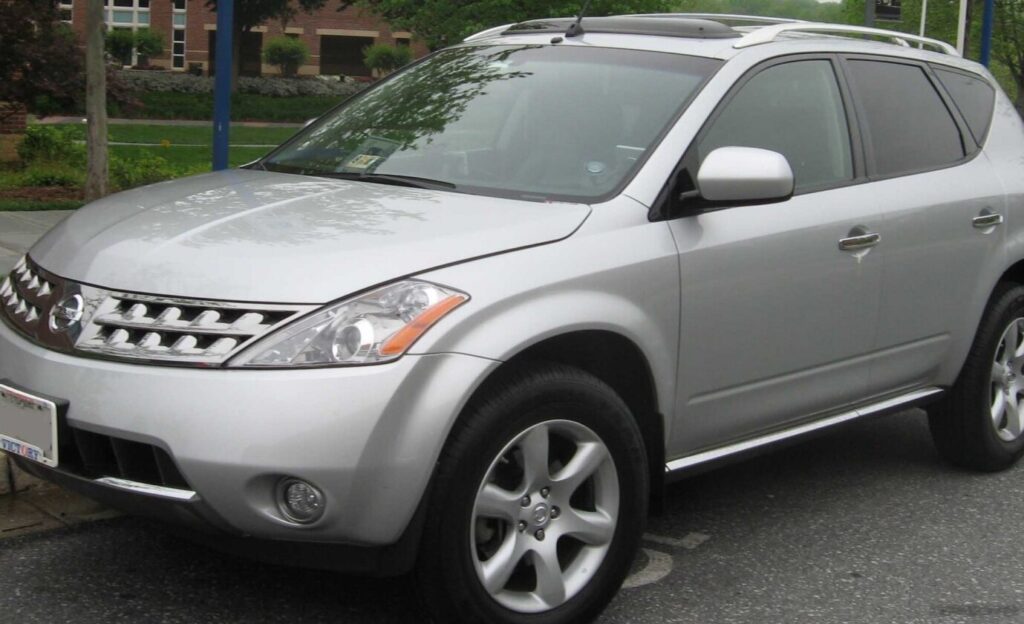
The Nissan Murano, launched in 2002 as a 2003 model year vehicle, represented Nissan’s entry into the burgeoning mid-size crossover SUV segment. The first generation, designated the Z50 chassis code, aimed to offer a more refined and comfortable alternative to traditional truck-based SUVs. Produced from 2002 through 2007, the Murano quickly gained popularity for its car-like handling, spacious interior, and distinctive styling. The 3.5i V6 24V variant, powered by the VQ35DE engine producing 248 horsepower, served as the primary and most popular trim level throughout the Z50’s production run, positioned as the standard offering within the lineup. It provided a balance of performance and fuel efficiency, appealing to a broad range of buyers seeking a versatile family vehicle.
Technical Specifications
| Brand | Nissan |
| Model | Murano |
| Generation | Murano I (Z50) |
| Type (Engine) | 3.5 i V6 24V (248 Hp) |
| Start of production | 2002 |
| End of production | 2007 |
| Powertrain Architecture | Internal Combustion engine |
| Body type | SUV |
| Seats | 5 |
| Doors | 5 |
| Fuel consumption (urban) | 11.8 l/100 km (19.9 US mpg) |
| Fuel consumption (extra urban) | 9.4 l/100 km (25 US mpg) |
| Fuel Type | Petrol (Gasoline) |
| Acceleration 0 – 100 km/h | 7.9 sec |
| Acceleration 0 – 62 mph | 7.9 sec |
| Acceleration 0 – 60 mph | 7.5 sec |
| Weight-to-power ratio | 6.4 kg/Hp |
| Weight-to-torque ratio | 4.8 kg/Nm |
| Power | 248 Hp @ 5800 rpm |
| Torque | 333 Nm @ 4400 rpm (245.61 lb.-ft. @ 4400 rpm) |
| Engine layout | Front, Transverse |
| Engine Model/Code | VQ35DE |
| Engine displacement | 3498 cm3 (213.46 cu. in.) |
| Number of cylinders | 6 |
| Engine configuration | V-engine |
| Cylinder Bore | 95.5 mm (3.76 in.) |
| Piston Stroke | 81.4 mm (3.2 in.) |
| Compression ratio | 10.3:1 |
| Number of valves per cylinder | 4 |
| Fuel injection system | Multi-port manifold injection |
| Engine aspiration | Naturally aspirated engine |
| Valvetrain | DOHC |
| Engine oil capacity | 4 l (4.23 US qt | 3.52 UK qt) |
| Coolant capacity | 9.2 l (9.72 US qt | 8.09 UK qt) |
| Kerb Weight | 1588 kg (3500.94 lbs.) |
| Max. weight | 2204 kg (4858.99 lbs.) |
| Max load | 616 kg (1358.05 lbs.) |
| Trunk (boot) space – minimum | 923 l (32.6 cu. ft.) |
| Trunk (boot) space – maximum | 2005 l (70.81 cu. ft.) |
| Fuel tank capacity | 82 l (21.66 US gal | 18.04 UK gal) |
| Length | 4765 mm (187.6 in.) |
| Width | 1880 mm (74.02 in.) |
| Height | 1690 mm (66.54 in.) |
| Wheelbase | 2825 mm (111.22 in.) |
| Front track | 1630 mm (64.17 in.) |
| Rear track | 1625 mm (63.98 in.) |
| Front suspension | Spring Strut |
| Rear suspension | Transverse stabilizer |
| Front brakes | Ventilated discs |
| Rear brakes | Ventilated discs |
| Assisting systems | ABS (Anti-lock braking system) |
| Tires size | 235/65 R18 |
Powertrain & Engine Architecture
The heart of the 3.5i Murano is the VQ35DE 3.5-liter V6 engine. This engine, a member of Nissan’s highly regarded VQ family, is known for its smooth operation, reliability, and strong performance. The VQ35DE features a 60-degree V-angle, dual overhead camshafts (DOHC), and four valves per cylinder. It utilizes a multi-port fuel injection system, delivering fuel directly into the intake ports. The engine’s output of 248 horsepower and 245 lb-ft of torque provided ample power for everyday driving and confident highway passing. The engine was paired exclusively with a four-speed automatic transmission in the US market. This transmission, while not as sophisticated as some contemporary offerings, was known for its durability and smooth shifts. The transmission’s gear ratios were tuned for a balance of acceleration and fuel economy, prioritizing comfortable cruising over outright performance.
Driving Characteristics
The 3.5i Murano with the automatic transmission offered a comfortable and refined driving experience. Acceleration from a standstill to 60 mph took approximately 7.5 to 7.9 seconds, making it competitive with other mid-size SUVs of the era. While not a sports car, the V6 engine provided sufficient power for merging onto highways and overtaking slower traffic. The automatic transmission, while lacking manual shift control, offered smooth and predictable gear changes. Compared to the later addition of a 2.5L four-cylinder engine, the 3.5i offered a significantly more responsive and enjoyable driving experience. The automatic transmission did slightly diminish the overall performance compared to the available manual transmission in other markets, but the convenience and ease of use were favored by the majority of American buyers.
Equipment & Trim Levels
The 3.5i Murano came standard with a generous array of features, including air conditioning, power windows and locks, a CD player, and alloy wheels. Higher trim levels, such as the SL, added features like leather upholstery, a power-adjustable driver’s seat, a sunroof, and a Bose audio system. Optional extras included navigation, heated seats, and a rear entertainment system. The interior design was modern and spacious, with comfortable seating for five passengers. The dashboard layout was straightforward and user-friendly, with logically placed controls.
Chassis & Braking
The Murano’s chassis was based on Nissan’s FF-L platform, a front-wheel-drive architecture designed for car-like handling and ride comfort. The suspension consisted of independent struts in the front and a multi-link setup in the rear. All-wheel drive was available as an option, enhancing traction in inclement weather. The braking system featured ventilated disc brakes on all four wheels, providing ample stopping power. Anti-lock brakes (ABS) were standard, enhancing safety and control during emergency braking situations. The Z50 Murano utilized a relatively modest stabilizer bar setup, prioritizing ride comfort over aggressive cornering.
Market Reception & Comparison
The Nissan Murano was well-received by critics and consumers alike. It was praised for its stylish design, spacious interior, comfortable ride, and strong V6 engine. Compared to competitors like the Honda Pilot and Toyota Highlander, the Murano offered a more distinctive and upscale driving experience. Fuel economy was average for the class, with EPA estimates of around 19 mpg city and 25 mpg highway. Reliability was generally good, although some owners reported minor issues with the automatic transmission over the long term. The 3.5i variant was the most popular choice, offering the best balance of performance, features, and value.
Legacy
The first-generation Nissan Murano established the brand as a serious contender in the mid-size crossover SUV segment. The VQ35DE engine proved to be exceptionally durable, with many examples exceeding 200,000 miles with proper maintenance. On the used car market, the Z50 Murano remains a popular choice for buyers seeking a reliable and affordable SUV. While the four-speed automatic transmission is showing its age, it remains generally dependable. The Murano’s combination of style, comfort, and performance has ensured its continued appeal for years to come, solidifying its place as a significant vehicle in Nissan’s history.