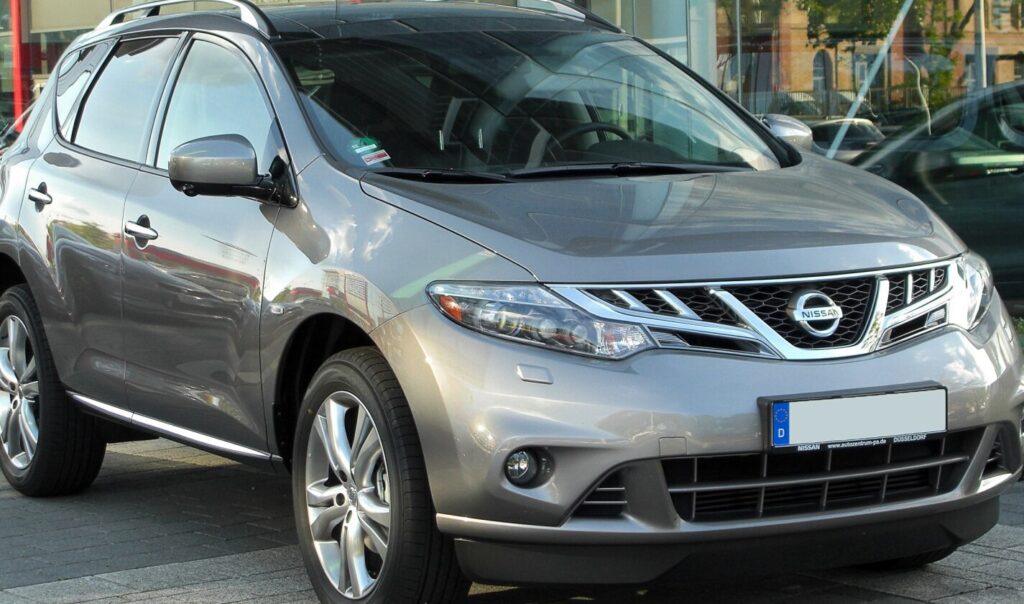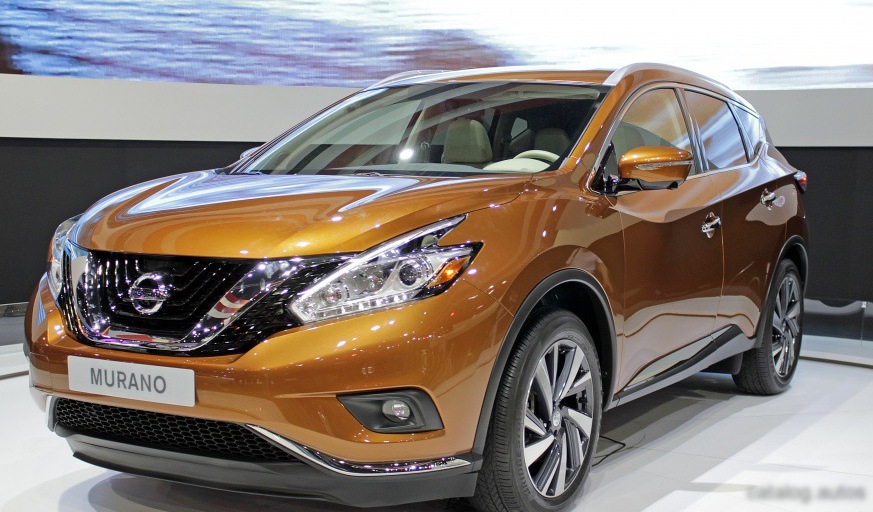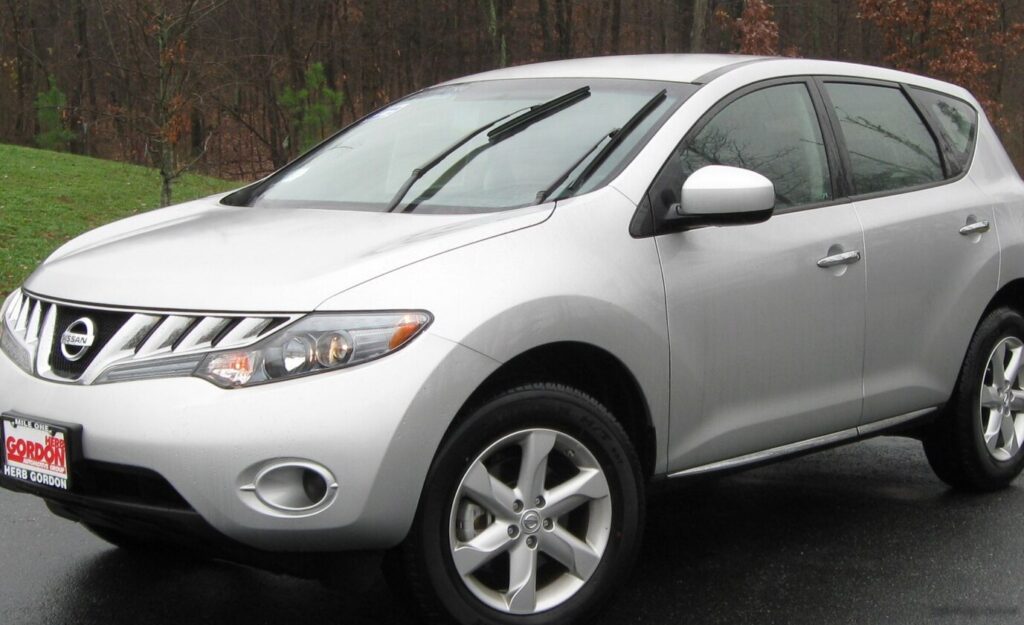
The Nissan Murano II, designated as the Z51 chassis, represented a significant evolution for Nissan’s mid-size crossover SUV. Introduced in 2008 and continuing through 2010 in certain markets, the Z51 Murano aimed to blend comfort, style, and practicality. Within the Z51 range, the 2.5 dCi variant, producing 190 horsepower, occupied a position geared towards European drivers seeking a balance between fuel efficiency and reasonable performance in a larger vehicle. This diesel-powered option was primarily sold in Europe and other markets outside of North America, where gasoline engines dominated the Murano lineup.
Technical Specifications
| Brand | Nissan |
| Model | Murano |
| Generation | Murano II (Z51) |
| Type (Engine) | 2.5 dCi (190 Hp) |
| Start of production | 2008 |
| End of production | 2010 |
| Powertrain Architecture | Internal Combustion engine |
| Body type | SUV |
| Seats | 5 |
| Doors | 5 |
| Fuel consumption (urban) | 10.1 l/100 km (23.3 US mpg) |
| Fuel consumption (extra urban) | 6.8 l/100 km (34.6 US mpg) |
| Fuel consumption (combined) | 8 l/100 km (29.4 US mpg) |
| Fuel Type | Diesel |
| Acceleration 0 – 100 km/h | 10.5 sec |
| Acceleration 0 – 62 mph | 10.5 sec |
| Acceleration 0 – 60 mph | 10 sec |
| Maximum speed | 196 km/h (121.79 mph) |
| Weight-to-power ratio | 10 kg/Hp |
| Weight-to-torque ratio | 4.2 kg/Nm |
| Power | 190 Hp @ 4000 rpm |
| Torque | 450 Nm @ 2000 rpm (331.9 lb.-ft. @ 2000 rpm) |
| Engine layout | Front, Transverse |
| Engine Model/Code | YD25DDTi |
| Engine displacement | 2488 cm3 (151.83 cu. in.) |
| Number of cylinders | 4 |
| Engine configuration | Inline |
| Number of valves per cylinder | 4 |
| Fuel injection system | Diesel Commonrail |
| Engine aspiration | Turbocharger, Intercooler |
| Engine oil capacity | 6.6 l (6.97 US qt | 5.81 UK qt) |
| Coolant capacity | 11 l (11.62 US qt | 9.68 UK qt) |
| Kerb Weight | 1895 kg (4177.76 lbs.) |
| Max. weight | 2342 kg (5163.23 lbs.) |
| Max load | 447 kg (985.47 lbs.) |
| Trunk (boot) space – minimum | 402 l (14.2 cu. ft.) |
| Fuel tank capacity | 82 l (21.66 US gal | 18.04 UK gal) |
| Length | 4860 mm (191.34 in.) |
| Width | 1885 mm (74.21 in.) |
| Height | 1720 mm (67.72 in.) |
| Wheelbase | 2825 mm (111.22 in.) |
| Drivetrain Architecture | Front wheel drive |
| Number of gears | 6 |
| Gearbox type | Automatic transmission |
| Front suspension | Independent coil spring |
| Rear suspension | Independent multi-link suspension |
| Front brakes | Ventilated discs |
| Rear brakes | Ventilated discs |
| Assisting systems | ABS (Anti-lock braking system) |
| Steering type | Steering rack and pinion |
| Power steering | Hydraulic Steering |
| Tires size | 235/65 R18 |
| Wheel rims size | 18 |
INTRODUCTION
The Z51 Nissan Murano, launched in 2008, represented a departure from its predecessor, offering a more refined and contemporary design. The 2.5 dCi variant, powered by the YD25DDTi engine, was specifically tailored for European markets where diesel engines held a strong preference among SUV buyers. Positioned as a mid-range offering, it slotted between the base gasoline models and potentially higher-trim levels with more luxurious appointments. The Z51 Murano aimed to compete with established players like the BMW X3, Audi Q5, and Volvo XC60, offering a compelling package of space, comfort, and fuel efficiency.
Powertrain & Engine Architecture
At the heart of the Murano 2.5 dCi lies the YD25DDTi, a 2.5-liter inline-four cylinder diesel engine. This engine utilizes a common rail direct injection system, delivering fuel directly into the combustion chamber at extremely high pressure for improved efficiency and reduced emissions. A turbocharger with an intercooler further enhances performance by forcing more air into the engine, boosting power output. The YD25DDTi features four valves per cylinder and a robust engine block designed for durability. The engine is transversely mounted in the front of the vehicle. Paired with this engine is a six-speed automatic transmission, chosen for its smooth operation and ease of use, catering to drivers who preferred convenience over manual control. This transmission was tuned for a balance of fuel economy and responsiveness, with gear ratios optimized for both highway cruising and city driving.
Driving Characteristics
The 190 horsepower and 331.9 lb.-ft. of torque produced by the 2.5 dCi engine provided the Murano with adequate, though not exhilarating, performance. Acceleration from 0-60 mph took around 10 seconds, making it competitive within its class. The automatic transmission, while smooth, could sometimes feel hesitant during quick acceleration maneuvers. Compared to potential gasoline-powered variants or even higher-output diesel versions (if offered in some markets), the 2.5 dCi prioritized fuel economy and relaxed cruising over outright speed. The torque curve was relatively flat, providing good pulling power at lower engine speeds, which was beneficial for everyday driving and towing. The front-wheel-drive configuration contributed to a slightly less engaging driving experience compared to all-wheel-drive options, but it also helped to reduce weight and improve fuel efficiency.
Equipment & Trim Levels
The Murano 2.5 dCi typically came equipped with a respectable level of standard features. These generally included air conditioning, power windows and locks, a CD player with auxiliary input, and alloy wheels. Interior upholstery was typically cloth, though leather options were available as upgrades. Higher trim levels could add features such as a sunroof, navigation system, premium audio system, and heated front seats. The dashboard layout was modern and functional, with a focus on ease of use. Safety features included ABS, electronic brakeforce distribution, and multiple airbags.
Chassis & Braking
The Z51 Murano utilized an independent coil spring suspension in the front and an independent multi-link suspension in the rear, providing a comfortable and controlled ride. The suspension was tuned to prioritize comfort over sporty handling. Ventilated disc brakes were fitted on all four wheels, providing adequate stopping power. Hydraulic power steering offered a light and easy steering feel. The vehicle’s weight, at approximately 4178 lbs, contributed to its stable handling characteristics. Stabilizer bars were included both front and rear to reduce body roll during cornering.
Market Reception & Comparison
The Nissan Murano 2.5 dCi was generally well-received by automotive critics in Europe. Reviewers praised its comfortable ride, spacious interior, and fuel-efficient diesel engine. However, some criticized its somewhat uninspired handling and the occasionally sluggish response of the automatic transmission. Compared to its competitors, the Murano offered a compelling value proposition, providing a generous amount of space and features for its price. Fuel economy was a key selling point, with the 2.5 dCi achieving around 29.4 US mpg in combined driving, which was significantly better than comparable gasoline-powered SUVs. Reliability was generally considered good, though diesel engines can be more complex and potentially more expensive to repair than gasoline engines.
Legacy
The Nissan Murano Z51 2.5 dCi has established a reputation as a reliable and practical SUV in the used car market. The YD25DDTi engine, while not known for being exceptionally powerful, is generally considered durable and capable of high mileage with proper maintenance. Common issues reported by owners include occasional turbocharger problems and potential issues with the diesel particulate filter (DPF). However, these issues are not widespread and can often be prevented with regular servicing. Today, the Z51 Murano 2.5 dCi remains a popular choice for buyers seeking a comfortable, spacious, and fuel-efficient SUV at an affordable price point.