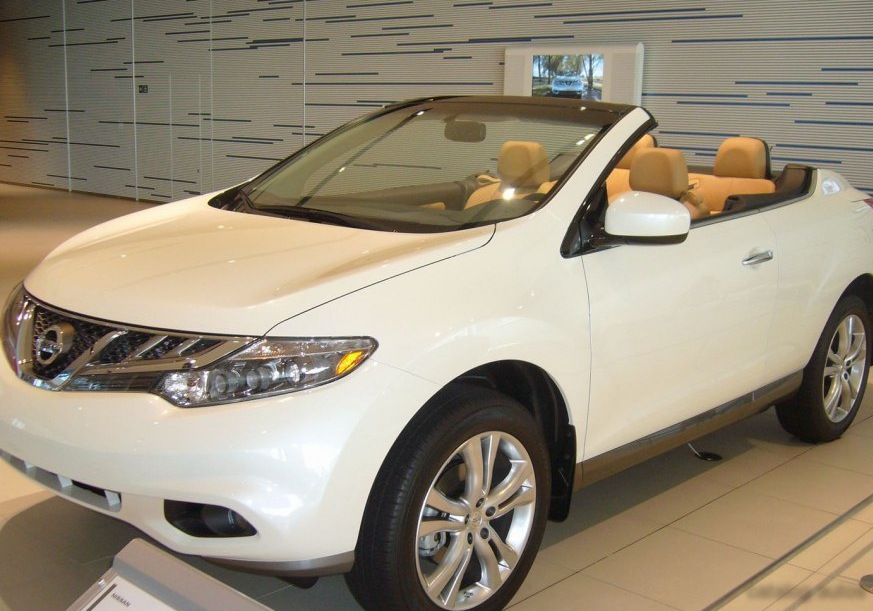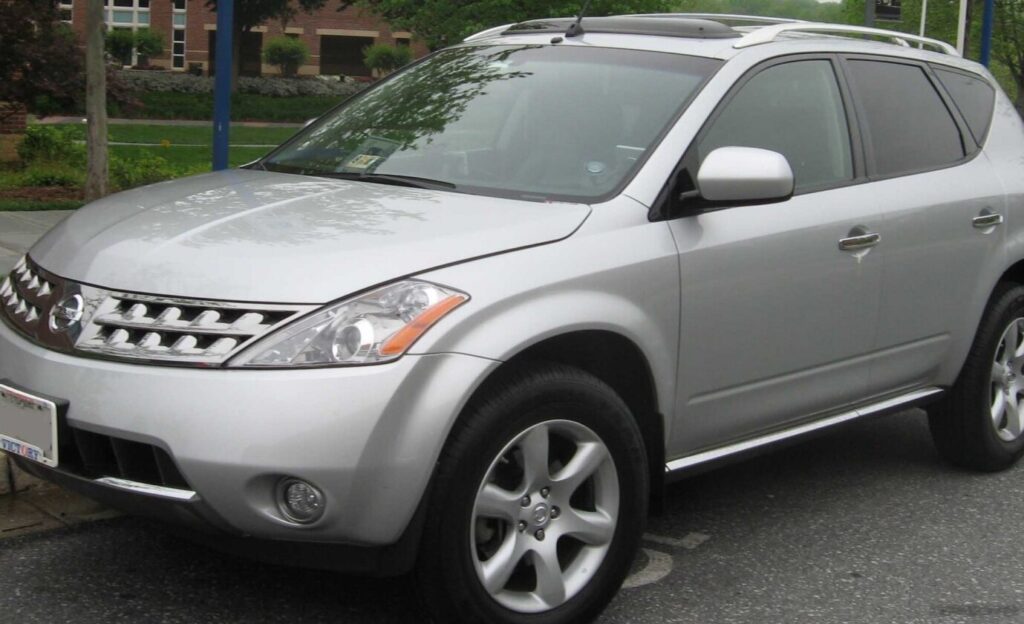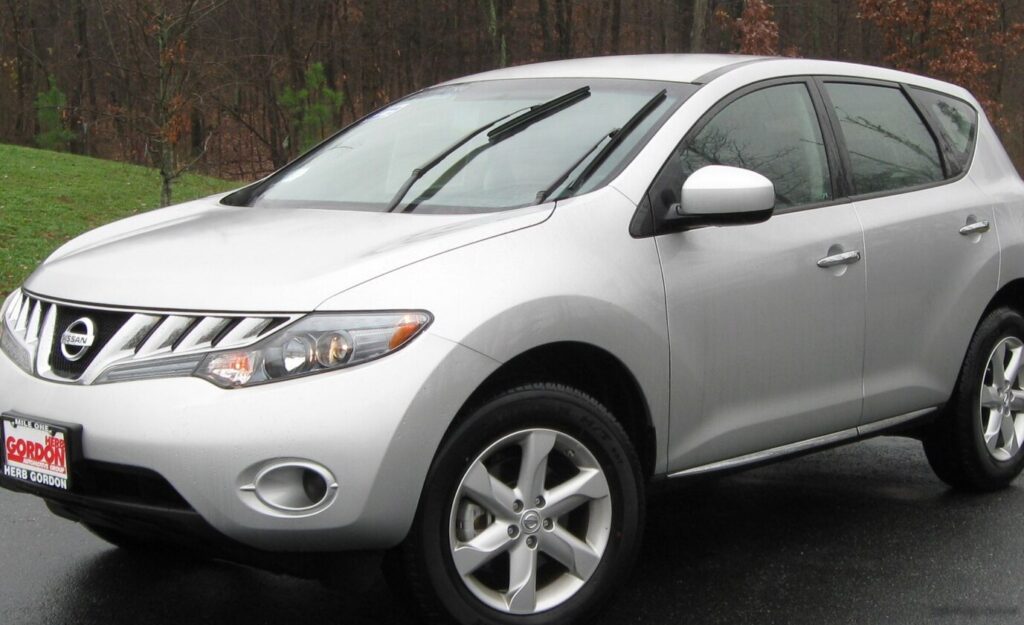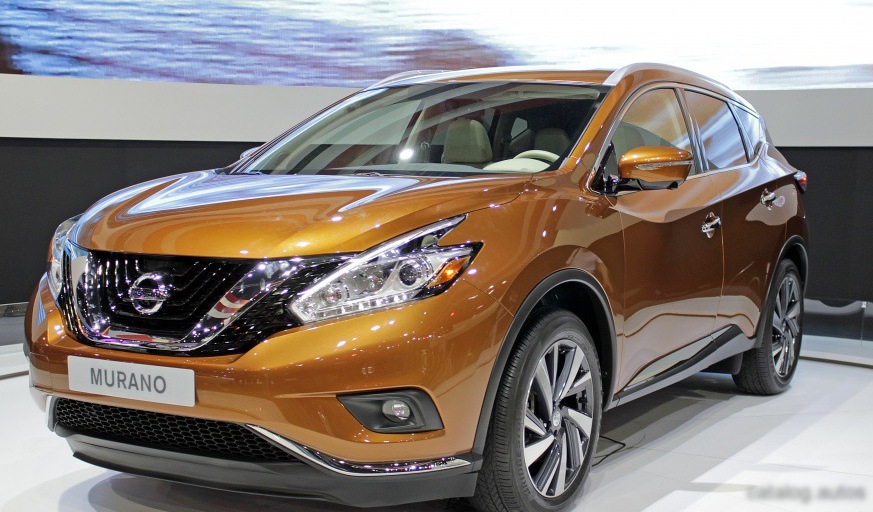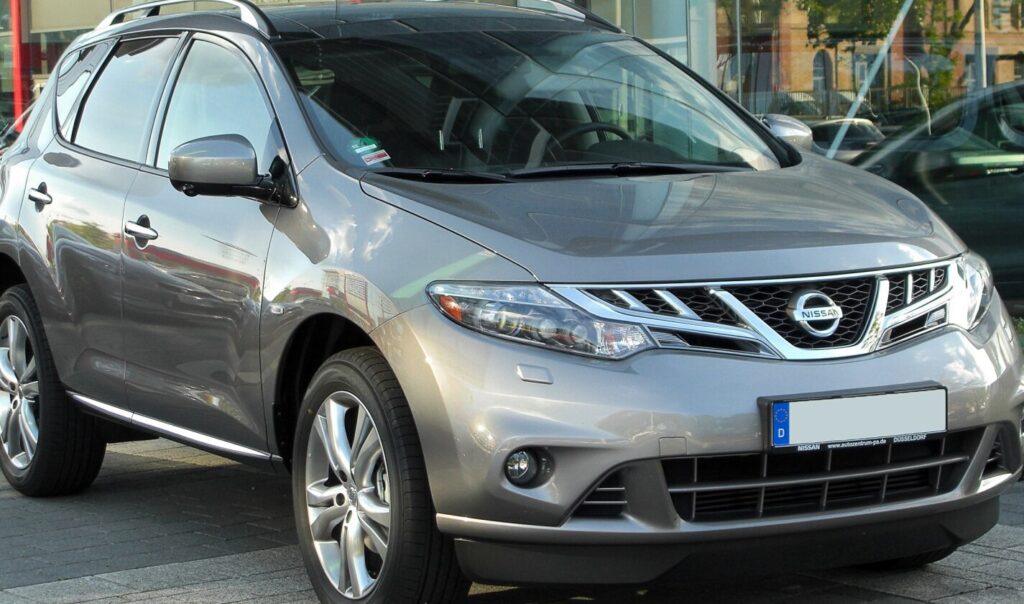
The Nissan Murano II, specifically the facelifted version produced from 2010 to 2014, represented a significant evolution of Nissan’s mid-size crossover SUV. This iteration, designated the Z51 chassis code, aimed to refine the original Murano’s blend of comfort, style, and capability. Among the various powertrain options offered, the 3.5-liter V6 engine paired with a Continuously Variable Transmission (CVT) and four-wheel drive (4WD) became a popular configuration, particularly in North America. This variant positioned itself as a strong contender in the segment, offering a balance of performance and efficiency for buyers seeking a comfortable and capable SUV.
Technical Specifications
| Brand | Nissan |
| Model | Murano |
| Generation | Murano II (Z51, facelift 2010) |
| Type (Engine) | 3.5 V6 (249 Hp) 4WD CVT |
| Start of production | 2010 |
| End of production | 2014 |
| Powertrain Architecture | Internal Combustion engine |
| Body type | SUV |
| Seats | 5 |
| Doors | 5 |
| Fuel consumption (urban) | 14.8 l/100 km (15.9 US mpg, 19.1 UK mpg, 6.8 km/l) |
| Fuel consumption (extra urban) | 8.3 l/100 km (28.3 US mpg, 34 UK mpg, 12 km/l) |
| Fuel consumption (combined) | 10.6 l/100 km (22.2 US mpg, 26.6 UK mpg, 9.4 km/l) |
| CO2 emissions | 248 g/km |
| Fuel Type | Petrol (Gasoline) |
| Acceleration 0 – 100 km/h | 8 sec |
| Acceleration 0 – 62 mph | 8 sec |
| Acceleration 0 – 60 mph | 7.6 sec |
| Maximum speed | 210 km/h (130.49 mph) |
| Weight-to-power ratio | 7.2 kg/Hp, 139.1 Hp/tonne |
| Weight-to-torque ratio | 5.4 kg/Nm, 186.6 Nm/tonne |
| Power | 249 Hp @ 6000 rpm |
| Power per litre | 71.2 Hp/l |
| Torque | 334 Nm @ 4400 rpm (246.35 lb.-ft. @ 4400 rpm) |
| Engine layout | Front, Transverse |
| Engine Model/Code | VQ35DE |
| Engine displacement | 3498 cm3 (213.46 cu. in.) |
| Number of cylinders | 6 |
| Engine configuration | V-engine |
| Cylinder Bore | 95.5 mm (3.76 in.) |
| Piston Stroke | 81.4 mm (3.2 in.) |
| Compression ratio | 10.3:1 |
| Number of valves per cylinder | 4 |
| Fuel injection system | Multi-port manifold injection |
| Engine aspiration | Naturally aspirated engine |
| Engine oil capacity | 4.6 l (4.86 US qt | 4.05 UK qt) |
| Coolant | 9.4 l (9.93 US qt | 8.27 UK qt) |
| Kerb Weight | 1790-1830 kg (3946.27 – 4034.46 lbs.) |
| Max. weight | 2365 kg (5213.93 lbs.) |
| Max load | 535-575 kg (1179.47 – 1267.66 lbs.) |
| Trunk (boot) space – minimum | 402 l (14.2 cu. ft.) |
| Trunk (boot) space – maximum | 1510 l (53.33 cu. ft.) |
| Fuel tank capacity | 82 l (21.66 US gal | 18.04 UK gal) |
| Max. roof load | 100 kg (220.46 lbs.) |
| Permitted trailer load with brakes (12%) | 1585 kg (3494.33 lbs.) |
| Permitted trailer load without brakes | 750 kg (1653.47 lbs.) |
| Permitted towbar download | 100 kg (220.46 lbs.) |
| Length | 4860 mm (191.34 in.) |
| Width | 1885 mm (74.21 in.) |
| Height | 1720 mm (67.72 in.) |
| Wheelbase | 2825 mm (111.22 in.) |
| Front track | 1610 mm (63.39 in.) |
| Rear (Back) track | 1610 mm (63.39 in.) |
| Ride height (ground clearance) | 178 mm (7.01 in.) |
| Minimum turning circle (turning diameter) | 11.4 m (37.4 ft.) |
| Approach angle | 21.5° |
| Departure angle | 27° |
| Ramp-over (brakeover) angle | 17° |
| Drive wheel | All wheel drive (4×4) |
| Number of gears and type of gearbox | automatic transmission X-Tronic CVT |
| Front suspension | Independent, type McPherson with coil spring and anti-roll bar |
| Rear suspension | Independent multi-link suspension |
| Front brakes | Ventilated discs |
| Rear brakes | Disc |
| Assisting systems | ABS (Anti-lock braking system) |
| Steering type | Steering rack and pinion |
| Power steering | Electric Steering |
| Tires size | 235/65 R18; 235/55 R20 |
| Wheel rims size | 7.5J x 18; 7.5J x 20 |
INTRODUCTION
The Nissan Murano II (Z51), particularly the facelifted models from 2010-2014, represented Nissan’s attempt to elevate the mid-size crossover SUV experience. Built on the D platform shared with the Altima sedan, the Murano aimed for a more premium feel than many of its competitors. The 3.5-liter V6 engine paired with a CVT transmission and four-wheel drive was a popular configuration, offering a balance of power, efficiency, and all-weather capability. This specific variant sat in the mid-to-upper range of the Murano lineup, offering more performance than the base four-cylinder models but falling short of the more luxurious trims with additional features.
Powertrain & Engine Architecture
At the heart of this Murano variant lies the VQ35DE 3.5-liter V6 engine. This engine, a staple of Nissan’s powertrain lineup for many years, is known for its smooth operation and robust reliability. The VQ35DE features a 60-degree V-angle, aluminum alloy block and cylinder heads, and dual overhead camshafts (DOHC) with four valves per cylinder. It utilizes a multi-port fuel injection system, delivering fuel directly into the intake ports. The engine produces 249 horsepower at 6000 rpm and 246.35 lb-ft of torque at 4400 rpm. The transmission is a Jatco X-Tronic CVT (Continuously Variable Transmission), offering seamless gear changes and contributing to improved fuel efficiency. The 4WD system is an electronically controlled system that automatically engages when wheel slippage is detected, providing enhanced traction in adverse conditions.
Driving Characteristics
The 3.5L V6 and CVT combination in the Murano delivers a smooth and refined driving experience. While not overtly sporty, the engine provides ample power for everyday driving and highway merging. The CVT, while lacking the traditional gear shifts of an automatic transmission, effectively mimics gear changes and keeps the engine in its optimal power band. Acceleration from 0-60 mph takes around 7.6 seconds. Compared to the base four-cylinder Murano, this V6 variant offers significantly more responsive acceleration. However, it doesn’t possess the same level of punch as some of its competitors with more powerful V6 engines. The CVT’s programming prioritizes fuel efficiency, which can sometimes result in a slight delay in response when demanding quick acceleration. The 4WD system provides confident handling in slippery conditions, but the Murano is primarily designed as an on-road vehicle and lacks the off-road capabilities of more dedicated SUVs.
Equipment & Trim Levels
The 2010-2014 Nissan Murano 3.5 V6 4WD typically came standard with a respectable array of features. These included automatic climate control, a six-speaker audio system with a CD player and auxiliary input, power-adjustable front seats, and keyless entry. Higher trim levels, such as the LE and SL, added features like leather upholstery, a premium Bose audio system, a navigation system, and a power liftgate. Optional extras included a sunroof, heated front seats, and a rear-seat entertainment system. Interior upholstery was typically cloth on the base models, upgrading to leather on higher trims. The dashboard layout was generally straightforward and user-friendly, with logically placed controls.
Chassis & Braking
The Murano II utilizes an independent suspension system on all four wheels. The front suspension features a McPherson strut design with coil springs and an anti-roll bar, while the rear suspension employs a multi-link setup. This configuration provides a comfortable ride quality and decent handling characteristics. Braking duties are handled by ventilated discs at the front and solid discs at the rear. The vehicle is equipped with an Anti-lock Braking System (ABS) as standard, enhancing braking performance and stability. Steering is rack-and-pinion with electric power assist, providing a light and responsive feel.
Market Reception & Comparison
The Nissan Murano II, including the 3.5 V6 4WD variant, received generally positive reviews from automotive critics. It was praised for its comfortable ride, spacious interior, and refined powertrain. However, some critics noted that its handling wasn’t as engaging as some of its competitors, and the CVT transmission wasn’t to everyone’s taste. Fuel economy was considered average for the segment. Compared to other V6-powered crossovers like the Honda Pilot and Toyota Highlander, the Murano offered a more stylish design and a more luxurious interior, but it often lagged behind in terms of cargo space and overall practicality. The 1.8L four-cylinder models offered better fuel economy but lacked the power and refinement of the V6.
Legacy
The Nissan Murano II, particularly the 3.5 V6 4WD variant, has proven to be a relatively reliable vehicle in the long term. The VQ35DE engine is known for its durability, and the CVT transmission, while sometimes requiring fluid changes, has generally held up well. In the used car market, these Muranos represent a good value proposition for buyers seeking a comfortable and well-equipped crossover SUV. Common issues reported by owners include minor electrical glitches and occasional CVT maintenance. Overall, the 2010-2014 Nissan Murano 3.5 V6 4WD remains a popular choice for those seeking a dependable and stylish mid-size SUV.