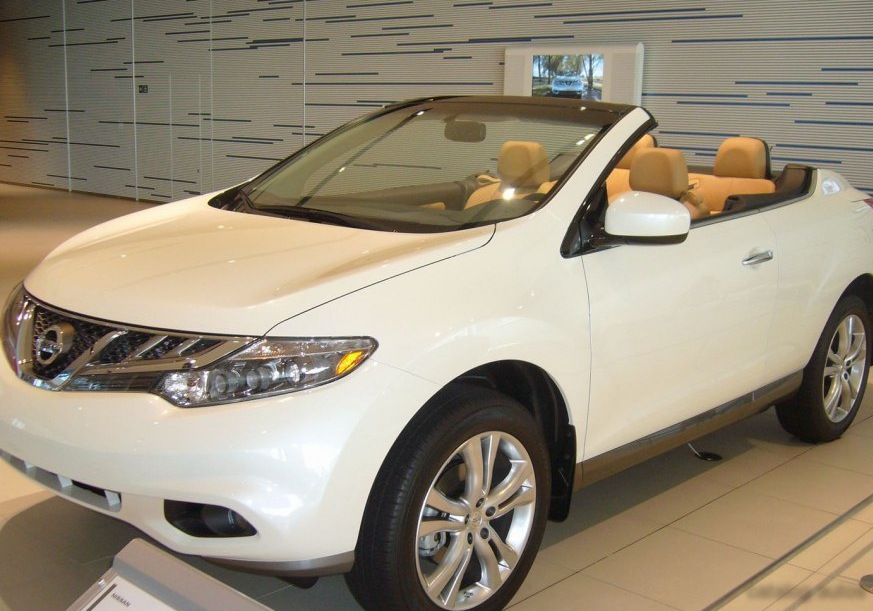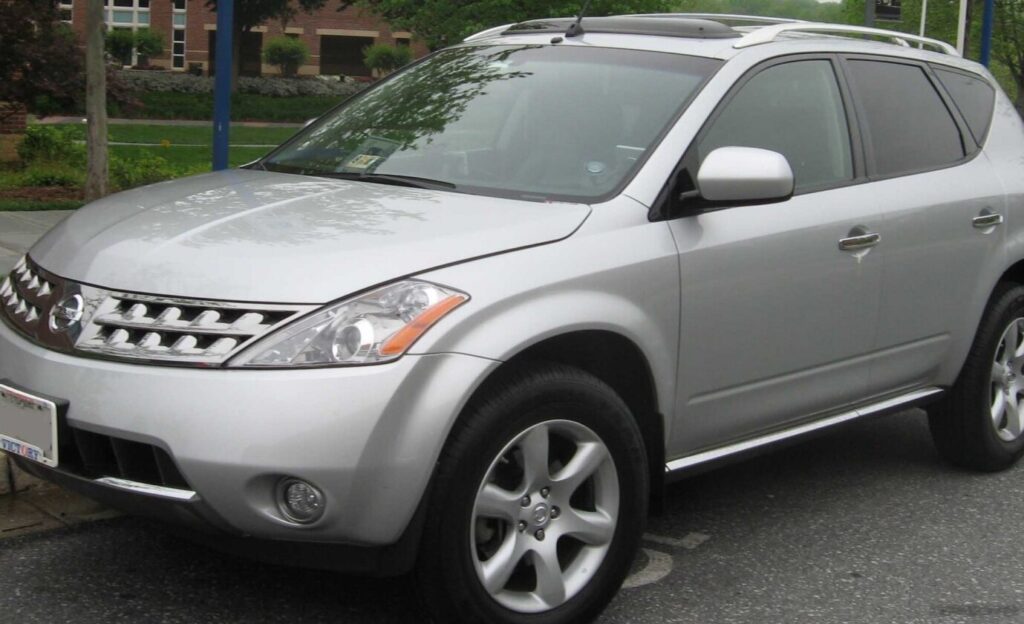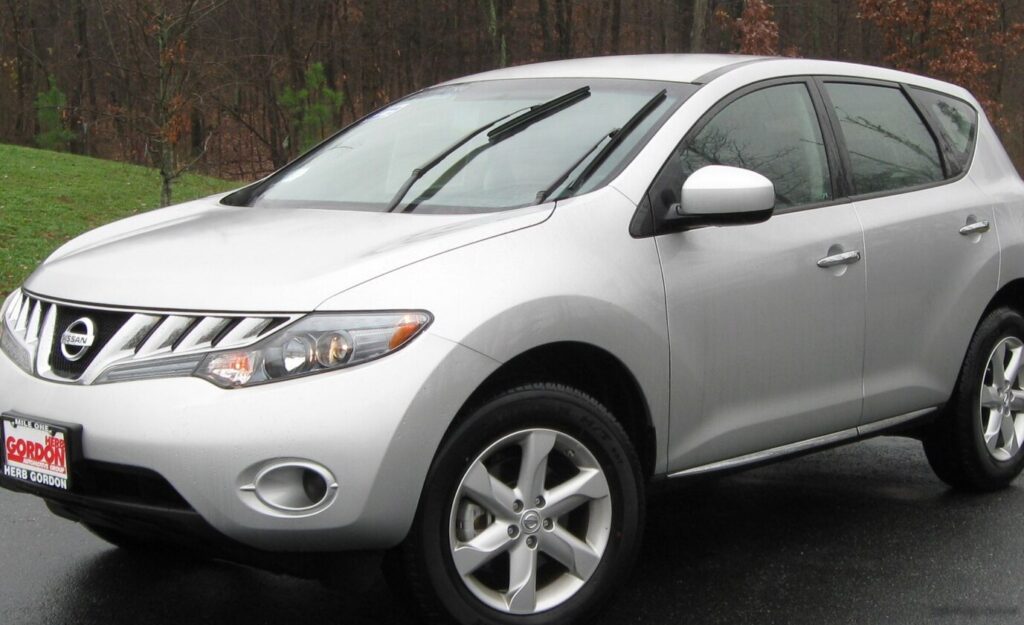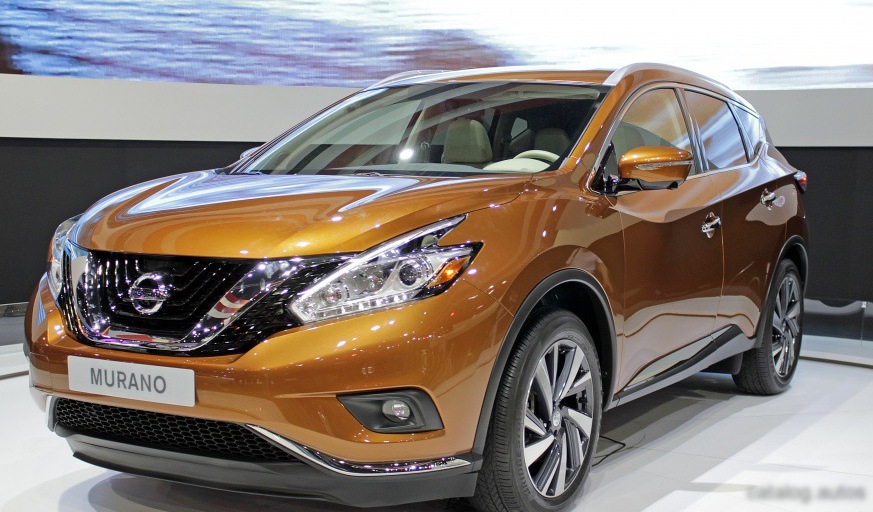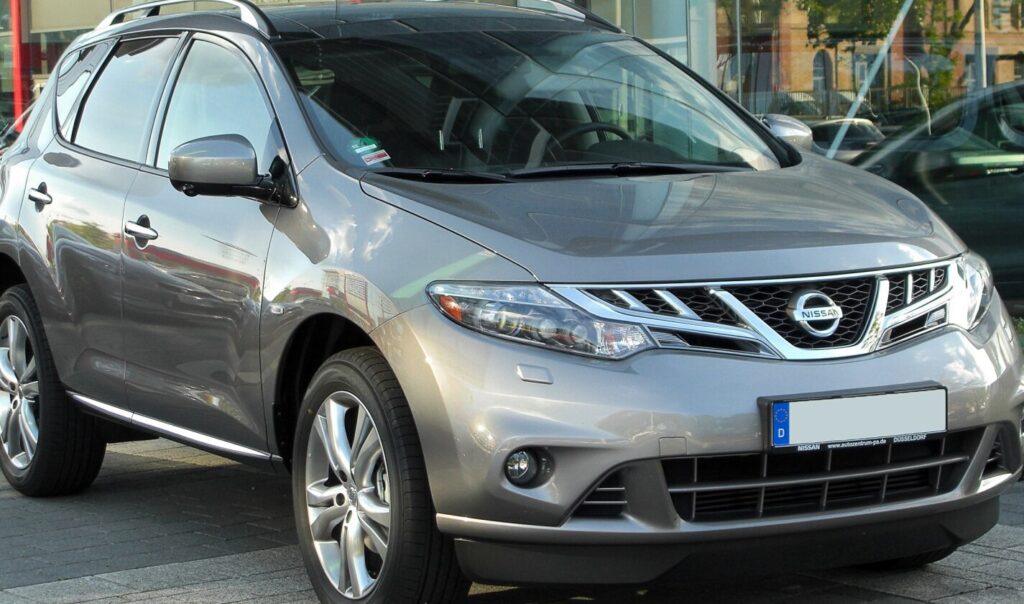
The Nissan Murano II, specifically the facelifted version produced from 2010 to 2014, represented a significant evolution of Nissan’s mid-size crossover SUV. This generation, designated the Z51 chassis code, aimed to blend comfort, style, and capability. The 3.5 V6 4WD CVT variant, producing 256 horsepower, occupied a prominent position in the Murano lineup, offering a balance between performance and fuel efficiency for buyers seeking a well-equipped and capable SUV. It was positioned as a step up from the base model, offering all-wheel drive and the more powerful V6 engine, while remaining below the potentially more expensive options with larger wheel sizes or premium packages.
Technical Specifications
| Brand | Nissan |
| Model | Murano |
| Generation | Murano II (Z51, facelift 2010) |
| Type (Engine) | 3.5 V6 (256 Hp) 4WD CVT |
| Start of production | 2010 |
| End of production | 2014 |
| Powertrain Architecture | Internal Combustion engine |
| Body type | SUV |
| Seats | 5 |
| Doors | 5 |
| Fuel consumption (urban) | 14.8 l/100 km (15.9 US mpg, 19.1 UK mpg, 6.8 km/l) |
| Fuel consumption (extra urban) | 8.3 l/100 km (28.3 US mpg, 34 UK mpg, 12 km/l) |
| Fuel consumption (combined) | 10.6 l/100 km (22.2 US mpg, 26.6 UK mpg, 9.4 km/l) |
| CO2 emissions | 248 g/km |
| Fuel Type | Petrol (Gasoline) |
| Acceleration 0 – 100 km/h | 8 sec |
| Acceleration 0 – 62 mph | 8 sec |
| Acceleration 0 – 60 mph | 7.6 sec |
| Maximum speed | 210 km/h (130.49 mph) |
| Emission standard | Euro 5 |
| Weight-to-power ratio | 7.1 kg/Hp, 139.9 Hp/tonne |
| Weight-to-torque ratio | 5.5 kg/Nm, 182.5 Nm/tonne |
| Power | 256 Hp @ 6000 rpm |
| Power per litre | 73.2 Hp/l |
| Torque | 334 Nm @ 4400 rpm (246.35 lb.-ft. @ 4400 rpm) |
| Engine layout | Front, Transverse |
| Engine Model/Code | VQ35DE |
| Engine displacement | 3498 cm3 (213.46 cu. in.) |
| Number of cylinders | 6 |
| Engine configuration | V-engine |
| Cylinder Bore | 95.5 mm (3.76 in.) |
| Piston Stroke | 81.4 mm (3.2 in.) |
| Compression ratio | 10.3:1 |
| Number of valves per cylinder | 4 |
| Engine aspiration | Naturally aspirated engine |
| Engine oil capacity | 4.6 l (4.86 US qt | 4.05 UK qt) |
| Coolant | 9.4 l (9.93 US qt | 8.27 UK qt) |
| Kerb Weight | 1830 kg (4034.46 lbs.) |
| Max. weight | 2297 kg (5064.02 lbs.) |
| Max load | 467 kg (1029.56 lbs.) |
| Trunk (boot) space – minimum | 402 l (14.2 cu. ft.) |
| Trunk (boot) space – maximum | 1510 l (53.33 cu. ft.) |
| Fuel tank capacity | 82 l (21.66 US gal | 18.04 UK gal) |
| Max. roof load | 100 kg (220.46 lbs.) |
| Permitted trailer load with brakes (12%) | 1585 kg (3494.33 lbs.) |
| Permitted trailer load without brakes | 750 kg (1653.47 lbs.) |
| Permitted towbar download | 100 kg (220.46 lbs.) |
| Length | 4860 mm (191.34 in.) |
| Width | 1885 mm (74.21 in.) |
| Height | 1720 mm (67.72 in.) |
| Wheelbase | 2825 mm (111.22 in.) |
| Front track | 1610 mm (63.39 in.) |
| Rear (Back) track | 1610 mm (63.39 in.) |
| Ride height (ground clearance) | 178 mm (7.01 in.) |
| Minimum turning circle (turning diameter) | 11.8 m (38.71 ft.) |
| Approach angle | 21.5° |
| Departure angle | 27° |
| Ramp-over (brakeover) angle | 17° |
| Drive wheel | All wheel drive (4×4) |
| Number of gears and type of gearbox | automatic transmission Xtronic CVT |
| Front suspension | Independent, type McPherson with coil spring and anti-roll bar |
| Rear suspension | Independent multi-link spring suspension with stabilizer |
| Front brakes | Ventilated discs |
| Rear brakes | Ventilated discs |
| Assisting systems | ABS (Anti-lock braking system) |
| Steering type | Steering rack and pinion |
| Power steering | Hydraulic Steering |
| Tires size | 235/65 R18; 235/55 R20 |
| Wheel rims size | 7.5J x 20 |
Powertrain & Engine Architecture
The heart of this Murano variant is Nissan’s VQ35DE 3.5-liter V6 engine. This engine, a member of Nissan’s highly regarded VQ family, is known for its smooth operation and reliability. The VQ35DE features a 60-degree V-angle, aluminum alloy block and cylinder heads, and dual overhead camshafts (DOHC) with four valves per cylinder. Fuel delivery is managed by a multi-port fuel injection system. The engine produces 256 horsepower at 6000 rpm and 246 lb-ft of torque at 4400 rpm. Paired with the engine is Nissan’s Xtronic CVT (Continuously Variable Transmission). This transmission, unlike traditional automatic transmissions with fixed gear ratios, uses a belt and pulley system to provide a virtually infinite number of gear ratios, optimizing fuel efficiency and providing smooth acceleration. The 4WD system is an electronically controlled all-wheel drive system that automatically distributes torque between the front and rear axles based on road conditions and driver input.
Driving Characteristics
The 3.5L V6 and CVT combination in the Murano delivers a comfortable and refined driving experience. Acceleration from 0-60 mph takes approximately 7.6 seconds, which is respectable for a mid-size crossover. The CVT, while prioritizing efficiency, doesn’t suffer from the “rubber band” feel sometimes associated with earlier CVT designs. The transmission is programmed to mimic traditional gear shifts under hard acceleration, providing a more engaging driving experience. Compared to the base 2.5L four-cylinder engine, the V6 offers significantly more power and responsiveness. While a manual transmission wasn’t offered in this configuration, the CVT’s ability to keep the engine in its optimal power band often resulted in similar or even better acceleration times than a traditional automatic transmission with fewer gears.
Equipment & Trim Levels
The 2010-2014 Murano 3.5 V6 4WD CVT typically came standard with a generous list of features. These included automatic climate control, a six-speaker audio system with a CD player and auxiliary input, power-adjustable front seats, and keyless entry. Higher trim levels, such as the LE and SL, added features like leather upholstery, a premium Bose audio system, a navigation system, and a power liftgate. Optional extras included a sunroof, heated front seats, and a rear-seat entertainment system.
Chassis & Braking
The Murano II utilizes an independent suspension system at all four corners. The front suspension features a McPherson strut design with coil springs and a stabilizer bar, while the rear suspension employs a multi-link setup, also with coil springs and a stabilizer bar. This suspension configuration provides a comfortable ride and good handling characteristics. Braking duties are handled by ventilated disc brakes on all four wheels, providing ample stopping power. An Anti-lock Braking System (ABS) is standard, enhancing safety and control during emergency braking situations.
Market Reception & Comparison
The Nissan Murano II, particularly the 3.5 V6 4WD CVT variant, was generally well-received by automotive critics. It was praised for its comfortable ride, spacious interior, and refined powertrain. Fuel economy, however, was a common criticism, with the combined fuel consumption of 22.2 US mpg being considered average for its class. Compared to competitors like the Honda Pilot and Toyota Highlander, the Murano offered a more stylish design and a more luxurious interior, but often at a slightly higher price point. The V6 engine provided a noticeable performance advantage over the four-cylinder options offered by some competitors.
Legacy
The VQ35DE engine, in general, has a reputation for being a durable and reliable powerplant. While the CVT transmission requires regular fluid changes to maintain optimal performance, it has proven to be a relatively reliable unit as well. Today, used Murano II models with the 3.5 V6 engine and CVT transmission are readily available and generally offer good value for money. Proper maintenance is key to ensuring the longevity of these vehicles, particularly the CVT transmission. The Murano II, and this specific variant, remains a popular choice for buyers seeking a comfortable, capable, and stylish mid-size crossover SUV.