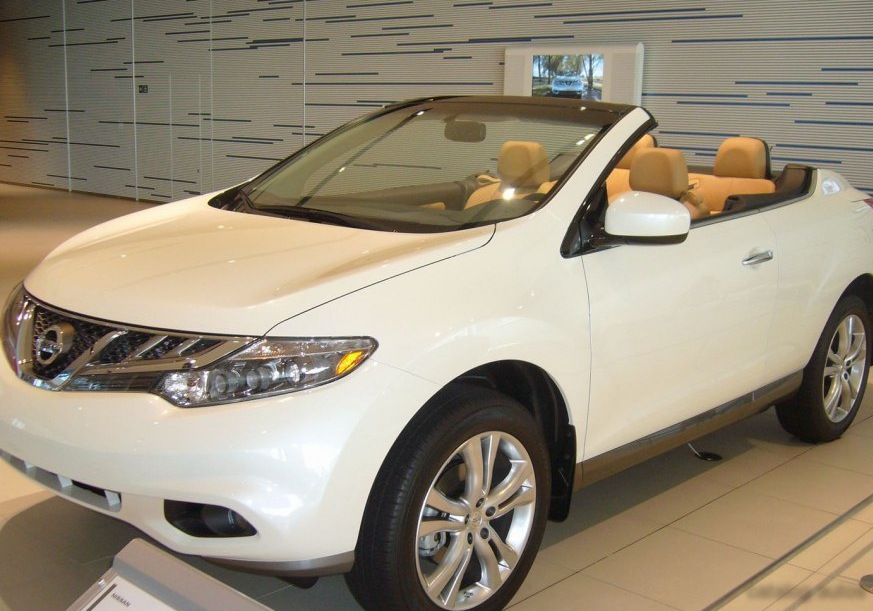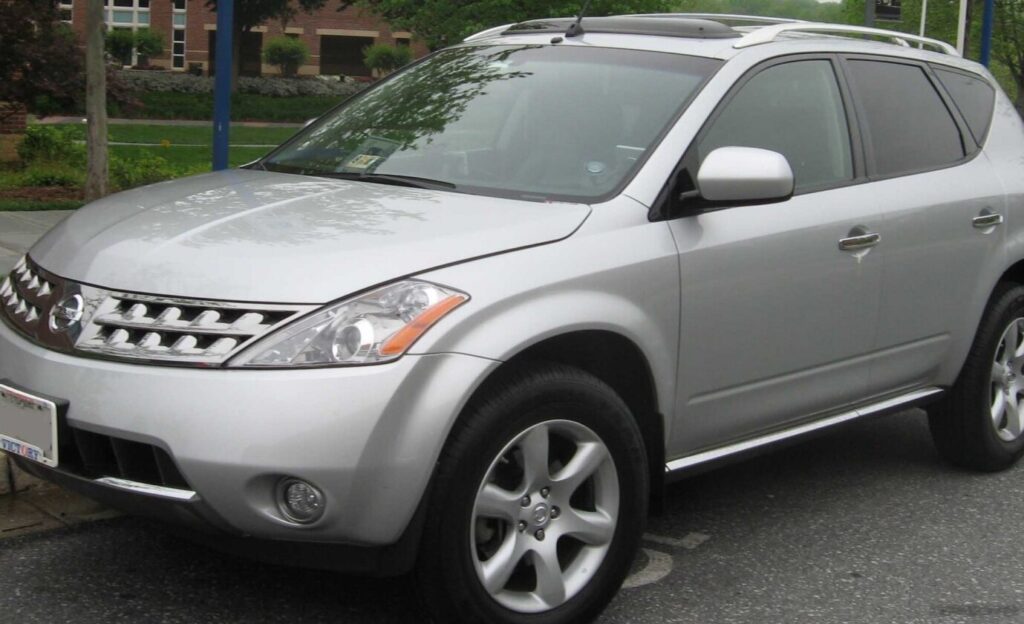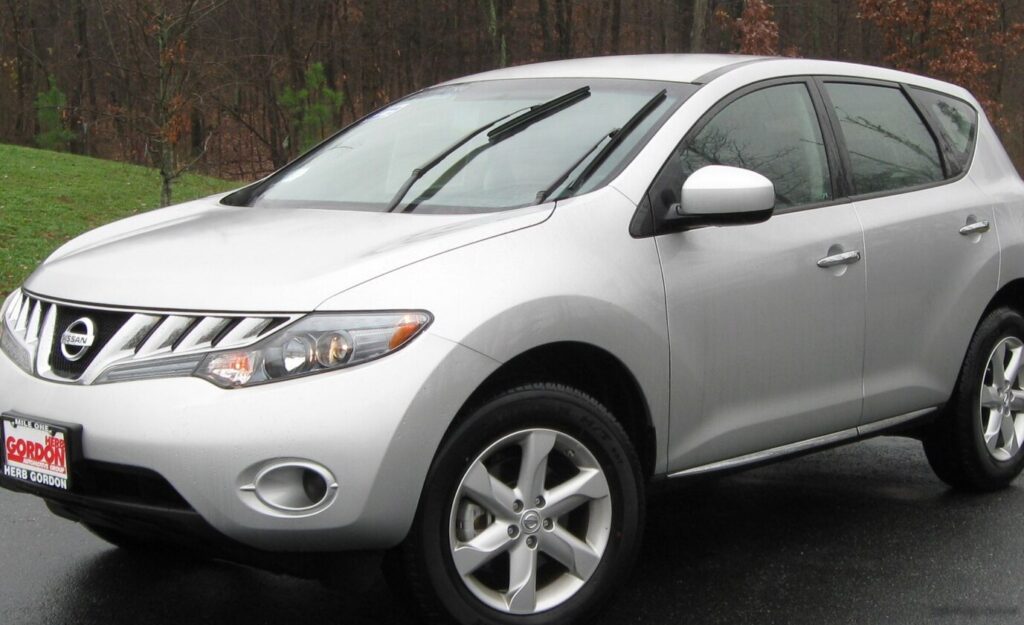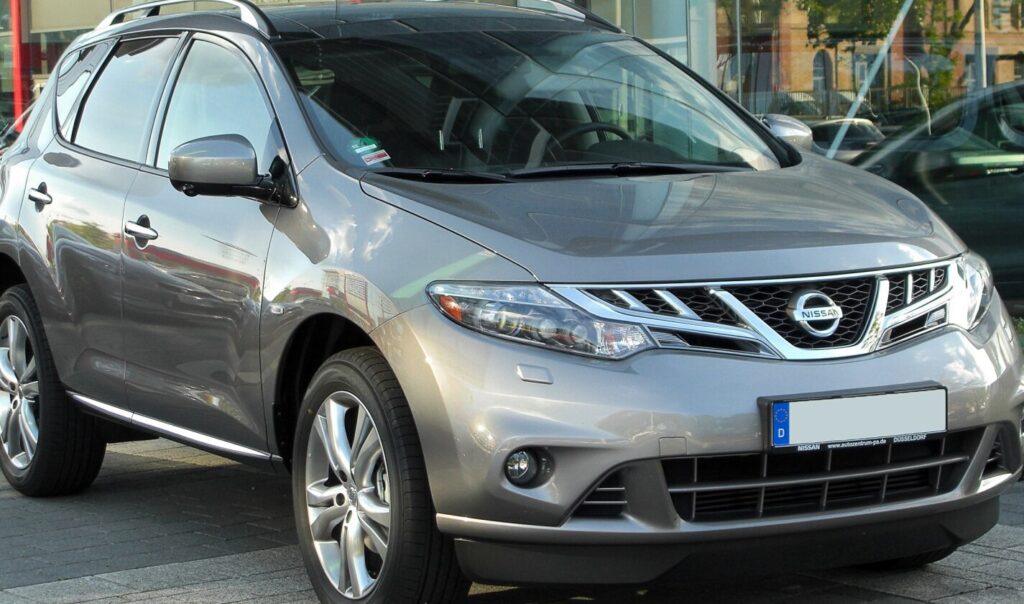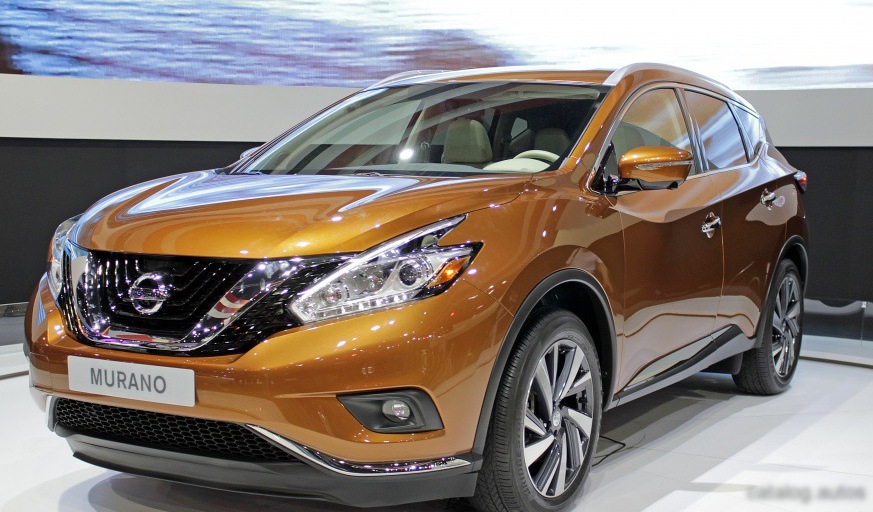
The Nissan Murano III, designated as the Z52 chassis, was a mid-size crossover SUV produced by Nissan from 2016 to 2018 for the North American market. A key variant within the Z52 generation was the 2.5-liter (250 horsepower) Hybrid model equipped with All-Wheel Drive (AWD) and a Continuously Variable Transmission (CVT). This configuration represented Nissan’s attempt to blend fuel efficiency with the comfort and space expected of a modern crossover, positioning itself as a premium offering within the increasingly competitive segment. The Z52 Murano represented a significant styling departure from its predecessor, adopting a more fluid and dynamic design language.
Technical Specifications
| Brand | Nissan |
| Model | Murano |
| Generation | Murano III (Z52) |
| Type (Engine) | 2.5 (250 Hp) Hybrid AWD Automatic |
| Start of production | 2016 |
| End of production | 2018 |
| Powertrain Architecture | FHEV (Full Hybrid Electric Vehicle) |
| Body type | SUV |
| Seats | 5 |
| Doors | 5 |
| Fuel consumption (urban) | 9 l/100 km (26.1 US mpg) |
| Fuel consumption (extra urban) | 7.8 l/100 km (30.2 US mpg) |
| Fuel consumption (combined) | 8.4 l/100 km (28 US mpg) |
| Fuel Type | Petrol (Gasoline) |
| Acceleration 0 – 100 km/h | 8.3 sec |
| Acceleration 0 – 62 mph | 8.3 sec |
| Acceleration 0 – 60 mph | 7.9 sec |
| Maximum speed | 210 km/h (130.49 mph) |
| Electric motor power | 20 Hp |
| System power | 250 Hp |
| Engine Power | 230 Hp @ 5600 rpm |
| Torque | 329 Nm @ 3600 rpm (242.66 lb.-ft. @ 3600 rpm) |
| Engine layout | Front, Transverse |
| Engine Model/Code | QR25DER |
| Engine displacement | 2488 cm3 (151.83 cu. in.) |
| Number of cylinders | 4 |
| Engine configuration | Inline |
| Number of valves per cylinder | 4 |
| Fuel injection system | Multi-port manifold injection |
| Engine aspiration | Turbocharger, Intercooler |
| Valvetrain | DOHC |
| Engine oil capacity | 5.8 l (6.13 US qt | 5.1 UK qt) |
| Coolant capacity | 9.2 l (9.72 US qt | 8.09 UK qt) |
| Trunk (boot) space – minimum | 909 l (32.1 cu. ft.) |
| Trunk (boot) space – maximum | 1897 l (66.99 cu. ft.) |
| Fuel tank capacity | 72 l (19.02 US gal | 15.84 UK gal) |
| Length | 4897 mm (192.8 in.) |
| Width | 1915 mm (75.39 in.) |
| Height | 1692 mm (66.61 in.) |
| Wheelbase | 2824 mm (111.18 in.) |
| Front track | 1641 mm (64.61 in.) |
| Rear track | 1641 mm (64.61 in.) |
| Drive wheel | All wheel drive (4×4) |
| Number of gears and type of gearbox | automatic transmission CVT |
| Front suspension | Independent coil spring |
| Rear suspension | Independent multi-link suspension |
| Front brakes | Ventilated discs |
| Rear brakes | Ventilated discs |
| Assisting systems | ABS (Anti-lock braking system) |
| Steering type | Steering rack and pinion |
| Power steering | Electric Steering |
| Tires size | 235/65 R18; 235/55 R20 |
| Wheel rims size | 7.5J x 18; 7.5J x 20 |
Powertrain & Engine Architecture
The heart of the Murano Hybrid is Nissan’s QR25DER 2.5-liter inline-four cylinder engine. This engine utilizes a turbocharger and intercooler to produce 230 horsepower at 5600 rpm and 329 Nm (242.66 lb.-ft.) of torque at 3600 rpm. The QR25DER features multi-port fuel injection and a double overhead camshaft (DOHC) valvetrain. Crucially, this engine is paired with an electric motor, contributing an additional 20 horsepower, for a combined system output of 250 horsepower. The hybrid system is a full hybrid (FHEV) design, meaning it can operate on electric power alone for short distances and at low speeds. The powertrain is managed by a Continuously Variable Transmission (CVT), which prioritizes fuel efficiency and smooth acceleration over traditional stepped gear changes. The QR25DER engine is known for its relatively robust design, though the CVT transmission is a common point of concern for long-term reliability.
Driving Characteristics
The 2.5-liter Hybrid AWD Murano delivers a comfortable and refined driving experience. The CVT, while efficient, doesn’t offer the immediate responsiveness of a traditional automatic transmission. Acceleration from 0-60 mph takes approximately 7.9 seconds, which is adequate for everyday driving but doesn’t position it as a performance-oriented SUV. The AWD system provides enhanced traction in inclement weather, making it a suitable choice for regions with snow or rain. The hybrid system’s electric motor provides a boost during acceleration, mitigating some of the CVT’s inherent lag. Compared to the standard 3.5-liter V6 Murano, the hybrid offers significantly improved fuel economy, but sacrifices some overall power and towing capacity.
Equipment & Trim Levels
The Murano Hybrid was typically offered in a single, well-equipped trim level. Standard features included leather upholstery, heated front seats, a touchscreen infotainment system with navigation, a rearview camera, and a suite of advanced safety technologies such as blind-spot monitoring and rear cross-traffic alert. Optional extras often included a premium Bose audio system, panoramic sunroof, and adaptive cruise control. The interior design focused on providing a comfortable and upscale environment, with soft-touch materials and a user-friendly layout.
Chassis & Braking
The Z52 Murano utilizes an independent coil spring suspension in the front and an independent multi-link suspension in the rear, providing a comfortable ride quality. All four wheels are equipped with ventilated disc brakes, offering adequate stopping power. The electronic power steering provides a light and responsive feel. The AWD system is primarily front-wheel drive, automatically engaging the rear wheels when slip is detected. Stabilizer bars are fitted to both the front and rear axles to reduce body roll during cornering.
Market Reception & Comparison
The Murano Hybrid was generally well-received by critics, who praised its fuel efficiency, comfortable ride, and spacious interior. However, some reviewers noted the CVT’s lack of responsiveness and the relatively high price compared to non-hybrid competitors. Compared to other hybrid SUVs in its class, such as the Toyota Highlander Hybrid, the Murano offered a more stylish design and a more luxurious interior, but lacked the Toyota’s reputation for long-term reliability. Fuel economy figures averaged around 28 mpg combined, a significant improvement over the V6-powered Murano.
Legacy
The Nissan Murano Z52 2.5-liter Hybrid AWD Automatic represents a transitional point in Nissan’s powertrain strategy, embracing hybrid technology to improve fuel efficiency. While the QR25DER engine itself has proven relatively reliable, the CVT transmission remains a potential weak point, requiring diligent maintenance. On the used car market, these Muranos are often sought after for their fuel economy and features, but potential buyers should be aware of the CVT’s potential issues and ensure a thorough pre-purchase inspection. The Z52 Murano, particularly the hybrid variant, remains a viable option for buyers seeking a comfortable, well-equipped, and relatively fuel-efficient mid-size crossover SUV.