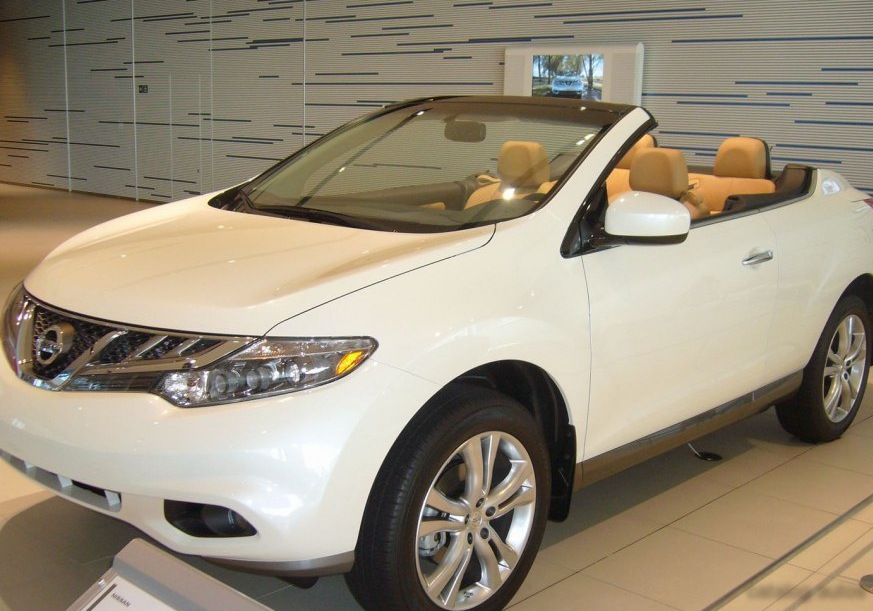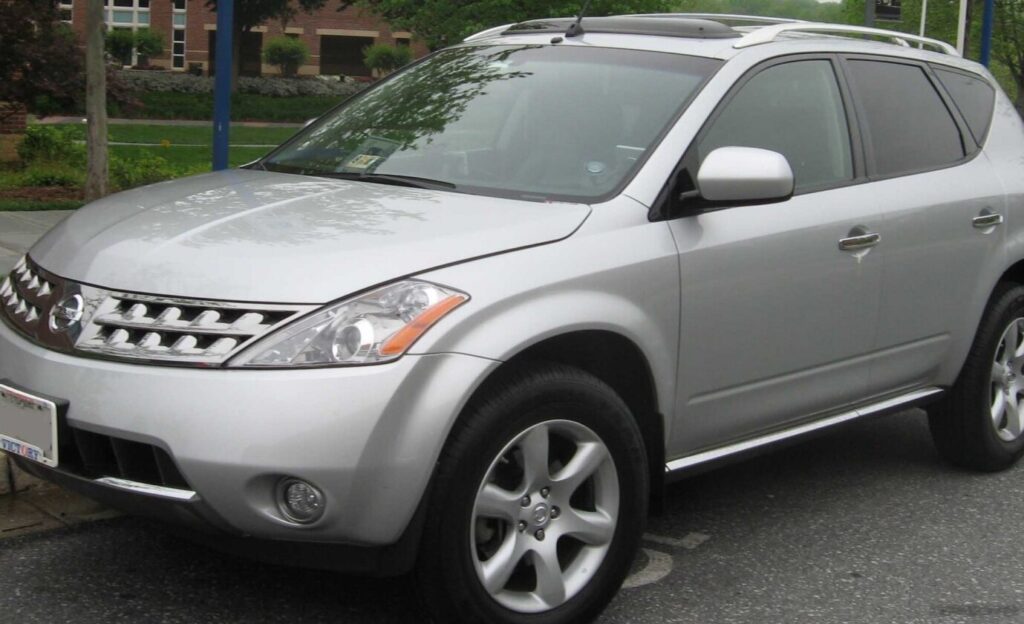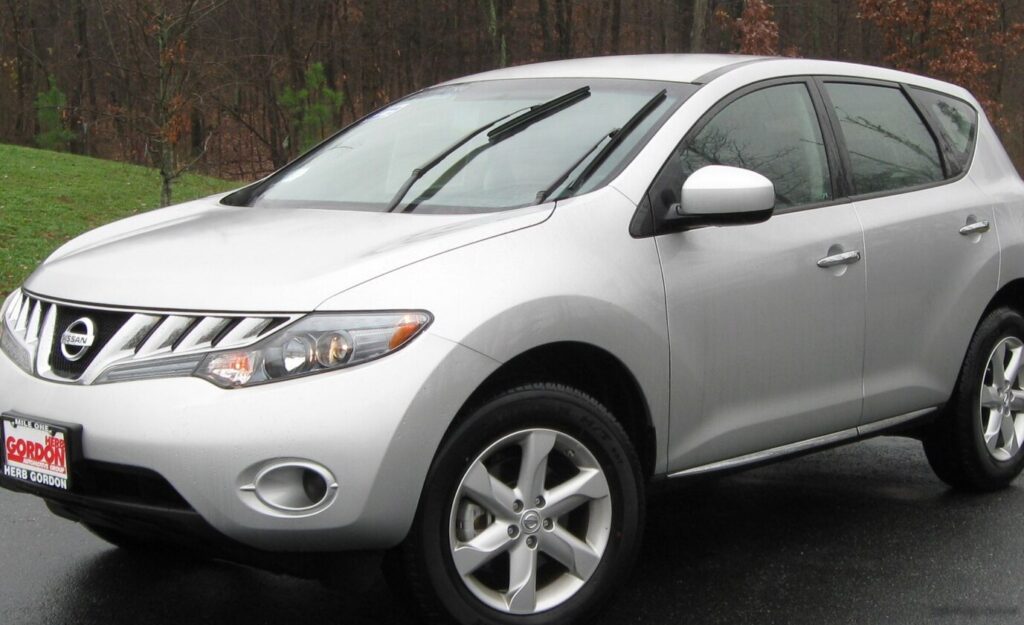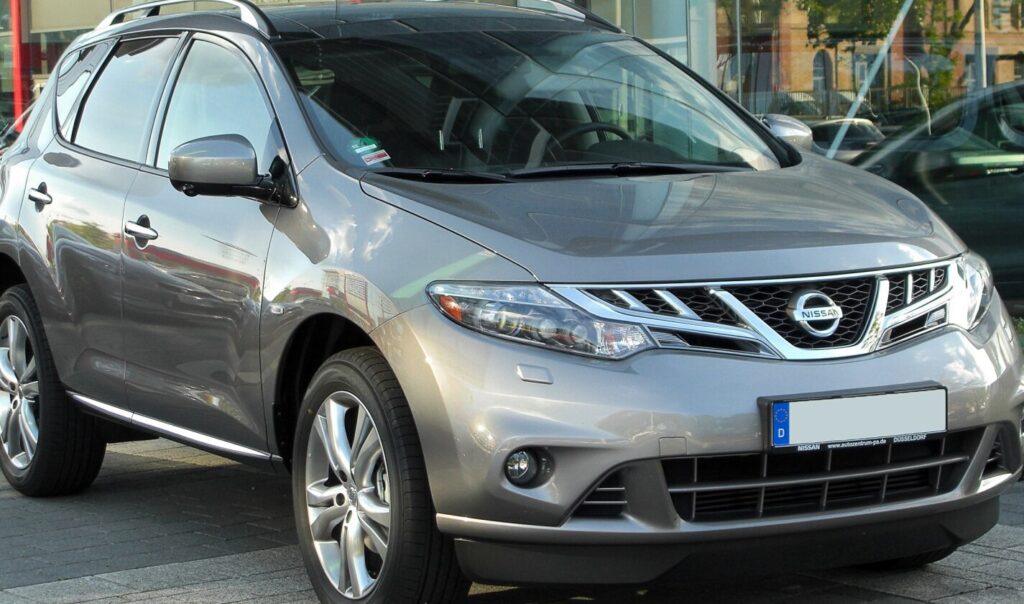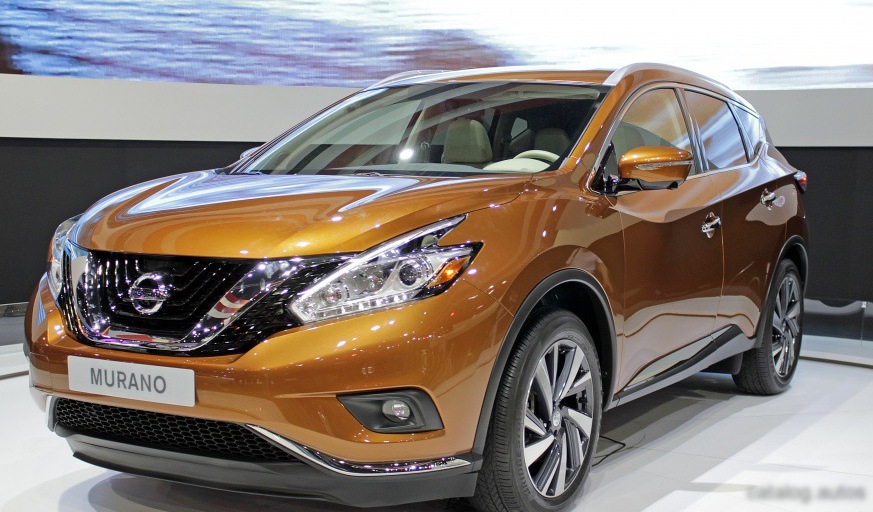
The Nissan Murano III, designated as the Z52 chassis, was a mid-size crossover SUV produced by Nissan from 2015 to 2018. Representing the third generation of the Murano, it aimed to elevate the model’s appeal with a more refined interior, updated technology, and a focus on comfort. Within the Z52 lineup, the 3.5 V6 AWD Automatic variant occupied the premium position, offering the most powerful engine option combined with the convenience of all-wheel drive and a continuously variable transmission (CVT). This configuration was targeted towards buyers seeking a comfortable, capable, and well-equipped SUV for both daily commuting and longer journeys.
Technical Specifications
| Brand | Nissan |
| Model | Murano |
| Generation | Murano III (Z52) |
| Type | 3.5 V6 (260 Hp) AWD Automatic |
| Start of production | 2015 |
| End of production | 2018 |
| Powertrain Architecture | Internal Combustion engine |
| Body type | SUV |
| Seats | 5 |
| Doors | 5 |
| Fuel consumption (urban) | 11.2 l/100 km (21 US mpg) |
| Fuel consumption (extra urban) | 8.4 l/100 km (28 US mpg) |
| Fuel consumption (combined) | 9.8 l/100 km (24 US mpg) |
| Fuel Type | Petrol (Gasoline) |
| Weight-to-power ratio | 6.8 kg/Hp |
| Weight-to-torque ratio | 5.5 kg/Nm |
| Power | 260 Hp @ 6000 rpm |
| Power per litre | 74.3 Hp/l |
| Torque | 325 Nm @ 4400 rpm (239.71 lb.-ft. @ 4400 rpm) |
| Engine layout | Front, Transverse |
| Engine Model/Code | VQ35DE |
| Engine displacement | 3498 cm3 (213.46 cu. in.) |
| Number of cylinders | 6 |
| Engine configuration | V-engine |
| Number of valves per cylinder | 4 |
| Fuel injection system | Multi-port manifold injection |
| Engine aspiration | Naturally aspirated engine |
| Valvetrain | DOHC |
| Engine oil capacity | 4.8 l (5.07 US qt | 4.22 UK qt) |
| Coolant capacity | 8.7 l (9.19 US qt | 7.65 UK qt) |
| Kerb Weight | 1774 kg (3911 lbs.) |
| Trunk (boot) space – minimum | 909 l (32.1 cu. ft.) |
| Trunk (boot) space – maximum | 1897 l (66.99 cu. ft.) |
| Fuel tank capacity | 72 l (19.02 US gal | 15.84 UK gal) |
| Permitted trailer load with brakes (12%) | 680 kg (1499.14 lbs.) |
| Length | 4897 mm (192.8 in.) |
| Width | 1915 mm (75.39 in.) |
| Height | 1722 mm (67.8 in.) |
| Wheelbase | 2824 mm (111.18 in.) |
| Front track | 1641 mm (64.61 in.) |
| Rear track | 1641 mm (64.61 in.) |
| Drive wheel | All wheel drive (4×4) |
| Number of gears and type of gearbox | automatic transmission CVT |
| Front suspension | Independent coil spring |
| Rear suspension | Independent multi-link suspension |
| Front brakes | Ventilated discs |
| Rear brakes | Ventilated discs |
| Assisting systems | ABS (Anti-lock braking system) |
| Steering type | Steering rack and pinion |
| Power steering | Electric Steering |
| Tires size | 235/65 R18; 235/55 R20 |
| Wheel rims size | 7.5J x 18; 7.5J x 20 |
Powertrain & Engine Architecture
The heart of the Murano 3.5 V6 AWD was the Nissan VQ35DE engine, a 3.5-liter naturally aspirated V6. This engine was a mainstay of Nissan’s powertrain lineup for many years, known for its smooth operation and respectable power output. The VQ35DE featured a 60-degree V-angle, dual overhead camshafts (DOHC), and four valves per cylinder. It utilized multi-port fuel injection to deliver fuel directly into the intake ports. The engine produced 260 horsepower at 6000 rpm and 240 lb-ft of torque at 4400 rpm. This power was then sent to all four wheels via a continuously variable transmission (CVT). Nissan’s Xtronic CVT was designed to provide smooth, seamless acceleration and improved fuel efficiency compared to traditional automatic transmissions. The all-wheel-drive system employed an electronically controlled transfer case to distribute torque between the front and rear axles, enhancing traction in various driving conditions.
Driving Characteristics
The 3.5L V6 and CVT combination in the Murano offered a comfortable and refined driving experience. While not a performance-oriented SUV, the engine provided adequate power for everyday driving and highway merging. The CVT, while efficient, lacked the distinct gear changes of a traditional automatic, resulting in a somewhat different driving feel. Acceleration from a standstill was smooth and linear, but could feel slightly less responsive than a geared transmission. The all-wheel-drive system provided enhanced stability and grip, particularly in inclement weather. Compared to the base 2.5L four-cylinder Murano, the V6 offered a significant boost in power and a more relaxed driving experience, especially when fully loaded or towing. The CVT was programmed to mimic traditional gear shifts under hard acceleration, providing a more engaging feel.
Equipment & Trim Levels
The 3.5 V6 AWD Automatic trim typically came well-equipped with standard features such as leather upholstery, heated front seats, a power-adjustable driver’s seat, a touchscreen infotainment system with navigation, a rearview camera, and a premium audio system. Available options included a panoramic sunroof, ventilated front seats, and advanced safety features like blind-spot monitoring and adaptive cruise control. Interior trim levels varied, with higher-spec models offering woodgrain accents and upgraded materials. The dashboard layout was generally clean and intuitive, with a focus on user-friendliness.
Chassis & Braking
The Murano Z52 utilized a unibody construction for improved rigidity and reduced weight. The front suspension consisted of an independent coil spring setup, while the rear featured an independent multi-link suspension. This configuration aimed to provide a comfortable ride and predictable handling. The braking system consisted of ventilated discs on all four wheels, providing ample stopping power. Anti-lock brakes (ABS) were standard, along with electronic brake-force distribution and brake assist. The steering system employed an electric power steering (EPS) system, offering light and precise steering feel.
Market Reception & Comparison
The Nissan Murano Z52, particularly the 3.5 V6 AWD variant, received generally positive reviews from automotive critics. It was praised for its comfortable ride, spacious interior, and refined powertrain. However, some critics noted that the CVT transmission could feel less engaging than a traditional automatic. Fuel economy was considered average for its class. Compared to competitors like the Honda Pilot, Toyota Highlander, and Ford Explorer, the Murano offered a more stylish design and a more luxurious interior, but lacked the third-row seating option available on some rivals. The V6 engine provided a noticeable performance advantage over the base four-cylinder engine, but at the cost of slightly lower fuel economy.
Legacy
The Nissan VQ35DE engine has a reputation for being a reliable and durable powerplant, and the Murano’s CVT transmission, while sometimes criticized for its feel, has proven to be generally dependable with proper maintenance. On the used car market, the 2015-2018 Murano 3.5 V6 AWD models hold their value reasonably well, appealing to buyers seeking a comfortable, well-equipped, and capable crossover SUV. Common maintenance items include regular oil changes, transmission fluid flushes, and inspection of the cooling system. Overall, the Murano Z52 3.5 V6 AWD remains a viable option for those seeking a mid-size SUV with a blend of comfort, style, and reliability.