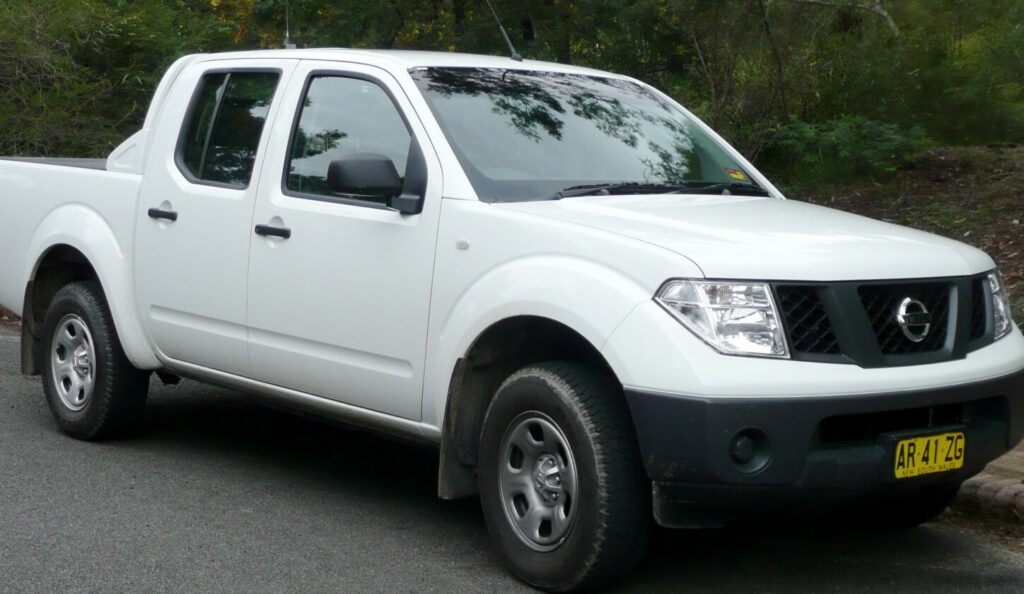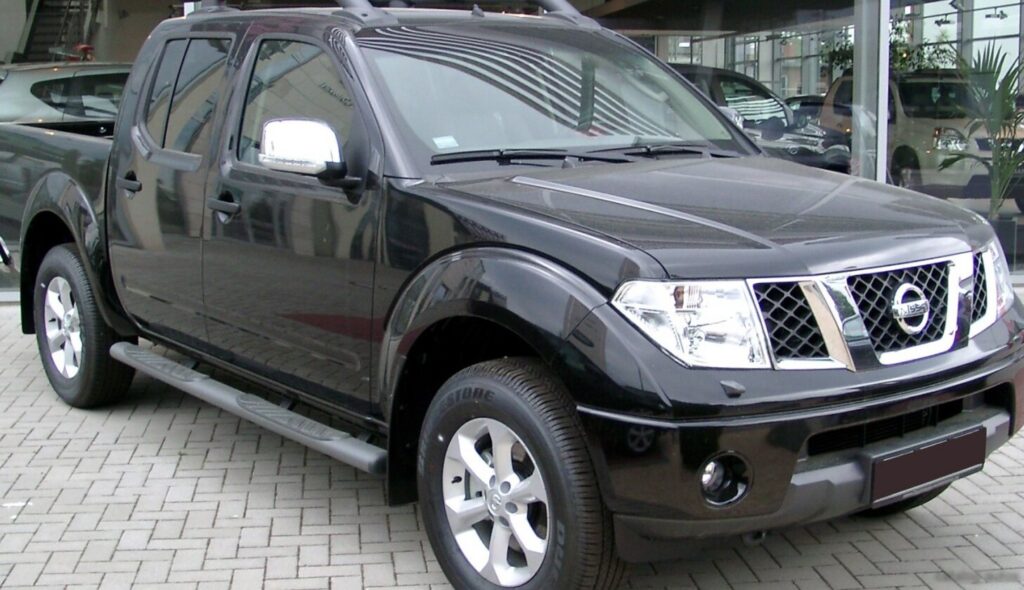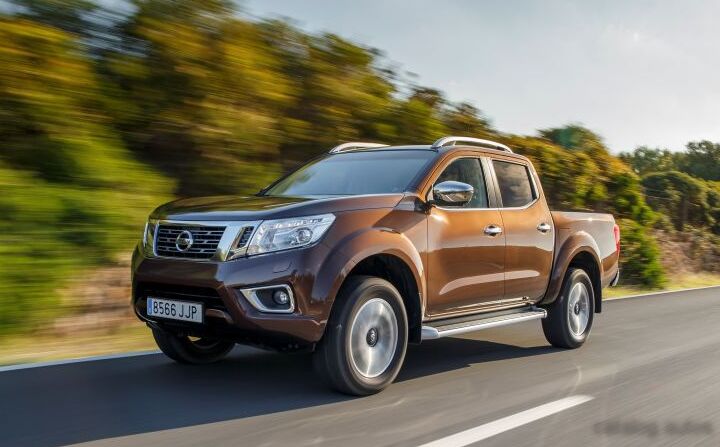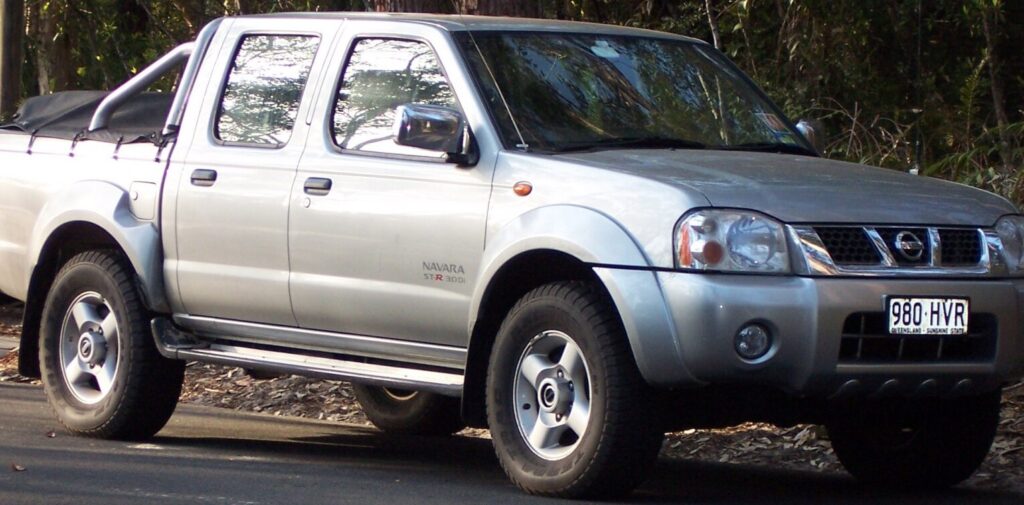
The Nissan Navara II, designated the D22 series, was a mid-size pickup truck produced by Nissan from 1998 to 2005, with variations continuing in some markets until 2016. The 2.5 dCi Double Cab 4WD variant, producing 133 horsepower, occupied a significant position within the D22 lineup, particularly in European and Australasian markets. This model aimed to balance practicality, off-road capability, and family-friendly space, offering a compelling alternative to larger, more cumbersome full-size pickups. Production of this specific configuration ran from 1998 to 2004, representing the initial phase of the D22’s lifecycle.
Technical Specifications
| Brand | Nissan |
| Model | Navara |
| Generation | Navara II (D22) |
| Type | 2.5 dCi Double Cab 4WD (133 Hp) |
| Start of production | 1998 |
| End of production | 2004 |
| Powertrain Architecture | Internal Combustion engine |
| Body type | Pick-up |
| Seats | 5 |
| Doors | 4 |
| Fuel Type | Diesel |
| Power | 133 Hp @ 4000 rpm |
| Torque | 304 Nm @ 2000 rpm / 224.22 lb.-ft. @ 2000 rpm |
| Engine layout | Front, Longitudinal |
| Number of cylinders | 4 |
| Engine configuration | Inline |
| Number of valves per cylinder | 4 |
| Fuel injection system | Precombustion chamber injection |
| Engine aspiration | Turbocharger |
| Valvetrain | DOHC |
| Fuel tank capacity | 80 l / 21.13 US gal / 17.6 UK gal |
| Length | 5220 mm / 205.51 in |
| Width | 1850 mm / 72.83 in |
| Height | 1774 mm / 69.84 in |
| Wheelbase | 3200 mm / 125.98 in |
| Front track | 1570 mm / 61.81 in |
| Rear track | 1570 mm / 61.81 in |
| Minimum turning circle | 13.4 m / 43.96 ft |
| Drive wheel | All wheel drive (4×4) |
| Number of gears | 5 |
| Gearbox type | Manual transmission |
| Front suspension | Double wishbone |
| Rear suspension | Leaf spring |
| Front brakes | Ventilated discs |
| Rear brakes | Drum |
| Assisting systems | ABS (Anti-lock braking system) |
| Steering type | Steering rack and pinion |
Powertrain & Engine Architecture
The heart of the D22 2.5 dCi was the YD25DDTi engine, a 2.5-liter inline-four cylinder diesel. This engine utilized a precombustion chamber injection system, a common design for diesels of the era, offering a balance between efficiency and reduced emissions. The turbocharger, a key component, boosted power output to 133 hp at 4000 rpm and 304 Nm (224.22 lb-ft) of torque at 2000 rpm. The engine featured a double overhead camshaft (DOHC) valvetrain, contributing to improved breathing and overall performance. The five-speed manual transmission was the standard offering for this variant, providing a direct connection between the engine and the wheels. The drivetrain was a part-time four-wheel drive system, allowing the driver to switch between 2WD and 4WD modes as needed, enhancing both on-road handling and off-road capability.
Driving Characteristics
The 133 hp 2.5 dCi Double Cab 4WD offered a practical, if not exhilarating, driving experience. The engine’s torque peak at 2000 rpm provided adequate pulling power for everyday tasks and moderate towing. However, compared to higher-output versions of the YD25 engine (found in later Navara models), this variant felt somewhat underpowered, particularly when fully loaded or tackling steep inclines. The five-speed manual transmission was well-matched to the engine’s characteristics, offering a reasonable spread of gears. The 4WD system, when engaged, provided enhanced traction on loose surfaces, making it suitable for light to moderate off-road adventures. The leaf spring rear suspension, while robust, contributed to a somewhat firm ride quality, especially when unladen.
Equipment & Trim Levels
The 2.5 dCi Double Cab 4WD typically came with a fairly basic level of equipment, reflecting its positioning as a workhorse vehicle. Standard features generally included power steering, central locking, and an AM/FM radio. Air conditioning was often an optional extra, as were power windows and electric mirrors. Interior upholstery was typically vinyl or a durable cloth material. The Double Cab configuration offered seating for five passengers, making it a practical choice for families or crews. Higher trim levels, if available, might have included alloy wheels, upgraded audio systems, and additional comfort features.
Chassis & Braking
The D22 Navara utilized a body-on-frame construction, providing a robust and durable chassis. The front suspension consisted of double wishbones, offering a degree of ride comfort and handling precision. The rear suspension employed leaf springs, a traditional design favored for its load-carrying capacity and durability. The braking system featured ventilated discs on the front wheels and drum brakes on the rear. Anti-lock Braking System (ABS) was included as a standard safety feature, enhancing braking performance and stability, particularly on slippery surfaces. The steering system was a rack and pinion setup, providing responsive and accurate steering feel.
Market Reception & Comparison
The Nissan Navara D22 2.5 dCi Double Cab 4WD was generally well-received in markets where mid-size pickups were popular. Critics praised its practicality, durability, and off-road capability. However, some reviewers noted the engine’s lack of refinement and relatively low power output compared to competitors. Compared to the higher-powered versions of the YD25 engine, the 133 hp variant offered lower running costs and potentially better fuel economy, but at the expense of performance. It also offered a more affordable entry point into the Navara range. Against competitors like the Toyota Hilux and Mitsubishi L200, the Navara D22 offered a competitive package, particularly in terms of value for money.
Legacy
The Nissan Navara D22, including the 2.5 dCi Double Cab 4WD variant, has proven to be a relatively reliable vehicle, particularly when properly maintained. The YD25 engine, while not without its quirks, is generally considered to be a durable unit. Common issues include turbocharger failure and injector problems, but these are often preventable with regular servicing. Today, the D22 Navara remains a popular choice in the used car market, particularly among those seeking a practical and affordable pickup truck. Its robust construction and capable 4WD system make it well-suited for a variety of tasks, from work to recreation. While it may not offer the refinement or features of more modern pickups, the D22 Navara remains a testament to Nissan’s commitment to building durable and reliable vehicles.