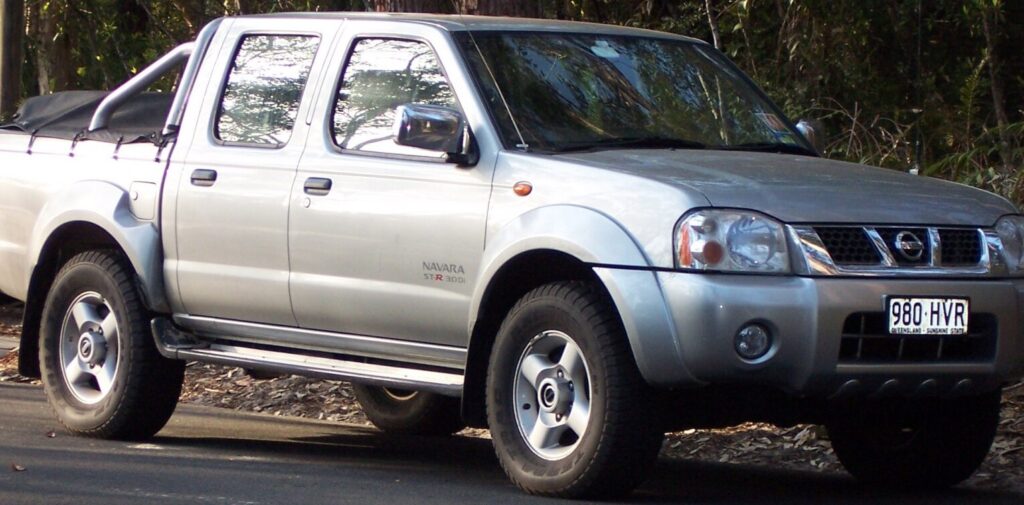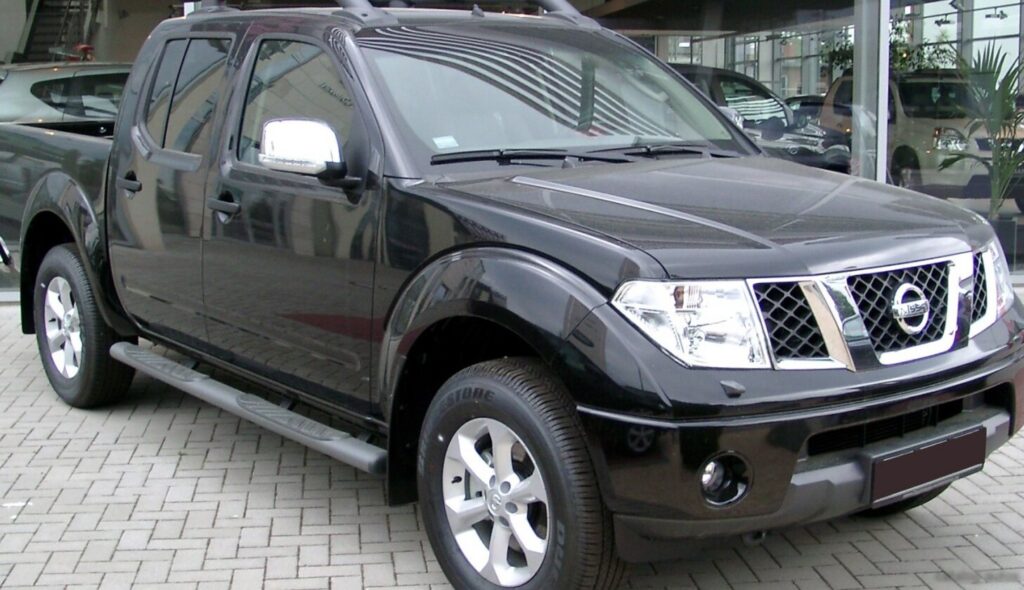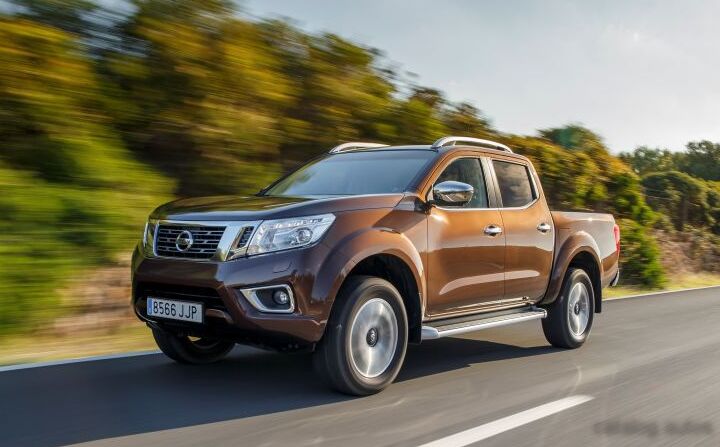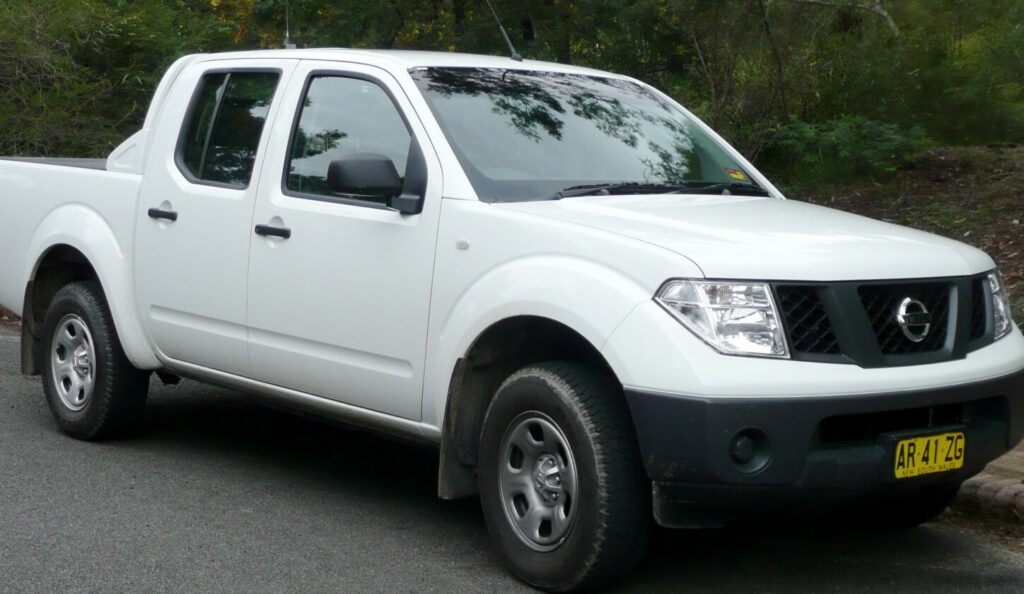
The Nissan Navara III (D40) 2.5 dCi Double Cab 4WD Automatic, produced from 2005 to 2007, represented a significant offering in the mid-size pickup truck segment. Part of the D40 generation Navara, which debuted in 2005, this variant aimed to balance capability with a degree of comfort and convenience not always found in work-focused pickups. It was positioned as a versatile option for both commercial users and families seeking a robust vehicle with passenger space. The D40 Navara was Nissan’s attempt to modernize its pickup offerings and compete more effectively with established rivals like the Toyota Hilux and Ford Ranger, particularly in markets outside of North America.
Technical Specifications
| Brand | Nissan |
| Model | Navara |
| Generation | Navara III (D40) |
| Type | 2.5 dCi Double Cab (174 Hp) 4WD Automatic |
| Start of production | 2005 |
| End of production | 2007 |
| Powertrain Architecture | Internal Combustion engine |
| Body type | Pick-up |
| Seats | 5 |
| Doors | 4 |
| Fuel consumption (urban) | 11.7 l/100 km (20.1 US mpg, 24.1 UK mpg, 8.5 km/l) |
| Fuel consumption (extra urban) | 7.8 l/100 km (30.2 US mpg, 36.2 UK mpg, 12.8 km/l) |
| Fuel consumption (combined) | 9.2 l/100 km (25.6 US mpg, 30.7 UK mpg, 10.9 km/l) |
| Fuel Type | Diesel |
| Acceleration 0 – 100 km/h | 11.5 sec |
| Acceleration 0 – 62 mph | 11.5 sec |
| Acceleration 0 – 60 mph | 10.9 sec |
| Maximum speed | 170 km/h (105.63 mph) |
| Weight-to-power ratio | 11.8 kg/Hp, 84.9 Hp/tonne |
| Weight-to-torque ratio | 5.1 kg/Nm, 196.6 Nm/tonne |
| Power | 174 Hp @ 4000 rpm |
| Power per litre | 69.9 Hp/l |
| Torque | 403 Nm @ 2000 rpm (297.24 lb.-ft. @ 2000 rpm) |
| Engine layout | Front, Longitudinal |
| Engine Model/Code | YD25DDTi |
| Engine displacement | 2488 cm3 (151.83 cu. in.) |
| Number of cylinders | 4 |
| Engine configuration | Inline |
| Cylinder Bore | 89 mm (3.5 in.) |
| Piston Stroke | 100 mm (3.94 in.) |
| Compression ratio | 16.5:1 |
| Number of valves per cylinder | 4 |
| Fuel injection system | Diesel Commonrail |
| Engine aspiration | Turbocharger, Intercooler |
| Valvetrain | DOHC |
| Engine oil capacity | 6.9 l (7.29 US qt | 6.07 UK qt) |
| Coolant | 9.9 l (10.46 US qt | 8.71 UK qt) |
| Kerb Weight | 2050 kg (4519.48 lbs.) |
| Max. weight | 3115 kg (6867.4 lbs.) |
| Max load | 1065 kg (2347.92 lbs.) |
| Fuel tank capacity | 80 l (21.13 US gal | 17.6 UK gal) |
| Length | 5220 mm (205.51 in.) |
| Width | 1850 mm (72.83 in.) |
| Height | 1774 mm (69.84 in.) |
| Wheelbase | 3200 mm (125.98 in.) |
| Front track | 1570 mm (61.81 in.) |
| Rear track | 1570 mm (61.81 in.) |
| Minimum turning circle | 13.4 m (43.96 ft.) |
| Drive wheel | All wheel drive (4×4) |
| Number of gears | 5 |
| Gearbox type | automatic transmission |
| Front suspension | Double wishbone |
| Rear suspension | Leaf spring |
| Front brakes | Ventilated discs |
| Rear brakes | Drum |
| Assisting systems | ABS (Anti-lock braking system) |
| Steering type | Steering rack and pinion |
| Tires size | 255/70 R16 |
Powertrain & Engine Architecture
The heart of the Navara D40 2.5 dCi was the YD25DDTi engine, a 2.5-liter inline-four cylinder diesel. This engine was a key component of Nissan’s diesel strategy and was also used in other Nissan and Renault vehicles. The ‘DDTi’ designation stands for ‘Direct Diesel Technology Injection’, referring to the common rail direct injection system employed. This system allowed for precise fuel delivery, contributing to improved efficiency and reduced emissions. The engine featured a single overhead camshaft (SOHC) design with four valves per cylinder (DOHC), and was turbocharged with an intercooler to boost power output. The 174 horsepower and 403 Nm (297 lb-ft) of torque were respectable figures for a diesel engine of this displacement, providing a good balance between power and fuel economy. The automatic transmission was a five-speed unit, designed to handle the engine’s torque output and provide relatively smooth shifting.
Driving Characteristics
The 2.5 dCi with the automatic transmission offered a comfortable, if not particularly sporty, driving experience. Acceleration from 0-60 mph took around 10.9 seconds, which was adequate for everyday driving but not exceptionally quick. The automatic transmission, while convenient, did slightly diminish the engine’s responsiveness compared to the available manual transmission. Gear ratios were tuned for practicality and fuel efficiency rather than outright performance. In real-world conditions, the Navara felt capable when lightly loaded, but the automatic transmission could sometimes hunt for gears when climbing hills or carrying a heavy payload. The 4WD system provided enhanced traction in off-road conditions and inclement weather, making it a versatile vehicle for a variety of terrains.
Equipment & Trim Levels
The 2.5 dCi Double Cab Automatic typically came with a reasonable level of standard equipment. This included air conditioning, power windows and locks, a basic audio system, and ABS brakes. Higher trim levels, often denoted by names like ‘SE’ or ‘LE’, added features such as alloy wheels, upgraded interior trim, a more sophisticated audio system, and sometimes even leather upholstery. Optional extras included a sunroof, navigation system, and a rear parking sensor. The Double Cab configuration offered seating for five passengers, with a usable rear seat area that was suitable for adults on shorter journeys. The interior design was functional and durable, prioritizing practicality over luxury.
Chassis & Braking
The Navara D40 utilized a body-on-frame construction, providing a robust and durable platform. The front suspension featured independent double wishbones, while the rear suspension employed leaf springs. This setup was typical for pickup trucks of the time, prioritizing load-carrying capacity and durability over refined ride quality. The braking system consisted of ventilated discs at the front and drum brakes at the rear. While adequate for most driving situations, the rear drum brakes were a cost-saving measure that didn’t offer the same stopping power as disc brakes on all four wheels. The steering was a rack and pinion system, providing reasonably precise control.
Market Reception & Comparison
The Nissan Navara D40 2.5 dCi Double Cab Automatic was generally well-received by critics as a competent and versatile pickup truck. However, the automatic transmission was sometimes criticized for being less responsive than the manual option. Fuel economy was considered good for a vehicle of its size and type, averaging around 25.6 US mpg in combined driving. Compared to other trims in the Navara lineup, the 2.5 dCi Automatic offered a good balance between performance and fuel efficiency. The lower-powered 2.5 dCi models were more economical but lacked the same level of performance, while the higher-output versions (often with a larger engine) were more expensive and consumed more fuel.
Legacy
The YD25DDTi engine, while generally reliable, has been known to exhibit some common issues over time, including potential problems with the turbocharger and fuel injectors. Regular maintenance, including oil changes and filter replacements, is crucial for ensuring long-term reliability. Today, the D40 Navara 2.5 dCi Automatic can be found on the used car market at relatively affordable prices. It remains a popular choice for those seeking a capable and versatile pickup truck, particularly in regions where 4WD is valued. Its robust construction and relatively simple mechanicals make it a potentially good option for those comfortable with basic maintenance and repairs. However, prospective buyers should be aware of the potential issues associated with the engine and transmission and should thoroughly inspect any vehicle before purchase.