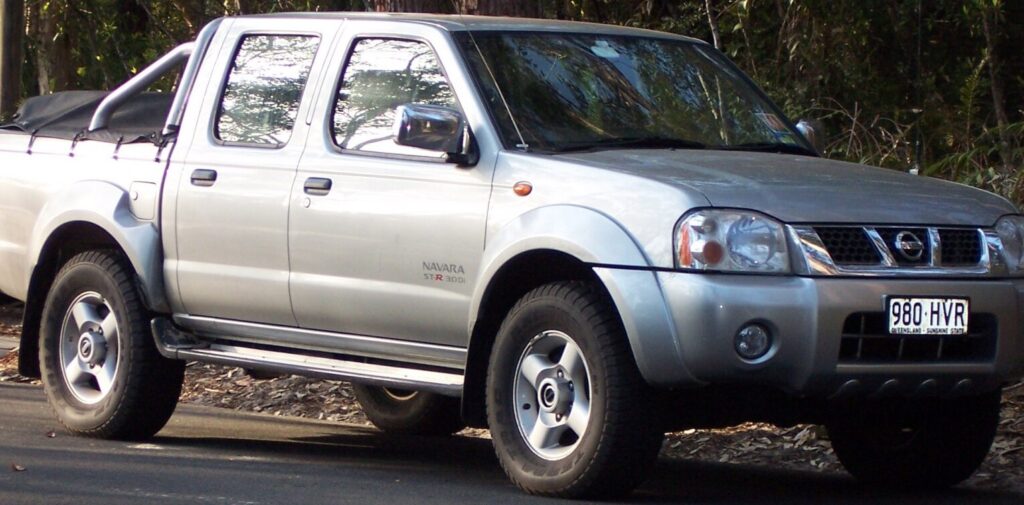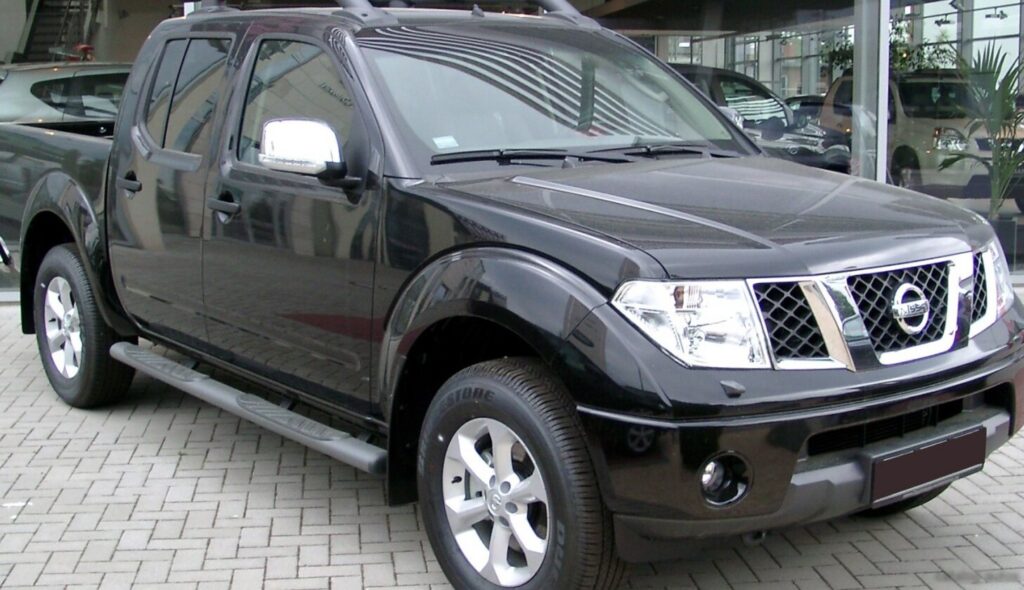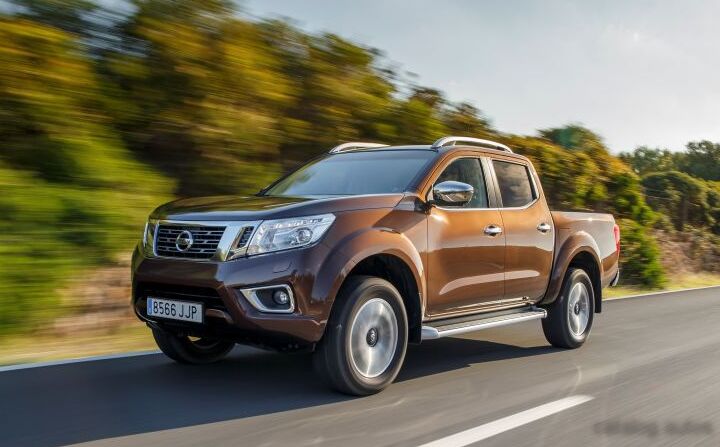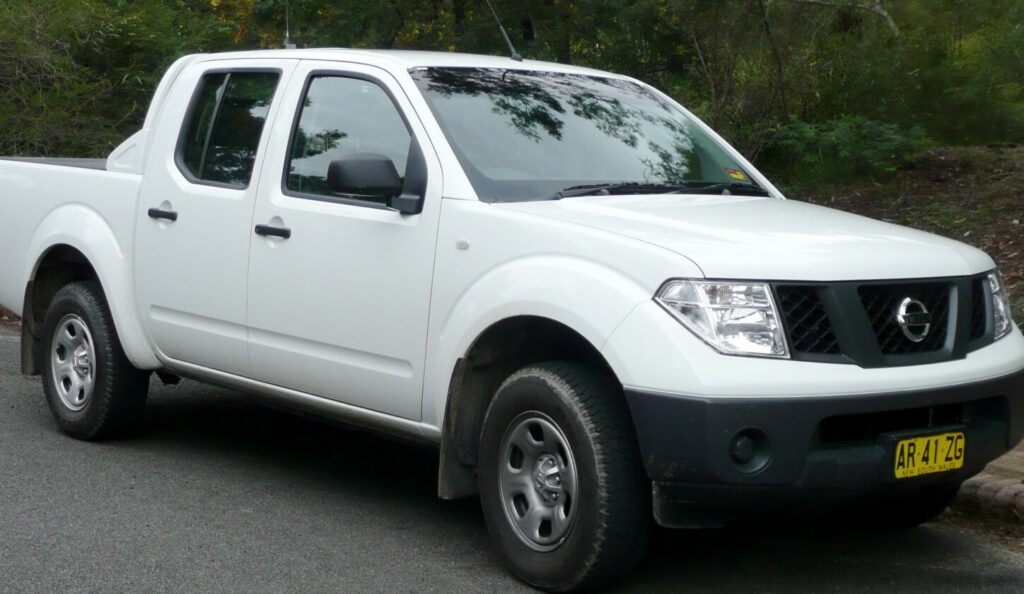
The Nissan Navara III (D40), specifically the 2.5 dCi King Cab 4WD variant, was produced from 2005 to 2007. This model represented Nissan’s entry into the increasingly competitive mid-size pickup truck market, primarily aimed at buyers in Europe, Australia, and Latin America. While not officially sold in large numbers in the United States during this generation, the D40 Navara offered a blend of practicality, ruggedness, and modern features. The King Cab configuration, with its extended cab, provided additional passenger space compared to the standard cab models, making it a versatile option for both work and family use. This 174 horsepower, four-wheel-drive version occupied a middle ground in the D40 lineup, offering a balance between performance and fuel efficiency.
Technical Specifications
| Brand | Nissan |
| Model | Navara |
| Generation | Navara III (D40) |
| Type | 2.5 dCi King Cab (174 Hp) 4WD |
| Start of production | 2005 |
| End of production | 2007 |
| Powertrain Architecture | Internal Combustion engine |
| Body type | Pick-up |
| Seats | 4 |
| Doors | 2 |
| Fuel consumption (urban) | 10.7 l/100 km (22 US mpg, 26.4 UK mpg, 9.3 km/l) |
| Fuel consumption (extra urban) | 7.3 l/100 km (32.2 US mpg, 38.7 UK mpg, 13.7 km/l) |
| Fuel consumption (combined) | 8.5 l/100 km (27.7 US mpg, 33.2 UK mpg, 11.8 km/l) |
| Fuel Type | Diesel |
| Acceleration 0 – 100 km/h | 11.4 sec |
| Acceleration 0 – 62 mph | 11.4 sec |
| Acceleration 0 – 60 mph | 10.8 sec |
| Maximum speed | 170 km/h (105.63 mph) |
| Emission standard | Euro 3 |
| Weight-to-power ratio | 11.8 kg/Hp, 84.9 Hp/tonne |
| Weight-to-torque ratio | 5.1 kg/Nm, 196.6 Nm/tonne |
| Power | 174 Hp @ 4000 rpm |
| Power per litre | 69.9 Hp/l |
| Torque | 403 Nm @ 2000 rpm (297.24 lb.-ft. @ 2000 rpm) |
| Engine layout | Front, Longitudinal |
| Engine Model/Code | YD25DDTi |
| Engine displacement | 2488 cm3 (151.83 cu. in.) |
| Number of cylinders | 4 |
| Engine configuration | Inline |
| Cylinder Bore | 89 mm (3.5 in.) |
| Piston Stroke | 100 mm (3.94 in.) |
| Compression ratio | 16.5:1 |
| Number of valves per cylinder | 4 |
| Fuel injection system | Diesel Commonrail |
| Engine aspiration | Turbocharger, Intercooler |
| Valvetrain | DOHC |
| Engine oil capacity | 6.9 l (7.29 US qt | 6.07 UK qt) |
| Coolant | 9.9 l (10.46 US qt | 8.71 UK qt) |
| Kerb Weight | 2050 kg (4519.48 lbs.) |
| Max. weight | 3115 kg (6867.4 lbs.) |
| Max load | 1065 kg (2347.92 lbs.) |
| Fuel tank capacity | 80 l (21.13 US gal | 17.6 UK gal) |
| Length | 5220 mm (205.51 in.) |
| Width | 1850 mm (72.83 in.) |
| Height | 1774 mm (69.84 in.) |
| Wheelbase | 3200 mm (125.98 in.) |
| Front track | 1570 mm (61.81 in.) |
| Rear track | 1570 mm (61.81 in.) |
| Minimum turning circle | 13.4 m (43.96 ft.) |
| Drive wheel | All wheel drive (4×4) |
| Number of gears | 6 |
| Gearbox type | Manual transmission |
| Front suspension | Double wishbone |
| Rear suspension | Leaf spring |
| Front brakes | Ventilated discs |
| Rear brakes | Drum |
| Assisting systems | ABS (Anti-lock braking system) |
| Steering type | Steering rack and pinion |
| Power steering | Hydraulic Steering |
| Tires size | 255/70 R16; 255/65 R17 |
Powertrain & Engine Architecture
The heart of the D40 Navara 2.5 dCi is the YD25DDTi engine, a 2.5-liter inline-four cylinder diesel. This engine utilizes a common rail direct injection system, delivering fuel at extremely high pressure for improved combustion efficiency and reduced emissions. The YD25DDTi is equipped with a turbocharger and intercooler, boosting power output to 174 horsepower and 403 Nm (297 lb-ft) of torque. The engine features a double overhead camshaft (DOHC) valvetrain with four valves per cylinder, optimizing airflow for enhanced performance. The six-speed manual transmission was the standard offering for this variant, providing a good balance of fuel economy and drivability. The engine’s longitudinal mounting allowed for a traditional front-engine, rear-wheel-drive layout with selectable four-wheel drive.
Driving Characteristics
The 2.5 dCi King Cab 4WD offered a capable and practical driving experience. While not exceptionally quick, the 174 hp engine provided sufficient power for everyday driving and hauling moderate loads. The six-speed manual transmission allowed drivers to keep the engine in its optimal power band, delivering responsive acceleration. The four-wheel-drive system enhanced traction in challenging conditions, making it suitable for both on-road and off-road use. Compared to the lower-powered 2.5 dCi variants, this 174 hp version offered a noticeable improvement in performance, particularly when fully loaded or tackling steep inclines. However, it didn’t match the outright performance of the later, more powerful 3.0-liter V6 diesel options.
Equipment & Trim Levels
The King Cab configuration offered a more spacious rear seat area compared to the standard cab models. Standard equipment typically included air conditioning, power windows, central locking, and an AM/FM radio. Higher trim levels added features such as alloy wheels, a CD player, and upgraded interior upholstery. Optional extras included a sunroof, leather seats, and a navigation system. The interior design was functional and durable, prioritizing practicality over luxury. The dashboard layout was straightforward and easy to use, with clearly labeled controls.
Chassis & Braking
The D40 Navara utilized a robust chassis designed to withstand the demands of pickup truck use. The front suspension featured a double wishbone setup, providing a comfortable ride and good handling characteristics. The rear suspension employed leaf springs, offering a high load-carrying capacity. The braking system consisted of ventilated discs at the front and drum brakes at the rear. Anti-lock Braking System (ABS) was standard, enhancing safety during emergency braking situations. The steering was rack and pinion with hydraulic power assistance, providing precise and responsive steering feel.
Market Reception & Comparison
The Nissan Navara D40 was generally well-received by automotive critics, praised for its ruggedness, practicality, and comfortable ride. The 2.5 dCi engine was considered a good compromise between performance and fuel economy. However, some critics noted that the interior was somewhat basic compared to some of its competitors. Compared to other mid-size pickups available at the time, such as the Toyota Hilux and Ford Ranger, the Navara offered a competitive package with a focus on comfort and refinement. Fuel economy was respectable for a diesel pickup, and reliability was generally good.
Legacy
The Nissan Navara D40 established Nissan as a serious contender in the mid-size pickup truck segment. The YD25DDTi engine proved to be a durable and reliable powerplant, and many examples are still on the road today. While the D40 has been superseded by newer Navara models, it remains a popular choice for those seeking a capable and affordable pickup truck. The 2.5 dCi King Cab 4WD variant, in particular, is valued for its versatility and practicality, making it a solid choice in the used car market.