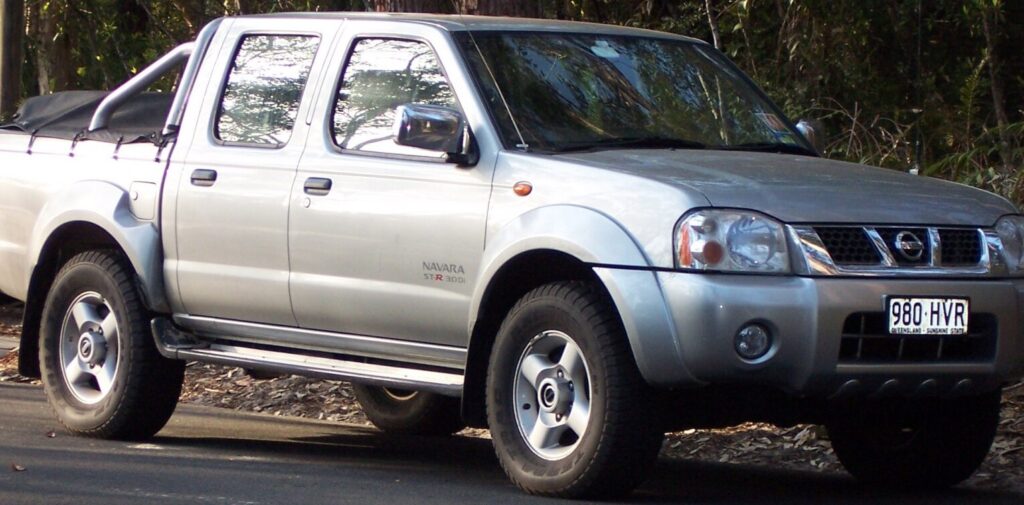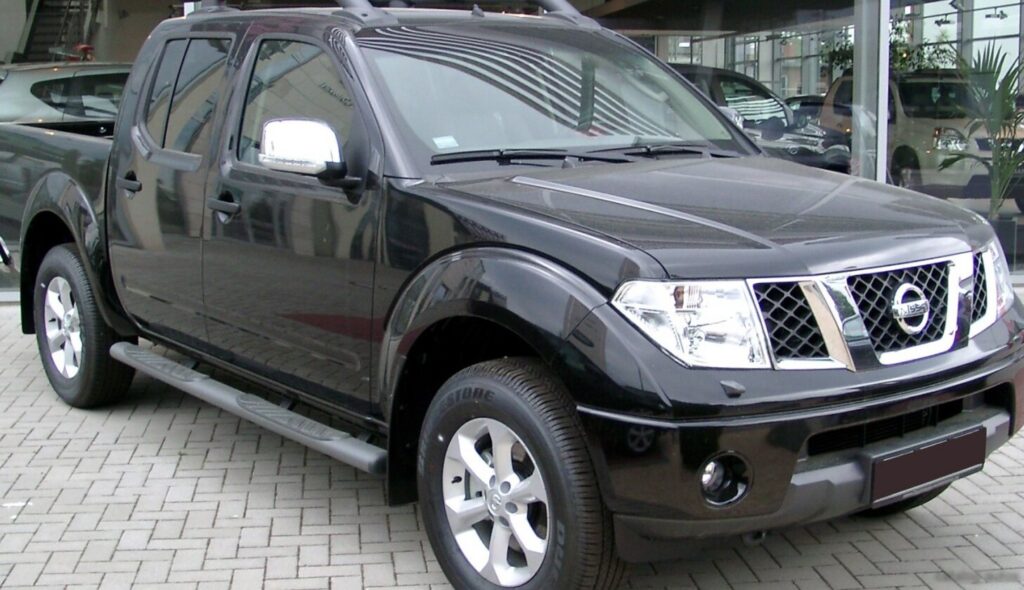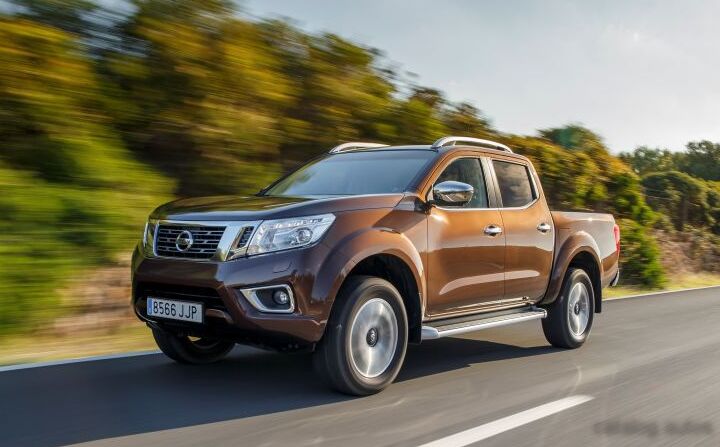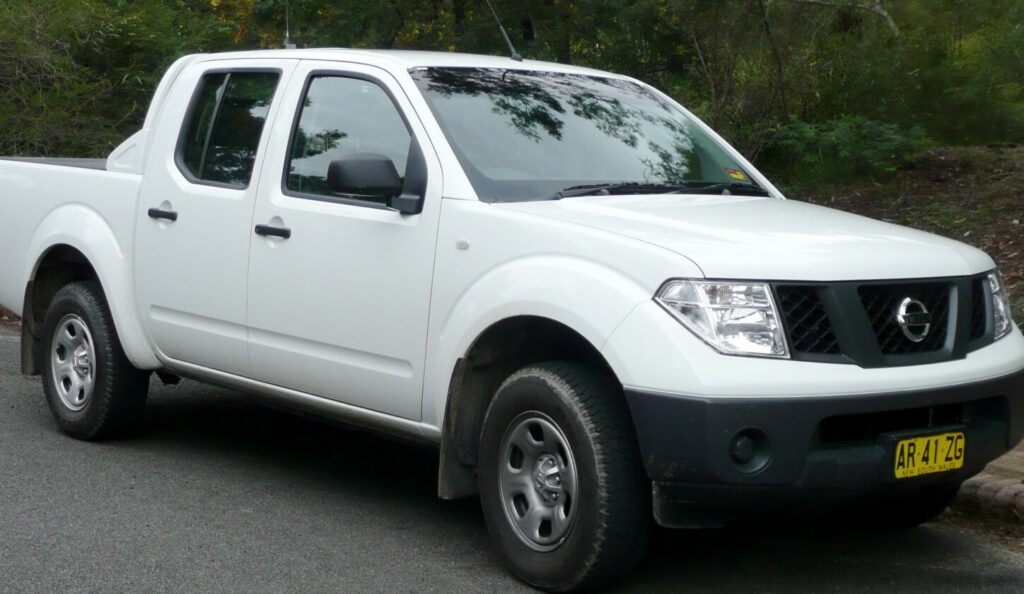
The Nissan Navara D40, produced from 2005 to 2007 in this specific configuration, represents a significant entry in the mid-size pickup truck market. The 2.5 dCi King Cab model, equipped with 174 horsepower and a four-wheel-drive automatic transmission, was aimed at buyers seeking a versatile vehicle capable of both work and recreational use. This variant occupied a middle ground within the D40 lineup, offering a balance between capability, comfort, and fuel efficiency. It was primarily sold in Europe, Australia, and other international markets, with limited availability in the United States.
Technical Specifications
| Brand | Nissan |
| Model | Navara |
| Generation | Navara III (D40) |
| Type | 2.5 dCi King Cab (174 Hp) 4WD Automatic |
| Start of production | 2005 |
| End of production | 2007 |
| Powertrain Architecture | Internal Combustion engine |
| Body type | Pick-up |
| Seats | 4 |
| Doors | 2 |
| Fuel consumption (urban) | 11.7 l/100 km (20.1 US mpg, 24.1 UK mpg, 8.5 km/l) |
| Fuel consumption (extra urban) | 7.8 l/100 km (30.2 US mpg, 36.2 UK mpg, 12.8 km/l) |
| Fuel consumption (combined) | 9.2 l/100 km (25.6 US mpg, 30.7 UK mpg, 10.9 km/l) |
| Fuel Type | Diesel |
| Acceleration 0 – 100 km/h | 11.5 sec |
| Acceleration 0 – 62 mph | 11.5 sec |
| Acceleration 0 – 60 mph | 10.9 sec |
| Maximum speed | 170 km/h (105.63 mph) |
| Emission standard | Euro 4 |
| Weight-to-power ratio | 11.8 kg/Hp, 84.9 Hp/tonne |
| Weight-to-torque ratio | 5.1 kg/Nm, 196.6 Nm/tonne |
| Power | 174 Hp @ 4000 rpm |
| Power per litre | 69.9 Hp/l |
| Torque | 403 Nm @ 2000 rpm (297.24 lb.-ft. @ 2000 rpm) |
| Engine layout | Front, Longitudinal |
| Engine Model/Code | YD25DDTi |
| Engine displacement | 2488 cm3 (151.83 cu. in.) |
| Number of cylinders | 4 |
| Engine configuration | Inline |
| Cylinder Bore | 89 mm (3.5 in.) |
| Piston Stroke | 100 mm (3.94 in.) |
| Compression ratio | 16.5:1 |
| Number of valves per cylinder | 4 |
| Fuel injection system | Diesel Commonrail |
| Engine aspiration | Turbocharger, Intercooler |
| Valvetrain | DOHC |
| Engine oil capacity | 6.9 l (7.29 US qt | 6.07 UK qt) |
| Coolant capacity | 9.9 l (10.46 US qt | 8.71 UK qt) |
| Kerb Weight | 2050 kg (4519.48 lbs.) |
| Max. weight | 3115 kg (6867.4 lbs.) |
| Max load | 1065 kg (2347.92 lbs.) |
| Fuel tank capacity | 80 l (21.13 US gal | 17.6 UK gal) |
| Length | 5220 mm (205.51 in.) |
| Width | 1850 mm (72.83 in.) |
| Height | 1774 mm (69.84 in.) |
| Wheelbase | 3200 mm (125.98 in.) |
| Front track | 1570 mm (61.81 in.) |
| Rear track | 1570 mm (61.81 in.) |
| Minimum turning circle | 13.4 m (43.96 ft.) |
| Drive wheel | All wheel drive (4×4) |
| Number of gears | 5 |
| Gearbox type | automatic transmission |
| Front suspension | Double wishbone |
| Rear suspension | Leaf spring |
| Front brakes | Ventilated discs |
| Rear brakes | Drum |
| Assisting systems | ABS (Anti-lock braking system) |
| Steering type | Steering rack and pinion |
| Power steering | Hydraulic |
| Tires size | 255/70 R16; 255/65 R17 |
Powertrain & Engine Architecture
The heart of this Navara variant is the YD25DDTi 2.5-liter inline-four diesel engine. This engine, a staple in Nissan’s commercial vehicle lineup, utilizes a cast iron block and aluminum cylinder head. The YD25DDTi features a common rail direct injection system, delivering fuel at extremely high pressures for improved combustion efficiency and reduced emissions. A turbocharger with an intercooler further enhances performance by forcing more air into the cylinders. The engine employs a double overhead camshaft (DOHC) valvetrain with four valves per cylinder, optimizing airflow for increased power output. The automatic transmission is a five-speed unit, designed to provide smooth shifting and convenient operation. While not known for blistering acceleration, the transmission is geared for towing and hauling, prioritizing usability over outright speed.
Driving Characteristics
The 174 hp and 403 Nm (297 lb-ft) of torque provide adequate, though not exceptional, performance. Acceleration from 0-60 mph takes around 10.9 seconds, and the top speed is approximately 105 mph. Compared to the manual transmission versions of the same engine, the automatic suffers a slight performance penalty due to drivetrain losses. However, the automatic transmission offers a more relaxed driving experience, particularly in urban environments. The gear ratios are optimized for low-end torque, making it suitable for off-road driving and hauling loads. The 4WD system provides enhanced traction in challenging conditions, but the vehicle’s weight and relatively modest power output limit its capabilities in extreme terrain.
Equipment & Trim Levels
The King Cab configuration offered a compromise between passenger space and cargo bed length. Standard equipment typically included air conditioning, power windows, power locks, and an AM/FM radio. Higher trim levels added features such as alloy wheels, a CD player, and upgraded interior upholstery. Optional extras included a sunroof, leather seats, and a navigation system. The interior design was functional and durable, prioritizing practicality over luxury. The King Cab’s rear seats were best suited for occasional use, offering limited legroom and headroom.
Chassis & Braking
The Navara D40 utilizes a body-on-frame construction, providing a robust and durable platform. The front suspension consists of double wishbones, while the rear suspension employs leaf springs. This setup prioritizes load-carrying capacity and off-road capability over ride comfort. The front brakes are ventilated discs, providing ample stopping power, while the rear brakes are drums. Anti-lock Braking System (ABS) was standard, enhancing safety during emergency braking situations. The steering is a hydraulic rack and pinion system, offering precise and responsive handling.
Market Reception & Comparison
The Navara D40 2.5 dCi King Cab Automatic was generally well-received by automotive critics. It was praised for its versatility, durability, and fuel efficiency. However, some reviewers noted that the engine was somewhat noisy and lacked refinement compared to some of its competitors. Compared to the higher-output 2.5 dCi models, this variant offered a more affordable entry point into the Navara lineup, but at the expense of performance. The 1.9 dCi engine offered better fuel economy, but with significantly less power. The automatic transmission was seen as a convenient option for urban drivers, but less engaging for those who preferred a more sporty driving experience.
Legacy
The YD25DDTi engine, while generally reliable, is known to be susceptible to timing chain wear if not properly maintained. Regular oil changes and adherence to the manufacturer’s service schedule are crucial for ensuring long-term reliability. The automatic transmission is also relatively durable, but can experience issues with solenoid failure over time. Today, the Navara D40 2.5 dCi King Cab Automatic remains a popular choice in the used car market, particularly among those seeking a capable and affordable pickup truck. Its robust construction and readily available parts make it a relatively easy vehicle to maintain and repair. It continues to be valued for its practicality and versatility, making it a solid choice for both work and leisure.