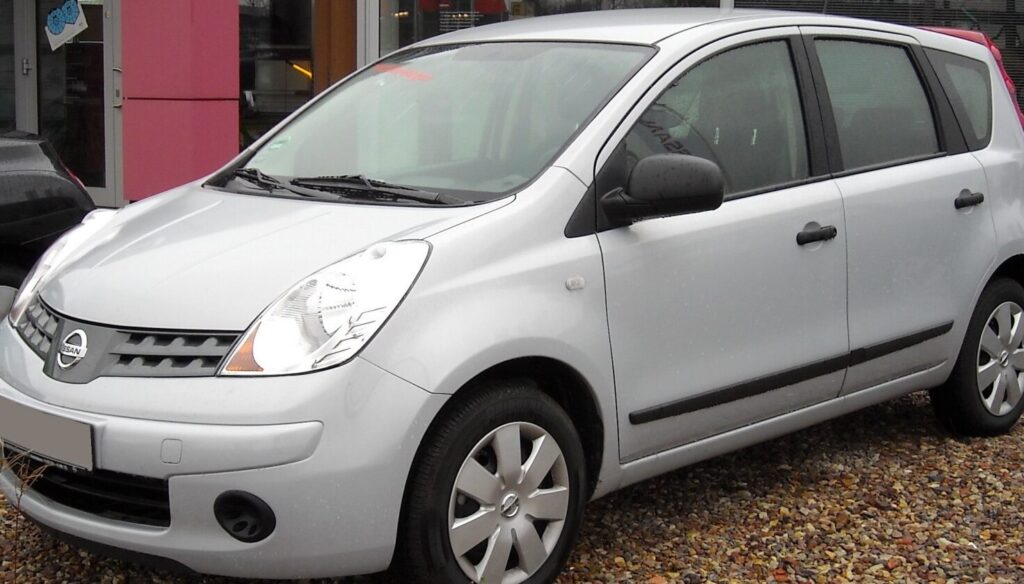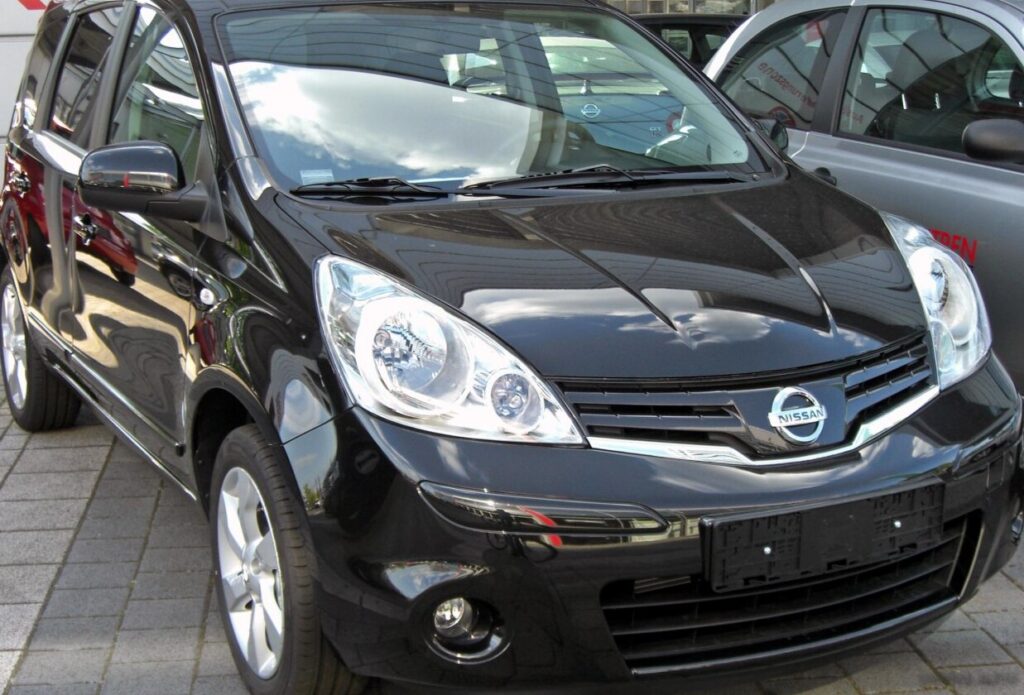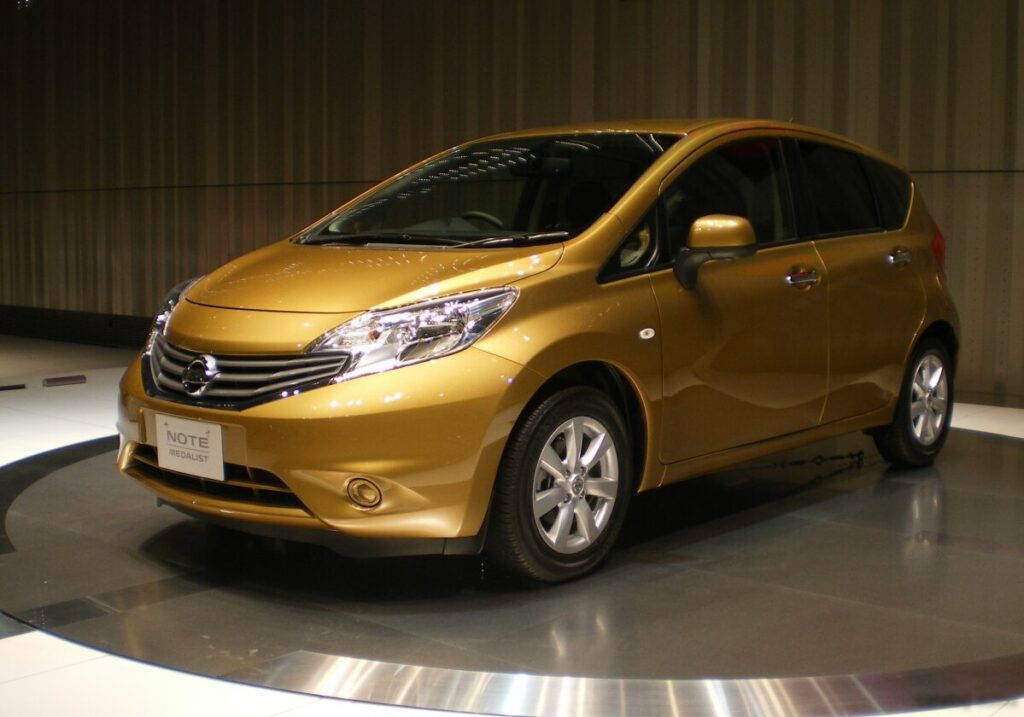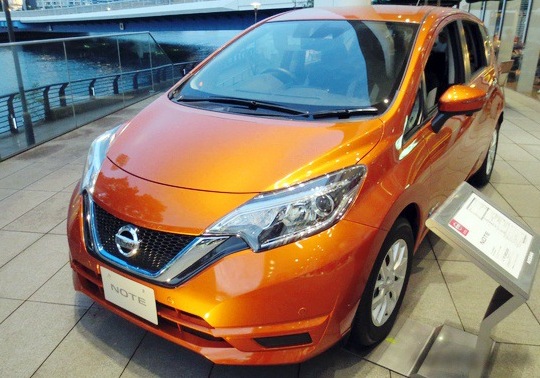
The Nissan Note II (E12) facelift, specifically the e-POWER Nismo 1.2 (109 Hp) Hybrid Automatic variant, represents a unique offering within the subcompact hatchback segment. Produced from 2017 to 2020, this model was primarily marketed in Japan and other Asian markets, leveraging Nissan’s e-POWER technology. The E12 Note, a second-generation model, aimed to provide a practical and fuel-efficient vehicle for urban commuters, with the Nismo trim adding a sporty aesthetic and slightly enhanced driving dynamics. This particular configuration, combining the 1.2-liter engine with the e-POWER hybrid system and an automatic transmission, positioned itself as a mid-range option within the Note lineup, appealing to buyers seeking a balance between economy, convenience, and a touch of performance.
Technical Specifications
| Brand | Nissan |
| Model | Note |
| Generation | Note II (E12, facelift 2017) |
| Type (Engine) | e-POWER Nismo 1.2 (109 Hp) Hybrid Automatic |
| Start of production | 2017 |
| End of production | 2020 |
| Powertrain Architecture | FHEV (Full Hybrid Electric Vehicle) |
| Body type | Hatchback |
| Seats | 5 |
| Doors | 5 |
| Fuel Type | Petrol (Gasoline) |
| Weight-to-power ratio | 11.5 kg/Hp, 87.2 Hp/tonne |
| Weight-to-torque ratio | 4.9 kg/Nm, 203.2 Nm/tonne |
| Electric motor power | 109 Hp @ 3008-10000 rpm |
| Electric motor Torque | 254 Nm @ 0-3008 rpm (187.34 lb.-ft. @ 0-3008 rpm) |
| System power | 109 Hp @ 3008-10000 rpm |
| System torque | 254 Nm @ 0-3008 rpm (187.34 lb.-ft. @ 0-3008 rpm) |
| Power | 79 Hp @ 5400 rpm |
| Power per litre | 65.9 Hp/l |
| Torque | 103 Nm @ 3600-5200 rpm (75.97 lb.-ft. @ 3600-5200 rpm) |
| Engine layout | Front, Transverse |
| Engine Model/Code | HR12DE |
| Engine displacement | 1198 cm3 (73.11 cu. in.) |
| Number of cylinders | 3 |
| Engine configuration | Inline |
| Cylinder Bore | 78 mm (3.07 in.) |
| Piston Stroke | 83.6 mm (3.29 in.) |
| Compression ratio | 12:1 |
| Number of valves per cylinder | 4 |
| Fuel injection system | Multi-port manifold injection |
| Valvetrain | DOHC |
| Engine oil capacity | 3.4 l (3.59 US qt | 2.99 UK qt) |
| Coolant | 6.96 l (7.35 US qt | 6.12 UK qt) |
| Kerb Weight | 1250 kg (2755.78 lbs.) |
| Max. weight | 1525 kg (3362.05 lbs.) |
| Max load | 275 kg (606.27 lbs.) |
| Fuel tank capacity | 41 l (10.83 US gal | 9.02 UK gal) |
| Length | 4165 mm (163.98 in.) |
| Width including mirrors | 1695 mm (66.73 in.) |
| Height | 1535 mm (60.43 in.) |
| Wheelbase | 2600 mm (102.36 in.) |
| Front track | 1470 mm (57.87 in.) |
| Rear (Back) track | 1475 mm (58.07 in.) |
| Ride height (ground clearance) | 130 mm (5.12 in.) |
| Minimum turning circle (turning diameter) | 10.4 m (34.12 ft.) |
| Drive wheel | Front wheel drive |
| Number of gears and type of gearbox | 1 gears, automatic transmission |
| Front suspension | Independent coil spring |
| Rear suspension | Elastic beam |
| Front brakes | Ventilated discs |
| Rear brakes | Drum |
| Assisting systems | ABS (Anti-lock braking system) |
| Steering type | Steering rack and pinion |
| Power steering | Electric Steering |
| Tires size | 195/55 R16 87V |
| Wheel rims size | 6.5J x 16 ET46 |
Powertrain & Engine Architecture
The Nissan Note e-POWER utilizes a unique powertrain configuration. It doesn’t rely on traditional engine-driven propulsion. Instead, the 1.2-liter HR12DE three-cylinder engine functions solely as a generator, charging a battery pack. This battery then powers an electric motor, which drives the wheels. The HR12DE engine, a relatively small displacement unit, produces 79 horsepower and 76 lb-ft of torque. It’s characterized by its compact size and relatively simple design, featuring multi-point fuel injection and a double overhead camshaft (DOHC) valvetrain. The engine’s primary role isn’t to deliver direct power but to maintain the battery’s charge, allowing for consistent electric motor operation. The electric motor itself delivers 109 horsepower and 187 lb-ft of torque. The transmission is a single-speed automatic, optimized for the electric motor’s characteristics. This setup allows for a driving experience that mimics an electric vehicle, with instant torque and smooth acceleration.
Driving Characteristics
The e-POWER system delivers a surprisingly responsive driving experience. The electric motor provides immediate torque, resulting in brisk acceleration, particularly in urban environments. While the 109 horsepower output isn’t exceptionally high, the instant availability of torque makes the car feel quicker than its engine specifications might suggest. Compared to the standard 1.2-liter Note variants without e-POWER, the Nismo version offers a more engaging driving experience due to the electric motor’s power delivery. The single-speed transmission simplifies operation, but it lacks the gear changes found in traditional automatic transmissions. The Nismo trim also includes suspension tweaks, offering a slightly firmer ride and improved handling compared to the standard Note. However, it’s not a particularly sporty vehicle; the focus remains on efficiency and ease of driving.
Equipment & Trim Levels
The Nismo trim level for the Note e-POWER added several aesthetic and functional enhancements. Standard features included sporty front and rear bumpers, side skirts, and a unique grille design. Inside, the Nismo variant featured sport seats with distinctive upholstery, a leather-wrapped steering wheel, and aluminum pedal covers. Infotainment systems typically included a touchscreen display with navigation and smartphone integration. Optional extras could include a surround-view camera system, automatic climate control, and advanced safety features like lane departure warning and automatic emergency braking. The Nismo trim was positioned as a step above the base Note models, offering a more premium and visually appealing package.
Chassis & Braking
The Nissan Note II utilizes a front-wheel-drive platform with an independent coil spring suspension at the front and an elastic beam (torsion beam) suspension at the rear. The Nismo variant often featured slightly stiffer springs and dampers for improved handling. Braking duties are handled by ventilated discs at the front and drum brakes at the rear. While adequate for everyday driving, the rear drum brakes were a cost-saving measure and didn’t offer the same stopping power as disc brakes. The steering system is an electric power-assisted rack and pinion setup, providing light and responsive steering feel.
Market Reception & Comparison
The Nissan Note e-POWER Nismo was generally well-received in its target markets. Critics praised its fuel efficiency, smooth acceleration, and unique driving experience. The e-POWER system was seen as a clever solution for bridging the gap between traditional gasoline vehicles and fully electric cars. Compared to other subcompact hatchbacks, the Note e-POWER offered a compelling combination of economy and performance. However, some reviewers noted the lack of a traditional gearbox and the relatively basic interior materials. Compared to the standard Note variants, the Nismo trim offered a more sporty appearance and slightly improved handling, justifying its higher price point.
Legacy
The Nissan Note e-POWER Nismo 1.2 represents an early example of Nissan’s commitment to electrification and innovative powertrain technology. The e-POWER system has since been implemented in other Nissan models, demonstrating its viability and appeal. While the E12 Note is no longer in production, it remains a popular choice in the used car market, particularly for buyers seeking a fuel-efficient and reliable subcompact hatchback. The HR12DE engine, while not known for its high performance, has proven to be a durable and relatively trouble-free unit when used in its intended role as a generator. The e-POWER system itself has generally demonstrated good reliability, with the electric motor and battery pack proving to be long-lasting components.