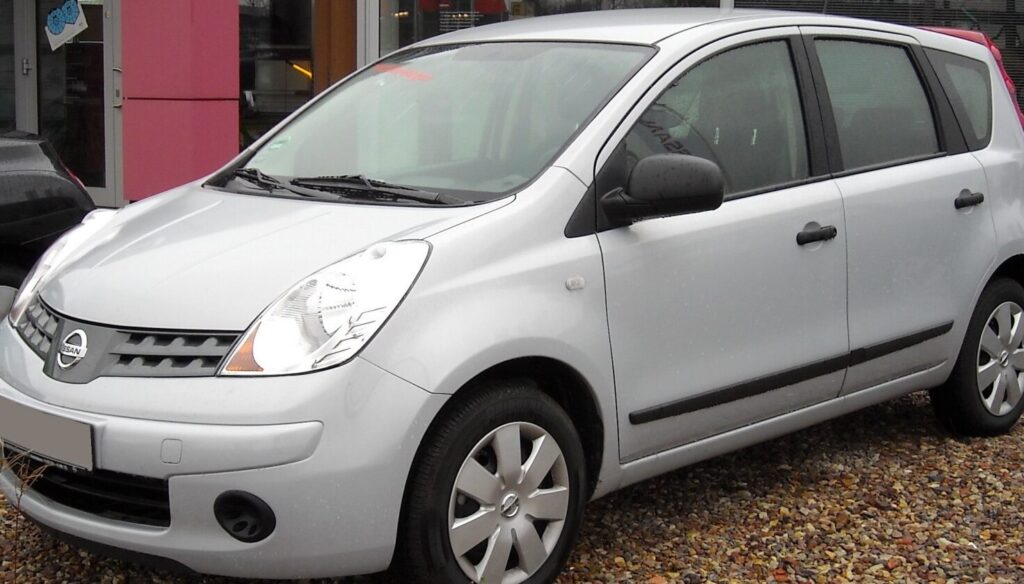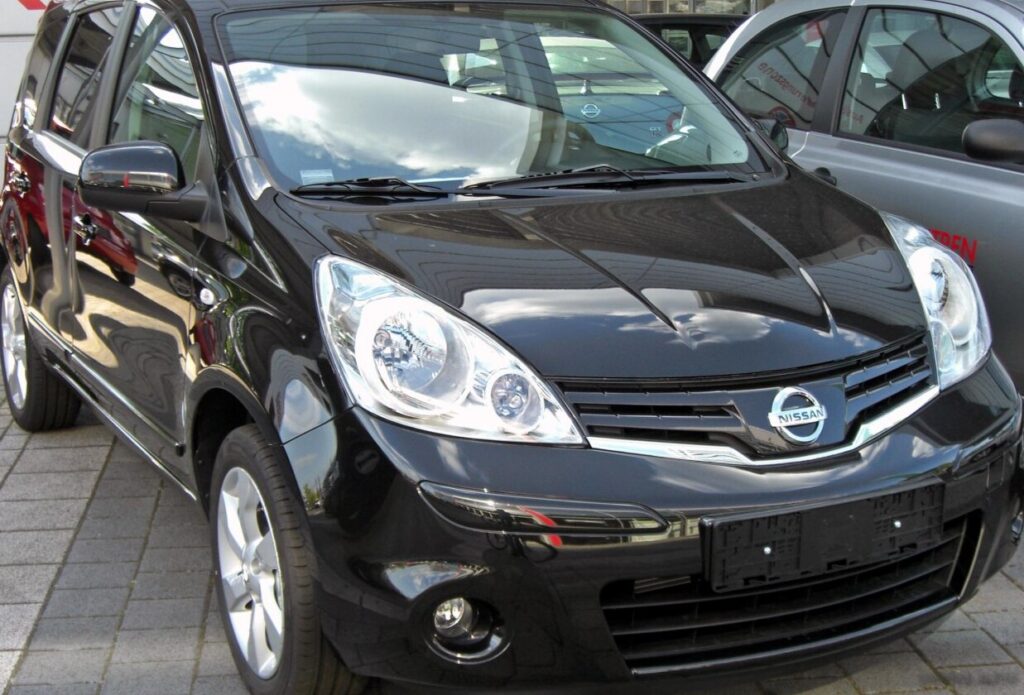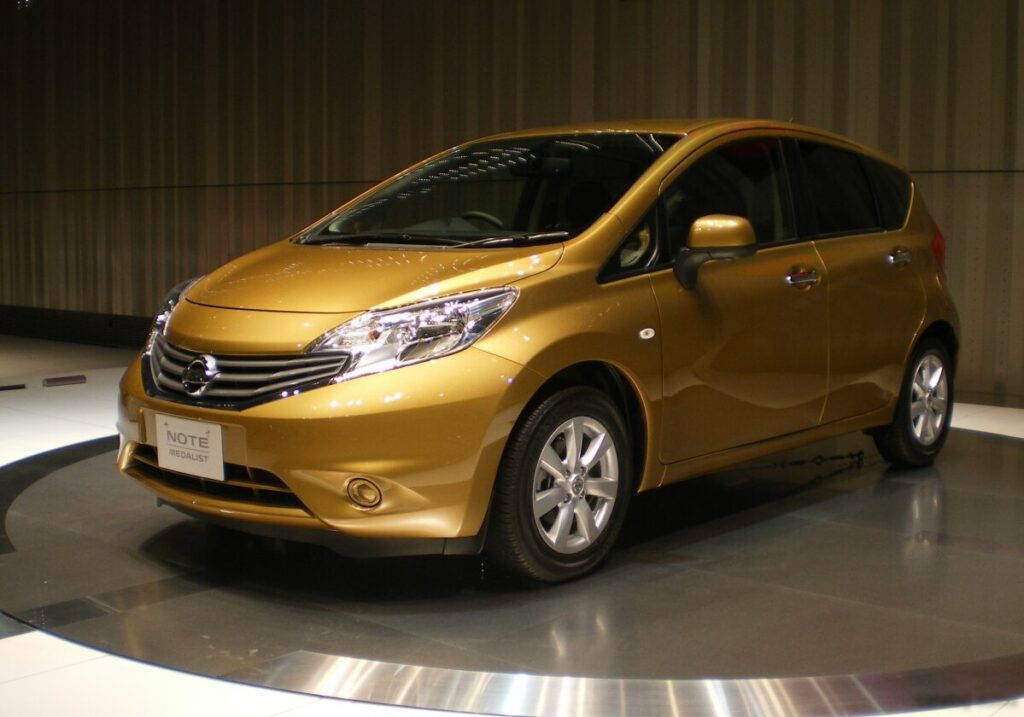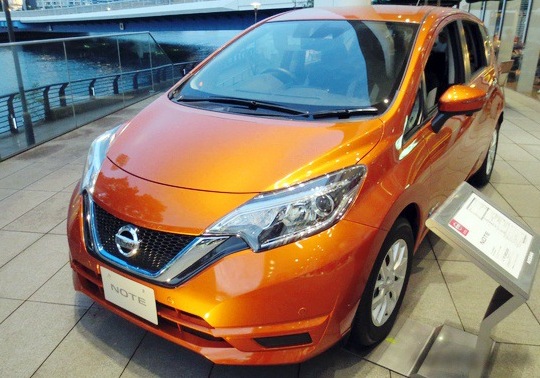
The Nissan Note II (E12) facelift, specifically the Nismo 1.2 variant with a Continuously Variable Transmission (CVT), was produced from 2017 to 2020. This model represented a mid-cycle refresh of the second-generation Note, a supermini/subcompact MPV primarily aimed at the European and Japanese markets. The Nismo 1.2 trim offered a sporty aesthetic package combined with an efficient, albeit modestly powered, engine and transmission combination. It occupied a mid-range position within the Note II lineup, bridging the gap between the base models and potentially more powerful (though less common) engine options.
Technical Specifications
| Brand | Nissan |
| Model | Note |
| Generation | Note II (E12, facelift 2017) |
| Type (Engine) | Nismo 1.2 (98 Hp) CVT |
| Start of production | 2017 |
| End of production | 2020 |
| Powertrain Architecture | Internal Combustion engine |
| Body type | Hatchback |
| Seats | 5 |
| Doors | 5 |
| Fuel Type | Petrol (Gasoline) |
| Weight-to-power ratio | 11.3 kg/Hp, 88.3 Hp/tonne |
| Weight-to-torque ratio | 7.8 kg/Nm, 127.9 Nm/tonne |
| Power | 98 Hp @ 5600 rpm |
| Power per litre | 81.8 Hp/l |
| Torque | 142 Nm @ 4400 rpm (104.73 lb.-ft. @ 4400 rpm) |
| Engine layout | Front, Transverse |
| Engine Model/Code | HR12DDR |
| Engine displacement | 1198 cm3 (73.11 cu. in.) |
| Number of cylinders | 3 |
| Engine configuration | Inline |
| Cylinder Bore | 78 mm (3.07 in.) |
| Piston Stroke | 83.6 mm (3.29 in.) |
| Compression ratio | 12:1 |
| Number of valves per cylinder | 4 |
| Fuel injection system | Direct injection |
| Engine aspiration | Naturally aspirated engine |
| Valvetrain | DOHC |
| Kerb Weight | 1110 kg (2447.13 lbs.) |
| Max. weight | 1385 kg (3053.4 lbs.) |
| Max load | 275 kg (606.27 lbs.) |
| Fuel tank capacity | 41 l (10.83 US gal | 9.02 UK gal) |
| Length | 4165 mm (163.98 in.) |
| Width including mirrors | 1695 mm (66.73 in.) |
| Height | 1540 mm (60.63 in.) |
| Wheelbase | 2600 mm (102.36 in.) |
| Front track | 1470 mm (57.87 in.) |
| Rear (Back) track | 1475 mm (58.07 in.) |
| Ride height (ground clearance) | 145 mm (5.71 in.) |
| Minimum turning circle (turning diameter) | 10.4 m (34.12 ft.) |
| Drivetrain Architecture | The Internal combustion engine (ICE) drives the front wheels of the vehicle. |
| Drive wheel | Front wheel drive |
| Number of gears and type of gearbox | automatic transmission CVT |
| Front suspension | Independent coil spring |
| Rear suspension | Elastic beam |
| Front brakes | Ventilated discs |
| Rear brakes | Drum |
| Assisting systems | ABS (Anti-lock braking system) |
| Steering type | Steering rack and pinion |
| Power steering | Electric Steering |
| Tires size | 195/55 R16 87V |
| Wheel rims size | 6.5J x 16 ET46 |
Powertrain & Engine Architecture
The heart of the Note II Nismo 1.2 CVT is the HR12DDR engine, a 1.2-liter, three-cylinder petrol engine. This engine utilizes direct fuel injection and a double overhead camshaft (DOHC) valvetrain, contributing to improved efficiency and responsiveness. The HR series engines were known for their compact design and relatively lightweight construction. The engine produces 98 horsepower at 5600 rpm and 142 Nm (104.73 lb-ft) of torque at 4400 rpm. This power is then sent to the front wheels via a Continuously Variable Transmission (CVT). Nissan’s CVTs, at the time, were designed to prioritize fuel economy and smooth acceleration, often at the expense of a more engaging driving experience. The CVT lacks fixed gear ratios, instead utilizing a belt and pulley system to provide a seamless range of ratios.
Driving Characteristics
The 1.2-liter engine and CVT pairing in the Note Nismo results in a driving experience focused on fuel efficiency and ease of use rather than outright performance. Acceleration is adequate for urban driving and highway merging, but it’s not particularly brisk. The CVT contributes to a smooth, linear power delivery, but can sometimes feel ‘elastic’ or disconnected, especially under hard acceleration. Compared to potential manual transmission versions or other Note II variants with larger engines, this setup offers less driver involvement and a slower 0-60 mph time. The CVT’s programming often prioritizes keeping the engine in its most efficient operating range, which can sometimes result in the engine ‘droning’ at higher RPMs during acceleration. The relatively light weight of the Note II helps to mitigate the lack of power to some extent.
Equipment & Trim Levels
The Nismo trim level added a sporty aesthetic to the standard Note II. This included unique front and rear bumper extensions, side skirts, a rear spoiler, and Nismo-branded badging. Inside, the Nismo variant typically featured sport seats with distinctive upholstery, often a combination of fabric and synthetic leather. Standard equipment generally included air conditioning, power windows, power door locks, and a basic audio system. Optional extras could include navigation, a rearview camera, and alloy wheels. The Nismo trim was positioned as a step up from the base models, offering a more visually appealing and slightly more equipped vehicle.
Chassis & Braking
The Note II Nismo 1.2 utilizes a front independent coil spring suspension and a rear elastic beam suspension. This setup provides a reasonable balance between ride comfort and handling. The front brakes are ventilated discs, offering adequate stopping power for the vehicle’s weight and performance. However, the rear brakes are drums, which is a cost-saving measure common in this class of vehicle. Anti-lock Braking System (ABS) is standard, enhancing safety during emergency braking situations. The steering is a rack and pinion system with electric power assistance, providing light and easy steering feel.
Market Reception & Comparison
The Nissan Note II Nismo 1.2 CVT was generally well-received as an affordable and fuel-efficient city car. Critics praised its practicality, spacious interior for its size, and distinctive styling. However, the engine’s limited power and the CVT’s sometimes uninspiring driving characteristics were common criticisms. Compared to other trims in the Note II lineup, the Nismo 1.2 offered a more sporty appearance but sacrificed some performance. Against competitors like the Renault Clio, Peugeot 208, and Volkswagen Polo, the Note II Nismo 1.2 offered a competitive package in terms of price and fuel economy, but often lagged behind in terms of driving dynamics and overall refinement.
Legacy
The HR12DDR engine, while not known for being a powerhouse, proved to be a relatively reliable unit when properly maintained. The CVT transmission, however, can be a potential source of issues if not serviced according to Nissan’s recommendations. In the used car market, the Note II Nismo 1.2 CVT remains an affordable and practical option for buyers seeking a fuel-efficient and easy-to-drive city car. Its distinctive styling and relatively low running costs continue to make it an appealing choice, although potential buyers should be aware of the potential for CVT-related issues and ensure a thorough inspection before purchase. The Note II, in general, helped solidify Nissan’s presence in the European supermini segment, offering a unique blend of practicality and style.