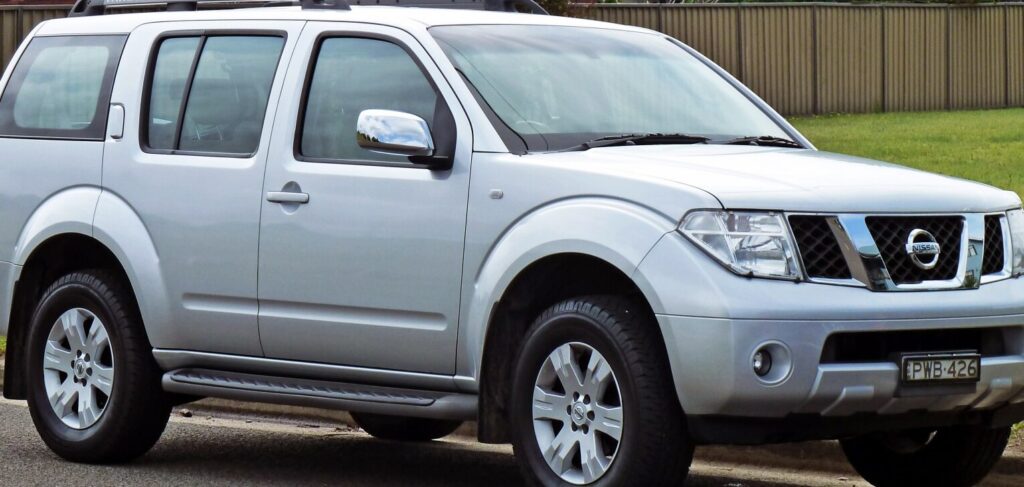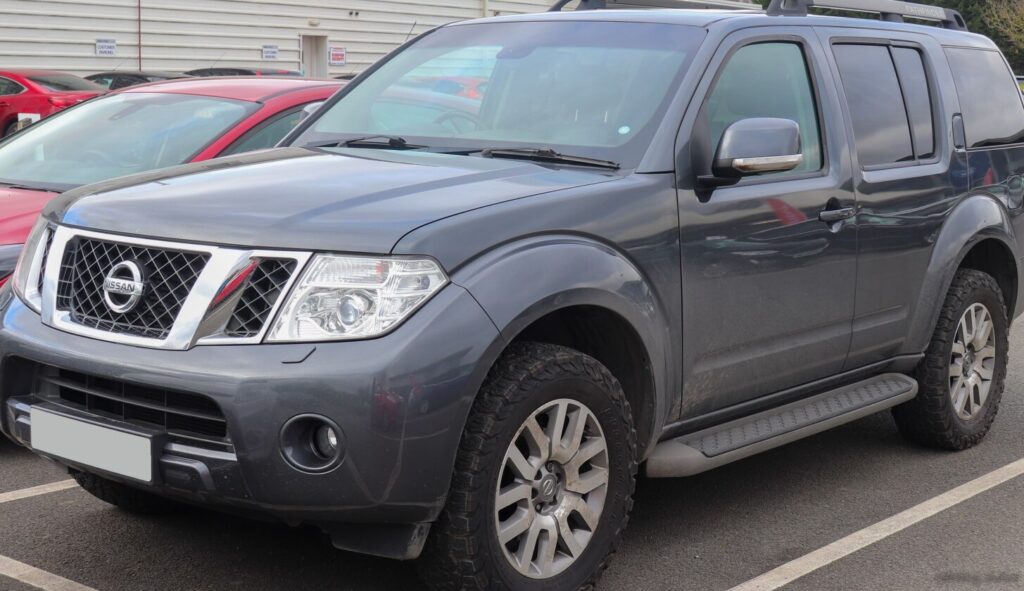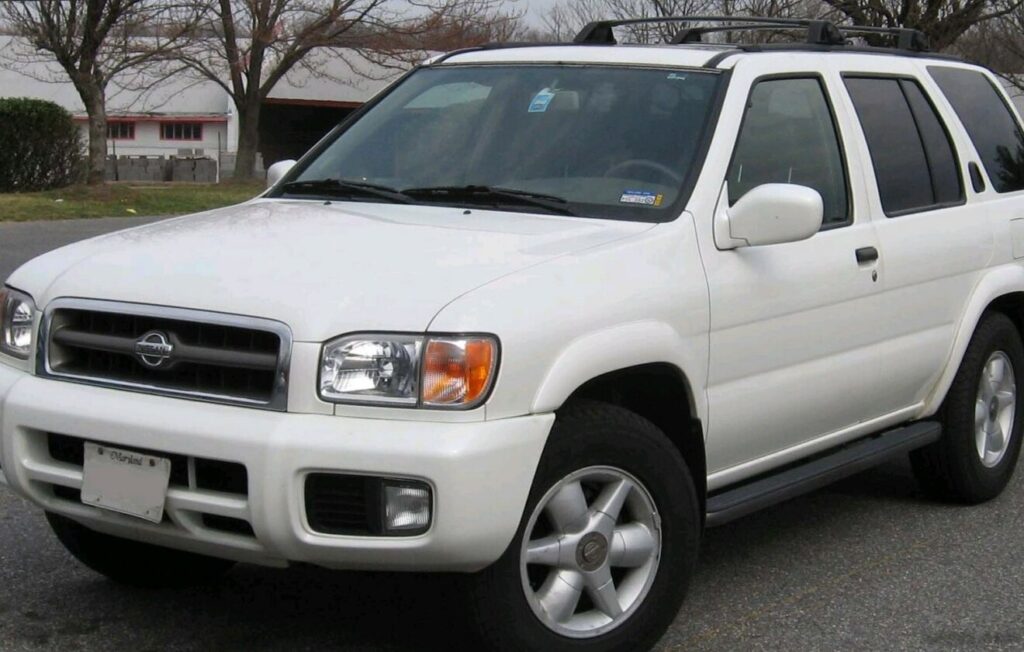
The Nissan Pathfinder II 2.7 TD 4WD, produced between 1997 and 2001, represented a significant step forward for Nissan’s mid-size SUV offering. Positioned as a robust and capable vehicle, it was primarily aimed at buyers seeking a practical, four-wheel-drive vehicle for both on and off-road use. This variant, powered by the TD27ETi 2.7-liter turbocharged diesel engine, occupied a middle ground in the Pathfinder II lineup, offering a balance between fuel efficiency, torque for towing and off-roading, and a more accessible price point compared to gasoline-powered options available in some markets. It was a key model for Nissan in Europe, Australia, and parts of Asia, where diesel engines were – and continue to be – highly favored for their fuel economy and durability.
Technical Specifications
| Brand | Nissan |
| Model | Pathfinder |
| Generation | Pathfinder II |
| Type (Engine) | 2.7 TD (131 Hp) 4WD |
| Start of production | 1997 |
| End of production | 2001 |
| Powertrain Architecture | Internal Combustion engine |
| Body type | SUV |
| Seats | 5 |
| Doors | 5 |
| Fuel consumption (urban) | 14 l/100 km (16.8 US mpg, 20.2 UK mpg, 7.1 km/l) |
| Fuel consumption (extra urban) | 10 l/100 km (23.5 US mpg, 28.2 UK mpg, 10 km/l) |
| Fuel Type | Diesel |
| Maximum speed | 155 km/h (96.31 mph) |
| Weight-to-power ratio | 14.3 kg/Hp, 70.1 Hp/tonne |
| Weight-to-torque ratio | 6.7 kg/Nm, 149.2 Nm/tonne |
| Power | 131 Hp @ 4000 rpm |
| Power per litre | 49.2 Hp/l |
| Torque | 279 Nm @ 2000 rpm (205.78 lb.-ft. @ 2000 rpm) |
| Engine layout | Front, Longitudinal |
| Engine Model/Code | TD27ETi |
| Engine displacement | 2664 cm3 (162.57 cu. in.) |
| Number of cylinders | 4 |
| Engine configuration | Inline |
| Cylinder Bore | 96 mm (3.78 in.) |
| Piston Stroke | 92 mm (3.62 in.) |
| Compression ratio | 22.3:1 |
| Number of valves per cylinder | 2 |
| Fuel injection system | Precombustion chamber injection |
| Engine aspiration | Turbocharger |
| Valvetrain | OHC |
| Engine oil capacity | 6.2 l (6.55 US qt | 5.46 UK qt) |
| Kerb Weight | 1870 kg (4122.64 lbs.) |
| Trunk (boot) space – minimum | 435 l (15.36 cu. ft.) |
| Trunk (boot) space – maximum | 1670 l (58.98 cu. ft.) |
| Fuel tank capacity | 80 l (21.13 US gal | 17.6 UK gal) |
| Length | 4530 mm (178.35 in.) |
| Width | 1840 mm (72.44 in.) |
| Height | 1750 mm (68.9 in.) |
| Wheelbase | 2700 mm (106.3 in.) |
| Front track | 1485 mm (58.46 in.) |
| Rear (Back) track | 1485 mm (58.46 in.) |
| Drive wheel | All wheel drive (4×4) |
| Number of gears and type of gearbox | 5 gears, manual transmission |
| Front suspension | Coil spring |
| Rear suspension | Coil spring |
| Front brakes | Ventilated discs |
| Rear brakes | Drum |
| Assisting systems | ABS (Anti-lock braking system) |
| Steering type | Steering rack and pinion |
| Power steering | Hydraulic Steering |
| Tires size | 235/70 R15 |
Powertrain & Engine Architecture
The heart of the Pathfinder II 2.7 TD 4WD is the TD27ETi engine, a 2.7-liter inline-four cylinder diesel. This engine utilizes a precombustion chamber injection system, a common design for diesel engines of that era, which aids in more complete combustion and reduces engine noise. The ‘ETi’ designation signifies the inclusion of a turbocharger and intercooler, boosting power output to 131 horsepower and 279 Nm (205.78 lb.-ft.) of torque. The turbocharger significantly improves low-end torque, making the vehicle more capable in off-road situations and when towing. The engine features an overhead camshaft (OHC) valvetrain with two valves per cylinder. The engine is longitudinally mounted in the chassis, contributing to a more balanced weight distribution. The 5-speed manual transmission was the standard offering for this variant, providing a direct connection between the engine and the wheels.
Driving Characteristics
The 2.7 TD 4WD Pathfinder offered a distinctly different driving experience compared to its gasoline counterparts. While lacking the outright acceleration of the larger gasoline engines, the diesel provided a substantial amount of low-end torque. This made it well-suited for navigating challenging terrain and hauling loads. The 5-speed manual transmission allowed for precise control over the engine’s powerband. The gear ratios were tuned for practicality rather than performance, prioritizing fuel efficiency and towing capability. Compared to a hypothetical Pathfinder with a gasoline engine and automatic transmission, the 2.7 TD offered better fuel economy and more usable torque at lower speeds, but at the expense of quicker acceleration and a more refined driving experience.
Equipment & Trim Levels
The 2.7 TD 4WD Pathfinder typically came with a fairly standard level of equipment. Interior features generally included cloth upholstery, a basic audio system, and manual air conditioning. Power windows and door locks were often optional extras. The dashboard layout was functional and straightforward, prioritizing usability over luxury. Optional extras could include alloy wheels, a sunroof, and upgraded audio systems. The trim level was generally considered a mid-range offering, providing a good balance of features and affordability.
Chassis & Braking
The Pathfinder II utilized a body-on-frame construction, providing a robust and durable platform. The suspension consisted of coil springs at both the front and rear, offering a comfortable ride on paved roads while maintaining sufficient off-road capability. The front brakes were ventilated discs, providing good stopping power, while the rear brakes were drums, a cost-saving measure common in vehicles of this class. An anti-lock braking system (ABS) was included as standard, enhancing safety. The steering system was a rack and pinion setup with hydraulic power assistance, providing precise and responsive steering.
Market Reception & Comparison
The Nissan Pathfinder II 2.7 TD 4WD was generally well-received by automotive critics as a practical and capable SUV. Its fuel efficiency was a major selling point, particularly in markets where diesel fuel was more affordable than gasoline. However, some critics noted that the engine could be somewhat noisy and lacked the refinement of some of its competitors. Compared to the gasoline-powered Pathfinder models, the 2.7 TD offered superior fuel economy and torque, but at the expense of acceleration. Compared to other diesel-powered SUVs in its class, the Pathfinder offered a competitive combination of price, performance, and features.
Legacy
The TD27ETi engine, while not known for being particularly high-tech, proved to be a durable and reliable powerplant. With proper maintenance, these engines can continue to operate reliably for many years. In the used car market today, the Pathfinder II 2.7 TD 4WD remains a popular choice for buyers seeking a rugged and affordable SUV. Its simplicity and robust construction make it relatively easy to maintain and repair. However, potential buyers should be aware of the age of the vehicle and the potential for wear and tear on components such as the turbocharger and fuel injection system. The Pathfinder II 2.7 TD 4WD represents a solid and dependable SUV from a bygone era, offering a unique blend of practicality, capability, and affordability.