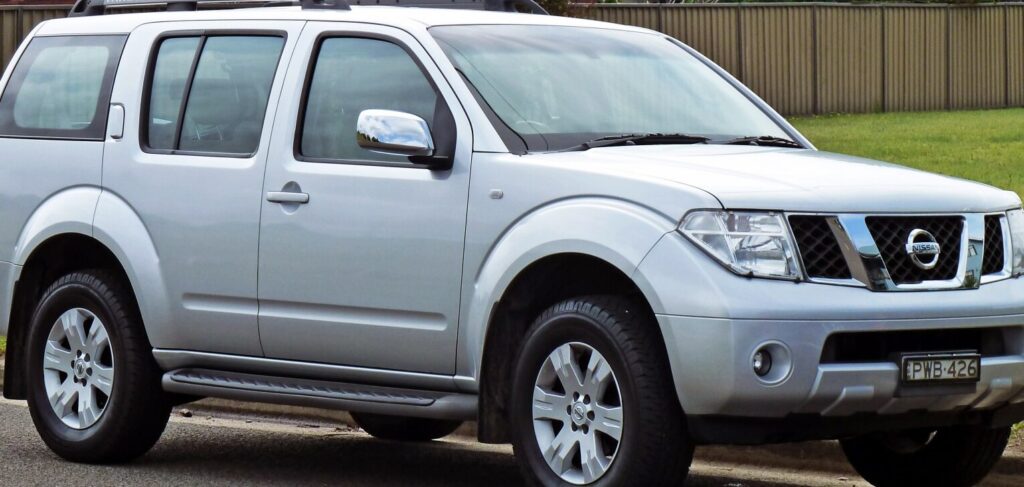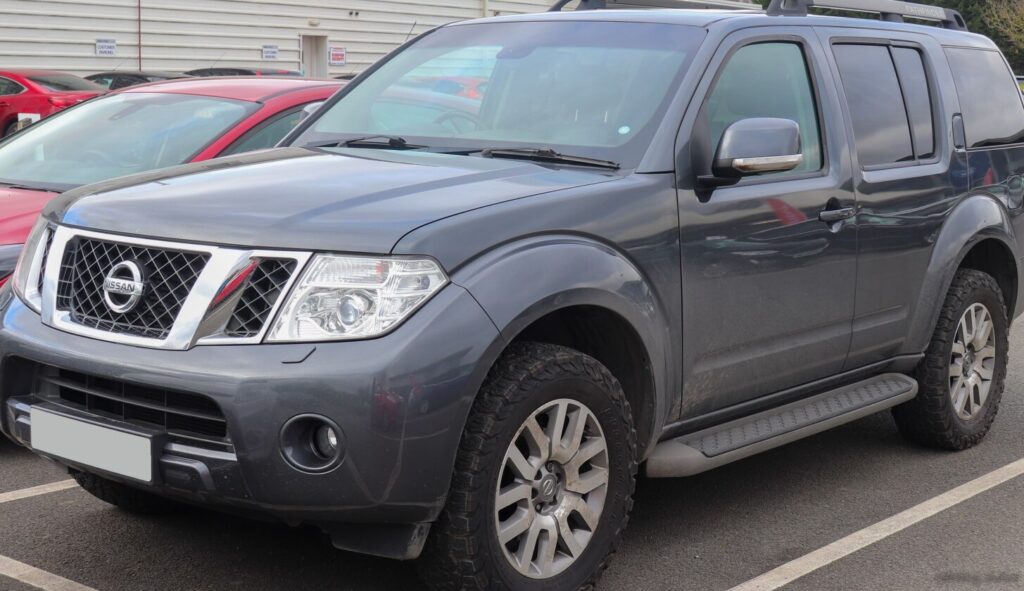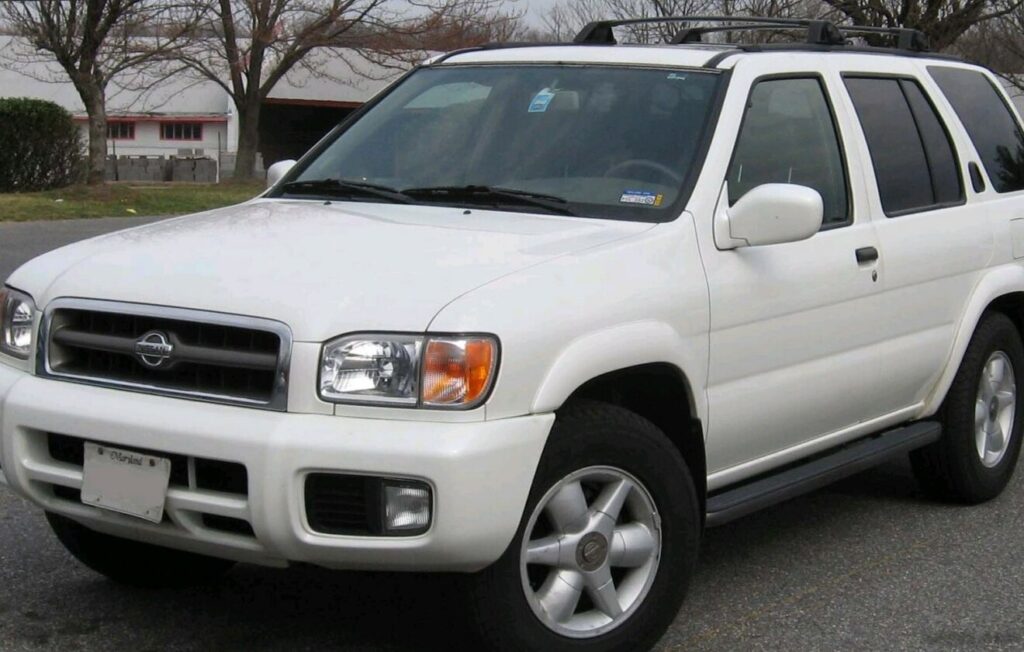
The Nissan Pathfinder II 3.2 TD 4WD, produced between 1997 and 2001, represented a significant step forward for Nissan’s mid-size SUV offering. Positioned as a robust and capable vehicle, it was primarily marketed towards families and individuals needing a versatile vehicle for both on and off-road use, particularly in markets outside of North America where diesel engines were more prevalent. This variant, equipped with the QD32ETI 3.2-liter turbocharged diesel engine and a five-speed manual transmission, occupied a middle ground in the Pathfinder II lineup, offering a balance between fuel efficiency, torque for towing and off-roading, and a more accessible price point compared to gasoline-powered options or higher trim levels.
Technical Specifications
| Brand | Nissan |
| Model | Pathfinder |
| Generation | Pathfinder II |
| Type (Engine) | 3.2 TD (150 Hp) 4WD |
| Start of production | 1997 |
| End of production | 2001 |
| Powertrain Architecture | Internal Combustion engine |
| Body type | SUV |
| Seats | 5 |
| Doors | 5 |
| Fuel consumption (urban) | 15 l/100 km (15.7 US mpg, 18.8 UK mpg, 6.7 km/l) |
| Fuel consumption (extra urban) | 10 l/100 km (23.5 US mpg, 28.2 UK mpg, 10 km/l) |
| Fuel Type | Diesel |
| Maximum speed | 160 km/h (99.42 mph) |
| Weight-to-power ratio | 12.7 kg/Hp, 78.9 Hp/tonne |
| Weight-to-torque ratio | 5.7 kg/Nm, 175.8 Nm/tonne |
| Power | 150 Hp @ 3600 rpm |
| Power per litre | 47.6 Hp/l |
| Torque | 334 Nm @ 2000 rpm (246.35 lb.-ft. @ 2000 rpm) |
| Engine layout | Front, Longitudinal |
| Engine Model/Code | QD32ETI |
| Engine displacement | 3153 cm3 (192.41 cu. in.) |
| Number of cylinders | 4 |
| Engine configuration | Inline |
| Cylinder Bore | 99.2 mm (3.91 in.) |
| Piston Stroke | 102 mm (4.02 in.) |
| Compression ratio | 22:1 |
| Number of valves per cylinder | 2 |
| Fuel injection system | Precombustion chamber injection |
| Engine aspiration | Turbocharger |
| Valvetrain | OHC |
| Engine oil capacity | 6.9 l (7.29 US qt | 6.07 UK qt) |
| Kerb Weight | 1900 kg (4188.78 lbs.) |
| Trunk (boot) space – minimum | 435 l (15.36 cu. ft.) |
| Trunk (boot) space – maximum | 1670 l (58.98 cu. ft.) |
| Fuel tank capacity | 80 l (21.13 US gal | 17.6 UK gal) |
| Length | 4530 mm (178.35 in.) |
| Width | 1840 mm (72.44 in.) |
| Height | 1750 mm (68.9 in.) |
| Wheelbase | 2700 mm (106.3 in.) |
| Front track | 1485 mm (58.46 in.) |
| Rear (Back) track | 1485 mm (58.46 in.) |
| Drive wheel | All wheel drive (4×4) |
| Number of gears and type of gearbox | 5 gears, manual transmission |
| Front suspension | Coil spring |
| Rear suspension | Coil spring |
| Front brakes | Ventilated discs |
| Rear brakes | Drum |
| Assisting systems | ABS (Anti-lock braking system) |
| Steering type | Steering rack and pinion |
| Power steering | Hydraulic Steering |
| Tires size | 235/70 R15 |
Powertrain & Engine Architecture
The heart of the Pathfinder II 3.2 TD was the QD32ETI engine, a 3.2-liter inline-four cylinder diesel. This engine utilized a precombustion chamber injection system, a common technology for diesel engines of the era, designed to improve combustion efficiency and reduce noise. The turbocharger significantly boosted power output, bringing it to 150 horsepower at 3600 rpm and a substantial 334 Nm (246.35 lb.-ft.) of torque at just 2000 rpm. The engine featured an overhead camshaft (OHC) valvetrain with two valves per cylinder. The five-speed manual transmission was chosen for its durability and ability to handle the engine’s torque, providing a direct connection between the engine and the wheels. The longitudinal engine layout, coupled with the 4WD system, contributed to the Pathfinder’s off-road capability.
Driving Characteristics
The 3.2 TD 4WD Pathfinder offered a distinctly different driving experience compared to its gasoline counterparts. While lacking the outright acceleration of the V6 models, the diesel engine’s abundant low-end torque made it exceptionally capable for towing and navigating challenging terrain. The five-speed manual transmission allowed for precise control, but the gear ratios were geared towards maximizing fuel economy and torque delivery rather than sporty performance. In real-world conditions, the Pathfinder II 3.2 TD felt strong and confident, particularly when fully loaded or tackling inclines. The turbocharger did introduce a slight amount of lag, but once spooled up, it provided a noticeable surge in power. Compared to automatic transmission equipped models, the manual offered a more engaging driving experience and better control in off-road situations.
Equipment & Trim Levels
The 3.2 TD 4WD trim generally included features such as air conditioning, power steering, and a basic audio system. Interior upholstery was typically cloth, and the dashboard featured a functional, if somewhat utilitarian, design. Optional extras included power windows, power door locks, and an upgraded audio system. The Pathfinder II wasn’t known for luxury, but it provided a comfortable and practical interior for its target audience. The focus was on durability and functionality rather than lavish appointments.
Chassis & Braking
The Pathfinder II utilized a body-on-frame construction, providing a robust and durable chassis. Suspension consisted of coil springs at both the front and rear, offering a comfortable ride quality, although it could feel somewhat bouncy when unloaded. The front brakes were ventilated discs, providing adequate stopping power, while the rear brakes were drums, a cost-saving measure common in this class of vehicle. An Anti-lock Braking System (ABS) was included as a standard safety feature. The track width of 1485mm front and rear contributed to stability.
Market Reception & Comparison
The Nissan Pathfinder II 3.2 TD 4WD was generally well-received in markets where diesel engines were popular. Critics praised its fuel efficiency, torque, and off-road capability. However, some noted the engine’s relative lack of refinement compared to gasoline engines and the presence of turbo lag. Compared to the 3.3-liter V6 gasoline engine, the 3.2 TD offered significantly better fuel economy but less overall power. The diesel also tended to be more expensive to maintain due to the complexity of the fuel injection system. Against competitors like the Mitsubishi Pajero and Toyota Land Cruiser, the Pathfinder II offered a competitive package in terms of price and features.
Legacy
The QD32ETI engine, while not without its quirks, proved to be a relatively durable and reliable powerplant when properly maintained. Today, the Pathfinder II 3.2 TD 4WD holds a modest following among enthusiasts who appreciate its ruggedness and off-road capability. Finding well-maintained examples can be challenging, and parts availability can be limited in some regions. However, for those seeking a capable and affordable SUV with a unique diesel powertrain, the Pathfinder II 3.2 TD 4WD remains a viable option. Its reputation for durability and its ability to handle demanding conditions have ensured its place as a capable and respected vehicle in the mid-size SUV segment.