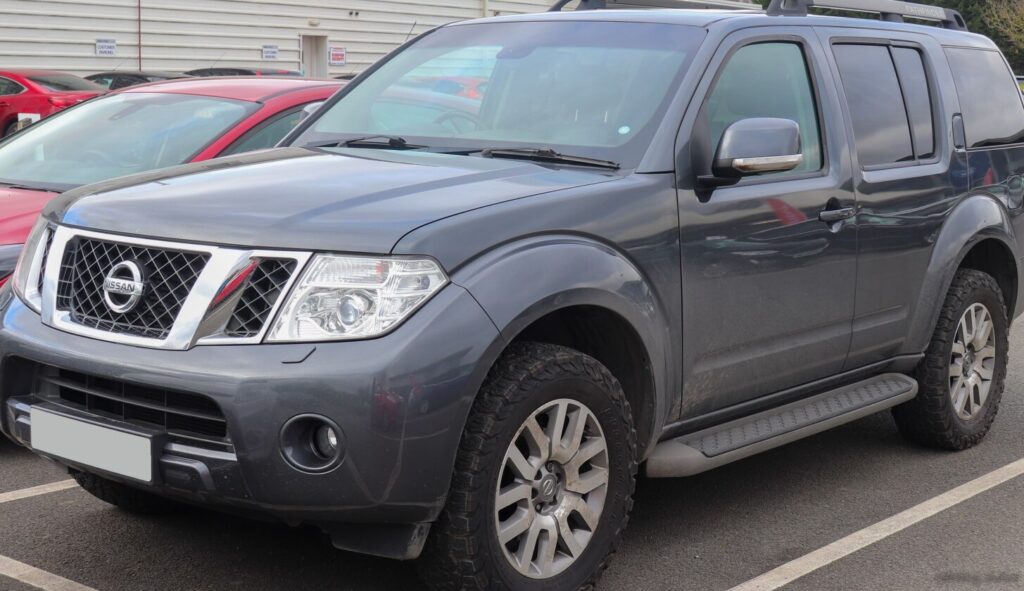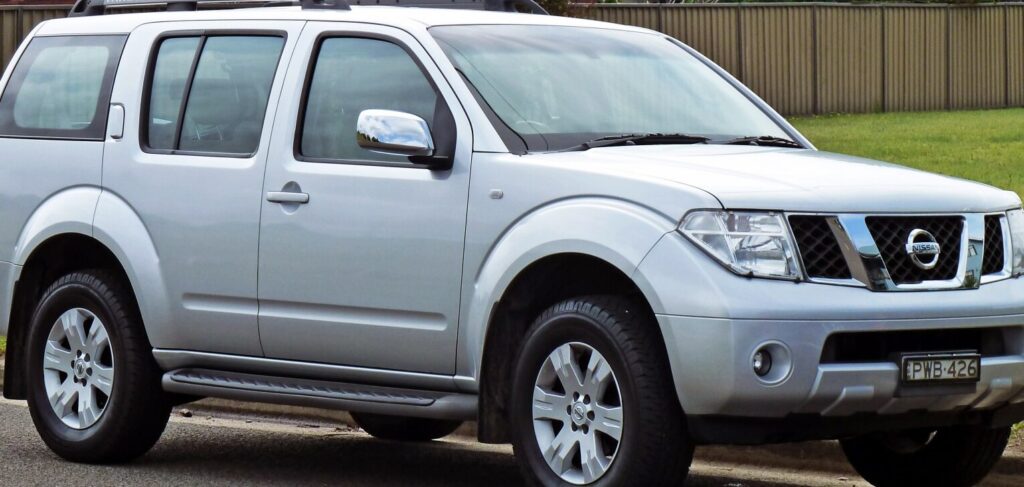
The Nissan Pathfinder III, produced from 2004 to 2010, represented a significant evolution for Nissan’s mid-size SUV. This generation Pathfinder, designated internally as the R51, moved towards a more comfortable and refined experience compared to its body-on-frame predecessors. The 2.5 DTi 4WD variant, equipped with the YD25DDTi engine producing 174 horsepower, was a key offering, particularly in European and Asian markets where diesel engines were favored. This model aimed to balance fuel efficiency with the capability expected of an SUV, offering a seven-passenger seating configuration and a robust four-wheel-drive system. It sat in the middle of the Pathfinder lineup, offering a more affordable alternative to the gasoline V6 models while providing more power and torque than the base engine options available in some regions.
Technical Specifications
| Brand | Nissan |
| Model | Pathfinder |
| Generation | Pathfinder III |
| Type (Engine) | 2.5 DTi (174 Hp) 4WD |
| Start of production | 2004 |
| End of production | 2010 |
| Powertrain Architecture | Internal Combustion engine |
| Body type | SUV |
| Seats | 7 |
| Doors | 4 |
| Fuel consumption (urban) | 11.5 l/100 km (20.5 US mpg) |
| Fuel consumption (extra urban) | 7.6 l/100 km (30.9 US mpg) |
| Fuel consumption (combined) | 9 l/100 km (26.1 US mpg) |
| Fuel Type | Diesel |
| Acceleration 0 – 100 km/h | 12.3 sec |
| Acceleration 0 – 62 mph | 12.3 sec |
| Acceleration 0 – 60 mph | 11.7 sec |
| Maximum speed | 175 km/h (108.74 mph) |
| Emission standard | Euro 4 |
| Weight-to-power ratio | 12.3 kg/Hp |
| Weight-to-torque ratio | 5.3 kg/Nm |
| Power | 174 Hp @ 4000 rpm |
| Torque | 403 Nm @ 2000 rpm (297.24 lb.-ft. @ 2000 rpm) |
| Engine layout | Front, Longitudinal |
| Engine Model/Code | YD25DDTi |
| Engine displacement | 2488 cm3 (151.83 cu. in.) |
| Number of cylinders | 4 |
| Engine configuration | Inline |
| Cylinder Bore | 89 mm (3.5 in.) |
| Piston Stroke | 100 mm (3.94 in.) |
| Compression ratio | 16.5:1 |
| Number of valves per cylinder | 4 |
| Fuel injection system | Diesel Commonrail |
| Engine aspiration | Turbocharger, Intercooler |
| Valvetrain | DOHC |
| Engine oil capacity | 6.9 l (7.29 US qt | 6.07 UK qt) |
| Coolant capacity | 9.9 l (10.46 US qt | 8.71 UK qt) |
| Kerb Weight | 2132 kg (4700.26 lbs.) |
| Max. weight | 2793 kg (6157.51 lbs.) |
| Max load | 661 kg (1457.26 lbs.) |
| Trunk (boot) space – minimum | 515 l (18.19 cu. ft.) |
| Trunk (boot) space – maximum | 2091 l (73.84 cu. ft.) |
| Fuel tank capacity | 80 l (21.13 US gal | 17.6 UK gal) |
| Length | 4877 mm (192.01 in.) |
| Width | 1854 mm (72.99 in.) |
| Height | 1879 mm (73.98 in.) |
| Wheelbase | 2853 mm (112.32 in.) |
| Front track | 1570 mm (61.81 in.) |
| Rear (Back) track | 1570 mm (61.81 in.) |
| Minimum turning circle | 12.4 m (40.68 ft.) |
| Drive wheel | All wheel drive (4×4) |
| Number of gears | 6 gears, manual transmission |
| Power steering | Hydraulic Steering |
| Tires size | 255/65 R17 |
| Wheel rims size | 17 |
Powertrain & Engine Architecture
The heart of the 2.5 DTi Pathfinder is the YD25DDTi engine, a 2.5-liter inline-four cylinder diesel. This engine utilizes a common rail direct injection system, delivering fuel at extremely high pressure for improved combustion efficiency and reduced emissions. The YD25DDTi is a turbocharged engine, with an intercooler to further enhance performance by cooling the intake air. The engine features a double overhead camshaft (DOHC) valvetrain with four valves per cylinder, optimizing airflow for increased power output. The 174 horsepower and 403 Nm (297 lb-ft) of torque were respectable figures for its time, providing adequate power for towing and off-road driving. The six-speed manual transmission was the standard offering for this variant, providing precise control and contributing to fuel efficiency. The engine’s longitudinal mounting allowed for a more traditional rear-wheel-drive-based four-wheel-drive system.
Driving Characteristics
The 2.5 DTi Pathfinder with the manual transmission offered a balanced driving experience. While not a performance SUV, the engine’s torque output provided strong acceleration from low RPMs, making it well-suited for everyday driving and hauling loads. The six-speed gearbox allowed for efficient cruising on the highway, and the gear ratios were well-matched to the engine’s powerband. Compared to the V6 gasoline engines available in the Pathfinder lineup, the diesel offered significantly better fuel economy, but with a trade-off in outright acceleration. The manual transmission provided a more engaging driving experience than the available automatic option, offering greater control and responsiveness. The four-wheel-drive system provided enhanced traction in slippery conditions, making it a capable off-road vehicle for light to moderate terrain.
Equipment & Trim Levels
The 2.5 DTi 4WD trim level typically included standard features such as air conditioning, power windows and locks, and a basic audio system. Higher trim levels offered upgrades like leather upholstery, a sunroof, and a more advanced audio system with navigation. Safety features included anti-lock brakes (ABS) and airbags. The interior design was functional and durable, prioritizing practicality over luxury. Optional extras included a rear differential lock for improved off-road capability and a tow package for increased towing capacity. The Pathfinder III aimed for a comfortable and family-friendly interior, with ample space for passengers and cargo.
Chassis & Braking
The Pathfinder III utilized a body-on-frame construction, providing a robust and durable chassis. The suspension system consisted of independent double wishbones in the front and a multi-link suspension in the rear. This setup provided a comfortable ride quality while maintaining good handling characteristics. Braking duties were handled by ventilated disc brakes in the front and either disc or drum brakes in the rear, depending on the specific trim level and market. The 2.5 DTi variant, due to its heavier engine, generally featured larger brakes than the base models. Hydraulic power steering provided responsive and precise steering control.
Market Reception & Comparison
The 2.5 DTi Pathfinder was well-received in markets where diesel engines were popular, offering a compelling combination of fuel efficiency, torque, and capability. Critics praised its comfortable ride, spacious interior, and robust four-wheel-drive system. Compared to the gasoline V6 models, the diesel offered significantly better fuel economy, making it a more economical choice for long-distance driving. However, some critics noted that the diesel engine was somewhat noisy and lacked the refinement of some of its competitors. The manual transmission was generally favored by enthusiasts for its engaging driving experience, while the automatic transmission was preferred by those seeking greater convenience.
Legacy
The YD25DDTi engine, while generally reliable, is known to require regular maintenance, particularly regarding the fuel injection system and turbocharger. Properly maintained, these engines can provide many years of service. In the used car market, the 2.5 DTi Pathfinder represents a relatively affordable and capable SUV. Its fuel efficiency and robust construction make it a practical choice for those seeking a versatile vehicle for family transportation and light off-road adventures. However, potential buyers should be aware of the potential maintenance costs associated with a diesel engine and ensure that the vehicle has been properly serviced throughout its life. The Pathfinder III, and specifically the 2.5 DTi variant, remains a popular choice for those seeking a durable and capable SUV at a reasonable price point.