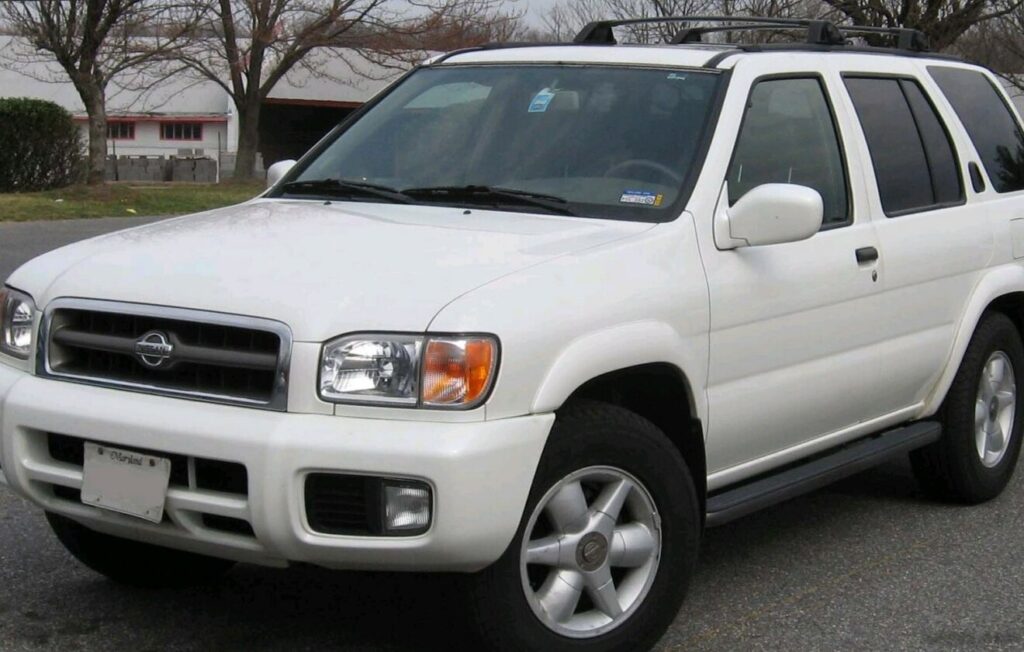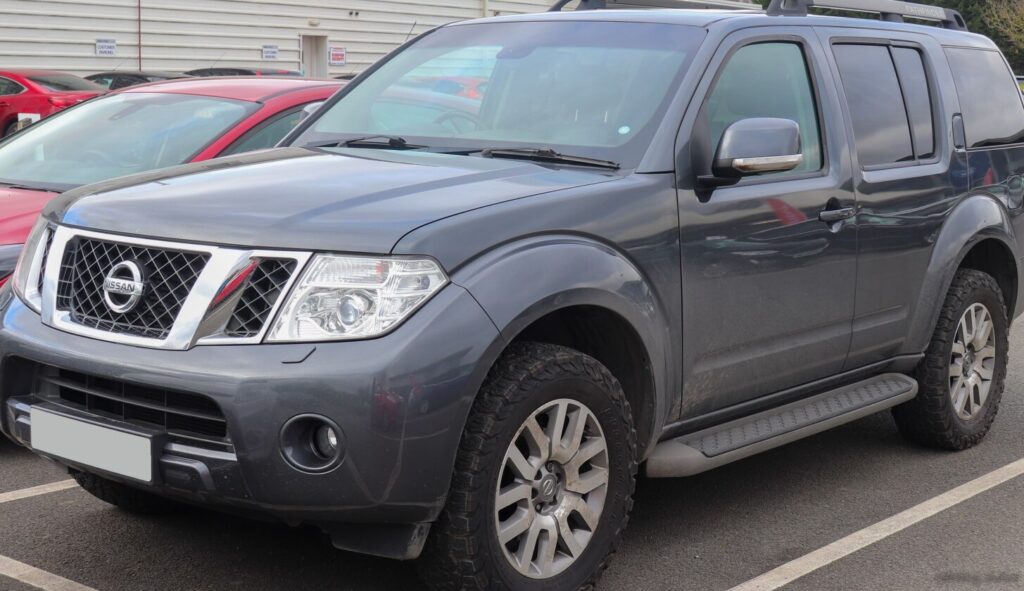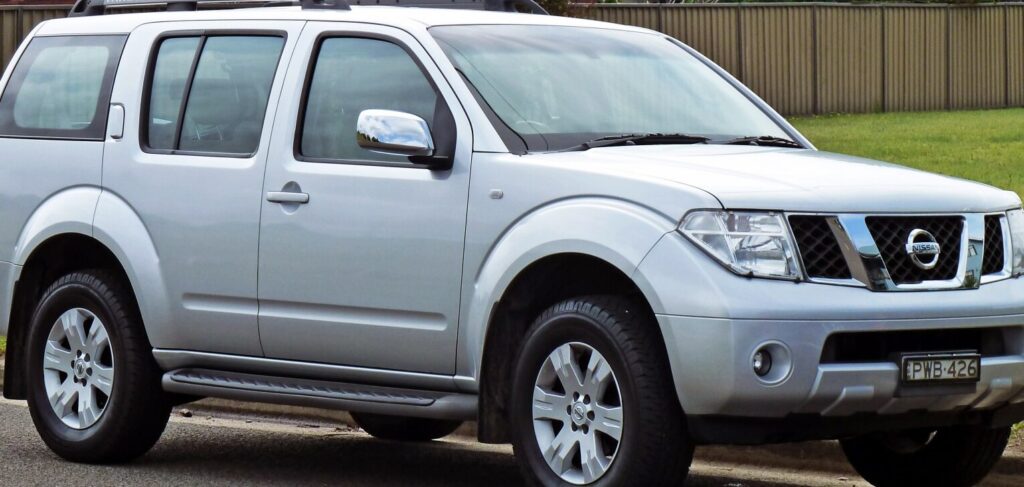
The Nissan Pathfinder III 2.5 DTi 4WD Automatic, produced between 2004 and 2010, represented a significant step forward for Nissan’s mid-size SUV offering. Positioned as a robust and practical family vehicle, this variant utilized a diesel engine paired with an automatic transmission, catering to buyers seeking towing capability and all-weather performance. It was a key model within the R51 series Pathfinder, designed to compete with vehicles like the Toyota 4Runner and Ford Explorer in international markets, particularly in Europe, Australia, and parts of Asia. While not officially sold in the United States during this generation, the Pathfinder III was a popular choice for those needing a capable seven-passenger SUV.
Technical Specifications
| Brand | Nissan |
| Model | Pathfinder |
| Generation | Pathfinder III |
| Type (Engine) | 2.5 DTi (174 Hp) 4WD Automatic |
| Start of production | 2004 |
| End of production | 2010 |
| Powertrain Architecture | Internal Combustion engine |
| Body type | SUV |
| Seats | 7 |
| Doors | 4 |
| Fuel consumption (urban) | 13.2 l/100 km (17.8 US mpg, 21.4 UK mpg, 7.6 km/l) |
| Fuel consumption (extra urban) | 8.3 l/100 km (28.3 US mpg, 34 UK mpg, 12 km/l) |
| Fuel consumption (combined) | 10.1 l/100 km (23.3 US mpg, 28 UK mpg, 9.9 km/l) |
| Fuel Type | Diesel |
| Acceleration 0 – 100 km/h | 11.6 sec |
| Acceleration 0 – 62 mph | 11.6 sec |
| Acceleration 0 – 60 mph | 11 sec |
| Maximum speed | 190 km/h (118.06 mph) |
| Emission standard | Euro 4 |
| Weight-to-power ratio | 12.4 kg/Hp, 80.4 Hp/tonne |
| Weight-to-torque ratio | 5.4 kg/Nm, 186.1 Nm/tonne |
| Power | 174 Hp @ 4000 rpm |
| Power per litre | 69.9 Hp/l |
| Torque | 403 Nm @ 2000 rpm (297.24 lb.-ft. @ 2000 rpm) |
| Engine layout | Front, Longitudinal |
| Engine Model/Code | YD25DDTi |
| Engine displacement | 2488 cm3 (151.83 cu. in.) |
| Number of cylinders | 4 |
| Engine configuration | Inline |
| Cylinder Bore | 89 mm (3.5 in.) |
| Piston Stroke | 100 mm (3.94 in.) |
| Compression ratio | 16.5:1 |
| Number of valves per cylinder | 4 |
| Fuel injection system | Diesel Commonrail |
| Engine aspiration | Turbocharger, Intercooler |
| Valvetrain | DOHC |
| Engine oil capacity | 6.9 l (7.29 US qt | 6.07 UK qt) |
| Coolant | 9.9 l (10.46 US qt | 8.71 UK qt) |
| Kerb Weight | 2165 kg (4773.01 lbs.) |
| Max. weight | 2880 kg (6349.31 lbs.) |
| Max load | 715 kg (1576.31 lbs.) |
| Trunk (boot) space – minimum | 515 l (18.19 cu. ft.) |
| Trunk (boot) space – maximum | 2091 l (73.84 cu. ft.) |
| Fuel tank capacity | 80 l (21.13 US gal | 17.6 UK gal) |
| Length | 4877 mm (192.01 in.) |
| Width | 1854 mm (72.99 in.) |
| Height | 1879 mm (73.98 in.) |
| Wheelbase | 2850 mm (112.2 in.) |
| Front track | 1570 mm (61.81 in.) |
| Rear (Back) track | 1570 mm (61.81 in.) |
| Minimum turning circle | 12.4 m (40.68 ft.) |
| Drive wheel | All wheel drive (4×4) |
| Number of gears | 5 |
| Gearbox type | automatic transmission |
| Power steering | Hydraulic Steering |
| Tires size | 255/65 R17 |
| Wheel rims size | 17 |
INTRODUCTION
The Nissan Pathfinder III, launched in 2004, represented a move towards a more refined and comfortable SUV experience. Built on the D platform shared with the Nissan Navara pickup truck, the Pathfinder III offered a body-on-frame construction, prioritizing durability and off-road capability. The 2.5 DTi 4WD Automatic variant was a popular choice in markets where diesel fuel was readily available and where buyers valued the combination of fuel efficiency, torque for towing, and the convenience of an automatic transmission. This model year saw updates to the styling and interior compared to the first generation Pathfinder, aiming for a more modern aesthetic.
Powertrain & Engine Architecture
At the heart of the 2.5 DTi Pathfinder lies the YD25DDTi engine, a 2.5-liter inline-four cylinder diesel. This engine utilizes a common rail direct injection system, delivering fuel directly into the combustion chamber at extremely high pressure for improved efficiency and reduced emissions. The YD25DDTi is equipped with a turbocharger and intercooler, boosting power output to 174 horsepower and a substantial 403 Nm (297 lb-ft) of torque. The engine features a double overhead camshaft (DOHC) valvetrain with four valves per cylinder, optimizing airflow for enhanced performance. The automatic transmission is a five-speed unit, designed to handle the engine’s torque output and provide smooth shifting. While not known for blistering acceleration, the transmission was geared for comfortable cruising and towing.
Driving Characteristics
The 2.5 DTi Automatic Pathfinder offered a comfortable and capable driving experience, though it wasn’t designed for sporty performance. The automatic transmission, while convenient, did result in some power loss compared to the available manual transmission options. Acceleration from 0-60 mph took around 11 seconds, which was adequate for everyday driving but not particularly quick. The engine’s strong low-end torque made it well-suited for towing trailers or navigating challenging terrain. The 4WD system provided enhanced traction in slippery conditions, making it a reliable choice for all-weather driving. The suspension, tuned for comfort, absorbed bumps and irregularities in the road reasonably well, but body roll was noticeable during cornering.
Equipment & Trim Levels
The 2.5 DTi Automatic trim typically included features such as air conditioning, power windows and locks, a CD player, and basic cloth upholstery. Higher trim levels, often denoted by designations like “SE” or “LE”, added features like alloy wheels, a sunroof, leather upholstery, and upgraded audio systems. Optional extras included a navigation system, rear parking sensors, and a tow package. The interior layout was functional and spacious, with seating for up to seven passengers. The third-row seats were best suited for children or shorter adults.
Chassis & Braking
The Pathfinder III utilized a body-on-frame construction, providing a robust and durable chassis. The suspension consisted of independent double wishbones at the front and a multi-link setup at the rear. Braking duties were handled by disc brakes at the front and drum brakes at the rear, a common configuration for this class of vehicle. Anti-lock brakes (ABS) were standard, enhancing safety during emergency braking situations. The steering was hydraulically assisted, providing a reasonable level of feedback and control.
Market Reception & Comparison
The 2.5 DTi Automatic Pathfinder was generally well-received by automotive critics as a practical and capable SUV. It was praised for its spacious interior, comfortable ride, and strong towing capacity. However, some reviewers noted that the automatic transmission could feel sluggish at times, and the fuel economy, while reasonable for a diesel SUV, wasn’t class-leading. Compared to the gasoline-powered Pathfinder variants, the 2.5 DTi offered significantly better fuel economy and torque, making it a popular choice for those who frequently towed or drove long distances. Compared to competitors like the Toyota 4Runner, the Pathfinder offered a more affordable price point, but the 4Runner was often regarded as having superior off-road capability.
Legacy
The Nissan Pathfinder III 2.5 DTi 4WD Automatic has proven to be a relatively reliable vehicle, with many examples still on the road today. The YD25DDTi engine is known for its durability, although regular maintenance is crucial to prevent issues such as turbocharger failure or injector problems. The automatic transmission, while generally reliable, can be susceptible to wear and tear with high mileage. In the used car market, these Pathfinders represent a good value for buyers seeking a spacious, capable, and affordable SUV. However, potential buyers should be aware of the age-related issues common to older vehicles and ensure that a thorough inspection is conducted before purchase.