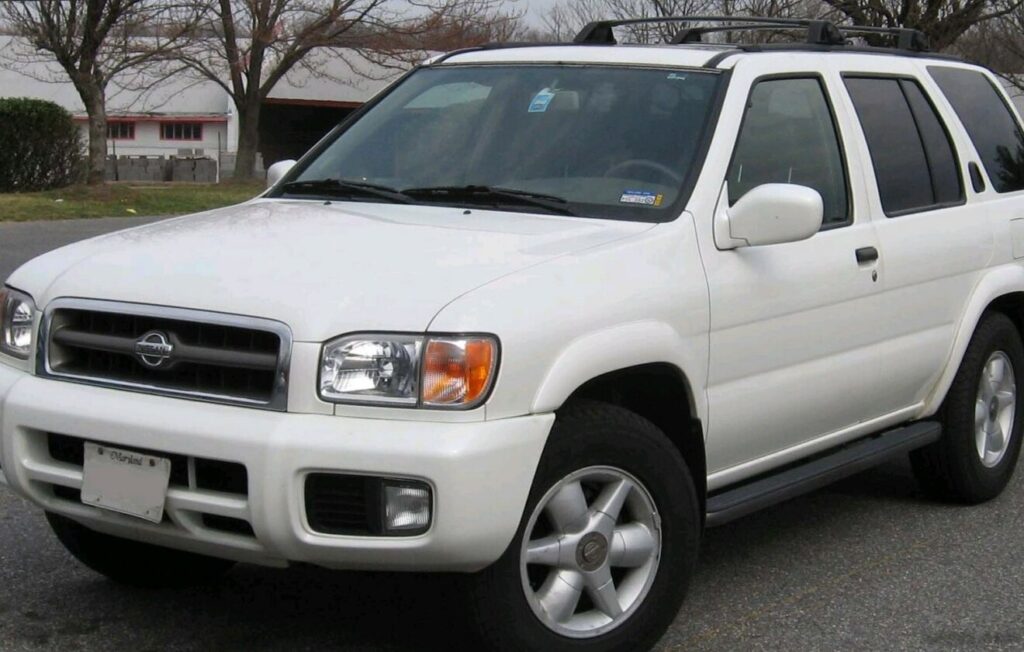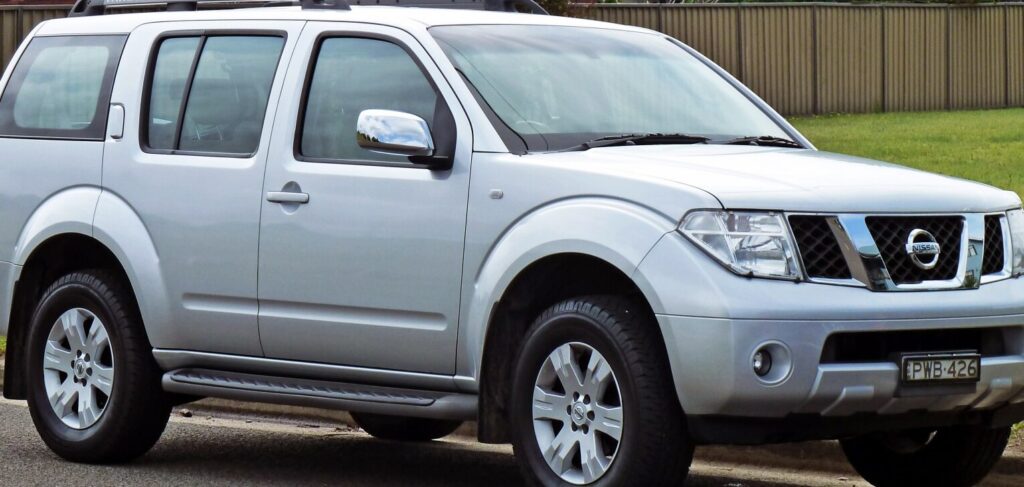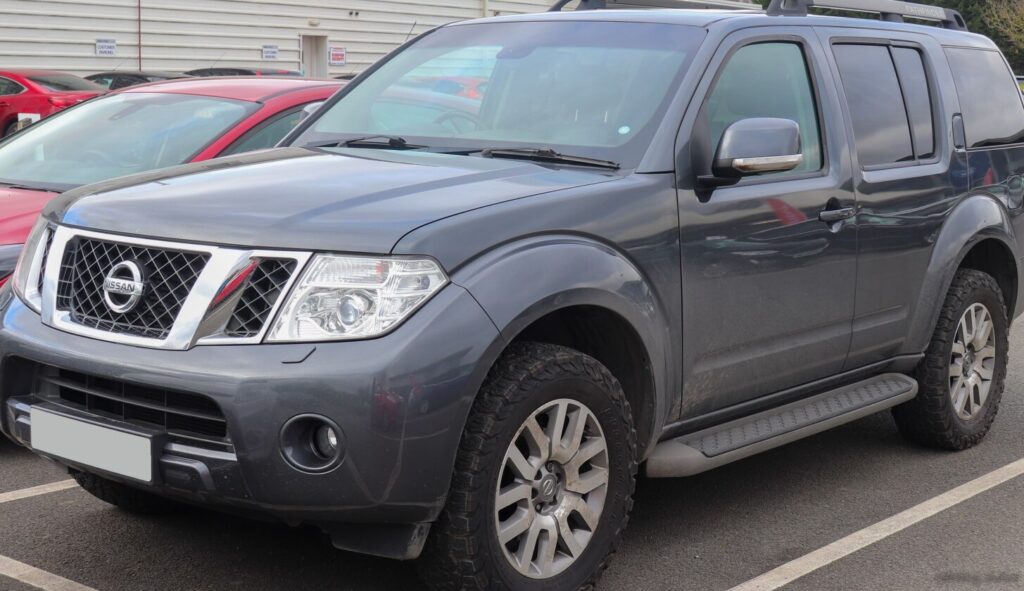
The Nissan Pathfinder III, specifically the facelifted version produced from 2010 to 2013, represented a significant evolution for Nissan’s mid-size SUV. This generation, internally designated as the R51, aimed to blend the rugged capability expected of an SUV with a more comfortable and refined driving experience. The 3.0 V6 variant, producing 231 horsepower, was a key offering in many markets, particularly Europe and Australia, where diesel engines were favored. It occupied a middle ground in the Pathfinder lineup, offering a balance between performance and fuel efficiency compared to the gasoline V6 options and providing a more accessible entry point than potential higher-trim diesel variants.
Technical Specifications
| Brand | Nissan |
| Model | Pathfinder |
| Generation | Pathfinder III (facelift 2010) |
| Type (Engine) | 3.0 V6 (231 Hp) |
| Start of production | 2010 |
| End of production | 2013 |
| Powertrain Architecture | Internal Combustion engine |
| Body type | SUV |
| Seats | 7 |
| Doors | 5 |
| Fuel consumption (urban) | 12.4 l/100 km (19 US mpg, 22.8 UK mpg, 8.1 km/l) |
| Fuel consumption (extra urban) | 7.7 l/100 km (30.5 US mpg, 36.7 UK mpg, 13 km/l) |
| Fuel consumption (combined) | 9.5 l/100 km (24.8 US mpg, 29.7 UK mpg, 10.5 km/l) |
| CO2 emissions | 250 g/km |
| Fuel Type | Diesel |
| Acceleration 0 – 100 km/h | 8.9 sec |
| Acceleration 0 – 62 mph | 8.9 sec |
| Acceleration 0 – 60 mph | 8.5 sec |
| Maximum speed | 200 km/h (124.27 mph) |
| Emission standard | Euro 5 |
| Weight-to-power ratio | 9.6 kg/Hp, 104.5 Hp/tonne |
| Weight-to-torque ratio | 4 kg/Nm, 248.9 Nm/tonne |
| Power | 231 Hp @ 3750 rpm |
| Power per litre | 77.2 Hp/l |
| Torque | 550 Nm @ 1750 rpm (405.66 lb.-ft. @ 1750 rpm) |
| Engine layout | Front, Transverse |
| Engine Model/Code | V9X |
| Engine displacement | 2991 cm3 (182.52 cu. in.) |
| Number of cylinders | 6 |
| Engine configuration | V-engine |
| Number of valves per cylinder | 4 |
| Fuel injection system | Diesel Commonrail |
| Engine aspiration | Turbocharger, Intercooler |
| Engine oil capacity | 7.1 l (7.5 US qt | 6.25 UK qt) |
| Coolant capacity | 13.2 l (13.95 US qt | 11.61 UK qt) |
| Kerb Weight | 2210 kg (4872.22 lbs.) |
| Max. weight | 2980 kg (6569.78 lbs.) |
| Max load | 770 kg (1697.56 lbs.) |
| Trunk (boot) space – minimum | 190 l (6.71 cu. ft.) |
| Trunk (boot) space – maximum | 2091 l (73.84 cu. ft.) |
| Fuel tank capacity | 80 l (21.13 US gal | 17.6 UK gal) |
| Max. roof load | 100 kg (220.46 lbs.) |
| Permitted trailer load with brakes (12%) | 3500 kg (7716.18 lbs.) |
| Permitted trailer load without brakes | 750 kg (1653.47 lbs.) |
| Permitted towbar download | 120 kg (264.55 lbs.) |
| Length | 4813 mm (189.49 in.) |
| Width | 1848 mm (72.76 in.) |
| Height | 1846 mm (72.68 in.) |
| Wheelbase | 2853 mm (112.32 in.) |
| Minimum turning circle | 11.9 m (39.04 ft.) |
| Front suspension | Independent multi-link suspension |
| Rear suspension | Independent multi-link suspension |
| Front brakes | Ventilated discs |
| Rear brakes | Ventilated discs |
| Number of gears | 7 |
| Type of gearbox | automatic transmission |
| Tire size | 255/60 R18 |
| Wheel rims size | 18 |
Powertrain & Engine Architecture
The heart of this Pathfinder variant is the V9X 2.991-liter V6 diesel engine. This engine utilizes a common rail direct injection system, delivering fuel directly into the cylinders at extremely high pressure for optimized combustion. The V9X engine is a turbocharged engine, employing an intercooler to cool the intake air, increasing its density and improving engine efficiency. The engine features four valves per cylinder (DOHC), contributing to improved breathing and power output. The 7-speed automatic transmission, a key component of this trim, was designed to provide smooth shifting and efficient power delivery. It features adaptive shift logic, adjusting shift points based on driving conditions and driver input.
Driving Characteristics
The 231 horsepower and 405.66 lb-ft of torque provided by the V6 diesel and 7-speed automatic offered a respectable level of performance for the Pathfinder. Acceleration from 0-60 mph was achieved in approximately 8.5 seconds, making it competitive within its class. The automatic transmission, while providing convenience, did result in a slightly less engaging driving experience compared to the available manual transmission options. The gear ratios were tuned for a balance between acceleration and fuel economy, with taller gears for highway cruising. Compared to the gasoline V6 versions, the diesel offered significantly more torque, resulting in stronger pulling power and improved towing capacity. However, the gasoline engines generally provided quicker acceleration.
Equipment & Trim Levels
The 3.0 V6 Automatic Pathfinder typically came equipped with a solid set of standard features. These generally included air conditioning, power windows and locks, a basic audio system with CD player, and alloy wheels. Higher trim levels added features such as leather upholstery, a sunroof, a more advanced audio system with navigation, and parking sensors. Interior upholstery was often a durable cloth, with leather available as an upgrade. The dashboard layout was functional and straightforward, prioritizing usability over flashy design. Optional extras included a rear entertainment system, upgraded sound systems, and various exterior styling enhancements.
Chassis & Braking
The Pathfinder III utilized an independent multi-link suspension system both front and rear, providing a comfortable ride and good handling characteristics. The suspension was tuned to balance on-road comfort with off-road capability. Braking duties were handled by ventilated discs on all four wheels, providing ample stopping power. Anti-lock Braking System (ABS) was standard, enhancing safety during emergency braking situations. Stabilizer bars were fitted front and rear to reduce body roll during cornering. The Pathfinder’s chassis was designed to handle the weight of a full complement of passengers and cargo, as well as the demands of towing.
Market Reception & Comparison
The 3.0 V6 Automatic Pathfinder received generally positive reviews from automotive critics. It was praised for its comfortable ride, spacious interior, and strong towing capacity. Fuel economy was considered reasonable for a vehicle of its size and capability, although it didn’t match the efficiency of some smaller SUVs. Compared to other trims in the Pathfinder lineup, the 3.0 V6 Automatic offered a compelling balance of performance, fuel economy, and price. It appealed to buyers who needed the space and versatility of an SUV but didn’t require the outright performance of the higher-output engines.
Legacy
The V9X engine, while generally reliable, is known to require regular maintenance, particularly regarding the diesel particulate filter (DPF). Proper servicing and the use of high-quality diesel fuel are crucial for preventing DPF issues. The 7-speed automatic transmission has also proven to be relatively durable, but fluid changes should be performed according to the manufacturer’s recommendations. In the used car market, the 3.0 V6 Automatic Pathfinder represents a good value proposition for buyers seeking a capable and comfortable SUV. Its robust construction and relatively straightforward mechanicals make it a relatively affordable option to maintain, provided it has been well-cared for. The Pathfinder III, and this variant in particular, helped solidify Nissan’s reputation as a maker of practical and reliable SUVs.