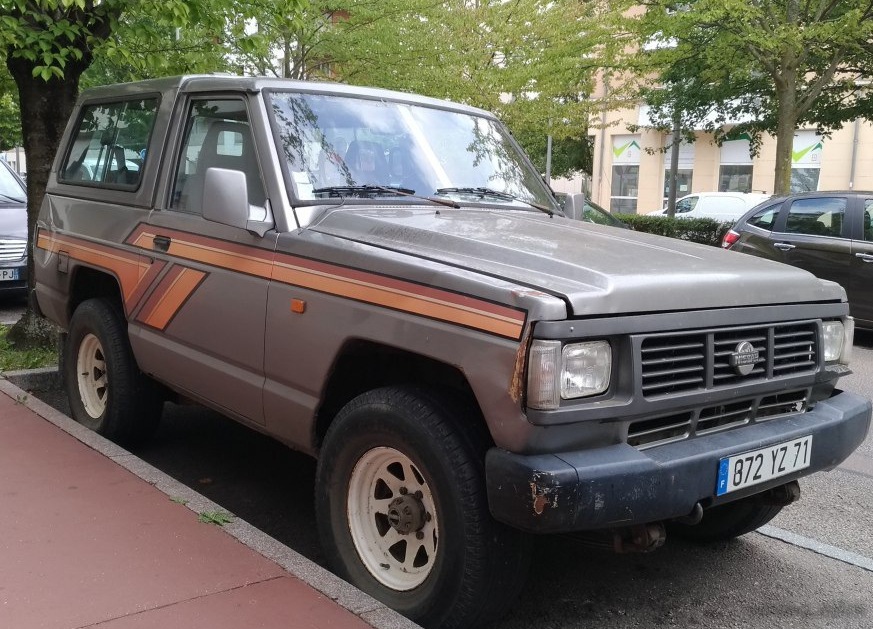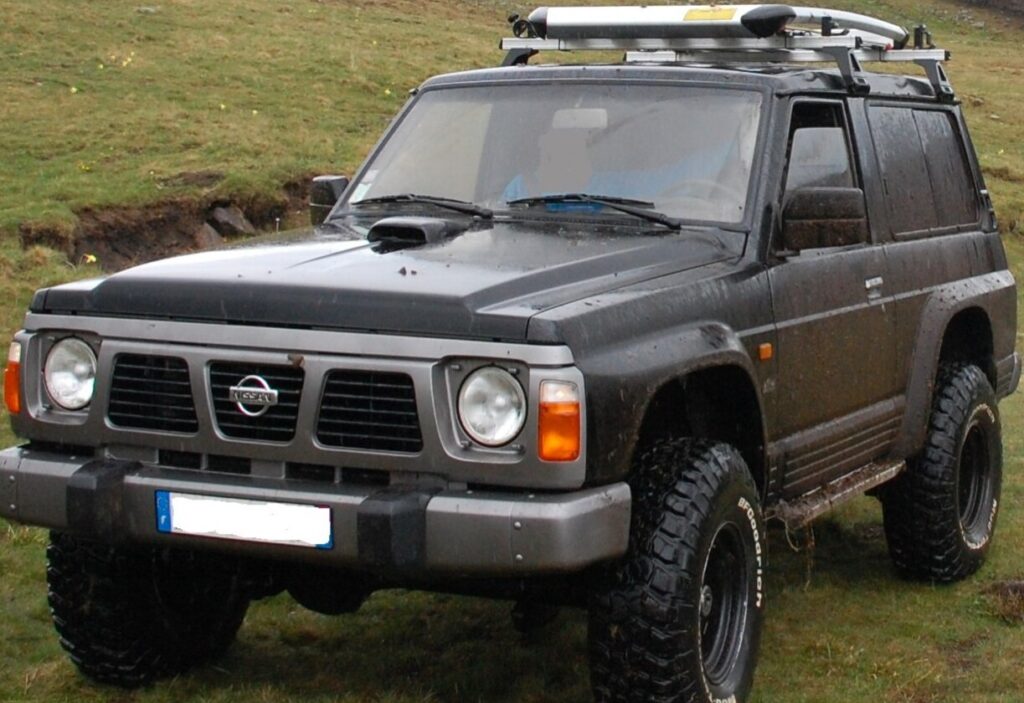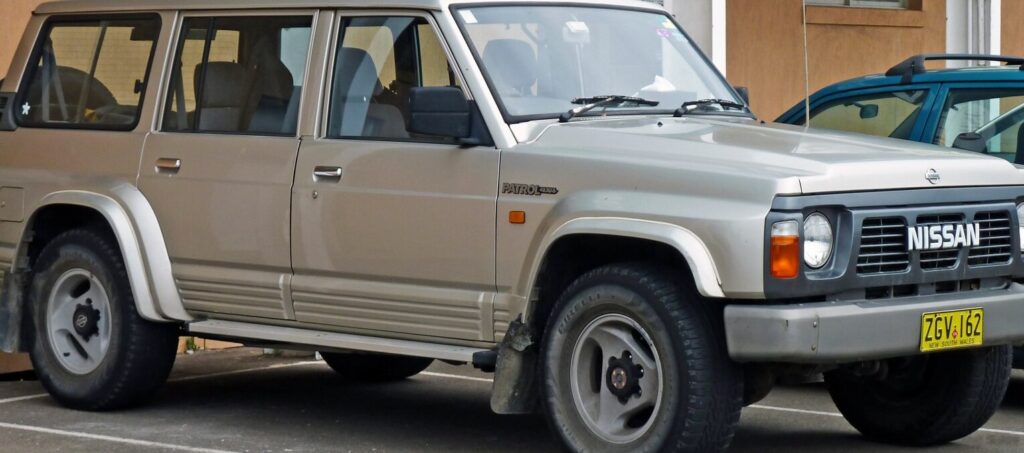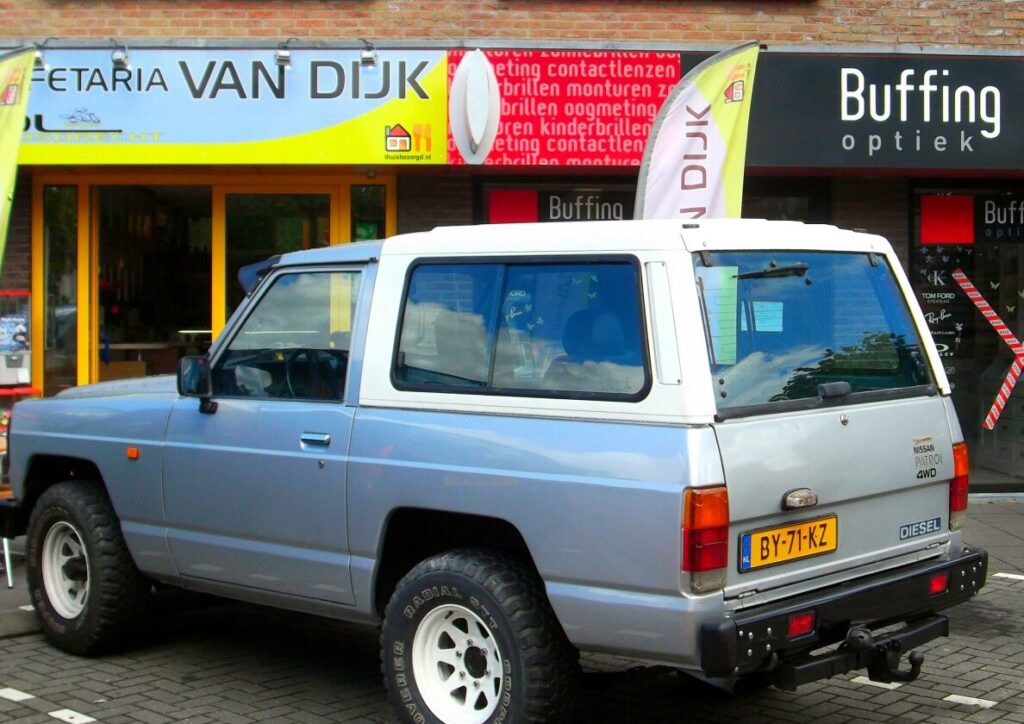
The Nissan Patrol Hardtop (K160) 2.8, produced from 1980 to 1988, represents a significant iteration of Nissan’s long-running Patrol series. This variant, powered by the L28 inline-six engine producing 121 horsepower, occupied a middle ground in the K160 lineup, offering a balance between capability and affordability. The K160 generation, introduced in 1980, was a substantial redesign of the Patrol, aiming to modernize the vehicle while retaining its renowned off-road prowess. It was primarily marketed towards utility and recreational users, particularly in Australia, the Middle East, and parts of Asia, where a robust and reliable four-wheel-drive vehicle was highly valued. The Hardtop designation refers to the body style, featuring a fixed metal roof, distinguishing it from the softer-top versions available.
Technical Specifications
| Brand | Nissan |
| Model | Patrol |
| Generation | Patrol Hardtop (K160) |
| Type (Engine) | 2.8 (K160) (121 Hp) |
| Start of production | 1980 |
| End of production | 1988 |
| Powertrain Architecture | Internal Combustion engine |
| Body type | Off-road vehicle |
| Fuel Type | Petrol (Gasoline) |
| Power | 121 Hp |
| Engine layout | Front, Longitudinal |
| Engine Model/Code | L28 |
| Number of cylinders | 6 |
| Engine configuration | Inline |
| Fuel injection system | Carburettor |
| Engine aspiration | Naturally aspirated engine |
| Drive wheel | All wheel drive (4×4) |
| Number of gears and type of gearbox | 4 gears, manual transmission |
| Front suspension | Rigid axle suspension |
| Rear suspension | Dependent suspension of two longitudinal semi-elliptic leaf springs |
| Front brakes | Disc |
| Rear brakes | Drum |
| Power steering | Hydraulic Steering |
| Wheel rims size | 15 |
Powertrain & Engine Architecture
The heart of the K160 2.8 is the L28 inline-six engine. This 2.8-liter (2753 cc) engine is a naturally aspirated, gasoline-powered unit known for its durability and relatively simple design. It utilizes a cast iron block and cylinder head, contributing to its robustness. The L28 employs a single overhead camshaft (SOHC) valvetrain, operating two valves per cylinder. Fuel delivery is managed by a carburetor, a common feature for the time, though less efficient than fuel injection systems. The carburetor setup, while reliable, meant slightly lower fuel economy and potentially less precise throttle response compared to later fuel-injected Patrols. The engine produces 121 horsepower at around 3600 rpm and approximately 178 lb-ft of torque. This torque figure, while not exceptionally high, is delivered relatively low in the rev range, making it well-suited for off-road driving and hauling loads. The K160 2.8 was exclusively offered with a four-speed manual transmission, providing direct control over gear selection for challenging terrain. The transmission is robust, designed to handle the engine’s torque and the demands of off-road use.
Driving Characteristics
The K160 2.8, with its manual transmission, offers a direct and engaging driving experience. The four-speed gearbox provides adequate spacing for both on-road cruising and low-speed off-road maneuvering. The engine’s torque characteristics mean that it doesn’t require frequent gear changes, especially when tackling inclines or navigating rough terrain. However, compared to later Patrol models with five-speed transmissions or more powerful engines, the K160 2.8 feels somewhat underpowered, particularly when fully loaded or traveling at highway speeds. Acceleration is modest, and overtaking requires careful planning. The rigid axle suspension, both front and rear, contributes to excellent articulation off-road, allowing the vehicle to maintain contact with the ground even over uneven surfaces. However, this suspension setup results in a somewhat bumpy ride on paved roads. The hydraulic steering provides reasonable assistance, but it lacks the precision of more modern steering systems.
Equipment & Trim Levels
The K160 2.8 was generally equipped with basic, utilitarian features. It wasn’t designed for luxury, but rather for functionality and durability. Standard equipment typically included a basic dashboard with analog gauges, vinyl or cloth upholstery, and a simple two-speaker audio system. Air conditioning was often an optional extra, as were power windows and central locking. The interior was designed to be easily cleaned and maintained, reflecting the vehicle’s intended use. Trim levels were relatively limited; the 2.8 model typically sat in the middle of the K160 range, offering more features than the base models but fewer than the higher-spec versions with larger engines and more luxurious appointments. Optional extras could include a winch, roof rack, and upgraded tires.
Chassis & Braking
The K160 Patrol utilizes a robust ladder frame chassis, providing a solid foundation for off-road driving. The front suspension consists of a rigid axle with leaf springs, while the rear suspension employs a dependent setup with two longitudinal semi-elliptic leaf springs. This configuration provides excellent load-carrying capacity and durability. Braking duties are handled by disc brakes at the front and drum brakes at the rear. While adequate for the vehicle’s weight and intended use, the braking system lacks the stopping power and sophistication of more modern systems. Power steering is standard, making maneuvering the large vehicle easier, particularly at low speeds.
Market Reception & Comparison
The K160 2.8 Patrol was well-received in its target markets, particularly for its reliability and off-road capability. Critics praised its robust construction and the durability of the L28 engine. However, some noted its relatively low power output and somewhat crude ride quality. Compared to the larger-engined Patrols (like the 3.3L or 4.0L versions), the 2.8 offered a more affordable entry point into the Patrol lineup, but at the expense of performance. Compared to other four-wheel-drive vehicles of the era, such as the Toyota Land Cruiser, the Patrol K160 2.8 offered a competitive combination of price, capability, and reliability. Fuel economy was reasonable for a vehicle of its size and type, but it was not a primary selling point.
Legacy
The K160 Patrol, and specifically the 2.8 variant, has earned a reputation for longevity and reliability. Many examples are still in use today, often having been well-maintained by enthusiasts. The L28 engine is known for its ability to withstand significant abuse, and parts availability remains relatively good. In the used car market, the K160 2.8 Patrol represents a relatively affordable and capable off-road vehicle. While it may not offer the refinement or performance of more modern vehicles, its simplicity, durability, and off-road prowess continue to appeal to a dedicated following. It’s often sought after by those looking for a classic four-wheel-drive vehicle that can handle both work and recreational activities.