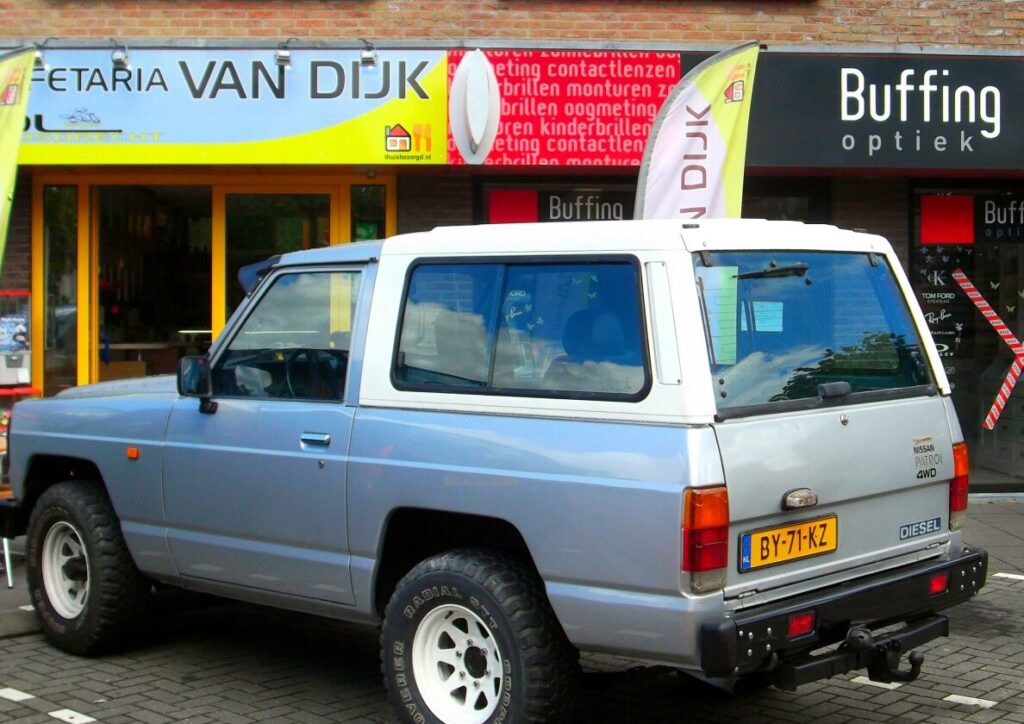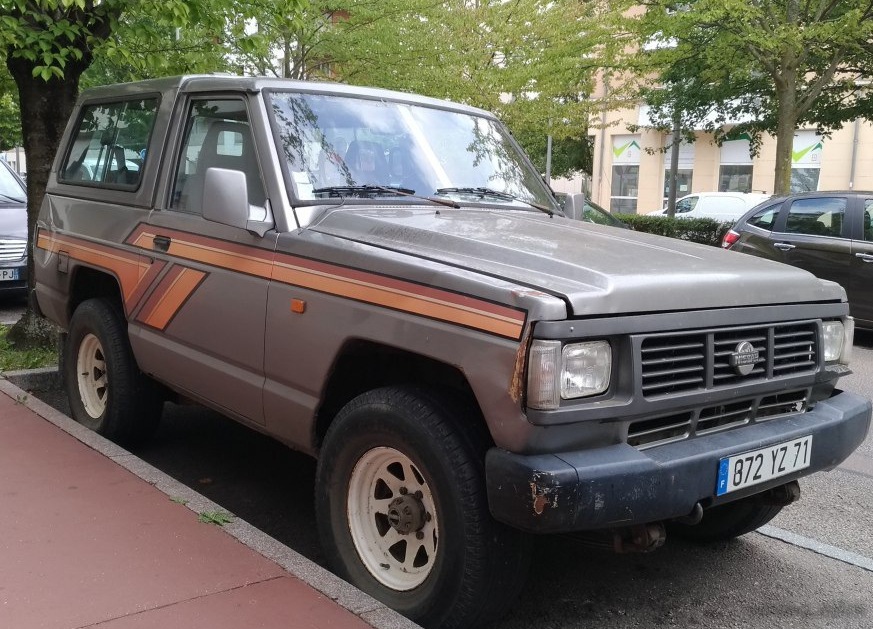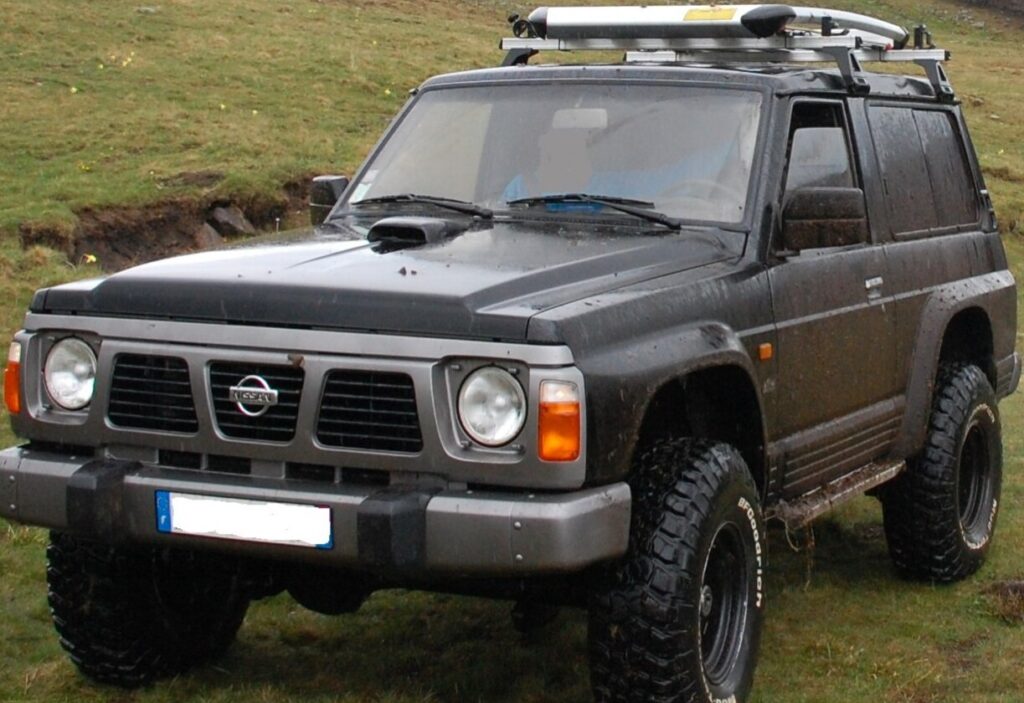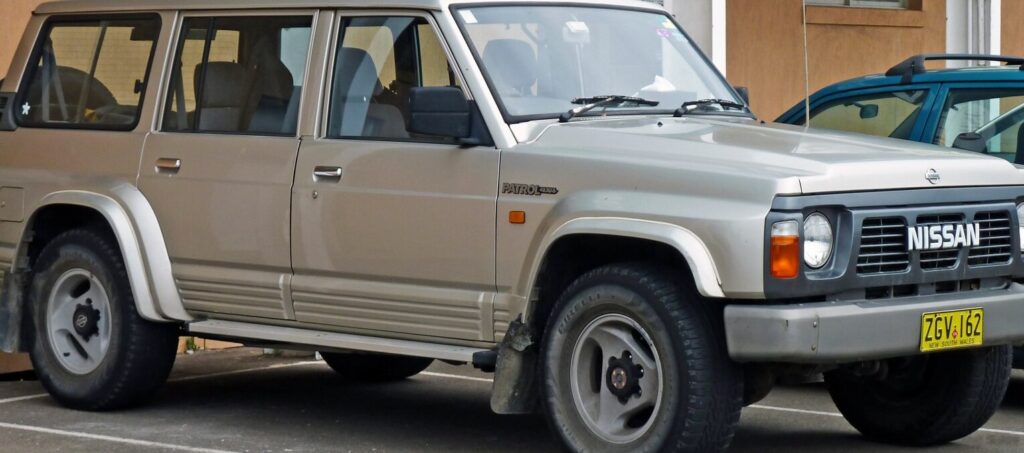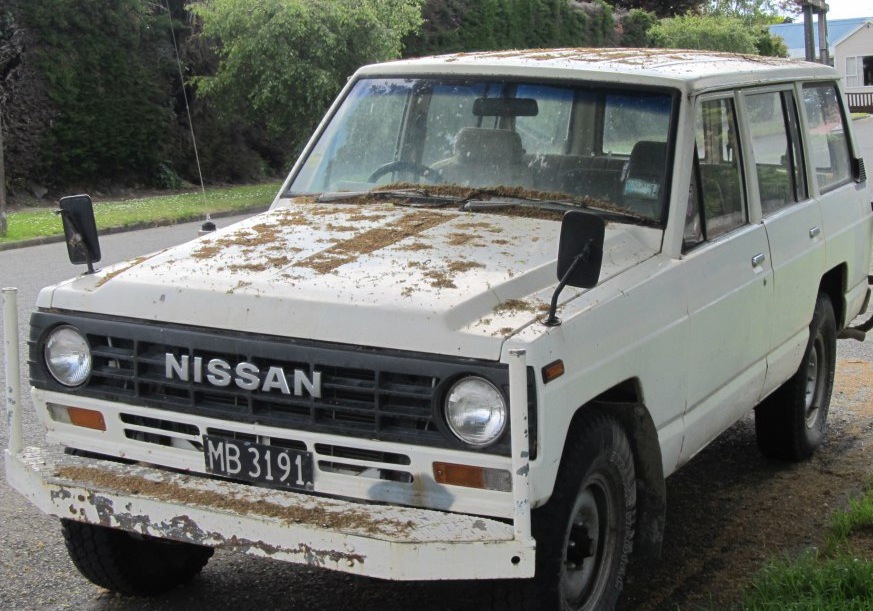
The Nissan Patrol Station Wagon (W160) 3.2 D, produced from 1980 to 1988, represents a significant iteration of Nissan’s long-running Patrol series. This variant, powered by a 3.2-liter naturally aspirated diesel engine producing 95 horsepower, occupied a crucial position within the W160 generation, offering a balance of rugged capability and practicality for both commercial and family use. The W160 series, introduced in 1980, marked a substantial modernization of the Patrol, moving away from the more utilitarian focus of earlier models towards a vehicle offering increased comfort and refinement while retaining its renowned off-road prowess. This particular 3.2D model was primarily aimed at markets outside of North America, where diesel engines were favored for their fuel efficiency and durability, particularly in demanding conditions.
Technical Specifications
| Brand | Nissan |
| Model | Patrol |
| Generation | Patrol Station Wagon (W160) |
| Type (Engine) | 3.2 D (W160) (95 Hp) |
| Start of production | 1980 |
| End of production | 1988 |
| Powertrain Architecture | Internal Combustion engine |
| Body type | Off-road vehicle, Station wagon (estate) |
| Fuel Type | Diesel |
| Power | 95 Hp |
| Engine aspiration | Naturally aspirated engine |
Powertrain & Engine Architecture
The heart of the W160 3.2 D is the SD33 diesel engine, a 3.2-liter inline-six cylinder unit. This engine, while not known for its outright power, was celebrated for its robustness and longevity. It featured a naturally aspirated configuration, relying on atmospheric pressure for air intake, and utilized a mechanical inline fuel injection pump. This system, while less sophisticated than later electronic injection systems, proved remarkably reliable and relatively easy to maintain in field conditions. The engine’s valvetrain employed a single overhead camshaft (SOHC) design, operating two valves per cylinder. The SD33 engine produced 95 horsepower at around 3,200 rpm and approximately 177 lb-ft of torque. The transmission paired with this engine was typically a four-speed manual, though a three-speed automatic transmission was also available, albeit less common. The automatic transmission, while offering convenience, did noticeably impact performance and fuel economy compared to the manual counterpart.
Driving Characteristics
The driving experience in the W160 3.2 D was characterized by its deliberate pace and substantial torque. The 95 horsepower output wasn’t designed for rapid acceleration; instead, the engine delivered a strong, low-end torque curve that made it exceptionally capable in off-road situations and when towing. The four-speed manual transmission allowed drivers to effectively utilize the engine’s torque, providing good control over gear selection. The optional automatic transmission, while convenient, resulted in a more sluggish response and a less engaging driving experience. Gear ratios were relatively low, prioritizing pulling power over high-speed cruising. On paved roads, the Patrol 3.2 D felt somewhat cumbersome, with noticeable body roll in corners. However, its robust suspension and durable construction made it comfortable enough for long journeys, particularly when carrying a load. Compared to the gasoline-powered versions of the W160, the 3.2 D offered significantly better fuel economy, a key selling point in many markets.
Equipment & Trim Levels
The W160 3.2 D typically came equipped with a fairly basic level of standard features, reflecting its intended use as a workhorse vehicle. Standard equipment generally included vinyl or cloth upholstery, a simple dashboard layout with basic instrumentation, and manually operated windows and door locks. Air conditioning was often an optional extra, as were power steering and upgraded audio systems. Trim levels varied depending on the market, but generally, the 3.2 D sat in the mid-range of the Patrol lineup. It offered more comfort and convenience features than the base models but lacked the luxury appointments found in the higher-end gasoline-powered variants. Exterior features typically included steel wheels, basic bumpers, and minimal chrome trim. The station wagon body style provided ample cargo space, making it suitable for families or commercial users needing to transport large items.
Chassis & Braking
The W160 Patrol featured a robust ladder-frame chassis, providing exceptional strength and durability. The suspension system consisted of leaf springs in the front and rear, offering a comfortable ride even over rough terrain. The 3.2 D variant typically featured drum brakes on all four wheels, which were adequate for the vehicle’s weight and intended use. Power steering was an optional extra, making maneuvering the large vehicle easier, particularly in tight spaces. Stabilizer bars were often omitted on the base models, contributing to the vehicle’s noticeable body roll. The Patrol’s solid axles and high ground clearance made it exceptionally capable off-road, allowing it to navigate challenging terrain with ease. Tire sizes were typically 7.50 x 16 or 8.15 x 16, chosen for their durability and off-road performance.
Market Reception & Comparison
The Nissan Patrol W160 3.2 D received generally positive reviews for its reliability, durability, and off-road capability. Critics praised the SD33 engine for its longevity and low-cost maintenance, although its lack of power was often noted. Compared to other diesel-powered SUVs of the era, such as the Toyota Land Cruiser, the Patrol offered a more affordable price point and a comparable level of performance. However, the Land Cruiser was often perceived as being slightly more refined and having a stronger reputation for long-term reliability. Within the Patrol lineup, the 3.2 D offered a compelling alternative to the gasoline-powered models, particularly for buyers prioritizing fuel economy and durability over outright performance. Fuel economy figures typically ranged from 18-22 mpg, depending on driving conditions and load. The 3.2 D was often favored by farmers, ranchers, and other individuals who needed a rugged and reliable vehicle for work and transportation.
Legacy
The W160 3.2 D Patrol has earned a strong reputation for long-term reliability and durability. Many examples are still in use today, testament to the quality of its construction and the robustness of the SD33 engine. In the used car market, these vehicles are often sought after by enthusiasts and collectors, particularly those interested in classic off-road vehicles. While maintenance can be challenging due to the age of the vehicles and the limited availability of parts, the SD33 engine is relatively simple to work on, and many owners are capable of performing their own repairs. The W160 3.2 D Patrol remains a popular choice for overlanding and off-road adventures, and its enduring legacy as a rugged and reliable workhorse vehicle is secure. The vehicle’s simple design and robust construction have made it a favorite among those who value practicality and durability over modern conveniences.