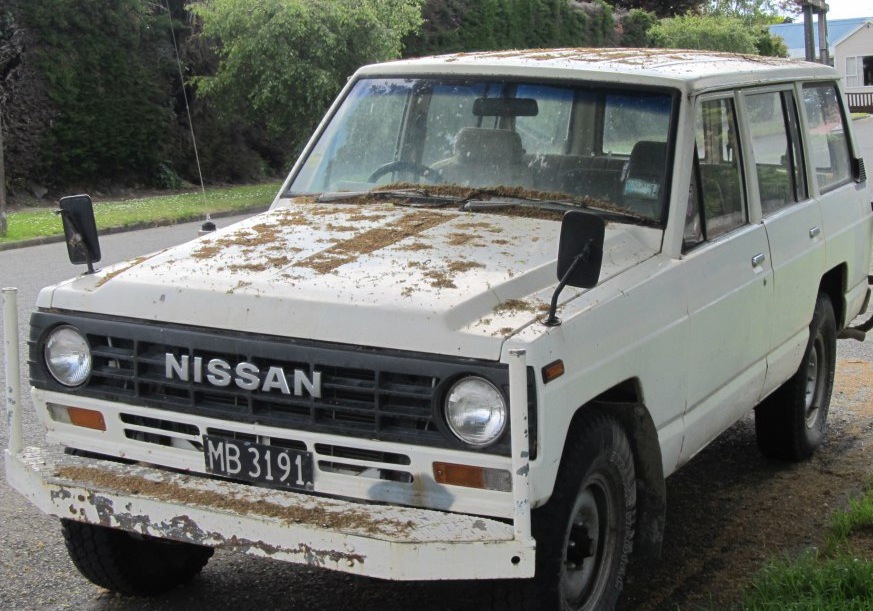
Technical Specifications
| Brand | Nissan |
| Model | Patrol |
| Generation | Patrol Station Wagon (W160) |
| Type (Engine) | 3.2 TD (W160) (110 Hp) |
| Start of Production | 1983 |
| End of Production | 1988 |
| Powertrain Architecture | Internal Combustion Engine |
| Body Type | Off-road Vehicle, Station Wagon (Estate) |
| Fuel Type | Diesel |
| Power | 110 Hp |
| Engine Aspiration | Turbocharger |
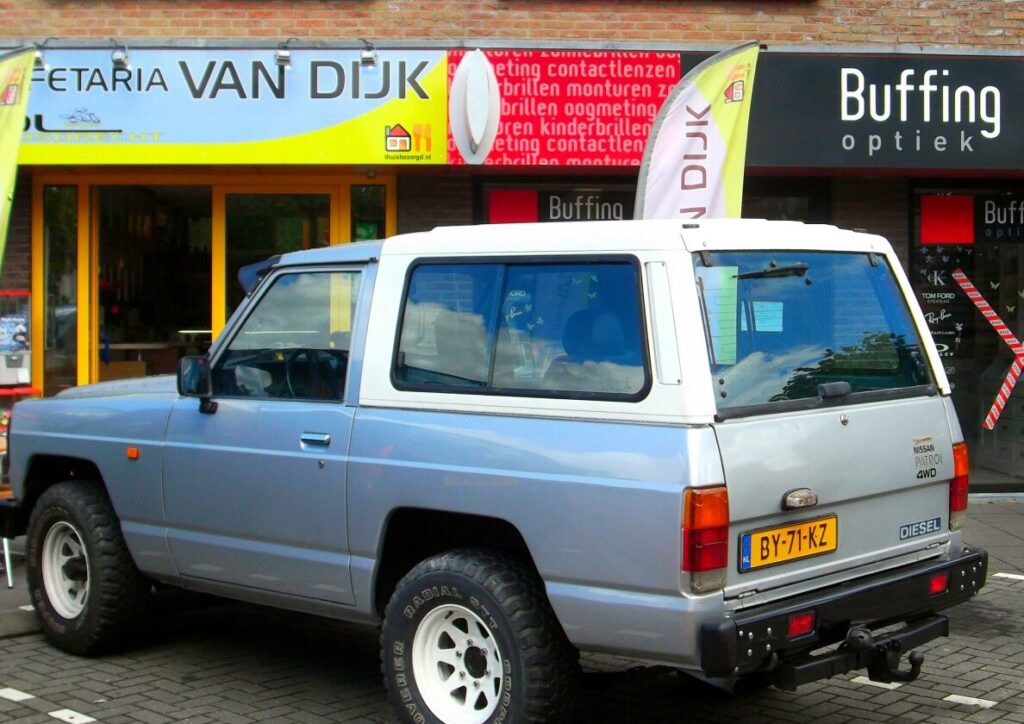
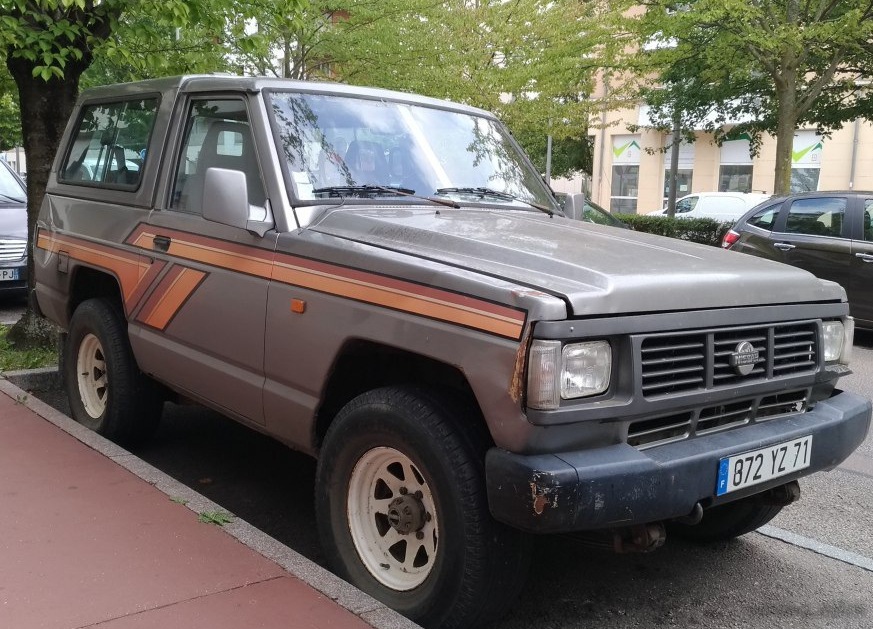
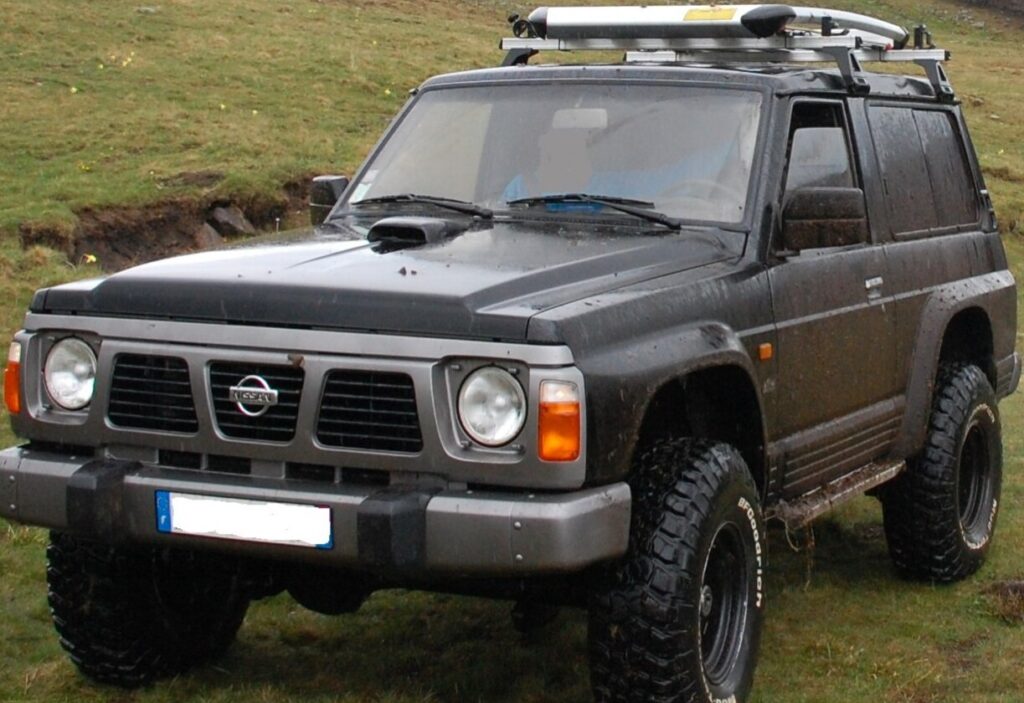
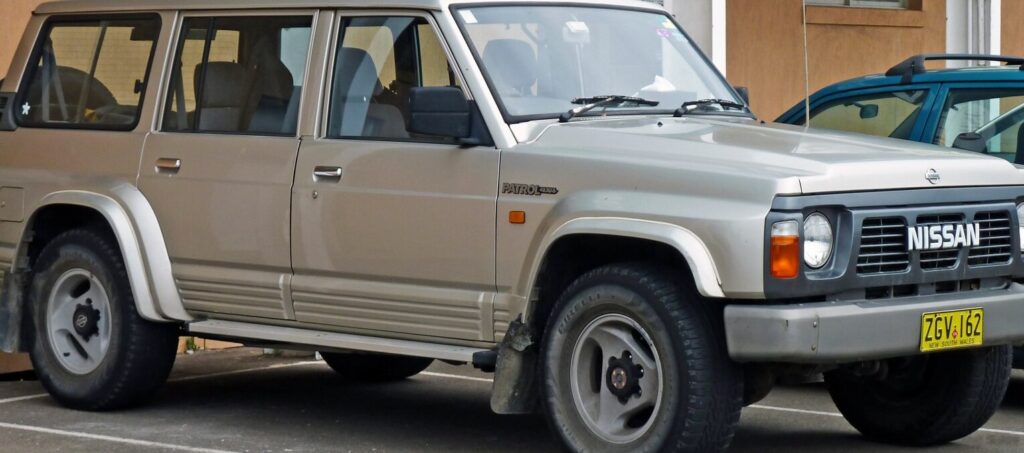
The Nissan Patrol Station Wagon (W160) 3.2 TD, produced between 1983 and 1988, represents a significant iteration of Nissan’s long-running Patrol series. This variant, powered by a turbocharged 3.2-liter diesel engine producing 110 horsepower, occupied a crucial position within the W160 generation, offering a blend of off-road capability and practicality for families and commercial users. The W160 series, introduced in 1980, was a substantial redesign of the Patrol, moving towards a more modern and comfortable vehicle while retaining its renowned robustness. The 3.2 TD model specifically catered to those needing a durable and fuel-efficient vehicle capable of handling demanding terrain and heavy loads, particularly in markets outside of North America where diesel engines were favored.
Powertrain & Engine Architecture
The heart of the W160 3.2 TD is the SD33T engine, a 3.2-liter inline-six cylinder diesel. This engine represents a significant upgrade over the naturally aspirated SD33 found in earlier Patrols. The addition of a turbocharger dramatically increased power output to 110 horsepower, along with a substantial increase in torque, making it well-suited for towing and navigating challenging off-road conditions. The SD33T utilizes indirect injection, a common diesel technology of the era, employing pre-combustion chambers to improve combustion efficiency. The engine features a robust cast iron block and head, designed for longevity and durability. While specific transmission options varied by market, the 3.2 TD was typically paired with either a 5-speed manual or a 4-speed automatic transmission. The automatic, while offering convenience, was often considered less robust than the manual and could impact fuel economy. The fuel injection system is a mechanical, Bosch-supplied unit, known for its reliability but requiring periodic maintenance and adjustment to maintain optimal performance. The Bosch system, while not as precise as later electronic systems, was favored for its ability to function reliably in harsh conditions with minimal electrical intervention.
Driving Characteristics
The driving experience of the W160 3.2 TD is characterized by its substantial torque and ruggedness. The turbocharged diesel delivers strong low-end power, making it capable of tackling steep inclines and traversing difficult terrain without requiring frequent gear changes. However, it’s important to note that 110 horsepower in a relatively heavy vehicle like the Patrol doesn’t translate to brisk acceleration. The 0-60 mph time is estimated to be well over 15 seconds. The automatic transmission, while providing ease of use, contributes to a slightly less responsive feel compared to the manual version. Gear ratios are optimized for low-speed torque and off-road crawling, rather than highway cruising. The suspension, designed for both on- and off-road use, provides a comfortable ride on paved surfaces but can feel somewhat soft and prone to body roll during cornering. Steering is typically recirculating ball, offering a direct feel but lacking the precision of more modern steering systems. The overall driving experience prioritizes capability and durability over outright performance, making it a suitable vehicle for those prioritizing function over speed.
Equipment & Trim Levels
The W160 3.2 TD Patrol typically offered a fairly basic level of equipment, reflecting its utilitarian focus. Standard features generally included vinyl or cloth upholstery, a basic instrument cluster, and manually operated windows and locks. Air conditioning was often an optional extra, as were power steering and upgraded audio systems. Trim levels varied depending on the market, but generally, the 3.2 TD sat in the mid-range of the Patrol lineup. Higher trim levels, often featuring gasoline engines, offered more luxurious appointments such as woodgrain trim, upgraded seating, and additional convenience features. The interior design is functional and durable, prioritizing practicality over aesthetics. The station wagon body style provided ample cargo space, making it suitable for families and those needing to transport large items. The 3.2 TD often found favor with those needing a work vehicle, while the higher trims appealed to those seeking a more comfortable family vehicle with off-road capability.
Chassis & Braking
The W160 Patrol utilizes a robust ladder frame chassis, providing a solid foundation for its off-road capabilities. The suspension consists of leaf springs in the rear and coil springs in the front, offering a good balance of ride comfort and load-carrying capacity. Braking systems varied depending on the market and trim level. Earlier models often featured drum brakes on all four wheels, while later models and higher trim levels were equipped with front disc brakes. Power steering was an optional extra, and models without it require considerable effort at low speeds. The track width is relatively narrow compared to modern SUVs, contributing to its maneuverability in tight spaces but also affecting its on-road stability. Stabilizer bars were often fitted to improve handling and reduce body roll, particularly on models equipped with coil spring front suspension. The robust chassis and suspension were designed to withstand significant stress and abuse, making the W160 Patrol a capable off-road performer.
Market Reception & Comparison
The Nissan Patrol W160 3.2 TD was generally well-received in markets where diesel engines were popular, such as Australia, the Middle East, and parts of Europe. Critics praised its durability, off-road capability, and fuel efficiency. However, the engine’s relatively low horsepower output and the sometimes-sluggish performance of the automatic transmission were points of criticism. Compared to the gasoline-powered Patrols, the 3.2 TD offered superior fuel economy and torque, making it ideal for long-distance travel and heavy-duty work. Compared to other diesel-powered off-road vehicles of the era, such as the Toyota Land Cruiser, the Patrol offered a competitive combination of price, performance, and reliability. The 3.2 TD was often seen as a more affordable alternative to the Land Cruiser, while still providing comparable off-road capabilities. The Patrol’s reputation for being a tough and reliable vehicle contributed to its strong sales figures in these markets.
Legacy
The W160 3.2 TD Patrol has earned a reputation for exceptional longevity and reliability. Many examples are still in use today, often having accumulated hundreds of thousands of miles. The SD33T engine, while not particularly powerful by modern standards, is known for its robustness and ability to withstand years of hard use. However, maintenance is crucial to ensure its continued operation. Regular servicing, including oil changes, filter replacements, and fuel system maintenance, is essential. The availability of spare parts has become increasingly challenging in recent years, but a dedicated community of Patrol enthusiasts continues to support the preservation of these vehicles. In the used car market, the W160 3.2 TD Patrol is sought after by off-road enthusiasts and those looking for a durable and reliable workhorse. Prices vary depending on condition and mileage, but well-maintained examples can command a premium. The W160 3.2 TD stands as a testament to Nissan’s engineering prowess and its commitment to building vehicles that can withstand the test of time.