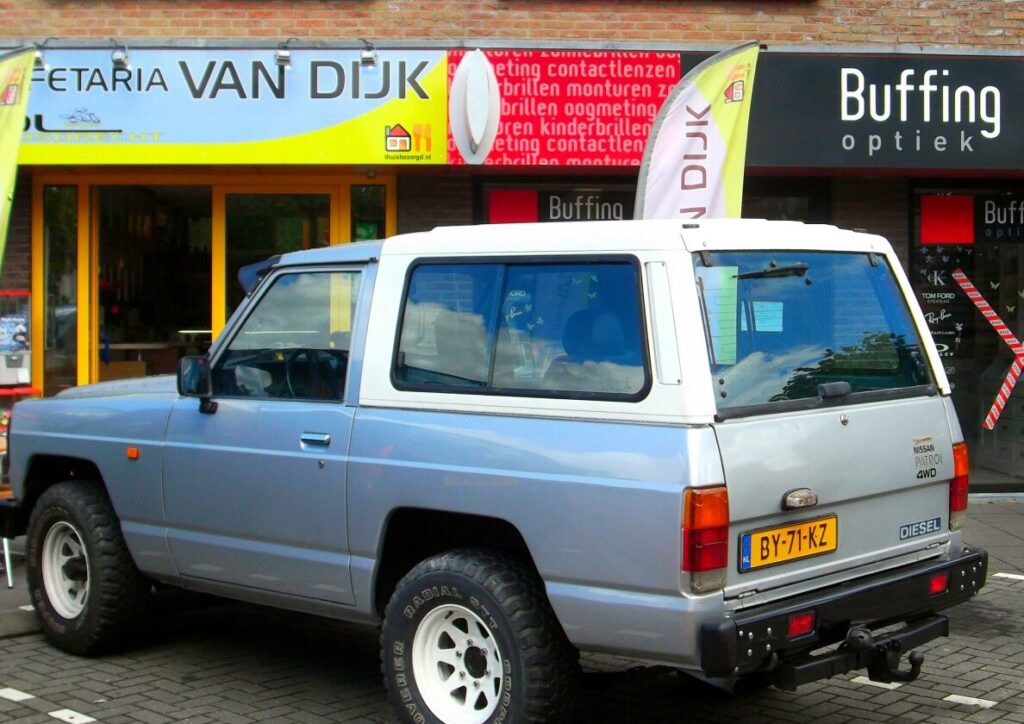
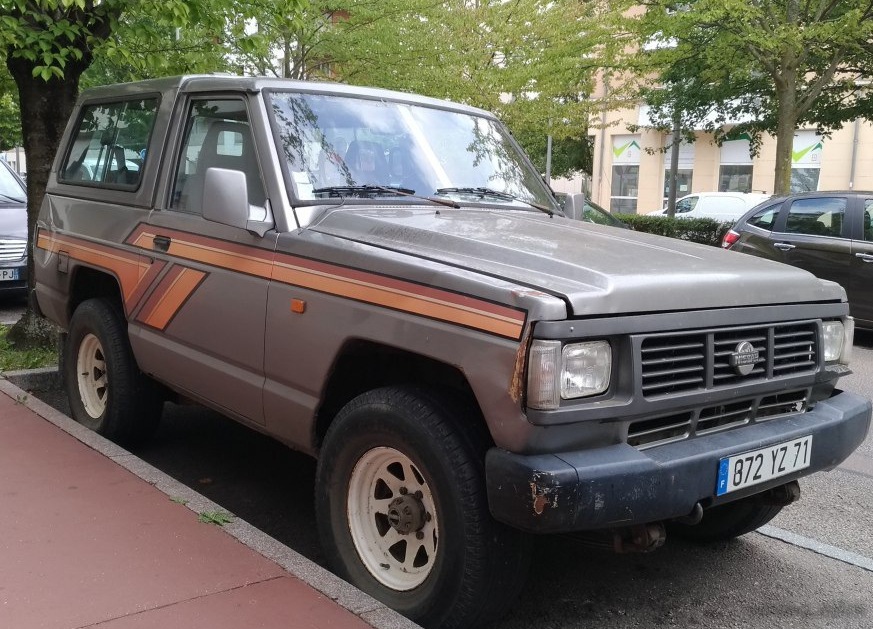
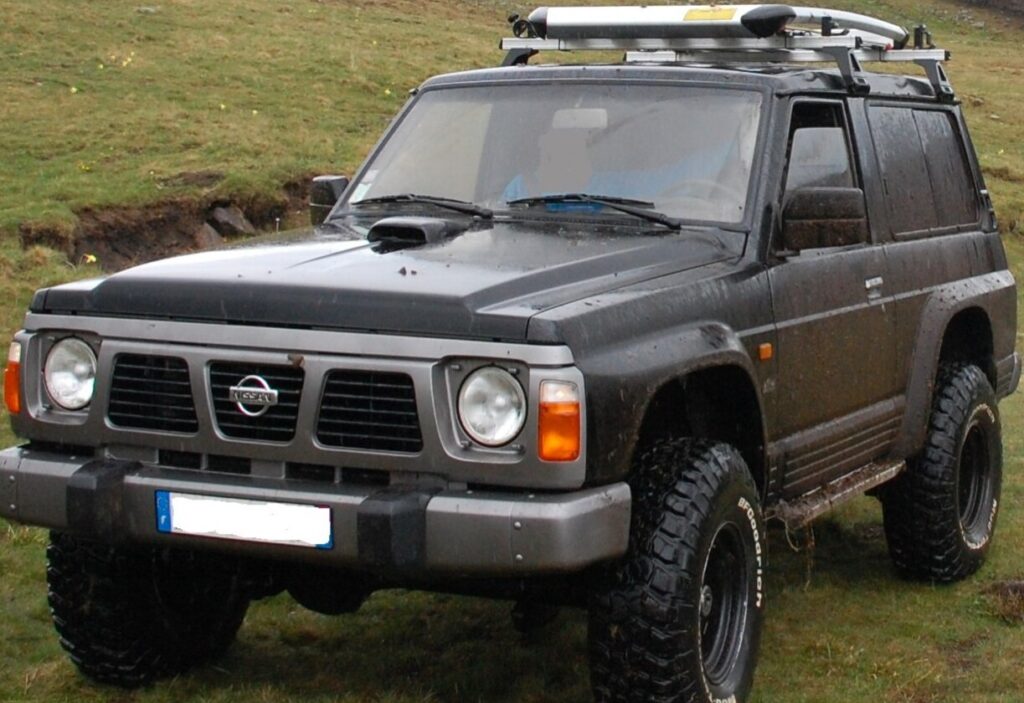
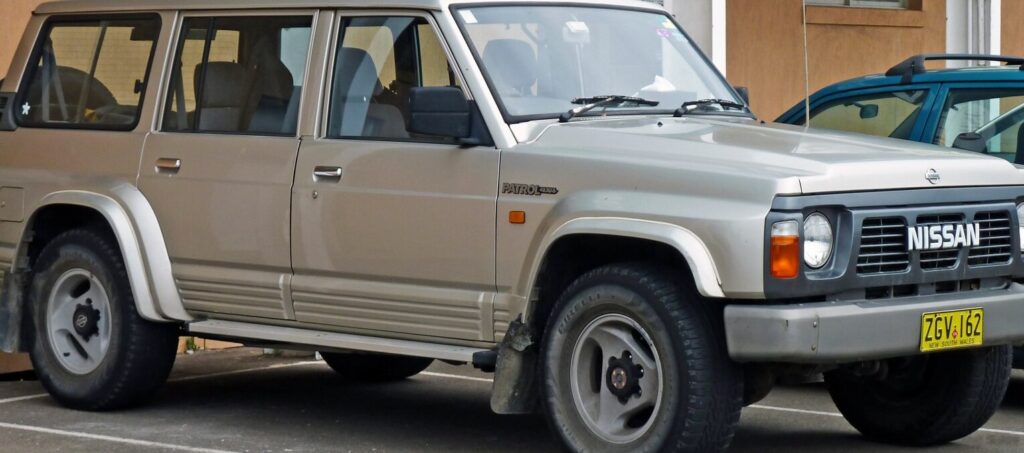
The Nissan Patrol Station Wagon (W260) 3.2 D, produced between 1986 and 1990, represents a significant iteration of Nissan’s long-running Patrol series. This variant, powered by a 3.2-liter diesel engine producing 110 horsepower, was primarily aimed at markets outside of North America, where the Patrol was less commonly found. The W260 series, introduced in 1988, offered a blend of rugged off-road capability and family-oriented practicality, positioning itself as a versatile vehicle for both work and leisure. This particular 3.2D configuration served as a mid-range option within the W260 lineup, offering a balance between affordability and performance, especially in regions where diesel fuel was readily available and preferred for its fuel efficiency and durability.
Technical Specifications
| Brand | Nissan |
| Model | Patrol |
| Generation | Patrol Station Wagon (W260) |
| Type (Engine) | 3.2 D (110 Hp) |
| Start of Production | 1986 |
| End of Production | 1990 |
| Powertrain Architecture | Internal Combustion Engine |
| Body Type | Off-road Vehicle, Station Wagon (Estate) |
| Fuel Type | Diesel |
| Power | 110 Hp |
| Engine Aspiration | Naturally Aspirated |
Powertrain & Engine Architecture
The heart of the W260 3.2 D is the SD33 diesel engine, a 3.2-liter inline-six cylinder powerplant. This engine, while not known for blistering performance, was celebrated for its robustness and longevity. It featured a naturally aspirated design, relying on atmospheric pressure for air intake, and utilized a mechanical fuel injection system. This system, while less sophisticated than later electronic injection systems, was known for its reliability and ease of maintenance, particularly important in regions with limited access to specialized repair facilities. The engine’s valvetrain employed a single overhead camshaft (SOHC) configuration, operating two valves per cylinder. The SD33 produced 110 horsepower at around 3,200 rpm and approximately 192 lb-ft of torque. The torque curve was relatively flat, providing usable power across a broad range of engine speeds, which was crucial for off-road driving and towing. While specific transmission options varied by market, the 3.2 D was often paired with a 5-speed manual transmission or a 4-speed automatic. The automatic transmission, while offering convenience, did impact acceleration and fuel economy compared to the manual.
Driving Characteristics
The driving experience in the W260 3.2 D was characterized by its ruggedness and capability rather than outright speed. The 110 horsepower engine, coupled with the vehicle’s substantial weight, resulted in modest acceleration. However, the engine’s strong low-end torque made it well-suited for tackling challenging terrain and hauling loads. The automatic transmission, when equipped, provided smooth shifts but could feel somewhat sluggish, particularly when attempting quick overtaking maneuvers. The gear ratios were optimized for off-road performance and towing, prioritizing pulling power over rapid acceleration. Compared to the gasoline-powered Patrol variants, the 3.2 D offered significantly better fuel economy, making it a popular choice for long-distance travel and commercial applications. Compared to later, more powerful diesel iterations of the Patrol, this 3.2D felt noticeably less refined and slower, but its simplicity and durability were key selling points.
Equipment & Trim Levels
The W260 3.2 D typically came with a fairly basic level of equipment, reflecting its positioning as a workhorse vehicle. Standard features generally included vinyl or cloth upholstery, a simple dashboard layout with analog gauges, and manual windows and door locks. Air conditioning was often an optional extra, as were power steering and upgraded audio systems. The interior was designed for practicality and durability, with easily cleanable surfaces and robust construction. Trim levels varied depending on the market, but generally, the 3.2 D sat in the middle of the range, offering more comfort and convenience features than the base models but lacking the luxury appointments of the higher-end trims. Some models included features like a rear heater and defroster, and a tilt steering wheel.
Chassis & Braking
The W260 Patrol featured a robust body-on-frame construction, providing excellent durability and off-road capability. The suspension system consisted of leaf springs in the rear and coil springs in the front, offering a comfortable ride on paved roads while maintaining ample articulation for off-road use. The 3.2 D variant typically came equipped with drum brakes on all four wheels, which were adequate for most driving conditions but lacked the stopping power of disc brakes. A stabilizer bar was often included in the front suspension to reduce body roll during cornering. The vehicle’s high ground clearance and four-wheel-drive system made it exceptionally capable in challenging terrain. The chassis was designed to withstand significant stress and abuse, making it a popular choice for demanding applications.
Market Reception & Comparison
The Nissan Patrol W260 3.2 D received generally positive reviews for its reliability, durability, and off-road capability. Critics praised the engine’s longevity and fuel efficiency, but noted its lack of outright power. Compared to other diesel-powered SUVs of the era, such as the Toyota Land Cruiser, the Patrol offered a more affordable price point and a slightly more utilitarian interior. The 3.2 D variant was often seen as a good compromise between performance and economy, appealing to buyers who needed a capable off-road vehicle but didn’t require the power of the larger gasoline engines. In markets where diesel fuel was expensive or unavailable, the gasoline-powered Patrol variants were more popular. However, in regions like Australia, the Middle East, and parts of Africa, the 3.2 D was a common sight, valued for its dependability and low running costs.
Legacy
The Nissan Patrol W260 3.2 D has earned a reputation as a remarkably reliable and durable vehicle. Many examples are still in use today, often having accumulated hundreds of thousands of miles. The SD33 engine is known for its ability to withstand years of hard use with minimal maintenance. While parts availability can be a challenge in some regions, the engine’s simplicity makes it relatively easy to repair. In the used car market, the W260 3.2 D is often sought after by enthusiasts and off-road adventurers who appreciate its ruggedness and dependability. It represents a classic example of a no-nonsense, go-anywhere vehicle that has stood the test of time. The W260 series, and particularly the 3.2D variant, cemented the Patrol’s reputation as one of the world’s most capable and reliable off-road vehicles, a legacy that continues to this day.