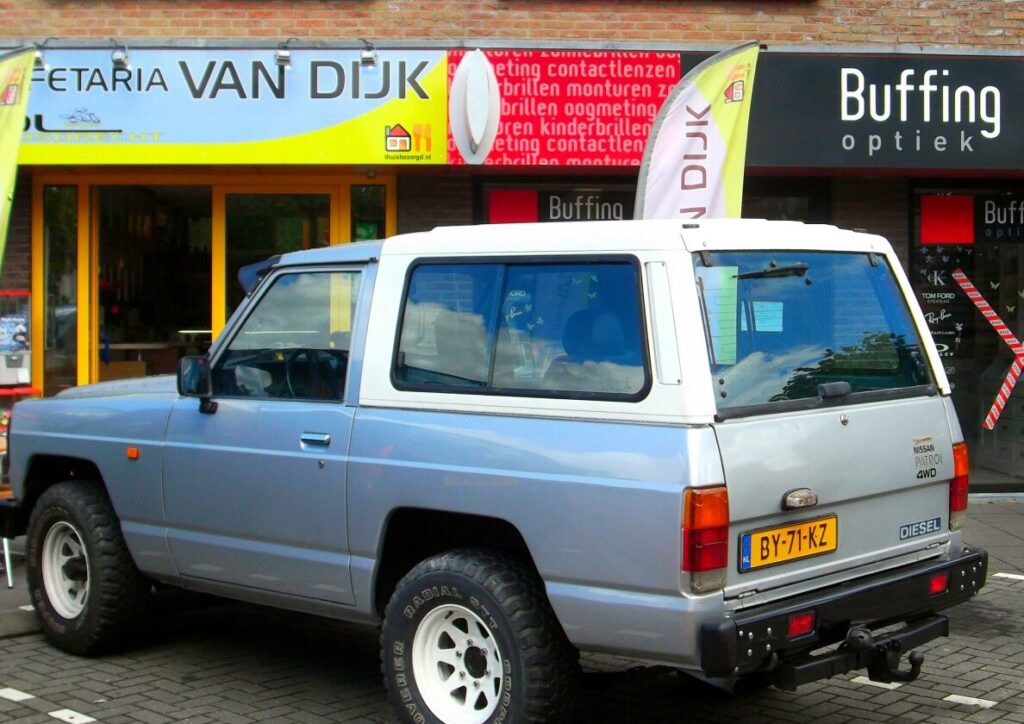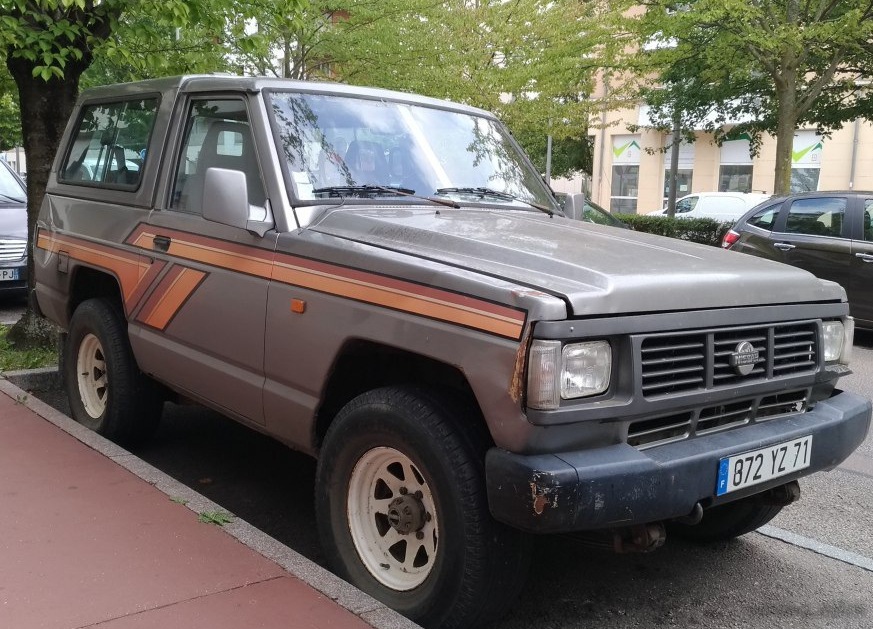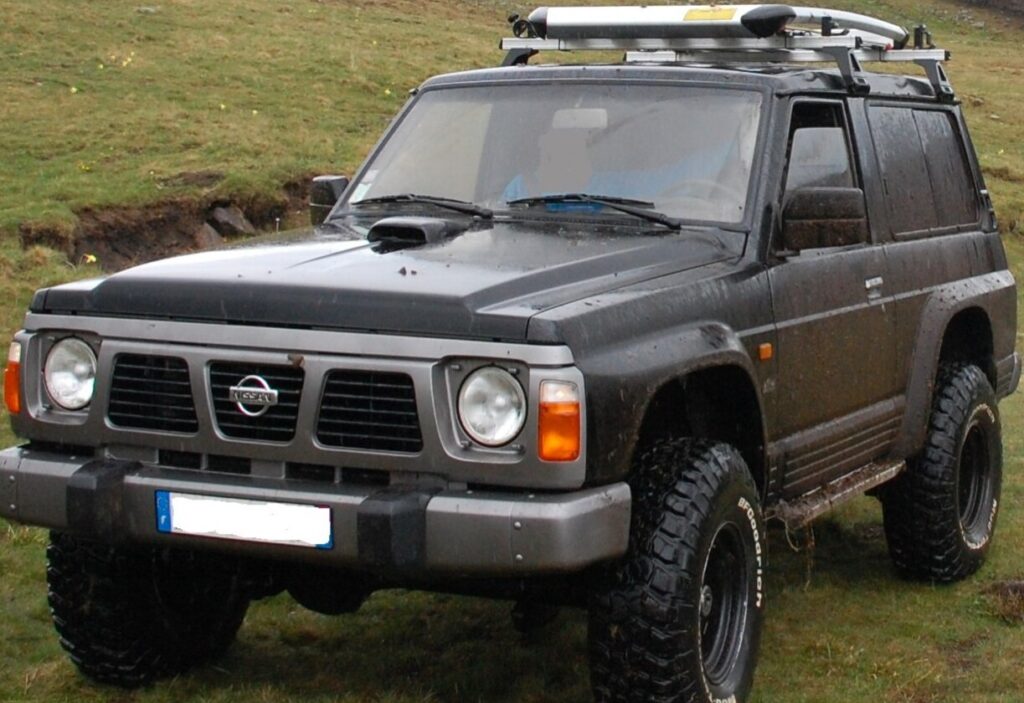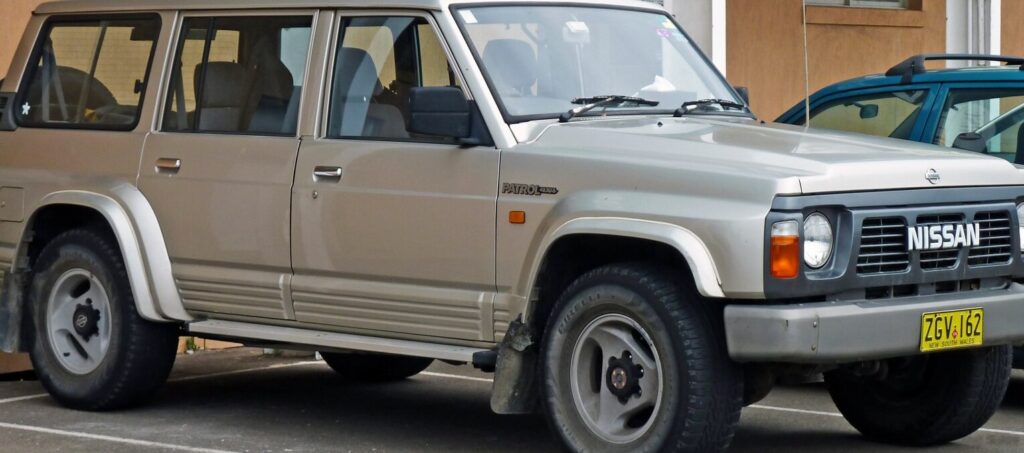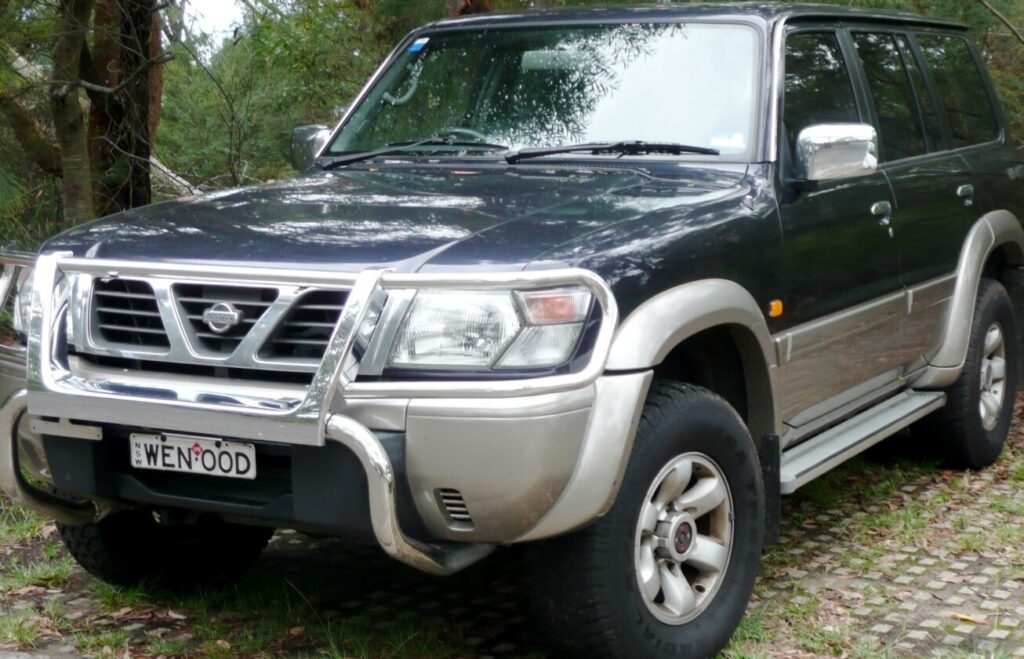
The Nissan Patrol Y61, specifically the 5-door 3.0 Di variant with an automatic transmission, represents a significant iteration in the long and storied history of Nissan’s iconic off-road vehicle. Produced from 2000 to 2002, this model occupied a crucial position in the Patrol lineup, offering a balance between capability, comfort, and affordability. It was primarily aimed at markets outside of North America, where the Patrol was not officially sold during this generation, and served as a robust workhorse and family vehicle in regions like Australia, the Middle East, and parts of Asia. This variant, powered by the ZD30DDTi engine, provided a compelling alternative to the more powerful, but also more expensive, petrol-powered options.
Technical Specifications
| Brand | Nissan |
| Model | Patrol |
| Generation | Patrol V 5-door (Y61) |
| Type | 3.0 Di (5 dr) (170 Hp) Automatic |
| Start of production | 2000 |
| End of production | 2002 |
| Powertrain Architecture | Internal Combustion engine |
| Body type | Off-road vehicle |
| Seats | 7 |
| Doors | 5 |
| Fuel Type | Diesel |
| Maximum speed | 165 km/h (102.53 mph) |
| Weight-to-power ratio | 12.5 kg/Hp, 79.8 Hp/tonne |
| Weight-to-torque ratio | 5.9 kg/Nm, 170.4 Nm/tonne |
| Power | 170 Hp @ 3600 rpm |
| Power per litre | 57.6 Hp/l |
| Torque | 363 Nm @ 1800 rpm (267.74 lb.-ft. @ 1800 rpm) |
| Engine layout | Front, Longitudinal |
| Engine Model/Code | ZD30DDTi |
| Engine displacement | 2953 cm3 (180.2 cu. in.) |
| Number of cylinders | 4 |
| Engine configuration | Inline |
| Cylinder Bore | 96 mm (3.78 in.) |
| Piston Stroke | 102 mm (4.02 in.) |
| Compression ratio | 17.9:1 |
| Number of valves per cylinder | 4 |
| Fuel injection system | Diesel Commonrail |
| Engine aspiration | Turbocharger |
| Valvetrain | DOHC |
| Engine oil capacity | 8.2 l (8.66 US qt | 7.21 UK qt) |
| Coolant | 12 l (12.68 US qt | 10.56 UK qt) |
| Kerb Weight | 2130 kg (4695.85 lbs.) |
| Trunk (boot) space – minimum | 810 l (28.6 cu. ft.) |
| Fuel tank capacity | 95 l (25.1 US gal | 20.9 UK gal) |
| Length | 5010 mm (197.24 in.) |
| Width | 1930 mm (75.98 in.) |
| Height | 1850 mm (72.83 in.) |
| Wheelbase | 2970 mm (116.93 in.) |
| Front track | 1605 mm (63.19 in.) |
| Rear (Back) track | 1615 mm (63.58 in.) |
| Drive wheel | All wheel drive (4×4) |
| Number of gears and type of gearbox | 4 gears, automatic transmission |
| Front suspension | Coil spring |
| Rear suspension | Coil spring |
| Front brakes | Ventilated discs |
| Rear brakes | Ventilated discs |
| Assisting systems | ABS (Anti-lock braking system) |
| Power steering | Hydraulic Steering |
| Tires size | 235/80 R16 |
| Wheel rims size | 6J x 16 |
Powertrain & Engine Architecture
The heart of the Y61 3.0 Di is the ZD30DDTi engine, a 2.953-liter inline-four cylinder diesel. This engine represented a significant upgrade over earlier Nissan diesel offerings, incorporating a common rail direct injection system for improved fuel efficiency and reduced emissions. The ‘DDTi’ designation stands for ‘Direct Diesel Turbo Injection’. The engine utilizes a single overhead camshaft (SOHC) design per cylinder bank, operating a four-valve-per-cylinder configuration. The turbocharger, a key component for boosting power output, is an intercooled unit, helping to manage intake air temperature. The 4-speed automatic transmission, while not the most modern by today’s standards, was chosen for its robustness and suitability for off-road conditions. It provided relatively smooth shifts, although it lacked the refinement of more advanced automatic gearboxes.
Driving Characteristics
The 170 horsepower and 363 Nm (267.74 lb-ft) of torque delivered by the ZD30DDTi, when paired with the automatic transmission, resulted in a driving experience geared towards practicality and usability rather than outright performance. Acceleration was adequate, but not brisk, and the automatic transmission’s gear ratios were optimized for towing and low-speed off-road crawling. Compared to the manual transmission versions of the 3.0 Di, the automatic offered less driver engagement but greater convenience, particularly in urban environments. It also lagged behind the performance of the larger 4.2-liter petrol engine variants, which offered significantly more horsepower but at the cost of fuel economy. The automatic transmission did impact fuel economy slightly compared to the manual, but the difference wasn’t substantial.
Equipment & Trim Levels
The 3.0 Di automatic typically came with a reasonable level of standard equipment, positioning it as a mid-range offering within the Y61 Patrol lineup. Standard features generally included air conditioning, power windows, central locking, and an AM/FM radio. Higher trim levels, often denoted by specific package names depending on the market, added features like alloy wheels, upgraded interior upholstery, a woodgrain trim, and potentially a more sophisticated audio system. Optional extras could include a sunroof, rear air conditioning, and various off-road accessories such as a winch or upgraded suspension components.
Chassis & Braking
The Y61 Patrol utilized a robust body-on-frame construction, providing excellent durability and off-road capability. The suspension consisted of coil springs all around, offering a comfortable ride both on and off the pavement. The 3.0 Di variant typically featured ventilated disc brakes on all four wheels, providing adequate stopping power for its weight class. An Anti-lock Braking System (ABS) was standard, enhancing safety. Hydraulic power steering was also standard, making maneuvering the large vehicle relatively easy. The chassis was designed to handle significant loads, making it a popular choice for towing caravans or boats.
Market Reception & Comparison
The Nissan Patrol Y61 3.0 Di automatic was generally well-received in its target markets. Critics praised its reliability, off-road capability, and relatively affordable price point. Compared to other vehicles in its class, such as the Toyota Land Cruiser Prado, the Patrol offered a more rugged and utilitarian experience. The 3.0 Di automatic provided a good balance between fuel economy and performance, making it a practical choice for everyday use. However, some reviewers noted that the automatic transmission could feel sluggish at times, and the interior lacked the refinement of some competitors.
Legacy
The ZD30DDTi engine, while not without its issues (early versions were prone to some oil consumption and potential turbo failures), proved to be a relatively durable and long-lasting powertrain when properly maintained. Today, the Y61 Patrol 3.0 Di automatic remains a popular choice in the used car market, particularly among those seeking a capable and reliable off-road vehicle. Its simplicity and robust construction make it relatively easy to maintain and repair, and parts availability remains good in many regions. The Y61 Patrol, in all its variants, has earned a reputation as a true workhorse and a testament to Nissan’s engineering prowess.