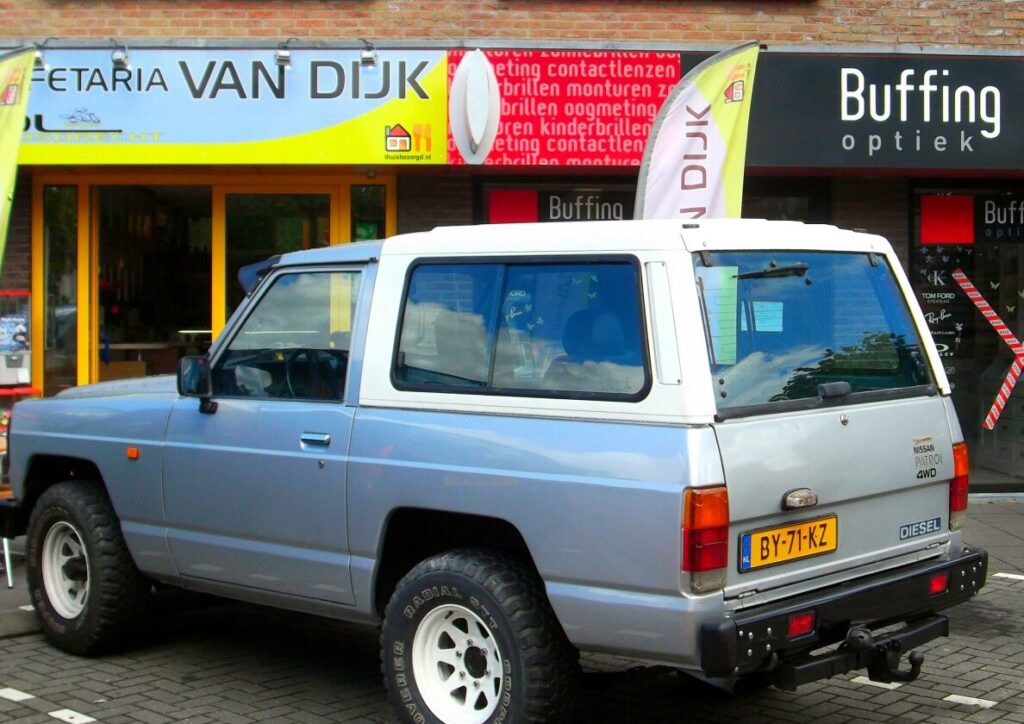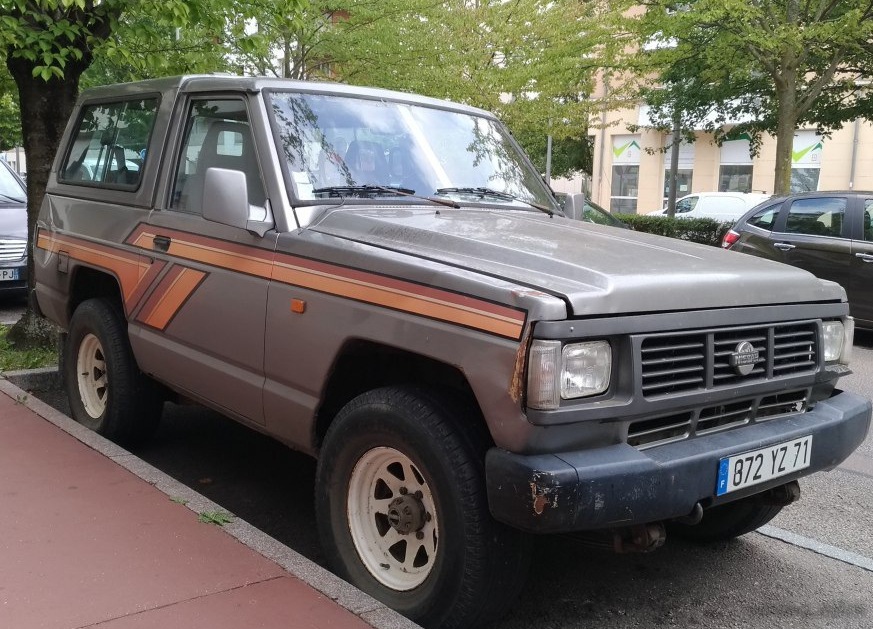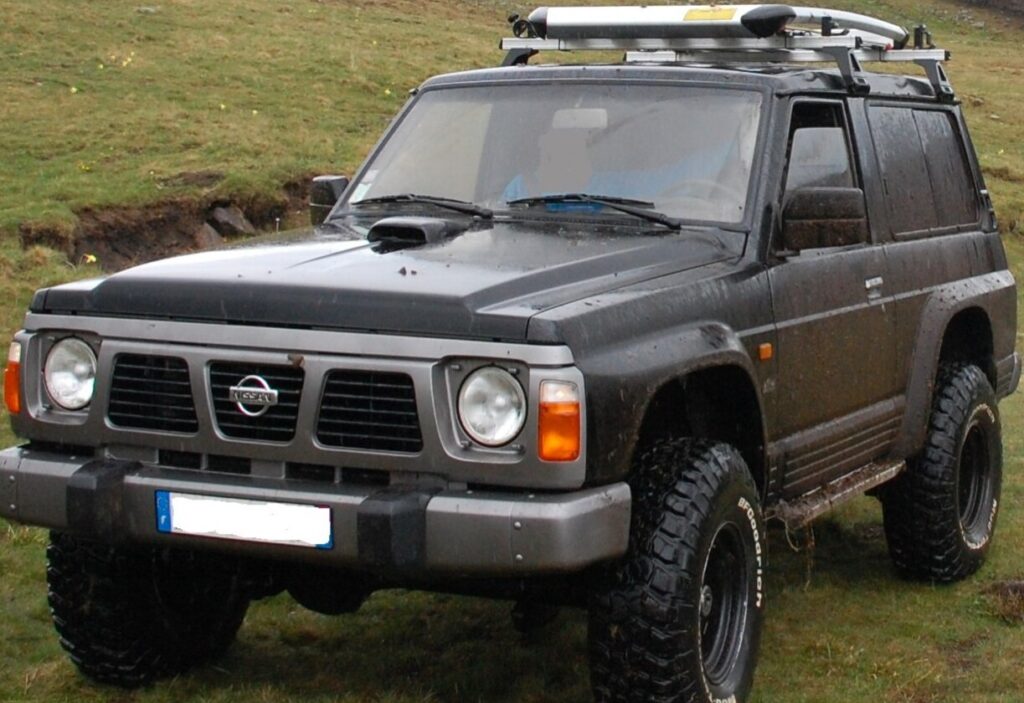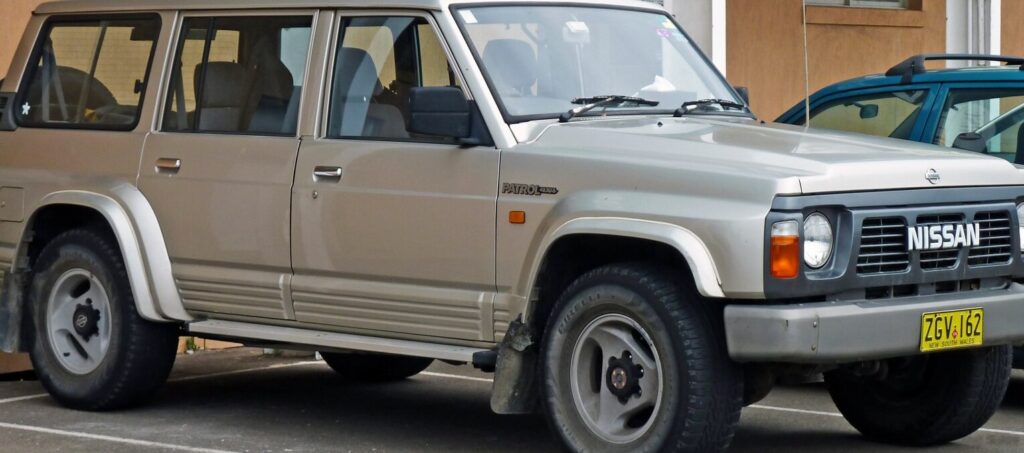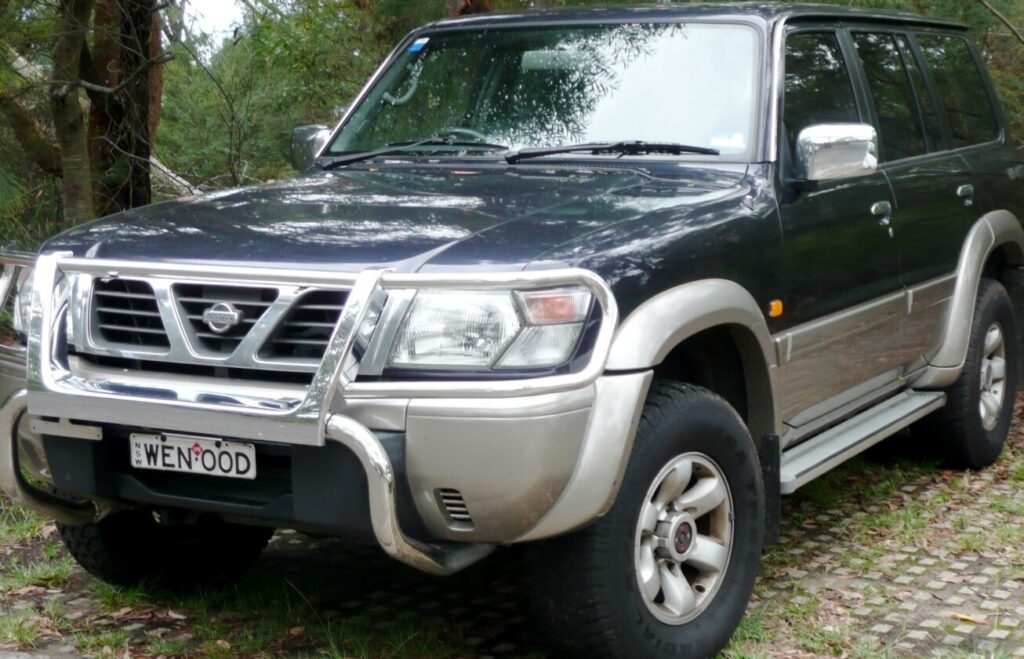
The Nissan Patrol Y61, specifically the 5-door 4.5i variant produced between 2000 and 2003, represents a significant iteration of Nissan’s long-running, globally respected off-road vehicle. Positioned as a robust and capable SUV, the Y61 Patrol aimed to blend traditional body-on-frame construction with improved on-road refinement compared to its predecessors. This 4.5i model, equipped with a 4.5-liter inline-six engine and a four-speed automatic transmission, served as a mid-range offering within the Y61 lineup, appealing to buyers seeking a balance of power, comfort, and off-road prowess. It was primarily sold in markets outside of North America, where the Patrol was not officially offered during this generation.
Technical Specifications
| Brand | Nissan |
| Model | Patrol |
| Generation | Patrol V 5-door (Y61) |
| Type | 4.5 i (5 dr) (200 Hp) |
| Start of production | 2000 |
| End of production | 2003 |
| Powertrain Architecture | Internal Combustion engine |
| Body type | Off-road vehicle |
| Seats | 7 |
| Doors | 5 |
| Fuel consumption (urban) | 20 l/100 km (11.8 US mpg) |
| Fuel consumption (extra urban) | 12.2 l/100 km (19.3 US mpg) |
| Fuel Type | Petrol (Gasoline) |
| Maximum speed | 170 km/h (105.63 mph) |
| Weight-to-power ratio | 11.3 kg/Hp |
| Weight-to-torque ratio | 6.5 kg/Nm |
| Power | 200 Hp @ 4400 rpm |
| Power per litre | 44.7 Hp/l |
| Torque | 348 Nm @ 3600 rpm (256.67 lb.-ft. @ 3600 rpm) |
| Engine layout | Front, Longitudinal |
| Engine Model/Code | TB45E |
| Engine displacement | 4479 cm3 (273.33 cu. in.) |
| Number of cylinders | 6 |
| Engine configuration | Inline |
| Cylinder Bore | 99.5 mm (3.92 in.) |
| Piston Stroke | 96 mm (3.78 in.) |
| Compression ratio | 8.5:1 |
| Number of valves per cylinder | 2 |
| Fuel injection system | Multi-port manifold injection |
| Engine aspiration | Naturally aspirated engine |
| Engine oil capacity | 7.6 l (8.03 US qt | 6.69 UK qt) |
| Coolant capacity | 11 l (11.62 US qt | 9.68 UK qt) |
| Kerb Weight | 2250 kg (4960.4 lbs.) |
| Max. weight | 2655 kg (5853.27 lbs.) |
| Max load | 405 kg (892.87 lbs.) |
| Trunk (boot) space (minimum) | 810 l (28.6 cu. ft.) |
| Fuel tank capacity | 95 l (25.1 US gal | 20.9 UK gal) |
| Length | 4965 mm (195.47 in.) |
| Width | 1840 mm (72.44 in.) |
| Height | 1850 mm (72.83 in.) |
| Wheelbase | 2970 mm (116.93 in.) |
| Front track | 1555 mm (61.22 in.) |
| Rear track | 1575 mm (62.01 in.) |
| Drive wheel | All wheel drive (4×4) |
| Number of gears | 4 |
| Gearbox type | automatic transmission |
| Front suspension | Coil spring |
| Rear suspension | Coil spring |
| Front brakes | Ventilated discs |
| Rear brakes | Ventilated discs |
| Assisting systems | ABS (Anti-lock braking system), Hydraulic Power Steering |
| Tires size | 265/70 R16 |
Powertrain & Engine Architecture
The heart of the Y61 4.5i is the TB45E engine, a 4.5-liter inline-six cylinder gasoline engine. This engine, a descendant of Nissan’s long-running ‘TB’ series, is known for its durability and relatively simple design. It utilizes a multi-port fuel injection system, delivering fuel directly into the intake ports, and features a single overhead camshaft (SOHC) valvetrain with two valves per cylinder. The TB45E produces 200 horsepower at 4400 rpm and 348 Nm (256.67 lb-ft) of torque at 3600 rpm. The four-speed automatic transmission, while providing convenience, was a somewhat dated design by the early 2000s. It featured conventional hydraulic control and lacked the efficiency of more modern electronically controlled transmissions. The transmission’s gear ratios were geared towards providing adequate torque for off-road situations, rather than maximizing fuel economy or acceleration.
Driving Characteristics
The combination of the 4.5-liter engine and the four-speed automatic transmission resulted in a driving experience that prioritized usability and off-road capability over outright performance. Acceleration was adequate for everyday driving, but not particularly brisk. The automatic transmission, while smooth, could feel somewhat sluggish during quick overtaking maneuvers. The gear ratios were spaced to provide strong low-end torque for navigating challenging terrain, but this came at the expense of higher-speed cruising efficiency. Compared to the manual transmission versions of the Y61, the automatic offered less driver engagement and slightly reduced fuel economy. Compared to other engine options in the Y61 range, such as the 3.0-liter diesel, the 4.5i provided significantly more power but consumed considerably more fuel.
Equipment & Trim Levels
The 4.5i variant typically came equipped with a reasonable level of standard features, reflecting its mid-range positioning. Interior appointments generally included cloth upholstery, air conditioning, power windows, and a basic audio system. Higher trim levels, often denoted by specific packages, could add features such as leather seats, a sunroof, upgraded audio systems, and woodgrain interior trim. The Y61 Patrol offered a spacious interior with seating for up to seven passengers, making it a practical choice for families. The 5-door configuration provided easier access to the rear seats compared to the shorter wheelbase 3-door models.
Chassis & Braking
The Y61 Patrol utilizes a traditional body-on-frame construction, providing a robust and durable platform for off-road use. The suspension consists of coil springs all around, offering a comfortable ride on paved roads while maintaining sufficient articulation for off-road obstacles. Braking duties are handled by ventilated disc brakes on all four wheels, providing adequate stopping power for the vehicle’s weight. An Anti-lock Braking System (ABS) was standard, enhancing safety during emergency braking situations. Hydraulic power steering assists with maneuverability, although it can feel somewhat vague compared to more modern steering systems.
Market Reception & Comparison
The Y61 Patrol 4.5i was generally well-received in markets where it was sold, particularly in Australia, the Middle East, and parts of Asia. Critics praised its robust construction, off-road capability, and spacious interior. However, the automatic transmission was sometimes criticized for its lack of responsiveness and fuel efficiency. Compared to competitors like the Toyota Land Cruiser, the Patrol offered a more affordable price point while still providing comparable levels of capability. The diesel-powered versions of the Y61 Patrol were often favored by those prioritizing fuel economy and long-distance touring, while the 4.5i appealed to buyers who preferred the smoother power delivery and quieter operation of a gasoline engine.
Legacy
The Nissan Patrol Y61, including the 4.5i variant, has developed a strong reputation for reliability and durability. The TB45E engine, while not particularly high-tech, is known for its longevity when properly maintained. Today, the Y61 Patrol remains a popular choice among off-road enthusiasts and those seeking a rugged and dependable SUV. Used examples are readily available, and prices vary depending on condition, mileage, and location. The 4.5i automatic, while not the most sought-after configuration, offers a good balance of usability and affordability, making it a viable option for those looking for a capable and reliable off-road vehicle.