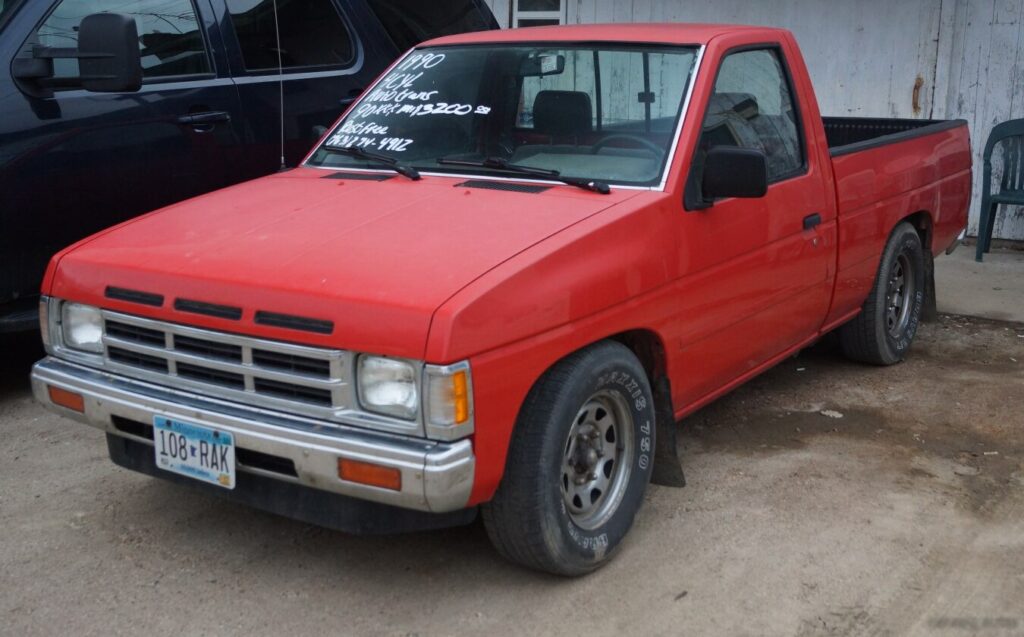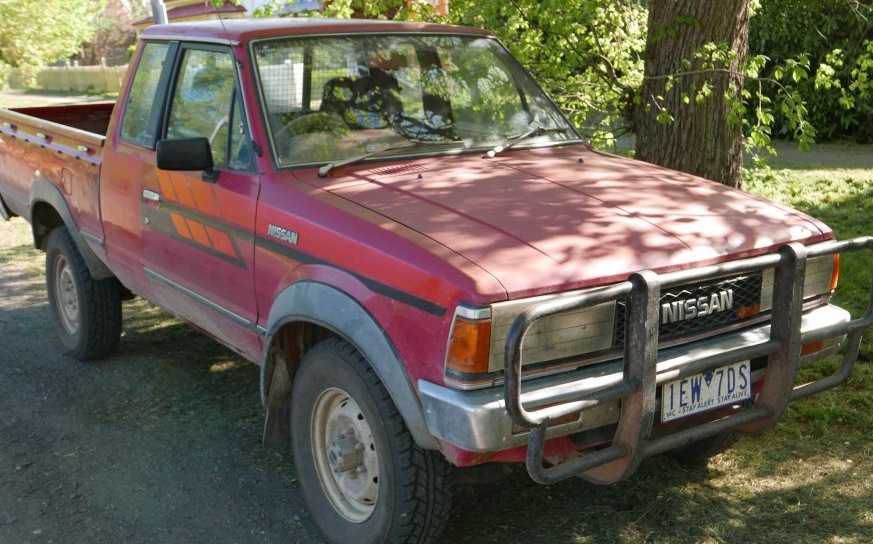
The Nissan Pickup (720), produced from 1983 to 1986, represented a significant step forward for Nissan’s compact truck offerings in the North American market. This generation, designated the D21 internally, succeeded the 620 series and established a reputation for reliability and affordability. The 1.8-liter (80 horsepower) variant occupied an important position in the lineup, serving as the entry-level engine option and appealing to buyers prioritizing fuel economy and basic utility over outright performance. It was a workhorse intended for light-duty tasks, and its simplicity contributed to its longevity. The 720 series was a crucial model for Nissan, helping to solidify their presence in the increasingly popular compact pickup segment against established competitors like the Ford Ranger and Chevrolet S-10.
Technical Specifications
| Brand | Nissan |
| Model | Pick UP |
| Generation | Pick UP (720) |
| Type (Engine) | 1.8 (80 Hp) |
| Start of production | 1983 |
| End of production | 1986 |
| Powertrain Architecture | Internal Combustion engine |
| Body type | Pick-up |
| Fuel Type | Petrol (Gasoline) |
| Power | 80 Hp |
| Engine aspiration | Naturally aspirated engine |
Powertrain & Engine Architecture
The heart of the 1.8-liter Nissan Pickup (720) was the Z24 engine, a 2.4-liter inline-four cylinder engine detuned to 1.8 liters for this specific application. While the Z24 was known for its durability, the 1.8-liter version, often referred to as the Z24i, was designed for economy. It featured a single overhead camshaft (SOHC) valvetrain operating two valves per cylinder. Fuel delivery was managed by a Nissan Electronic Fuel Injection (EFI) system, a relatively advanced feature for the time, contributing to improved fuel efficiency and reduced emissions compared to carbureted engines. The engine produced 80 horsepower at approximately 4,800 rpm and 109 lb-ft of torque at 3,200 rpm. The engine block was constructed from cast iron, known for its robustness, while the cylinder head was made of aluminum. The 1.8L engine was typically paired with a four-speed automatic transmission, a popular choice for buyers seeking ease of use, particularly in urban environments. This transmission, while not known for its sporty performance, was reliable and well-suited to the engine’s power characteristics.
Driving Characteristics
The 1.8-liter automatic Nissan Pickup (720) offered a decidedly utilitarian driving experience. Acceleration was modest, and the truck was not designed for quick getaways or high-speed cruising. The automatic transmission featured relatively tall gear ratios, prioritizing fuel economy over responsiveness. This meant that the engine often labored when climbing hills or carrying heavy loads. However, for typical light-duty tasks such as hauling small loads or commuting, the powertrain proved adequate. The steering was relatively light, making it easy to maneuver in tight spaces, but lacked the precision of some competitors. The suspension, while simple, provided a reasonably comfortable ride, absorbing bumps and imperfections in the road surface without excessive jarring. Compared to the available five-speed manual transmission, the automatic version sacrificed some performance and fuel efficiency, but offered a more relaxed and convenient driving experience. The manual transmission, when paired with the 2.4L engine, provided a noticeably more engaging and capable driving experience.
Equipment & Trim Levels
The 1.8-liter Nissan Pickup (720) typically represented the base trim level. Standard features were minimal, reflecting its focus on affordability. The interior typically featured vinyl upholstery, a basic dashboard with essential gauges (speedometer, fuel gauge, temperature gauge), and a simple two-speaker AM radio. Power steering was often an optional extra, as was air conditioning. The exterior featured steel wheels, basic chrome bumpers, and minimal exterior trim. Optional extras included a sliding rear window, upgraded audio systems, and various accessory packages designed to enhance the truck’s utility. The interior was functional and durable, designed to withstand the rigors of daily use. The overall aesthetic was spartan, prioritizing practicality over luxury.
Chassis & Braking
The Nissan Pickup (720) utilized a body-on-frame construction, a common design for pickup trucks of the era. The chassis featured a double-wishbone independent front suspension and a leaf-spring rear suspension. This setup provided a good balance of ride comfort and load-carrying capacity. The braking system consisted of front disc brakes and rear drum brakes. While adequate for the truck’s weight and performance, the rear drum brakes were less effective than disc brakes, particularly in wet conditions. The steering system was a recirculating ball type, providing relatively light steering effort but lacking the precision of more modern steering systems. Stabilizer bars were not standard equipment on the base 1.8-liter model, contributing to a slightly more pronounced body roll during cornering.
Market Reception & Comparison
The 1.8-liter Nissan Pickup (720) was generally well-received by critics and consumers alike, particularly for its affordability and reliability. It was often praised for its fuel efficiency, which was a significant selling point during the early 1980s. However, its lack of power was a common criticism, particularly when compared to larger pickup trucks or those equipped with the 2.4-liter engine. Compared to the Chevrolet S-10 and Ford Ranger, the Nissan Pickup (720) offered a similar level of basic utility, but often at a slightly lower price point. The 1.8L automatic version was often seen as a compromise, offering convenience at the expense of performance. The 2.4L manual transmission version was generally considered the more desirable option for buyers who prioritized capability and driving enjoyment. Fuel economy was estimated around 20-25 mpg combined, depending on driving conditions.
Legacy
The Nissan Pickup (720) 1.8-liter automatic has become a popular choice among classic truck enthusiasts and collectors. Its simplicity and durability have contributed to its longevity, and many examples are still on the road today. The Z24 engine, even in its detuned 1.8-liter form, is known for its reliability and relatively low maintenance costs. Parts availability remains good, making it relatively easy to keep these trucks running. In the used car market, these trucks typically command modest prices, reflecting their age and basic features. However, well-maintained examples are becoming increasingly sought after by collectors and enthusiasts who appreciate their classic styling and rugged character. The 720 series cemented Nissan’s reputation as a manufacturer of reliable and affordable pickup trucks, paving the way for future generations of Nissan trucks in the North American market.