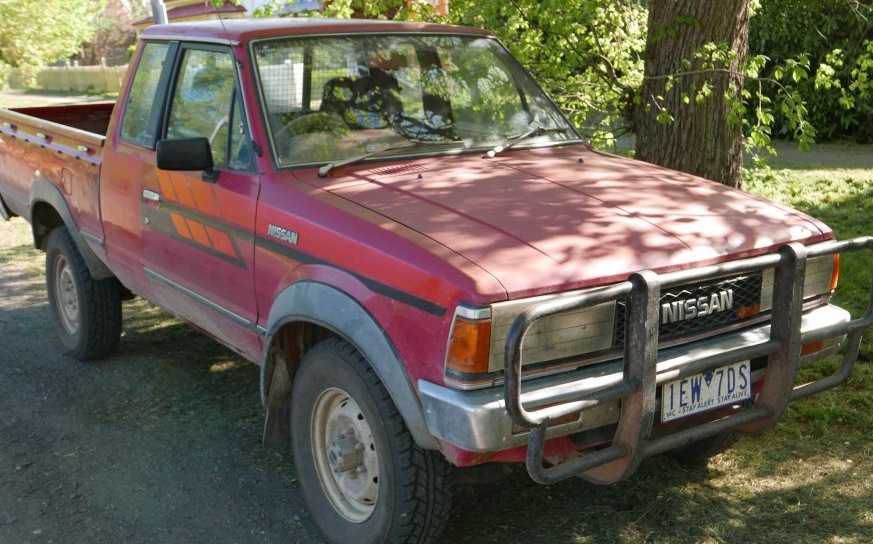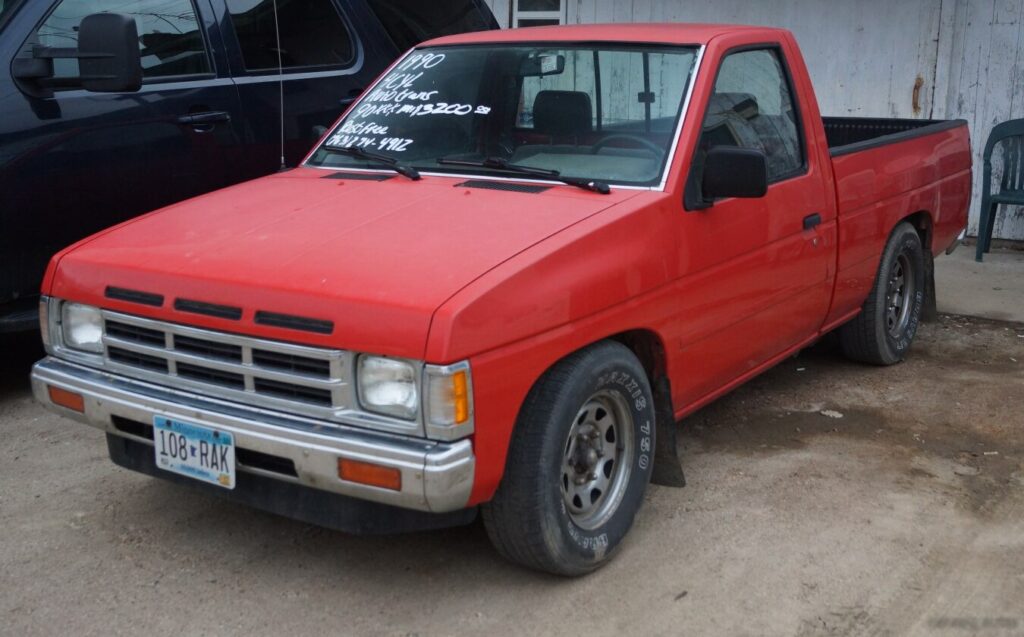
The Nissan D21, known as the Nissan Pickup in the North American market, was a compact pickup truck produced from 1986 to 1997. The 2.5 D (75 hp) 4WD variant, produced between 1986 and 1991, represented a work-focused entry point into the D21 lineup, primarily aimed at buyers needing a rugged and reliable vehicle for utility purposes. This model occupied the lower end of the D21 spectrum, offering a more affordable and fuel-efficient alternative to the gasoline-powered options and the more powerful diesel variants that followed.
Technical Specifications
| Brand | Nissan |
| Model | Pick UP |
| Generation | Pick UP (D21) |
| Type (Engine) | 2.5 D (75 Hp) 4WD |
| Start of production | 1986 |
| End of production | 1991 |
| Powertrain Architecture | Internal Combustion engine |
| Body type | Pick-up |
| Seats | 2 |
| Doors | 2 |
| Fuel Type | Diesel |
| Power | 75 Hp |
| Engine layout | Front, Transverse |
| Engine Model/Code | TD25 |
| Number of cylinders | 4 |
| Engine configuration | Inline |
| Fuel injection system | Precombustion chamber injection |
| Engine aspiration | Naturally aspirated engine |
| Engine oil capacity | 6 l (6.34 US qt | 5.28 UK qt) |
| Coolant capacity | 9.6 l (10.14 US qt | 8.45 UK qt) |
Powertrain & Engine Architecture
The heart of the D21 2.5 D was the TD25 inline-four cylinder diesel engine. This 2.5-liter engine utilized a naturally aspirated configuration and employed a precombustion chamber injection system. This system, common in diesel engines of the era, involved injecting fuel into a small precombustion chamber connected to the main cylinder, promoting more complete combustion and reducing engine noise. The TD25 was known for its durability and relatively simple design, prioritizing reliability over outright performance. The engine produced 75 horsepower and a substantial amount of torque for its displacement, though specific torque figures varied slightly depending on the market. The engine was mounted transversely, a somewhat unusual configuration for a pickup truck at the time, contributing to a more compact engine bay.
Driving Characteristics
The 2.5 D 4WD D21 was not designed for speed. Its 75 horsepower output meant acceleration was modest, particularly when loaded. However, the engine’s torque characteristics provided adequate pulling power for hauling and towing, making it suitable for agricultural work, construction, and general utility tasks. The four-wheel-drive system, engaged manually via a lever, offered enhanced traction in off-road conditions and inclement weather. The driving experience was characterized by a robust, utilitarian feel. The suspension, while functional, was tuned for load-carrying capacity rather than ride comfort. Compared to the gasoline-powered D21s, the diesel offered significantly better fuel economy, but at the expense of refinement and acceleration. Later D21 diesel models, such as those with the TD27 engine, offered a noticeable increase in power and torque, making the 2.5 D the entry-level choice for buyers prioritizing economy and basic functionality.
Equipment & Trim Levels
The 2.5 D 4WD variant of the D21 was typically offered in a base trim level, reflecting its position as the work-oriented model. Standard equipment was minimal, focusing on essential features. This generally included a basic vinyl interior, a simple dashboard layout with analog gauges, and a robust steering wheel. Power steering was often included, but air conditioning and power windows were typically optional extras. The bed was typically equipped with a basic drop-in bedliner. The emphasis was on durability and functionality rather than luxury or convenience. Optional extras, when selected, often included upgraded audio systems, exterior trim enhancements, and heavier-duty suspension components.
Chassis & Braking
The D21 chassis was a body-on-frame construction, providing a rugged and durable platform. The front suspension utilized independent double wishbones, while the rear suspension employed leaf springs. This configuration was typical for pickup trucks of the era and prioritized load-carrying capacity and durability. The braking system consisted of disc brakes on the front wheels and drum brakes on the rear. While adequate for the vehicle’s weight and intended use, the braking performance was not particularly sophisticated by modern standards. The 4WD system employed a part-time transfer case, allowing the driver to switch between two-wheel drive and four-wheel drive as needed. Stabilizer bars were often omitted on the base models to maximize suspension articulation for off-road use.
Market Reception & Comparison
The D21 2.5 D 4WD was well-received in markets where diesel-powered pickups were popular, particularly in rural areas and among those requiring a durable and fuel-efficient work vehicle. Critics generally praised its reliability and ruggedness, but noted its lack of refinement and modest performance. Compared to the gasoline-powered D21s, the 2.5 D offered superior fuel economy, making it an attractive option for those covering long distances or frequently hauling heavy loads. Compared to later D21 diesel models, the 2.5 D was considered underpowered, but its simplicity and lower initial cost made it a viable choice for budget-conscious buyers. In the US market, it competed with similar compact diesel pickups from Chevrolet and Ford, offering a compelling value proposition for those prioritizing utility over comfort.
Legacy
The Nissan D21, and specifically the 2.5 D 4WD variant, has earned a reputation for exceptional durability and longevity. Many examples remain on the road today, often with high mileage and minimal maintenance. The TD25 engine is known for its robustness and ability to withstand years of hard use. In the used car market, these trucks are often sought after by those looking for a simple, reliable, and affordable work vehicle or a classic pickup truck. While parts availability can be a concern for older models, the TD25 engine is relatively easy to maintain and repair. The D21 2.5 D represents a bygone era of pickup truck design, prioritizing functionality and durability over modern conveniences and performance. It remains a testament to Nissan’s engineering prowess and a popular choice among enthusiasts and those seeking a dependable workhorse.